
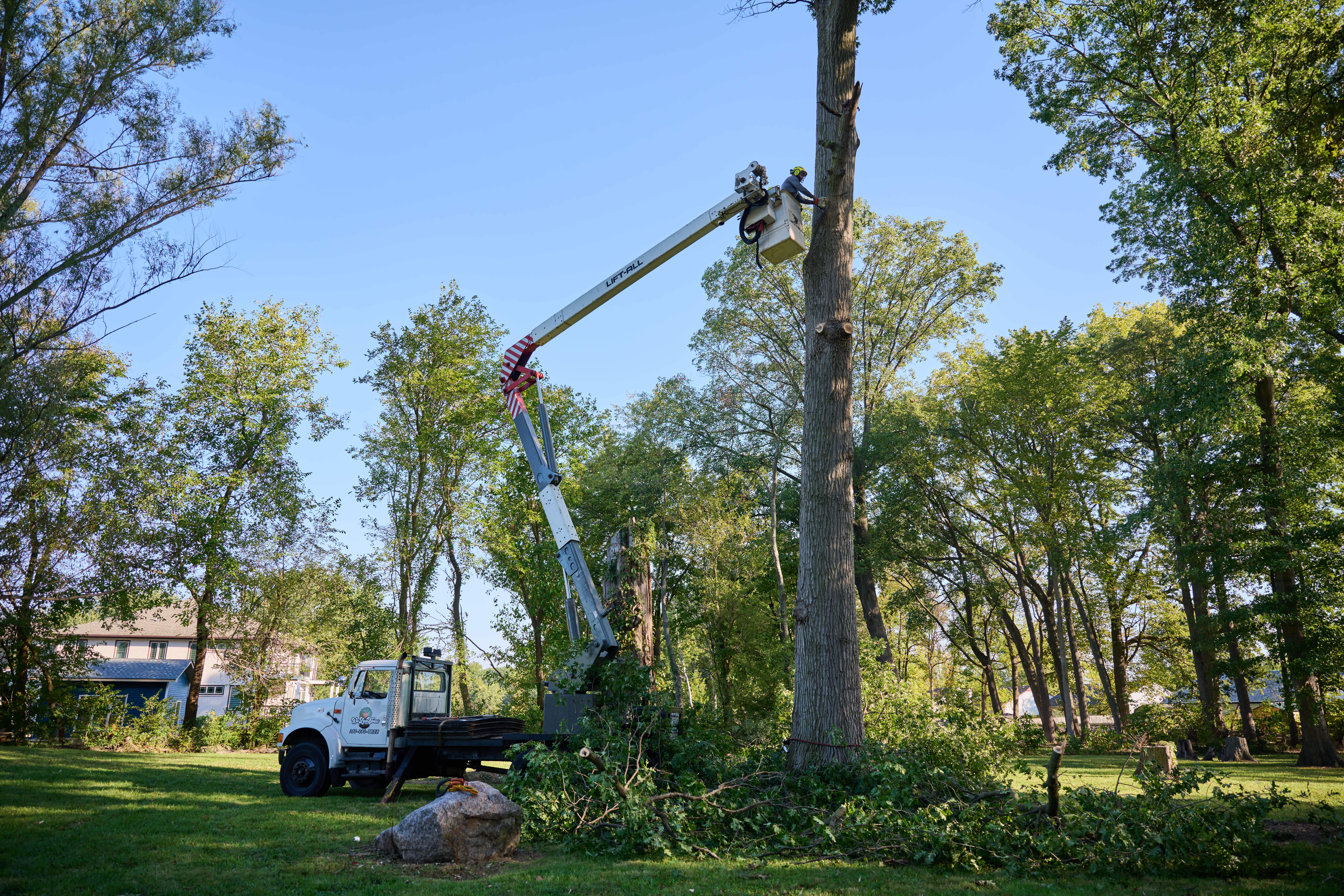
The most significant factor in tree removal costs is the amount of debris. Read on to learn more about the average tree debris removal costs in Portland, OR.
Tree service costs depend on your project and location. Check with a local pro for your specific job.

Homeowners can expect to pay more for tree removal in Portland due to the city's higher cost of living and labor rates.
Large trees are prevalent in Portland, and can cost thousands of dollars to remove.
Tree removal pros in Portland cost between $65 to $250 per hour, depending on their experience and the job's complexity.
Higher cost of living and labor rates make tree removal in Portland, Oregon, more expensive for homeowners than in other areas. The average tree removal cost in Portland is around $791, but it can range from $211 to $2,108. Factors such as the tree's size, species, and accessibility will determine the project’s cost. Portland is also known as “The Forest City”, and larger species of trees are prevalent throughout the area and are much more costly to remove.
Tree removal costs in Portland, Oregon, drastically vary depending on the tree’s species, size, and condition. Large native trees, such as the Douglas Fir and Western Red Cedar, can reach heights of 200 feet or more. Tall, bulky trees are much more challenging to remove, which will increase the cost. Accessibility will also affect the price, as trees in hard-to-access areas will require either specialized equipment or manual dismantling.
Here’s a breakdown of the various factors that affect the cost of hiring a professional to remove a tree from your yard, so you can budget accordingly.
A tree's size affects several main tree removal cost factors—how long it takes to cut down, the accessibility to higher branches, and possible interference from other trees, power lines, or structures. For example, take a look at the primary tree removal price ranges by size:
| Tree Size | Average Cost |
|---|---|
| Up to 30 feet | $150–$450 |
| 30–60 feet | $450–$1,200 |
| 60–80 feet | $800–$1,500 |
| Over 80 feet | $1,000–$2,000 |
The price tends to increase once the tree grows over 80 feet high. At this stage, your team will need to bring in a crane to access its branches, which will cost about $500, including the truck rental and additional staff.
Also, keep in mind that trees get wider with age, making the diameter of their trunk more difficult and take longer to cut. In many species, branches and root systems also expand quite far in either direction, adding up to a possible multi-day project to safely remove the tree from the area without affecting other utilities.

Some trees can grow to a very stately 100 feet tall or more. American ash, bur oak, and maple are considered to be more difficult to remove than others, and therefore, removing them costs more. Here are the costs for various types of tree removal:
| Type of Tree | Average Removal Cost | Important Details |
|---|---|---|
| Oak | $200–$2,000 | Some states forbid the removal of these heritage trees |
| Douglas Fir | $500-$4,500 | The official state tree of Oregon that can grow over 300 feet tall |
| Western Red Cedar | $200-$4,500 | Native evergreen tree found throughout Oregon that reaches heights of up to 200 feet tall |
| Japanese Knotweed | $2,000–$10,000 | Highly invasive shrub, some states prohibit their possession |
| Aspen | $1,000–$1,800 | Enormous poplar tree, have complex root systems |
| Pine | $250–$1,500 | Older pine trees may have a tap root buried in the soil, requiring specialist removal |
| Palm | $650–$1,500 | Extremely heavy, expensive to remove |
| Maple | $250–$2,000 | Can grow 100 feet high and have large branches |
| Ash | $250–$1,800 | Striking leaf colors in Autumn, can reach 80 feet in height |
| Cedar | $250–$1,500 | False cedars are common in North America while “true” cedars are native to places with high altitudes |
Most of the time, you aren’t going to want to keep the tree stump after the tree is removed. Removing a tree can also leave behind a trail of branches, bark, leaves, and the tree itself. The company might haul away your tree for about $70, put it through a chipper for an average cost of $95, or split it into firewood for your home at about $70.
If the tree is in a tight space and hard to access, you can expect to pay an additional 25% to 50% for removal. So if the tree is located in a backyard with limited space, it will be more costly than the average price. The cost can exceed over $2,000 for trees located near power lines, due to the need for specialized methods and safety hazards.
Hiring a tree removal pro in Portland, OR can cost anywhere from $65 to $250 per hour, depending on the type of pro you hire and their experience. For example, the hourly rate for a tree climber is between $65 to $140, while a certified arborist can charge between $100 to $250 per hour. If the tree is diseased, dead, or poses a safety hazard, they will take that into consideration before advising the best method for removal.
Removing sick or dead trees can increase your home's value by reducing safety risks and boosting curb appeal. Portland's wet climate encourages pests and tree diseases, such as Dutch Elm disease, which can spread to other trees.
An arborist can advise you whether removing a tree is the right choice, as removing a healthy tree may actually decrease your property's value. Always consult a pro to ensure the best decision for your home and its resale value.
To help homeowners plan their next project, Angi provides readers with carefully researched cost data and upholds strict editorial standards. We start with national average project costs, which we collect by analyzing competitor information, retailer material costs, and input from professional contractors. We then apply local price index data to calculate location-specific estimates that reflect what homeowners typically pay in their local area. To do that, we use data from the U.S. Bureau of Economic Analysis (BEA), including its Regional Price Parities (RPPs), which measure price differences across cities. This helps us account for differences in labor, materials, and overall cost of living, so estimates in higher- or lower-cost areas better reflect real-world local pricing.
Every estimate undergoes a thorough editorial review to verify accuracy, consistency, and alignment with observed market conditions.
Want to help us improve our cost data? Send us a recent project quote to [email protected]. Quotes and personal information will not be shared publicly.
Highly recommended! Everyone from Arbor Viking that we interacted with was friendly, knowledgeable, hard working, and eager to please. We were happy with the value we received for the very reasonable price. They did a good job on our large trees and small fruit trees, and had good ideas to...
 Arbor Viking Northwest LLC
Tree roots backed my sewer up into the basement. I wish I would have called Clogbusters first. Their customer service went above and beyond, with Tom answering questions to help me navigate the options along the way. He was respectful of my anxiety and helped me understand with strait forward...
 Clog Busters LLC
Great service! We had several trees leaning that could damage our home. I reached out on the weekend and they completed the job only in a few days!I thought it was going to take weeks. Very kind, professional and timely. Highly recommend!
 Natural Wonders Tree Service, LLC
Carlos from Pacific Time Trees arrived on time and was thoroughly professional. I explained that the tree which fell needed to be cut into pieces and then the pieces were to be distributed around my naturescaped garden to provide food and shelter for birds, bugs and other critters. He set...
 Pacific Time Trees LLC
I am a certified Arborist who regularly subcontracts with Jepson Arbor Specialists. Jepson provides exceptionally professional, friendly, and informed tree care with the highest standards of punctuality and safety in mind. Jepson is well equipped to handle any project you have in mind for...
 Jepson Arbor Specialists, LLC
Steven Beacock came out right away, gave me a reasonable quote for trimming back a large walnut tree and had the job done in one day. Heâ s very communicative,friendly, and cleans up after himself. I would gladly hire Hosanna tree again.
I had an overall great experience with Tree Masters from scheduling an estimate with the friendly staff, to the professional crew that came out to perform the work.
 Tree Masters, Inc.
Portland Tree Care came in at the most reasonable price out of 3 bids. Jacob was punctual and efficient. and left the yard free of debris. We will use them again. for other projects.
 Portland Tree Care, LLC
I couldn’t be more happy! I had two fir trees trimmed, and Green Sky Tree Services was amazing. JC responded quickly, walked me through what he was going to do, showed up when planned, did a skillful, thoughtful job -and what a great clean up! So impressed. JC even asked if I wanted any of...
Monkey Tree Service workers who came to our house were exceptionally professional, courteous and efficient. The gentleman who was shown the trees and bushes that needed to be trimmed asked the right questions and offered appropriate advice. Unlike other contractors, the estimates were...
 Monkey Tree Service, LLC
From average costs to expert advice, get all the answers you need to get your job done.
The most significant factor in tree removal costs is the amount of debris. Read on to learn more about the average tree debris removal costs in Portland, OR.
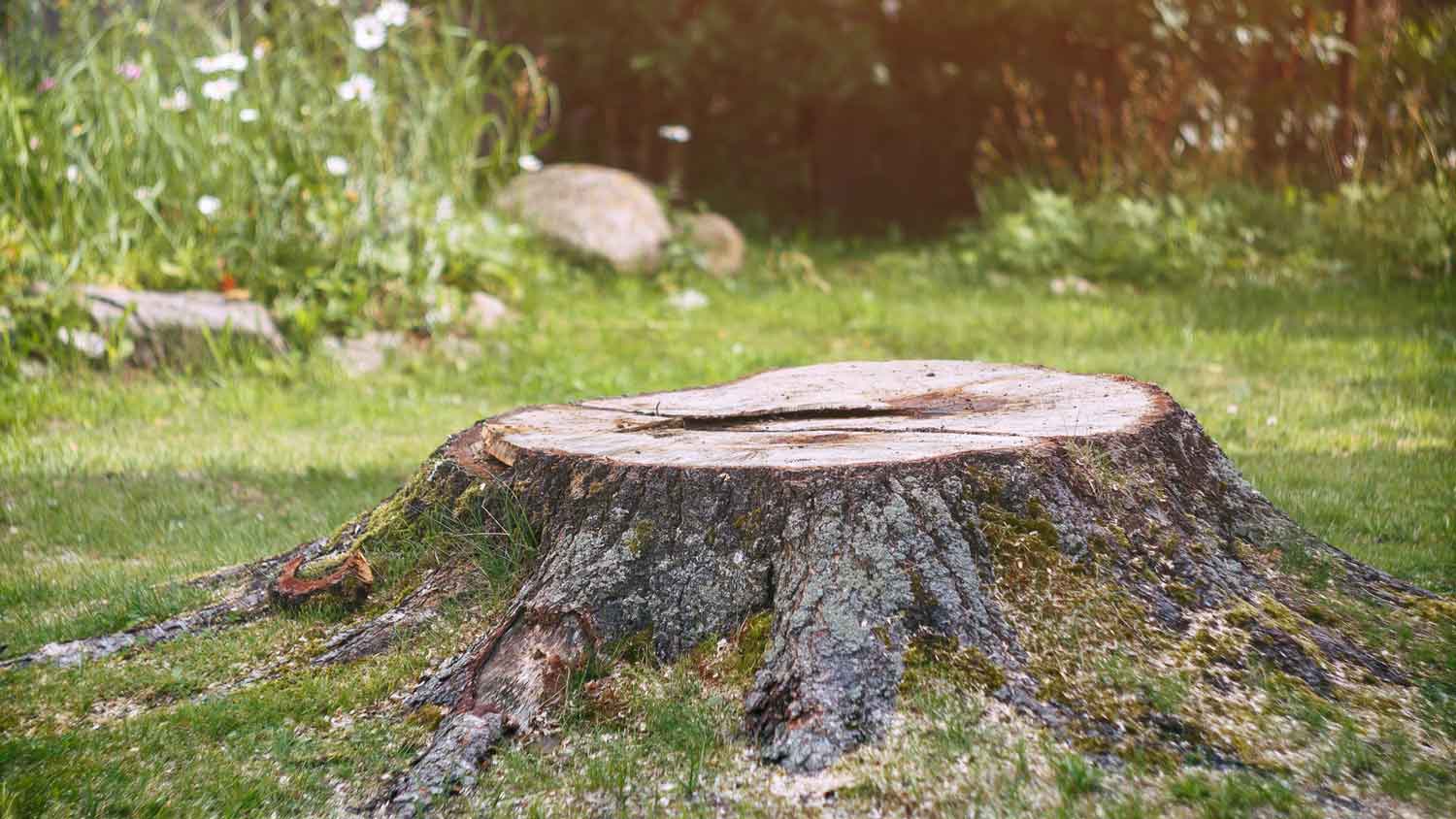
Wondering about the average tree stump removal cost in Portland, OR? Learn what you can expect to pay for local extraction services to clear your yard today.
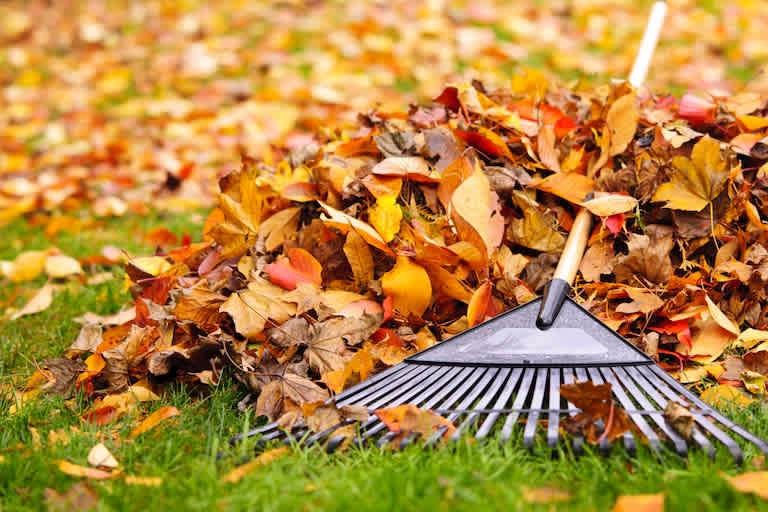
Find out the average leaf removal cost in Portland, OR. Learn what to expect to pay for local yard clean-up services and get your lawn ready for winter.
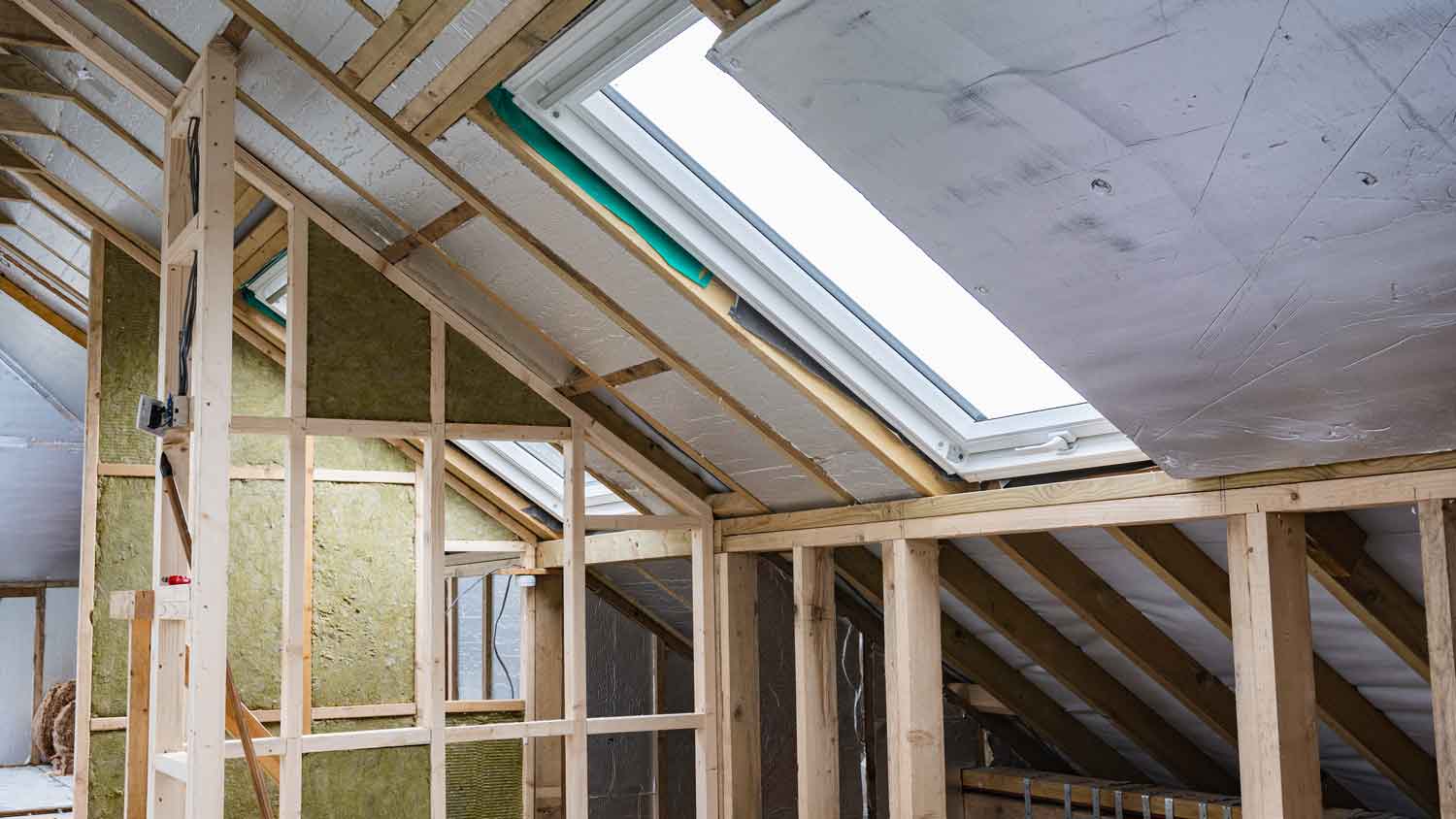
Asbestos removal costs vary based on location, the size of the job, and if there is any underlying damage. Learn what has the biggest effect on the cost in Portland, OR.
Find out the average snow removal cost in Portland, OR. Learn what you can expect to pay for local clearing services and keep your driveway safe this winter.
Expect your weed removal service cost in Portland, OR to depend on the size of your yard, the type of treatment, and the severity of the infestation.