

The cost to pump a septic tank in Baltimore, MD, depends on a variety of factors, including the tank’s size, frequency, and seasonality.
Septic tank service costs depend on your project and location. Check with a local pro for your specific job.

Washington, D.C., has a much higher cost of living than the national average, which affects the total costs of vital services like septic tank pumping. D.C. homeowners report paying between $260 and $437, or $336, on average. Your cost to pump your septic tank in Washington, D.C. will increase if you have a large tank, if the tank is hard to access, or if you’re in need of additional maintenance or repairs.
The most important cost factors of septic tank pumping in Washington, D.C., are tank size, pumping frequency, seasonality, and location.
Pumping a 600-gallon septic tank—like a small septic tank for one toilet—may cost as little as $150, while pumping a 2,000-gallon septic tank may cost $1,250 or more. The most common septic tank sizes, however, are the more moderately sized ones, averaging between 1,000 and 1,500 gallons.
Here’s a breakdown of septic tank pumping costs by size:
| Septic Tank Size (Gallons) | Average Cost |
|---|---|
| 750 | $175–$550 |
| 1,000 | $250–$550 |
| 1,250 | $300–$600 |
| 1,500 | $345–$650 |
| 1,750 | $400–$1,250 |
Tanks with high usage will require more frequent pumping. For example, if you frequently use large amounts of water, put food down the garbage disposal, or host parties with lots of guests, you’ll need to pump your septic tank more often. On the other hand, larger septic tanks take longer to fill and therefore require less frequent pumping.
The cost of septic tank pumping can rise sharply when property owners fail to have their tanks pumped every three to five years.
Regardless of the type of septic system you have, not pumping it on schedule will cause solids to accumulate until the tank's holding capacity is depleted, leading to a clog. On average, septic tank repairs cost $1,800, but they can range from $630 to $3,050, depending on the severity of the issue.
Tanks should be pumped more frequently in larger households. Pumping should also be more frequent if your home has a garbage disposal, you entertain frequently, or you often dump harsh cleaning solutions down your drains.
Tanks should be pumped more frequently in larger households. Pumping should also be more frequent if your home has a garbage disposal, you entertain frequently, or you often dump harsh cleaning solutions down your drains.
Here’s how often you should pump your septic tank based on its size and how big your house is:
| Septic Tank Size (Gallons) | Number of Bedrooms | Pumping Frequency (Years) |
|---|---|---|
| 500 | 1 | 5 |
| 750 | 2 | 5 |
| 1,000 | 3 | 3 |
| 1,250 | 4 | 3 |
| 1,500 | 5 | 2–3 |
| 1,750 | 6+ | 2 |
During certain times of year, especially in areas with harsh winters, demand for septic tank services fluctuates, leading to varying prices.
We don’t recommend booking a septic tank pumping in the winter months if your area gets heavy snow and ice. Frozen ground and slippery conditions make it more difficult for pros to access your tank, increasing labor and equipment costs.
Spring is the most popular time for homeowners to get their septic systems pumped and checked. The increased demand can cause prices to spike. If your tank isn’t too full, consider booking in the summer or early fall, when demand is lower.
If your septic tank is located in a hard-to-reach area, such as under a deck or on uneven terrain, it can make the job more challenging and expensive. Similarly, tanks that are buried deeper underground require more effort to uncover and pump, so it’s a good idea to budget for a higher pumping fee.
According to data from Angi customers, most homeowners (32.9%) have a pro clean their septic tank every one to four years. However, 24.5% of homeowners don’t know how often they get their septic tank cleaned. If you don’t know the last time your system was cleaned, reach out to a septic company ASAP.
Septic tank pumping is just one of the costs associated with properly maintaining a home’s septic system. Here are some additional services and ongoing expenses that are often associated with septic tanks:
| Service | Average Cost |
|---|---|
| Overflow cleanup | $7–$15 per sq. ft. |
| Inspections | $300–$650 |
| Maintenance | $150–$700 |
| Tank cleaning | $300–$700 |
| Clog removal | $350–$1,000 |
| Field aeration | $1,000–$20,000 |
| Septic tank additives | $200–$300 |
While the average price for a sewer line inspection is $450, homeowners can expect to pay anywhere from $200 to $600. Using a camera to inspect a sewer line, a plumber will look for issues that could lead to costly repairs down the road. Some of the red flags a sewer line inspection can uncover include line breakage, embedded objects, tree roots, and rocks.
The average cost of septic tank repairs is $1,800. Clog removal is the most common septic tank repair because objects can easily get down a drain. The most common method for resolving a septic tank clog is to use an auger to reach the clog.
Homeowners may not realize there's a clog until they notice telltale signs, such as slow-draining sinks, standing water near the tank, foul odors, gurgling sounds in the plumbing system, or water and sewage bubbling from toilets, drains, and sinks.
While septic tank pumping is needed every three to five years, annual tank inspections and maintenance can help detect issues before they worsen. The maintenance technician can also let you know when it's time to pump. Septic tank maintenance costs range from $150 to $700 per year.
Aeration is the process of upgrading a septic system without actually doing a major update. This process costs between $1,000 and $20,000 and revives sluggish septic systems without replacing the full leach field. It turns your system from an oxygen-free anaerobic system to an oxygen-rich aerobic environment.
Yard cleaning is necessary if sewage from a septic system spills into the grass. While some people prefer to handle the mess by using bleach and water to disinfect the area, others hire professional yard cleaners to restore the area's hygiene and get rid of the septic smell outside. Lime is also frequently used to quickly break down sewage. Outdoor sewage cleanup costs an average of $7 to $15 per square foot.
While the average cost to clean a septic tank is $500, cleaning costs for large tanks can run closer to $700.
There are other costs to consider when setting your budget to hire septic tank services in Washington, D.C. You’ll pay more if you need pumping in a very dense, urban area, if the tank contains large amounts of oil or grease, or if you add extra services like baffle inspections or filter cleaning.
Septic tank pumping is faster and easier when there’s lots of room for the crew to work. If you’re located in a denser, more urban area of the Capitol, it will take longer and cost more to have your septic system pumped.
If your septic system is clogged with fats, oils, and grease, it will make your septic team’s job harder. Expect to pay a higher service fee if your tank is in this condition—up to $1,000 depending on the severity.
Filter cleaning, baffle repairs, or effluent filter replacement are key steps to maintaining your septic tank, but they usually won’t be included in your baseline pumping cost. Expect to pay $200 to $900 more to have these services performed.
Landscapers can restore the area around your septic tank, helping to beautify the property. Expect to pay a Washington, D.C. landscaper $1,200 to $4,500 for post-pumping restoration. If you’re dealing with backups, clogged drain lines, or other sewage issues, you’ll need a plumber to help fix them. Plumbers in Washington, D.C. charge $100 to $250 per hour.
You won’t see a direct return on investment (ROI) after septic tank pumping. But regardless, would-be homebuyers expect septic systems to be properly maintained and in good working order. Septic tanks have a long lifespan when properly cared for, which can help make your home an easier sell, even if it doesn’t directly increase property value.
Home is the most important place on earth, which is why Angi has helped more than 150 million homeowners transform their houses into homes they adore. To help homeowners with their next project, Angi provides readers with the most accurate cost data and upholds strict editorial standards. We survey real Angi customers about their project costs to develop the pricing data you see, so you can make the best decisions for you and your home. We pair this data with research from reputable sources, including the U.S. Bureau of Labor Statistics, academic journals, market studies, and interviews with industry experts—all to ensure our prices reflect real-world projects.
Want to help us improve our cost data? Send us a recent project quote to [email protected]. Quotes and personal information will not be shared publicly.
Rema was fantastic. It was a tricky job replacing a water heater tank in a cramped space, and Rema both helped guide us to the right approach plus handled the install and removal of the old unit flawlessly. We'll hire Remedy again for future projects!
 Remedy Plumbing and Drain Cleaning
Install and replaced the hot water tank
Well after having oil heat for my old historical house for 55 years, I decided to get rid of the carbon fuel Removing the oil tank was the second phase of conversion. It was a solid iron above ground, but under back porch. Probably 90 years old. Solid. Pre- removal planning was seamless....
Tony and his team were very thorough in explaining septic location and pumping process. They did a fantastic job! Our septic tank is clean as whistle.
 JCI Environmental
They are our first call when anything malfunctions. They are knowledgeable, fast, and friendly! Last summer (July/August 2019), our A/C fan broke during a 90+-degree heat wave and our water heater was leaking and no longer working efficiently. 1 Stop Mechanical responded promptly and was able...
 1 Stop Mechanical Inc
Washington Home Doctors (Earl) is great. He recommended taking a less expensive, conservative repair approach with my hot water tank which worked out well. Saving me hundreds of dollars. This gained my trust and I have now used him on other projects across multiple properties. He's...
 HotWaterExpress.com, Inc.
i have change my water tank and the boiler had to be re caliber . i have a triangle tube boiler and not to many people know how to work on them. stone service is on their website and did a great job.
Service and communication were very prompt. However, $450 to snake a drain should have included myself NOT being necessary to assist in the snaking and a cleanup of the mess of septic liquids left on the floors. Fast service, good communication, but poor value for the money
 Nelson Plumbing & Construction, LLC
Phil was great! Knowledgable and really did a nice job explaining how the septic system operated. I would hire him again without a doubt.
Steve cleared my house and found no leaks. He replaced my sump pump, after finding it dead. He charged $388.50 for the two visits to discover leaks and replace the sump pump. His associate, on a previous visit, replaced my expansion tank and put in the water line at a fraction of the prices I...
From average costs to expert advice, get all the answers you need to get your job done.
The cost to pump a septic tank in Baltimore, MD, depends on a variety of factors, including the tank’s size, frequency, and seasonality.

Find the average septic system repair cost in Washington, D.C. Learn what you can expect to pay for local septic tank services and keep your plumbing safe.
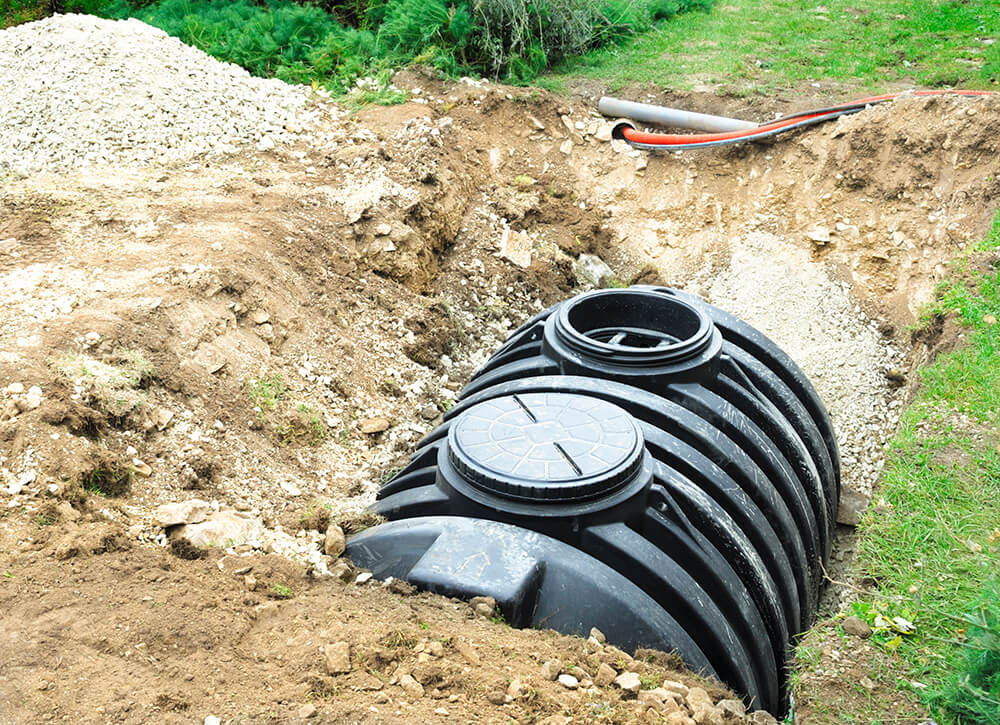
How much does a septic system cost in Washington, D.C.? Explore impacting factors, important add-ons, and how you can save money on septic system installation in Washington, D.C.

In order to function properly, your septic tank needs to be regularly inspected and emptied. How often you should get your septic tank inspected depends on a few factors.

Sludge buildup in a septic tank is natural, but it needs to go somewhere eventually. Learn what to put in a septic tank to break down solids efficiently.

Caring for your septic system properly can mean the difference between paying a few hundred dollars and paying thousands of dollars for a replacement.