
•
Find out the average junk removal cost in Denver, CO. Learn what you can expect to pay for local hauling services and get your home clutter-free today.
Concrete leveling costs depend on your project and location. Check with a local pro for your specific job.

Mudjacking in Denver costs $200 to $3,000, depending on the project scope.
Denver homeowners can expect to pay an average of $4 to $8 per square foot for mudjacking.
Structural repair, such as foundation mudjacking, costs $1,000 to $3,000.
Labor rates for mudjacking in Denver are $75 to $150 per hour.
The return on investment (ROI) on mudjacking in Denver is 70% to 90%.
Average mudjacking costs in Denver, Colorado, range from $626 to $1,622, with most homeowners spending around $1,095. In Denver, where homes range from historic neighborhoods like Capitol Hill to newer development across the metro area, the cost of mudjacking can vary. The major cost factors include your property’s soil conditions, the size of the concrete slab, and any damage caused by freeze-thaw cycles common along the Front Range.
How much you’ll pay for mudjacking in Denver, Colorado, depends on a variety of factors, including soil conditions, concrete slab size, and mudjacking method. Here’s a closer look at how your total breaks down.
The size of your concrete slab is one of the biggest factors affecting the cost of mudjacking. Most mudjacking companies charge by the square foot, with rates ranging from $4 to $8 per square foot. Larger areas require more material and labor, which increases the total price.
Small jobs may be subject to a minimum charge—often around $500—even if the area is less than 100 square feet. Conversely, some companies offer discounts for large projects, such as a sinking garage floor, covering several hundred square feet.
Here’s how slab size affects the average mudjacking project cost:
| Slab Size (Sq. Ft.) | Average Cost | Cost per Sq. Ft. |
|---|---|---|
| 50 | $250–$400 | $5–$8 |
| 100 | $400–$800 | $4–$8 |
| 250 | $875–$1,500 | $3.50–$6 |
| 500 | $1,500–$3,000 | $3–$6 |
| 800 | $2,400–$4,800 | $3–$6 |
There are two distinct methods for mudjacking. Mudjacking uses a slurry of sand, soil, cement, and water. The type and amount of material required depend on the slab's size and how much lift is needed. Though higher-quality mixes and additives increase costs, most standard projects use a basic slurry.
Polyjacking, an alternative method, uses polyurethane foam, which is more expensive but provides lighter, longer-lasting lift. Here’s a look at material costs for mudjacking projects:
| Material Type | Average Cost | Description |
|---|---|---|
| Mudjacking slurry | $150–$450 | Standard sand, soil, cement, water mix |
| Polyurethane foam | $400–$1,000 | Used in polyjacking; higher upfront cost |
Mudjacking can be used on a variety of concrete surfaces. Common projects include sidewalks, driveways, patios, garage floors, foundations, and pool decks.
Each surface type brings its own cost range, mainly due to differences in slab size, thickness, and accessibility. For example, sidewalks and patios are often smaller, resulting in lower overall costs, whereas driveways and foundations are larger and require more materials and labor.
Compared to polyjacking, which uses polyurethane foam instead of a slurry, mudjacking is less expensive up-front but doesn’t last as long. Here’s how average costs break down by mudjacking project type:
| Project Type | Average Cost | Square Footage |
|---|---|---|
| Sidewalk | $200–$500 | 50–150 |
| Driveway | $600–$1,200 | 200–600 |
| Patio | $300–$700 | 100–300 |
| Garage floor | $500–$1,200 | 150–400 |
| Foundation | $1,000–$3,000 | 200–800 |
| Pool deck | $700–$1,300 | 150–500 |
Proper site preparation is essential for a smooth mudjacking process. This includes clearing the area, moving outdoor furniture or vehicles, and cleaning the slab surface. If your site is hard to access, has landscaping in the way, or requires debris removal, you may face additional prep charges.
Complex layouts—such as curved paths or tight spaces—can also increase prep time and cost. Some companies charge extra for removing shrubs, decorative rocks, or old concrete before starting the job.
In addition to the materials needed for mudjacking, Denver homeowners should account for local labor rates, tipping, permits, insurance, and other location-specific expenses that affect the total project cost. Here’s a closer look at the costs for mudjacking professionals in Denver to help you plan your budget.
Labor rates for mudjacking range from $75 to $150 per hour, or a flat fee based on project size and complexity. Mudjacking should be performed by skilled professionals, such as concrete contractors or foundation specialists.
Labor costs vary by region. Urban areas with high demand may have higher rates, while rural regions tend to be more affordable. Experience, project difficulty, and accessibility also factor into final labor pricing. Because the process requires specialized equipment and precise pressure control, hiring a pro is recommended over DIY mudjacking for lasting results.
Tipping is not required for mudjacking crews, but it’s always appreciated for excellent service. If you wish to tip, $10 to $20 per crew member is a thoughtful gesture. Alternatively, offering cold drinks, leaving a positive online review, or simply saying thank you can show your appreciation for a job well done.
Permit requirements for mudjacking in Denver depend on project scope and whether the work affects structural elements or public property. Small residential slab-leveling projects, such as lifting a patio, sidewalk, or driveway on private property, typically do not require a permit.
Larger repairs involving foundation slabs, significant grading, or work that impacts the public right-of-way may require a permit. Denver permit costs for residential projects that require approval usually range from $100 to $250, and inspections may be required for code compliance.
In Denver, leveling uneven or sunken concrete with mudjacking can deliver a strong return on investment (ROI). Properly executed mudjacking enhances safety, restores outdoor functionality, and boosts curb appeal, all factors that Denver buyers pay closer attention to.
By restoring level, usable surfaces and avoiding the higher cost of full slab replacement, concrete leveling projects like mudjacking can often recoup 70% to 90% of their cost. The combined benefits of improved safety, functionality, and appearance may translate to a similar or slightly higher ROI when preparing a property for sale.
Home is the most important place on earth, which is why Angi has helped more than 150 million homeowners transform their houses into homes they adore. To help homeowners with their next project, Angi provides readers with the most accurate cost data and upholds strict editorial standards. We survey real Angi customers about their project costs to develop the pricing data you see, so you can make the best decisions for you and your home. We pair this data with research from reputable sources, including the U.S. Bureau of Labor Statistics, academic journals, market studies, and interviews with industry experts—all to ensure our prices reflect real-world projects.
Want to help us improve our cost data? Send us a recent project quote to [email protected]. Quotes and personal information will not be shared publicly.
The job was done beautifully and with high integrity. These people know concrete! I have had concrete jobs before but never with this kind of attention to detail. the work is excellent and highly recommend this group.
 Merit Construction
Great service i am happy with Job that got done. I definitely recommend Flacos Concrete, I will be using them for future projects.
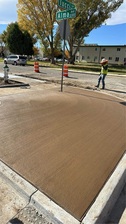 Flacos Concrete LLC
I recently had my driveway extended and couldn’t be happier with the results. The crew was professional, on time, and paid close attention to detail. The concrete finish came out smooth and clean, and the new extension blends perfectly with the existing driveway. They kept the job site...
 HMC Concrete LLC
I am very pleased with the work done at my home. It was approximately 24 yards of concrete a wrap around sidewalk with a porch concrete extension, floating steps with lights bellow the steps. I love the work, what I love the most is that Jesus paid attention to the grading that the work...
I would highly recommend Gutierrez concrete company. They did some repaving of concrete in a patio, and some rock and drainage issues. They were very punctual, highly responsive to our needs when needed to make adjustments, and did a professional job. They went above and beyond to make us...
Amazing! Just amazing! My garage has been taken to a whole new level with this new flooring and I'm just in love! Not only was Gerald super fast at responding back, but him and his team delivered a beautiful floor in a flash. Customer service was wonderful, answered all of my questions...
 Custom Concrete Coatings of Colorado
Excellent and very professional. The job was done quick and efficient and no settling or cracking in the beautiful patio in our back yard . Would recommend to anyone looking for any concrete work that needs to be done. A+++++
 L&S Concrete LLC
Evers Construction Did an amazing job on my project. I was given a solid quote, which I accepted after several other quotes, which was kept exactly the same on completion. I was given a start date/time, which was met exactly. I was given a completion date, which was kept on the money. The...
 Evers Construction LLC
I called them on Friday afternoon before Memorial Day to schedule a repair/replacement for part of my garage floor. They were here at 8:00 am the following Saturday morning and had the bad section of floor removed and replaced with new concrete by 4:00 pm that same day. They returned to...
R&T were very professional from the quote until finishing the driveway, Would recommend them to anyone needing concrete work done.
From average costs to expert advice, get all the answers you need to get your job done.
Find out the average junk removal cost in Denver, CO. Learn what you can expect to pay for local hauling services and get your home clutter-free today.

How much do movers cost in Denver, CO? The answer depends on a lot of factors, but you can plan your budget with our cost guide.
Mold remediation costs in Denver, CO, can quickly escalate. But if you have mold in your home, mold remediation is worth it.
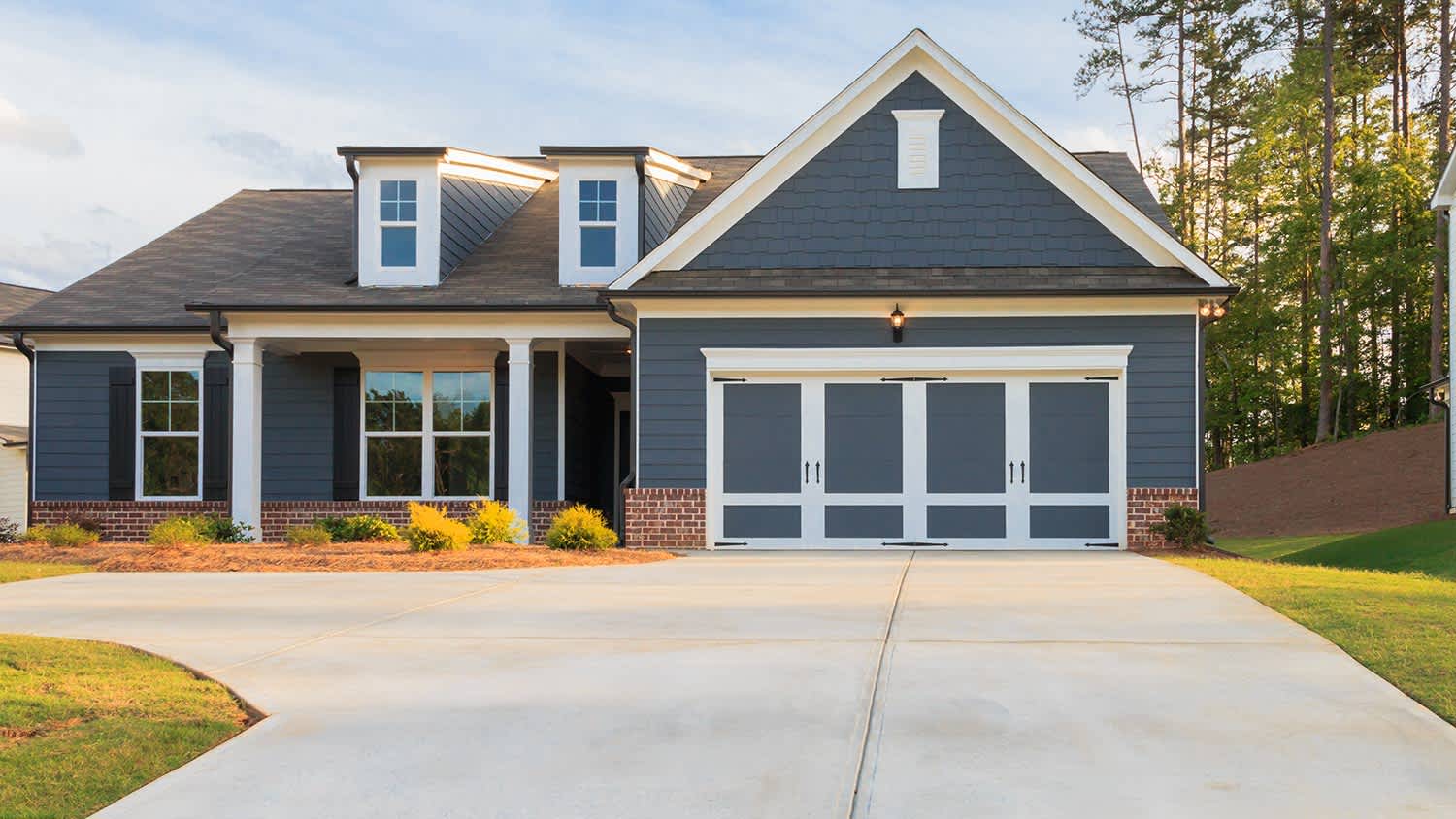
Mudjacking is an affordable fix for sunken or uneven concrete. Learn what mudjacking is and if it’s worth it for your driveway, sidewalk, or patio.
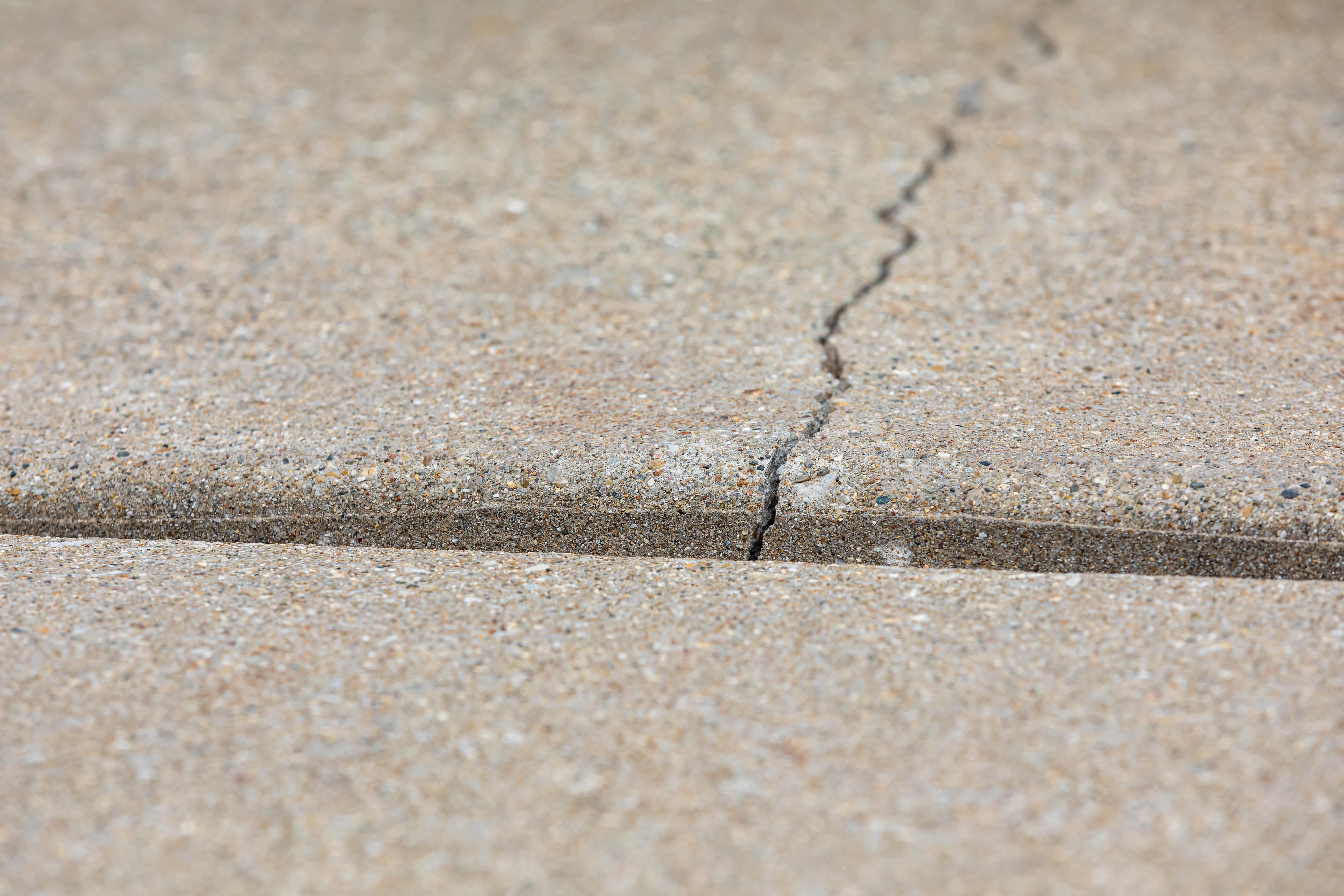
Hiring the right mudjacking pro is key to getting stable, level concrete. Use this guide to learn about mudjacking costs, services, and questions to ask to find the right pro for the job.
Mudjacking is a common method for leveling concrete. Learn how long mudjacking lasts and what factors contribute to its lifespan.