


The cost to paint a house's exterior depends on its size, siding type, and height. The finish and the home's exterior condition also play a role.
Exterior painting costs depend on your project and location. Check with a local pro for your specific job.


Professional brick house painting costs between $3,500 and $10,500, with typical totals around $7,000 for your exterior project.
Your finish choice and regional labor rates impact the final total, with limewashing costing less than standard paint for your home.
You should account for pressure washing services and primer costs when creating your project budget for the exterior work.
Hiring a local exterior painting professional keeps you safe by handling ladder work and ensures even coverage on your rough brick surfaces.
In 2026, the national average cost to paint a brick house is $7,000, with most homeowners spending between $3,500 and $10,500 depending on house size, finish type, and regional labor rates. Project costs can range from as low as $2,000 to as high as $13,000, with factors like primer needs, pressure washing prep, and your choice of limewash versus standard paint driving the spread.
What you pay to paint a brick house depends heavily on where you live, since materials, labor, and equipment costs all shift by state and city. In Hawaii, for example, costs can reach as high as $13,000, while the high end for the same project in Tennessee is around $8,000.
Painting your home often requires getting on a ladder, which can be dangerous. Have a friend hold you steady or entrust the job to a painting professional to ensure your safety.


The costs to paint a brick house break down into three categories: materials, labor, and pressure washing.
Painting a brick house requires one gallon of primer and one gallon of paint for every 250 square feet, with primer running $7 to $15 per gallon and paint averaging $30 to $70 for a gallon, adding up to $370 to $850 in materials for a 2,500-square-foot home. If you plan to DIY, budget an additional $100 for supplies like trays, brushes, tape, drop cloths, and caulk.
Before shopping, it helps to browse brick stain colors and paint options, since your final cost will shift based on the specific type and brand you choose.
Professional labor to paint a brick house runs $150 to $350 per hour, though rates vary between contractors. That hourly rate covers planning, preparation, removal of any existing paint, caulking of edges and gaps, setup, and cleanup.
Most painting contractors will pressure wash your brick exterior before applying any paint, and you should expect to pay an additional $35 to $100 for that service when hiring a professional.
When painting a brick exterior, you have several finish options that differ in appearance, technique, and cost.
A standard paint coating for a brick exterior averages $7,000, making it the baseline option for most homeowners. Keep in mind that painted brick fades over time and becomes susceptible to chipping, so experts recommend repainting every seven to 10 years.
Whitewashed brick costs $2,225 to $4,000 for a 2,500-square-foot home and delivers a rustic or vintage look by applying diluted white paint that lets the brick's natural texture show through.
Limewashing a brick house averages $2,000 and involves applying a thin layer of chalky paint made from water, hydrated masonry lime, and salt directly to the brick facade. Some homeowners choose to leave portions of the original brick exposed for a more textured, layered look.
German Schmear costs $1,500 to $3,000 and applies a white wash over dark-colored brick to create a textured, old-world finish. It can be a good fit for DIYers with time to spare, though it cannot be applied over brick that has already been painted or varnished.
Painting a brick home costs $1.40 to $4.20 per square foot, which works out to $3,500 to $10,500 for 2,500 square feet of brick exterior, or about $7,000 on average. Costs by house size break down as follows:
| House Size | Cost to Paint Brick Siding in 2026 |
|---|---|
| 1,000 sq ft | $1,400–$4,200 |
| 1,500 sq ft | $2,100–$6,300 |
| 2,000 sq ft | $2,800–$8,400 |
| 2,500 sq ft | $3,500–$10,500 |
| 3,000 sq ft | $4,200–$12,600 |
| 3,500 sq ft | $4,900–$14,700 |
Prices could also depend on how many coats of paint a house needs. In most cases, you can expect to pay your painting contractor a 20% to 30% deposit upfront, although when to pay a painter varies by company.
Painting a brick house costs $3,500 to $10,500, with a national average of $7,000, while staining brick exterior costs $1,200 to $10,000 on average, or $1 to $4 per square foot. Painting tends to run slightly higher, though local labor rates, the condition of your brickwork, and the size of your home will all influence the final cost of either approach.
Painting is something that any handy homeowner can do, but when it comes to painting the exterior of a home, especially with a rough siding material like brick, hiring a local exterior painter is ideal. Pros can use sprayers and scaffolding that save a lot of time, and although you’d save an average of over $6,000 doing the work yourself, hiring an expert will result in better curb appeal.
There are a few important benefits you’ll enjoy when you hire a pro that can easily make the investment in labor a worthwhile one.
Pros can use sprayers that ensure even coverage, which is hard to achieve with brushes and rollers on rough surfaces, like brick and mortar.
Getting up on a ladder or your roof to paint siding on the second story is dangerous, so hiring an expert will reduce the risk of injury.
Experts can assess your siding for any necessary repairs, like repointing, that would help keep your home better protected and add more to curb appeal.
A professional exterior paint job will almost always look better, adding more to your home’s appearance and even your property value.
Ask your professional if they’ll conduct a moisture test to ensure your brick is in good enough condition to paint.
Let your pro know about any add-on services you want, like painting services for exterior trim or railings.
Talk to your pro about a warranty and ask how they’ll handle issues if they crop up in the future.
Ask your professional about maintenance requirements and tips for getting the most long-term value from the work.
Home is the most important place on earth, which is why Angi has helped more than 150 million homeowners transform their houses into homes they adore. To help homeowners with their next project, Angi provides readers with the most accurate cost data and upholds strict editorial standards. We extensively research project costs to develop the pricing data you see, so you can make the best decisions for you and your home. We rely on reputable sources, including the U.S. Bureau of Labor Statistics, academic journals, market studies, and interviews with industry experts—all to ensure our prices reflect real-world projects.
Want to help us improve our cost data? Send us a recent project quote to [email protected]. Quotes and personal information will not be shared publicly.
Custom Paint Jobs LLC took our exterior from drab to fab! We couldnt be happier.
 Custom Paint Jobs, LLC
From average costs to expert advice, get all the answers you need to get your job done.
The cost to paint a house's exterior depends on its size, siding type, and height. The finish and the home's exterior condition also play a role.
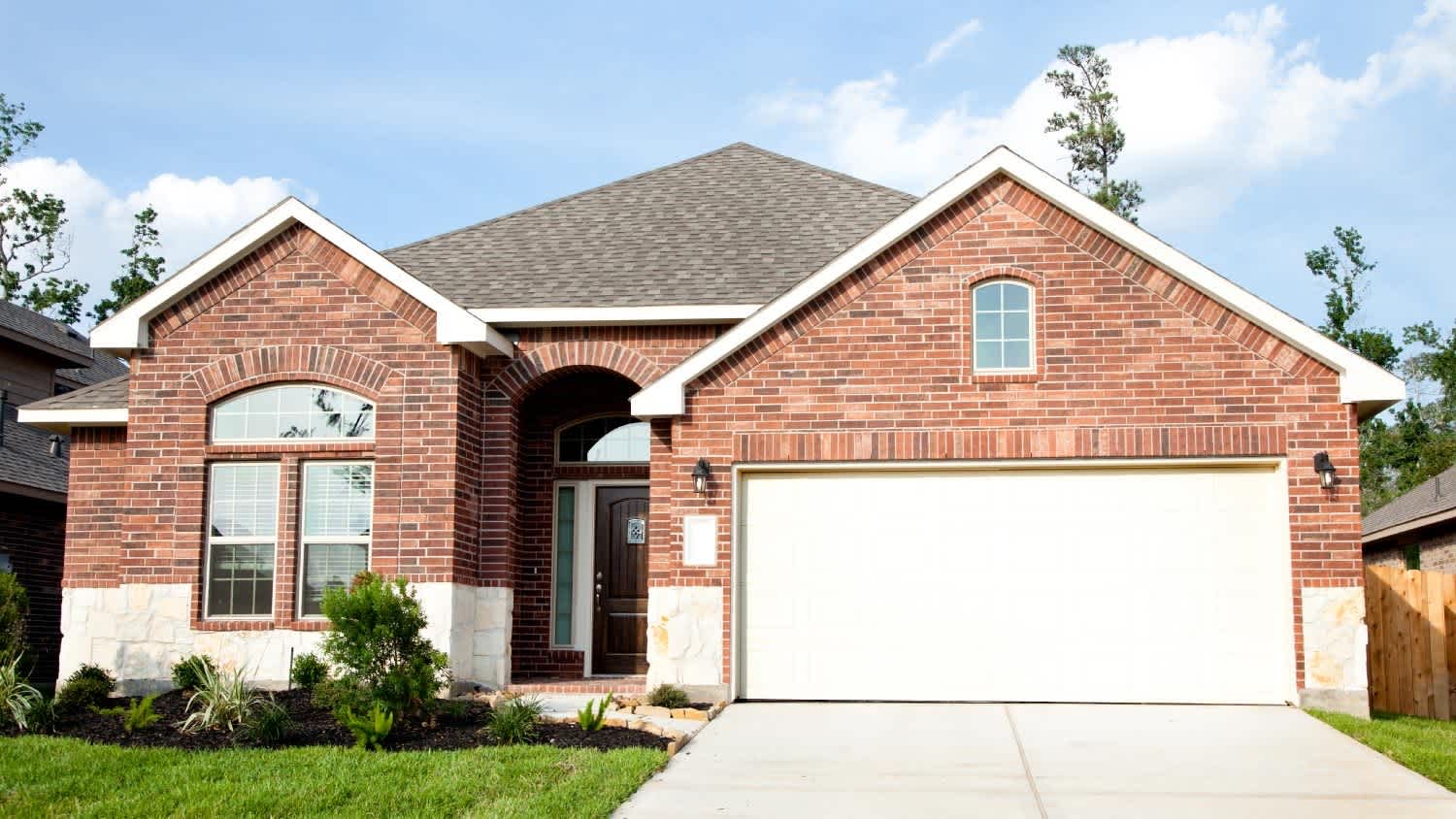
The cost of materials and labor all factor into your overall brick staining cost, but what other factors impact the bottom line? Our guide covers this and more.
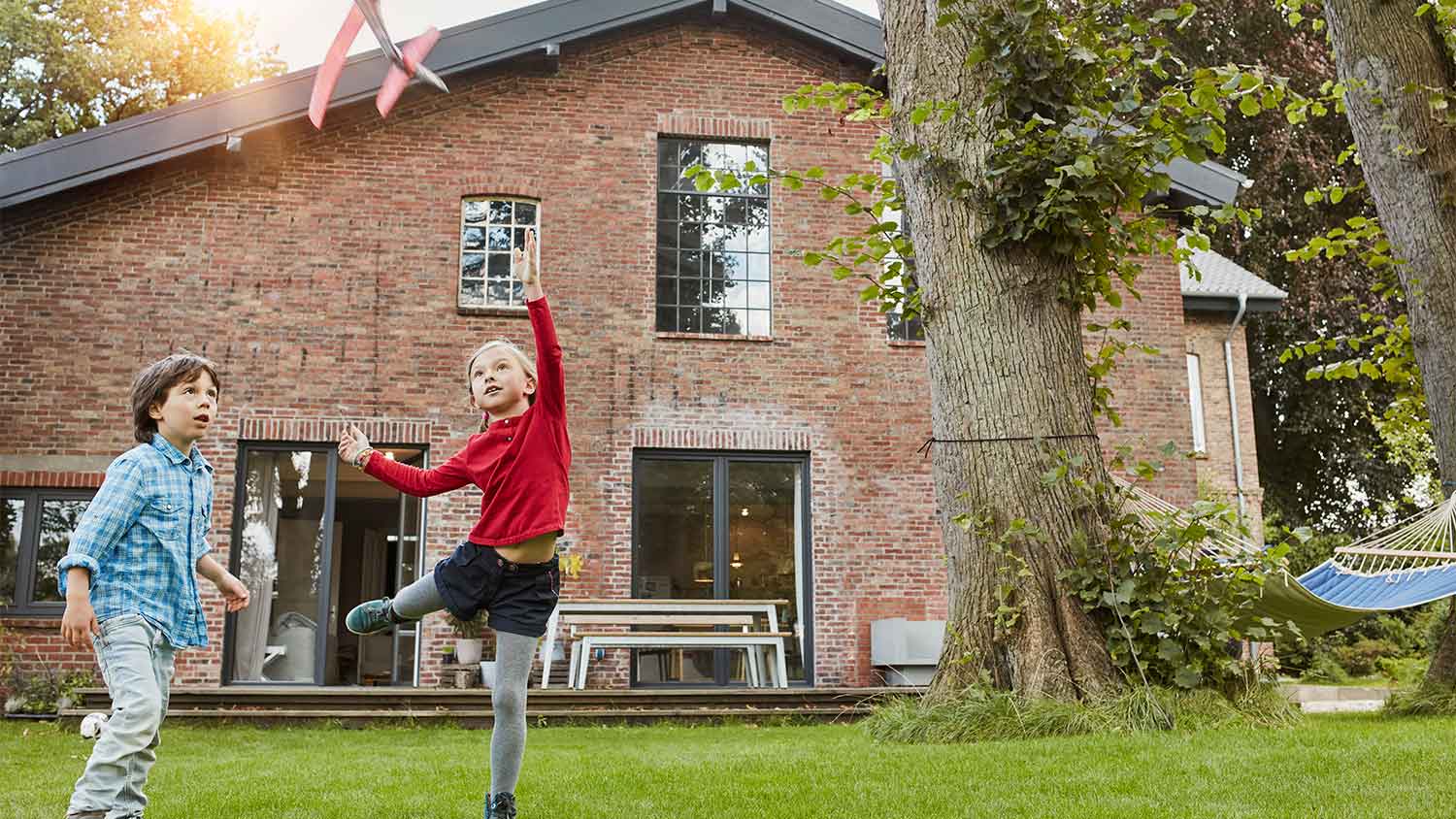
The cost to build a brick house is high, but the aesthetic and durability can be well worth the investment if you’re looking for something unique.

Not sure what paint color to pair with exterior brick? Use our guide to find the perfect tones to retain your home’s natural charm and boost its curb appeal.
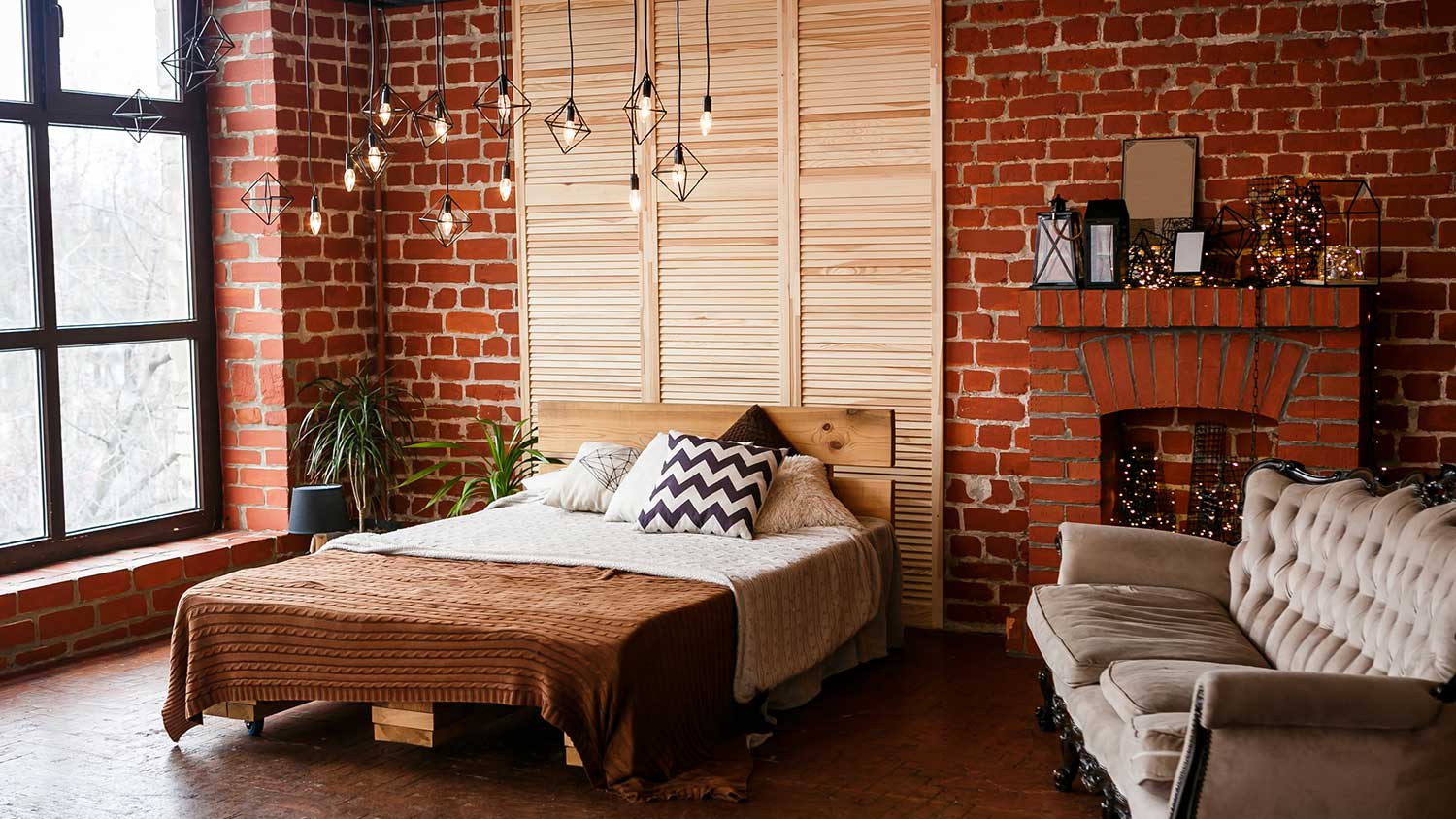
Looking to change up the look of your exterior brick? Here are the major differences between brick stain versus paint to help you make the right choice.

Take on painting your home’s brick exterior by prepping, priming, and painting the brick. Learn more about how to paint brick with this guide.