

•
Find out the average electric fence installation cost in Baltimore, MD. Learn what you can expect to pay for local pet fencing and keep your yard secure.
Fencing service costs depend on your project and location. Check with a local pro for your specific job.

Professional electric fence installation in Washington, D.C., costs $1,459 on average for most of our local homeowners.
The specific type of system you choose and your property terrain determine your final installation total.
Choosing a local aboveground electric fence adds $5 to $10 per linear foot to your budget.
Hiring a local electric fence installer in Washington, D.C. provides reliable help with installation and saves you effort.
This article was created using automation technology and produced in accordance with our AI policy, which includes editorial quality standards.
Electric fence installation in Washington, D.C., runs $1,459 on average, but ranges from $1,124 to $1,795. Your total price depends on the size of your yard, the number of zones you need, the terrain, and local labor rates. Before investing in an electric fence to keep your pets safe, understanding the cost helps you plan a project that fits your home and budget perfectly.
When planning an electric fence installation in Washington, D.C., hiring a professional fencing contractor ensures your property and animals remain secure. The final price of this project depends heavily on the size of the enclosure, the terrain, and the specific type of electrical system required to meet your containment needs.
The total perimeter of your yard directly dictates the amount of wiring, posts, and labor required, making linear footage a primary pricing factor. For a typical residential setup in Washington, D.C., the overall project averages around $1,459, with most spending between $1,124 and $1,795. When breaking it down by size, installing a 200-foot electric fence costs between $440 and $1,310, while a larger 500-foot enclosure ranges from $1,090 to $3,270. Extreme humidity and muggy summers slow down labor, pushing costs toward the higher end of these ranges. If you are upgrading an old system, factor in your fence repair cost before running new electrical lines.
| Electric Fence Size, Linear Feet | Local Average Cost, Installed | National Average Cost, Installed |
|---|---|---|
| 200 | $440–$1,310 | $400–$1,200 |
| 300 | $655–$1,970 | $600–$1,800 |
| 400 | $875–$2,620 | $800–$2,400 |
| 500 | $1,090–$3,270 | $1,000–$3,000 |
| 1,000 | $2,180–$6,540 | $2,000–$6,000 |
For expansive agricultural properties or large estates, contractors calculate the materials and labor by the acre rather than the linear foot. Enclosing a 1-acre parcel in Washington, D.C., runs between $1,090 and $5,450. If you need to secure a much larger area, a 4-acre electric fence costs between $4,360 and $21,800. The subtropical climate and potential for flooding require sturdy post installations across these large tracts, which increases the labor required to secure the perimeter. Incorporating a secure entry point requires professional gate installation to maintain the electrical circuit.
| Electric Fence Size, Per Acre | Local Average Cost, Installed | National Average Cost, Installed |
|---|---|---|
| 1/4 | $275–$1,370 | $250–$1,250 |
| 1/2 | $545–$2,730 | $500–$2,500 |
| 3/4 | $820–$4,090 | $750–$3,750 |
| 1 | $1,090–$5,450 | $1,000–$5,000 |
| 2 | $2,180–$10,900 | $2,000–$10,000 |
| 3 | $3,270–$16,400 | $3,000–$15,000 |
| 4 | $4,360–$21,800 | $4,000–$20,000 |
Labor rates for fencing professionals account for a significant portion of the total bill due to the physical demands of digging and setting posts. Fencing contractors in Washington, D.C., charge based on the complexity of the terrain and the time required to complete the job. Navigating rocky soil or working around existing hardscaping increases the labor hours billed to the project. Heavy snowstorms and frozen ground during the winter months halt digging entirely, meaning contractors must compress their schedules into the warmer seasons, which drives up peak-season labor rates. Coordinating with landscaping services ensures the fence line remains clear of overgrown vegetation that grounds out the electrical charge.
Wiring the fence to a power source requires a licensed electrician to safely install the energizer and connect it to your home's electrical grid. Hiring an electrical contractor in Washington, D.C., adds to the total due to the specialized knowledge required to handle high-voltage components safely. If the fence line sits far from an existing power source, the electrician must trench and run new conduit, increasing the final bill. Frequent thunderstorms and hurricane remnants in the area necessitate proper grounding and weatherproof outdoor outlets to prevent system failures. Older homes require factoring in electrical panel upgrade costs to handle the continuous draw of a heavy-duty fence energizer.
The physical design of the fence—whether it relies on visible wires or buried cables—drastically changes the material requirements and installation methods. An underground electric fence in Washington, D.C., costs between $1 and $4 per linear foot, making it a popular choice for residential pet containment. Conversely, a traditional aboveground electric fence ranges from $5 to $10 per linear foot because it requires physical posts, insulators, and multiple strands of wire. The heavy snowstorms in the region easily bury lower strands of aboveground fences, requiring property owners to install taller posts and higher wires to maintain a reliable barrier.
| Underground Electric Fence | Local Aboveground Electric Fence | National Aboveground Electric Fence |
|---|---|---|
| $1–$4 per linear foot | $5–$10 per linear foot | $2–$6 per linear foot |
| Better option for pets | Better option for livestock | Better option for livestock |
| Aesthetically pleasing | Posts and wires visible | Posts and wires visible |
| Fence can work around minor landscaping | Must keep property clear of obstructions near fence | Must keep property clear of obstructions near fence |
Keeping the fence electrified during grid failures requires backup power systems that add to the initial equipment investment. Washington, D.C., experiences power outages driven by severe thunderstorms and hurricane-force winds, making backup solutions essential for continuous animal containment. Installing a solar charger or a 12-volt marine battery ensures the fence remains active when the main power drops. Adding a heavy-duty surge protector prevents lightning strikes from destroying the fence energizer during sudden subtropical downpours. Property owners who want maximum reliability often review generator installation prices to keep the entire property, including the fence, powered during extended blackouts.
Preparing the fence line often involves clearing brush, leveling ground, or repairing the lawn after trenching is complete. Trenching for an underground system or clearing a wide path for an aboveground fence disrupts existing yards in Washington, D.C. Removing mature shrubs or grinding stumps out of the fence path requires heavy equipment and additional labor hours. The muggy, wet climate accelerates weed and brush growth, meaning property owners must pay for thorough land clearing before the fence installation begins. If a large oak sits directly on the property line, you must schedule tree removal before the fencing contractors arrive.
Hiring a pro for your project in Washington, D.C., ensures your system functions correctly despite heavy snowstorms or extreme humidity. Fencing contractors typically charge $0.12 to $0.20 per linear foot for the physical installation of posts and wires. Because these systems require an active power source, you will also need an electrician. Electrical contractors in Washington, D.C., generally charge $50 to $130 per hour to safely wire the energizer. Remember to account for the applicable 6% local tax rate on materials.
Hiring an electric fence installer in Washington, D.C. delivers excellent value, ensures electrical safety, and saves you hours of tedious labor. A local expert sets up the perimeter efficiently.
Contractors use specialized trenching equipment to bury wires cleanly without ruining your landscaping.
Experts navigate local zoning laws to keep your property fully compliant.
Pros offer hands-on training to help your pets safely learn their new boundaries.
Installers supply commercial-grade transmitters that withstand harsh weather better than basic retail kits.
Home is the most important place on earth, which is why Angi has helped more than 150 million homeowners transform their houses into homes they adore. To help homeowners with their next project, Angi provides readers with the most accurate cost data and upholds strict editorial standards. We’ve surveyed thousands of real Angi customers about their project costs to develop the pricing data you see, so you can make the best decisions for you and your home. We pair this data with research from reputable sources, including the U.S. Bureau of Labor Statistics, academic journals, market studies, and interviews with industry experts—all to ensure our prices reflect real-world projects.
Want to help us improve our cost data? Send us a recent project quote to [email protected]. Quotes and personal information will not be shared publicly.
I needed more than just a fence. Tree removal, sidewalk repair, yard clean-up and mulch. He was upfront about the additional costs, nothing hidden, Everything was done on time and beyond expectations. Have already hired him again for more.
The guys did an amazing job installing our fence! We live in a DC row home so it was a challenging job—very little space between lot lines, trees in the way, existing fences. The guys found solutions for all of it and the fence looks perfect. They were also so fast and the price was very...
 Sokay & Sons Construction
They performed excellent work at a very competitive price. We have used them for many home, improvement projects inside, backyard fence, deck, garage, structural repairs, and roofing. First class work by professionals and always easy to deal with We highly recommend them!
 M&N HOME IMPROVEMENT
The fence was installed and is more functional than what we had and looks nice.
 Ergeon
Capital Fence was great! The crew was professional, efficient, and put up a gorgeous fence. There was a slight permitting delay, but that was not really their fault.
 Capital Fence, Inc.
I love my fence! It was a great experience, professional and the customer service was top notch! I would highly recommend!
 Builders Fence Co
Action Fabricators and Erectors is a wonderful local business, and I have had the pleasure of working with its talented owners on a couple of projects. I would be pleased to work with this company again on any future projects involving high-quality ornamental metalwork and craftsmanship. The...
 Action Fabricators & Erectors
Seconding the review that says Dale did AAA+++ work. He installed a three rail wood fence with wire and three gates around our half acre yard. His workmanship was top notch and our fence looks beautiful. Dale was communicative, accommodating, flexible, and great to work with.
The whole project--from estimation through completion--went really well. We have a rowhouse, and we got fencing for both sides of our rear driveway and a roll-up garage door. They were able to deal with two large trees on either side that the fence had to be custom cut / fitted around and the...
 Gus & Sons Home Services
We worked with Mason and his team at Sino-American to remove our existing chain link fence and broken iron gate and replace with a new wooden fence and custom built gate for our DC rowhouse. We coordinated with our next door neighbor who was getting the same work done and had worked with...
 Sino-American General Contracting
From average costs to expert advice, get all the answers you need to get your job done.
Find out the average electric fence installation cost in Baltimore, MD. Learn what you can expect to pay for local pet fencing and keep your yard secure.
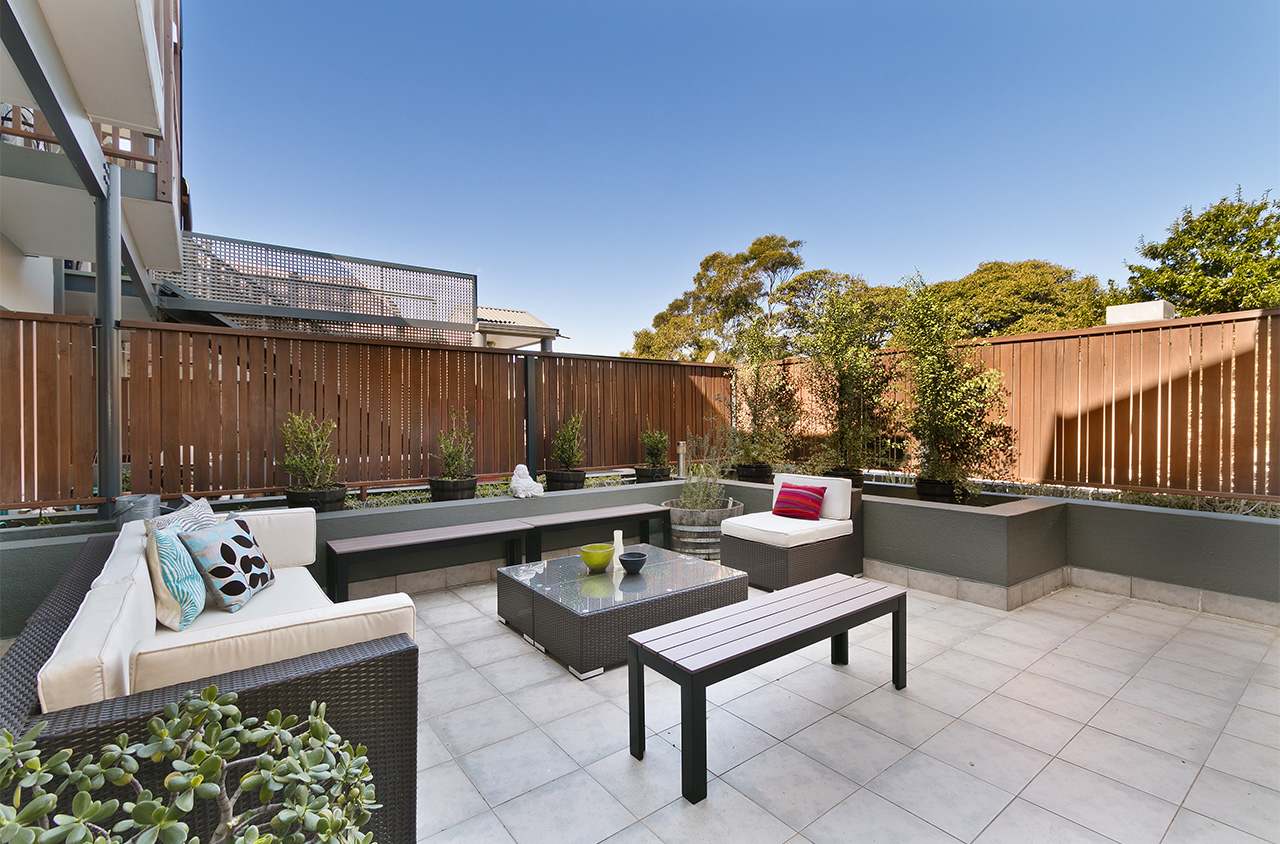
The cost to build a wood fence in Washington, D.C. depends on the size, material, add-ons, and more. Read this guide to learn how each cost factor impacts the price of a wood fence.
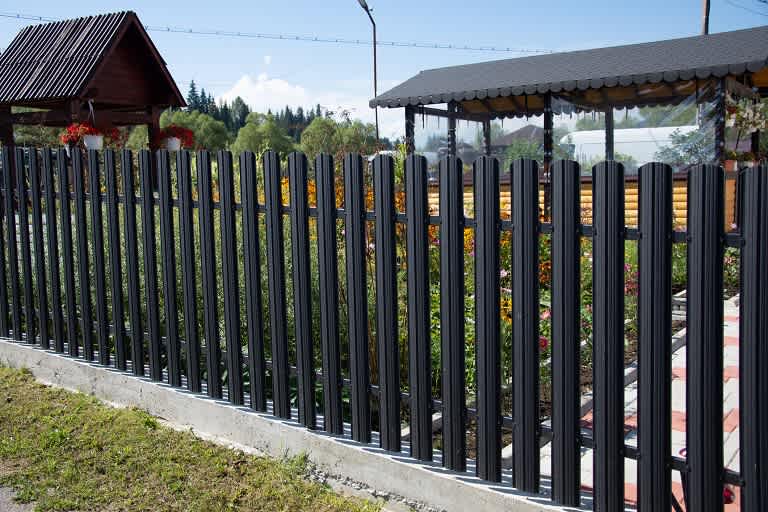
Aluminum fence costs in Washington, D.C. depend on your fence’s height, thickness, design, and length. Explore all the cost factors in this guide.
The cost to build a wood fence in Baltimore, MD depends on the size, material, add-ons, and more. Read this guide to learn how each cost factor impacts the price of a wood fence.
Aluminum fence costs in Baltimore, MD depend on your fence’s height, thickness, design, and length. Explore all the cost factors in this guide.
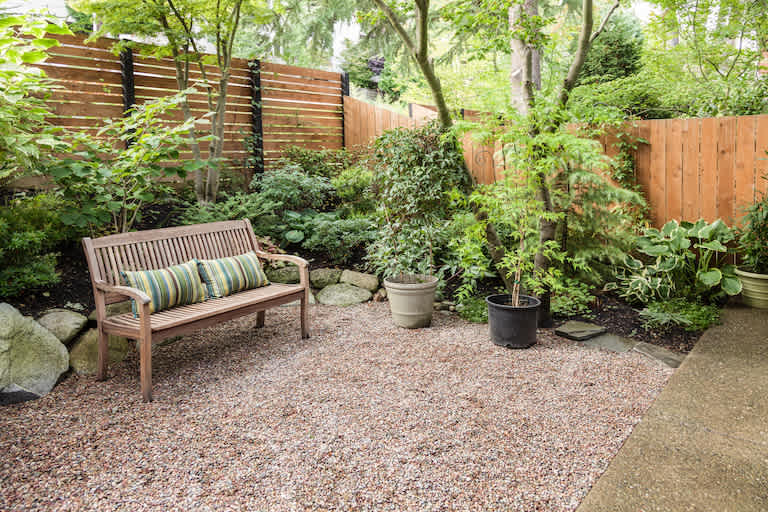
How much a privacy fence costs in Baltimore, MD depends on several factors, including the size of the fence and the material used. Our cost guide breaks down these and other factors.