
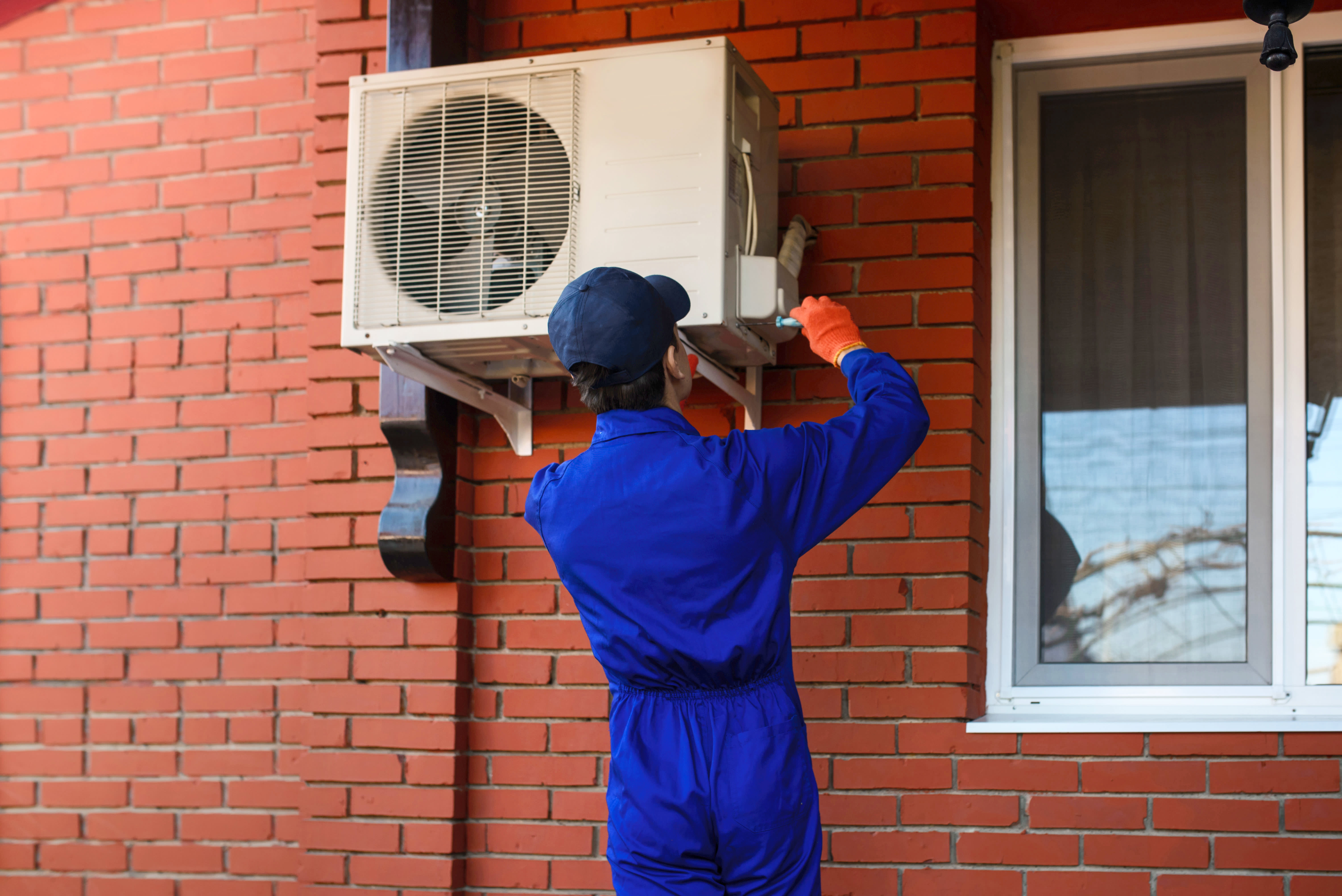
Time for an AC upgrade in the Emerald City? Before you call an HVAC pro, learn about the average AC replacement costs in Seattle, Washington.
Heating and air conditioning service costs depend on your project and location. Check with a local pro for your specific job.

Seattle, WA, homeowners can expect to pay between $1,200 to $6,500 for a single-zone mini-split installation.
Larger properties may require additional mini-split zones, which have the greatest impact on installation costs.
Don’t forget to budget for local permits and required inspections, which range between $400 to $1,200.
Hiring an HVAC specialist in Seattle, WA, ensures a code-compliant installation and offers a 50% to 70% return on investment (ROI).
In Seattle, WA, homeowners looking to install a mini-split system can expect costs that are often above the national average due to elevated labor rates and regional demand for energy-efficient HVAC solutions. In Seattle, WA, mini-split installation costs range from $2,222 to $5,555, with most homeowners paying an average of $3,333.
Several factors affect the budget, including the size of your home, the number of indoor units needed, and the complexity of the installation. Optional upgrades, such as high-efficiency models or added dehumidification, may increase upfront costs while delivering improved comfort in the region’s mild but damp climate.
The final cost for your mini-split installation in Seattle, WA, depends on several key factors, including the number of zones, the unit size, and the unit’s efficiency. Here’s a closer look at how these affect your budget.
You and your HVAC team will likely start by examining the correct mini-split configuration for your home. Tiny homes or those with an open floor plan may only require a single-zone system, while homes that need multiple thermostats will require more. The mini-split’s location will also determine the product's cost. Keep in mind that these prices do not include installation costs.
| Type | Average Cost |
|---|---|
| Single-zone | $1,200–$6,500 |
| Multi-zone | $3,500–$15,000+ |
| Wall-mounted | $1,200–$10,500 |
| Ceiling-mounted | $2,500–$14,000 |
| Floor-mounted | $2,000–$5,500 |
| Ceiling cassette | $2,800–$12,500 |
Ductless mini-split installation is determined mainly by the system’s size.
| Unit Size (BTUs) | Average Cost |
|---|---|
| 6,000 | $900–$2,200 |
| 9,000 | $1,100–$3,000 |
| 12,000 | $1,300–$4,200 |
| 18,000 | $2,000–$5,800 |
| 24,000 | $2,500–$7,200 |
| 30,000 | $3,200–$8,000 |
| 36,000 | $3,800–$9,000 |
| 42,000 | $5,500–$11,500 |
The average 12,000 BTU unit will cost $2,750. Ductless cooling systems cost 30% more than new ductless systems and nearly twice as much as standalone window ACs, so consider your energy bill when budgeting for the long term.
The advantage of a multi-split or multi-zone system is that it allows you to have different cooling areas in your home. Up to five indoor units can be attached to each outdoor unit; most systems have at least one indoor unit. Additional units can cost between $800 and $2,500. More powerful condensers are needed to run more than five units at a time, which can increase costs.
When deciding how many rooms you need cooled in your home, you can choose between a single-zone and a multi-zone mini-split system. An HVAC professional can assess each room's square footage to ensure the right fit. More zones lead to higher costs, with single-zone units ranging from $1,200 and $6,500 and five-zone units from $8,000 to $16,000 or more.
| Number of Zones | Average Cost |
|---|---|
| 1 | $1,200–$6,500 |
| 2 | $3,000–$9,500 |
| 3 | $4,500–$11,500 |
| 4 | $6,000–$13,500 |
| 5 | $8,000–$16,000+ |
The efficiency of a mini-split unit significantly impacts its cost. A higher Seasonal Energy Efficiency Ratio (SEER) rating means lower monthly energy costs due to increased efficiency. You should factor this in when choosing a unit, especially in a region with extreme temperatures, where a higher SEER-rated system may be cost-effective.
Energy-efficient units save money in the long run and often even qualify for utility rebates and government tax credits. However, they may come with a higher upfront cost. Be sure to balance your budget with long-term savings when making a decision.
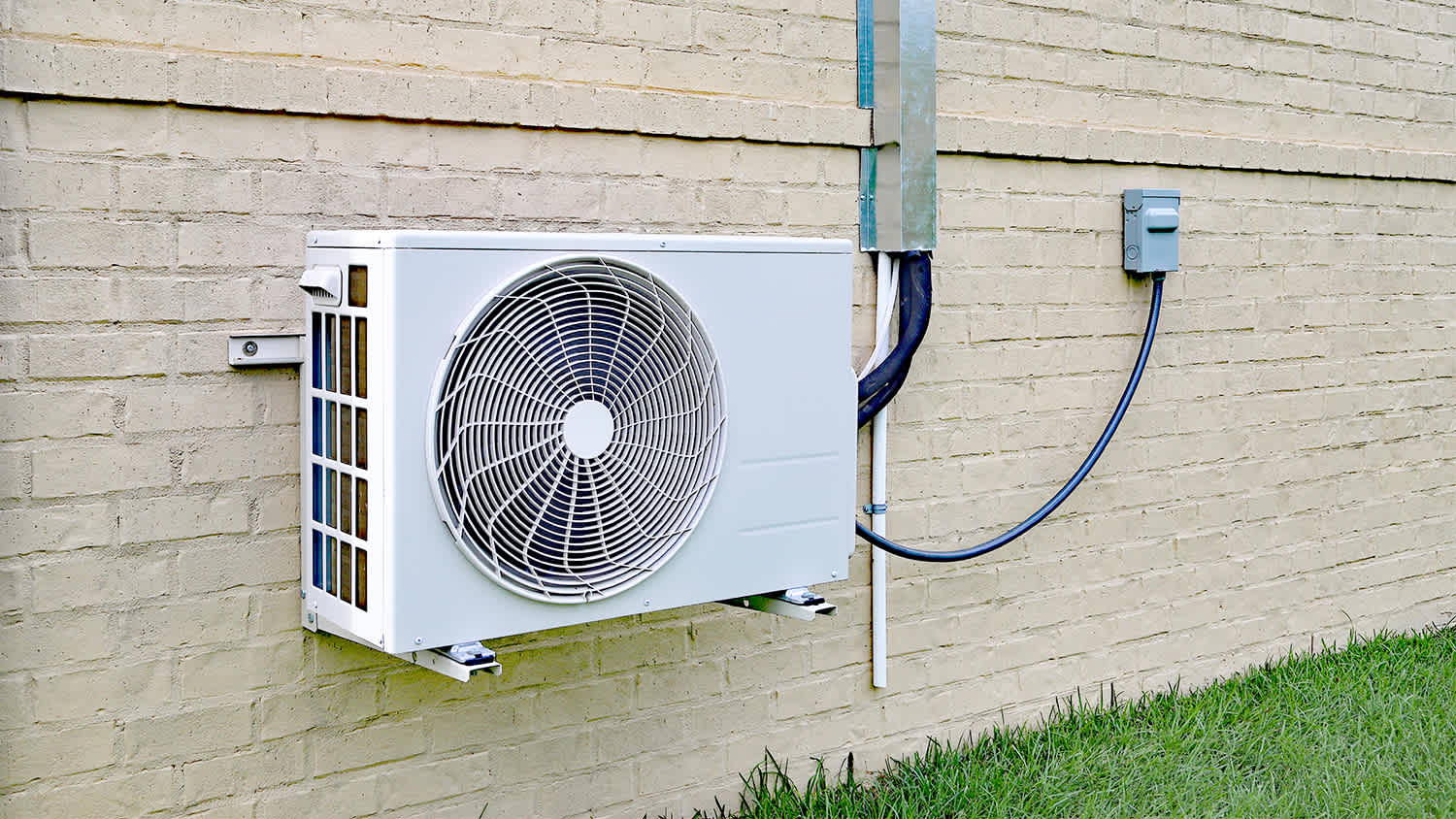
A ductless mini-split AC system comprises three main parts: an outdoor condensing unit, inside air units, and refrigerant coolant lines to connect everything. They can be bought as a kit, or each part can be purchased individually as needed.
The average prices below are for the parts only and don’t factor in the labor cost for professional HVAC installation, which can cost between $900 and $3,500.
| Part | Average Cost |
|---|---|
| Outdoor unit | $1,800–$7,000 |
| Indoor unit(s) | $800–$2,500 |
| Refrigerant lines | $8–$15 per foot |
| Installation kit | $400–$900 |
Homeowners in Seattle, WA, should also factor in local labor rates, permitting requirements, electrical work, and other region-specific expenses when planning a mini-split installation. Here is a breakdown of common costs to consider when hiring an HVAC specialist in Seattle, WA.
In Seattle, WA, labor represents 40% to 65% of the cost of a mini-split installation. HVAC professionals in the area charge between $140 and $260 per hour, or roughly $5,000 to $14,000 or more per project, depending on system size, home layout, and installation complexity.
Licensed HVAC specialists in Seattle, WA, are especially familiar with ductless systems and high-efficiency heat pumps, which are widely used in the Pacific Northwest due to the region’s cool, damp climate. A qualified local HVAC technician can answer your mini-split questions, properly size the system, recommend cold-weather heat pump models, and handle installation challenges common in the area.
Depending on your installation scope, additional specialists may be needed to ensure the system is installed safely and meets local building and energy codes:
General contractors may be required for more complex projects involving structural modifications or coordination across multiple trades. In Seattle, WA, general contractors charge between $130 and $250 per hour.
Electricians are often needed for panel upgrades, new dedicated circuits, or rewiring to support higher-capacity outdoor units. Local electricians charge $150 to $275 per hour on average.
In Seattle, WA, permits are usually required for mini-split installations to comply with city building codes, mechanical regulations, and electrical standards. Permit costs range from $400 to $1,200, depending on system size and whether electrical upgrades are required.
Most Seattle, WA, homeowners rely on their HVAC contractor to manage the permitting process, since local pros have experience with city inspection requirements, energy compliance standards, and the documentation needed to ensure the installation passes review smoothly.
In Seattle, WA, installing a mini-split system can increase a home’s value and appeal, especially in older Craftsman-style homes, mid-century properties, and townhouses that lack central air conditioning. Industry estimates suggest a return on investment (ROI) of 50% to 70%, depending on system efficiency, installation quality, and the property condition. In a market where energy efficiency and year-round comfort are important, ductless systems are viewed as a modern, flexible HVAC upgrade.
High-efficiency heat pump mini-splits perform well in the Seattle, WA, area, providing consistent comfort while helping reduce reliance on older or less efficient heating systems. As buyers in the area continue to prioritize sustainability, lower energy bills, and modern home systems, ductless mini-splits can improve your property’s marketability and contribute to stronger resale potential.
To help homeowners plan their next project, Angi provides readers with carefully researched cost data and upholds strict editorial standards. We start with national average project costs, which we collect by analyzing competitor information, retailer material costs, and input from professional contractors. We then apply local price index data to calculate location-specific estimates that reflect what homeowners typically pay in their local area. To do that, we use data from the U.S. Bureau of Economic Analysis (BEA), including its Regional Price Parities (RPPs), which measure price differences across cities. This helps us account for differences in labor, materials, and overall cost of living, so estimates in higher- or lower-cost areas better reflect real-world local pricing.
Every estimate undergoes a thorough editorial review to verify accuracy, consistency, and alignment with observed market conditions.
Want to help us improve our cost data? Send us a recent project quote to [email protected]. Quotes and personal information will not be shared publicly.
The general manager called me to understand the problem and he was able to send out a technician next day to my residence to help with our mini split ductless HVAC system. The technician was young but clearly experienced and was able to deduce a very simple and immediately fixable filter...
 Northwest Expert Heating, LLC
Don took great care of our radiant heating system for many years! AND he's a truly nice person!!! Don, it's Peggy Coats. I need to talk to you...Please call or text me at 2065261264.
 Radiant Tech Inc
The heat pump was installed in March 2024. Very good service. I subscribe to the maintenance contract. Every few months a technician is scheduled to check all functions of the pump, air cleaner, filters and thermostat communication. One was here today. Helped me further understand the...
 Blue Flame Heating and Air Conditioning
George was super helpful over the phone determining the right water heating solution for our home, was highly communicative and transparent throughout the process, and made quick work of the installation of our electric water heater. Would highly recommend to other folks in Seattle in need of...
 Stream Water Heaters
Our 27-year-old furnace stopped working suddenly, leaving us without heat. We contacted Product Air after another company failed to show up for a scheduled service call. Product Air responded quickly. Robert diagnosed the problem as a failed motor and was able to find the part elsewhere in...
 Product Air Heating & Cooling, LLC
 The work to install a heat pump was professionally done and in a timely manner. He worked with with us to plan placement with limited potential locations and difficult access. And he came back after installation to answer questions and be sure we were happy with it.
 Derr Heating & Cooling LLC
Our heating wasn't working and the warehouse was taking a very long time finding the part necessary to fix it. Staci went above and beyond to find a workaround solution for us.
 AirPros Energy, LLC
Fast Water Heating was great. Very nice service on my initial phone call and helpful in getting the right heater. Same day install. Caleb did a quick and tidy job with everything and was patient with all my questions. I would use them again.
 Fast Water Heater Company
Please let other people know that we have had very bad experiences with Quality Heating and Cooling and want other folks to steer clear of this company.
 Cummings, Inc.
PK Heating & Cooling was tremendous. Great communication, service and work well done. I will always call back for check ups and refer him to others.
 PK Heating & Cooling, LLC
From average costs to expert advice, get all the answers you need to get your job done.
Time for an AC upgrade in the Emerald City? Before you call an HVAC pro, learn about the average AC replacement costs in Seattle, Washington.

Getting AC and furnace replacement done at the same time can lead to huge benefits for your wallet and your home in Seattle, WA. Here’s everything you need to know.
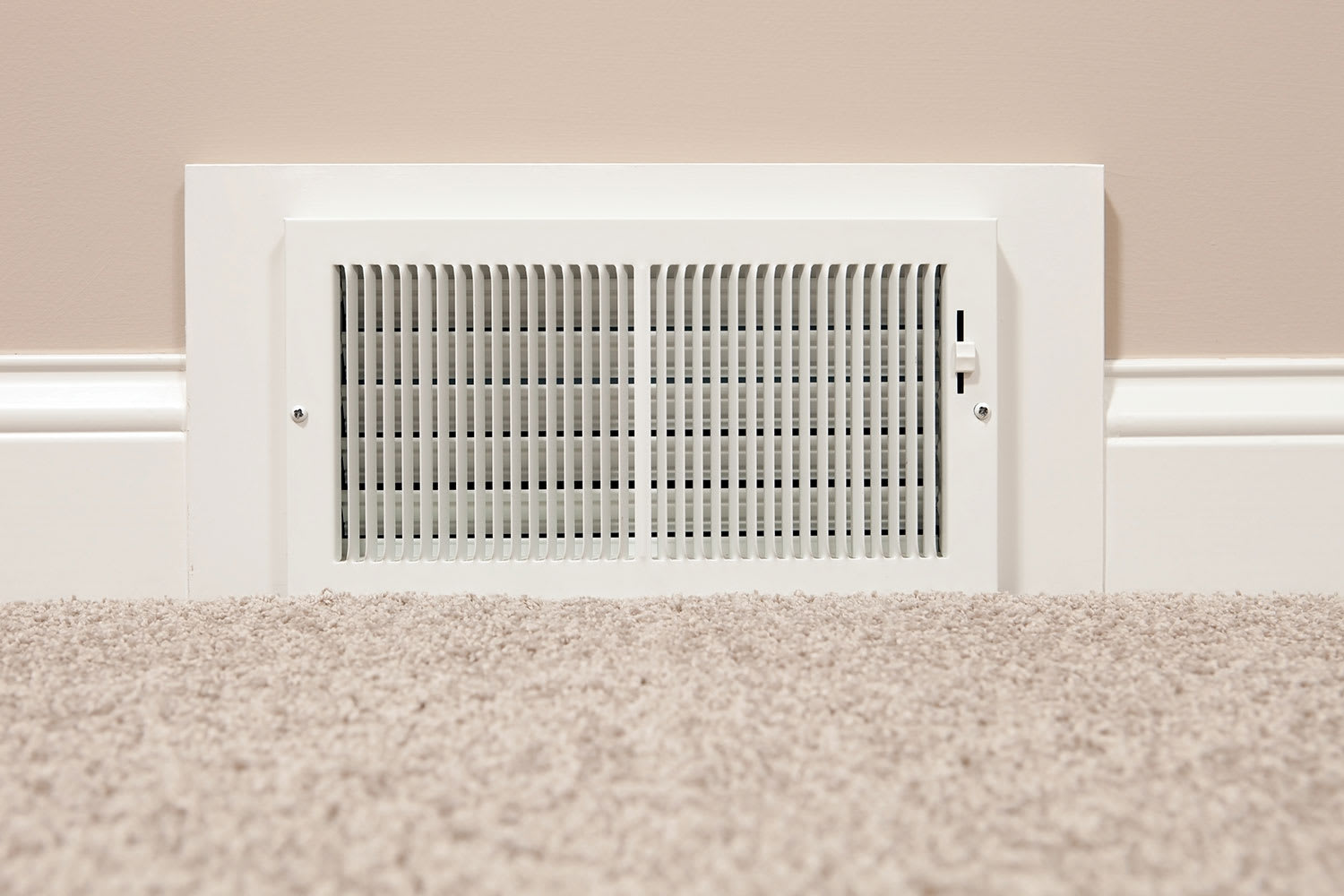
HVAC replacement costs in Seattle, WA, depend on factors like unit type, size, and labor. See what you can expect to pay for HVAC replacement here.

Review the disadvantages of mini-split systems as well as the benefits before buying. Review our breakdown of the mini-split pros and cons.
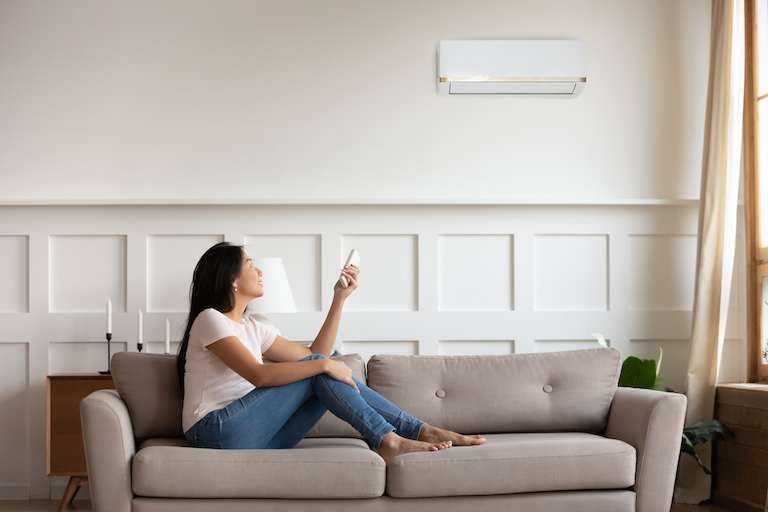
Thinking about a ductless mini-split heating installation? Learn about zoning options, costs to expect, and how to hire the right local HVAC pro.
Adding a ductless mini split can be the right choice for a home addition or small space. Review these ductless mini split questions to prep for talking with a pro.