

Austin can be hot year-round, so working AC is critical for comfort. Find out AC replacement costs for Austin, Texas, in this guide.
Heating and air conditioning service costs depend on your project and location. Check with a local pro for your specific job.

The cost to install a mini-split in Austin, TX, starts at $3,000 to $5,000 for a single-zone system.
System size and the number of zones are the biggest cost factors.
Adding dedicated electrical circuits or upgrading a panel can add $445 to $1,845 to total costs.
Hiring a local HVAC contractor in Austin, TX, ensures proper sizing for the area’s long cooling season.
The cost to install a mini-split in Austin, TX, averages $2,943, with most homeowners paying from $1,962 to $4,905. Pricing largely depends on system sizing, the number of zones, and efficiency ratings, but local labor rates and other factors play a role. Austin, TX, experiences sustained periods of intense heat, which affects system selection and installation.
The cost to install a mini-split in Austin, TX, varies according to the type of system, the number of zones your home needs, and the size of each unit.
You and your HVAC team will likely start by examining the correct mini-split configuration for your home. Tiny homes or those with an open floor plan may only require a single-zone system, while homes that need multiple thermostats will require more. The mini-split’s location will also determine the product's cost. Keep in mind that these prices do not include installation costs.
| Type | Average Cost |
|---|---|
| Single-zone | $3,000–$5,000 |
| Multi-zone | $3,500–$18,000 |
| Wall-mounted | $490–$9,025 |
| Ceiling-mounted | $1,175–$11,770 |
| Floor-mounted | $1,275–$3,730 |
| Ceiling cassette | $1,275–$8,930 |

Ductless mini-split installation is determined mainly by the system’s size.
| Unit Size (BTUs) | Average Cost |
|---|---|
| 6,000 | $440–$1,570 |
| 9,000 | $590–$2,260 |
| 12,000 | $690–$3,140 |
| 18,000 | $980–$4,120 |
| 24,000 | $1,080–$5,100 |
| 30,000 | $1,570–$5,590 |
| 36,000 | $1,765–$5,890 |
| 42,000 | $2,945–$7,850 |
The average 12,000 BTU unit will cost about $2,940. Ductless cooling systems cost about 30% more than new central AC systems and nearly twice as much as standalone window ACs, so consider your energy bill when budgeting for the long term.
The advantage of a multi-split or multi-zone system is that it allows you to have different cooling areas in your home. Up to five indoor units can be attached to each outdoor unit; most systems have at least one indoor unit. Additional units can cost between $390 and $1,765. More powerful condensers are needed to run more than five units at a time, which can increase costs.
When deciding how many rooms you need cooled in your home, you can choose between a single-zone and a multi-zone mini-split system. An HVAC professional can assess each room's square footage to ensure the right fit. More zones lead to higher costs, with single-zone units ranging from $3,500 to $8,630 and five-zone units from $6,000 to $18,000.
| Number of Zones | Average Cost |
|---|---|
| 1 | $3,000–$5,000 |
| 2 | $3,500–$7,700 |
| 3 | $4,000–$9,100 |
| 4 | $5,250–$12,000 |
| 5 | $6,000–$18,000 |
The efficiency of a mini-split unit significantly impacts its overall cost. A higher Seasonal Energy Efficiency Ratio (SEER) rating means lower monthly energy costs due to increased efficiency. You should factor this in when choosing a unit, especially in a region with extreme temperatures, where a higher SEER-rated system may be cost-effective.
Energy-efficient units save money in the long run and often even qualify for utility rebates and government tax credits. However, they may come with a higher upfront cost. Be sure to balance your budget with long-term savings when making a decision.
A ductless mini-split AC system comprises three main parts: an outdoor condensing unit, inside air units, and refrigerant coolant lines to connect everything. They can be bought as a kit, or each part can be purchased individually as needed.
The average prices below are for the parts only and don’t factor in the labor cost for professional HVAC installation, which can cost between $280 and $1,470.
| Part | Average Cost |
|---|---|
| Outdoor unit | $1,000–$5,400 |
| Indoor unit(s) | $1,500–$3,000 |
| Refrigerant lines | $4.90 per ft. |
| Installation kit | $295–$490 |
Labor for HVAC contractors in Austin, TX, accounts for 30% to 50% of the total installation cost, depending on the project’s complexity. Contractors often use flat-rate pricing for standard installations, but you may pay extra for specialized work, such as longer refrigerant lines or mounting cassette-style air handlers.
Demand for mini-split maintenance and upgrades is high in late spring and throughout the summer, which can drive up rates for much of the year. Most technicians charge $100 to $175 per hour. During off-peak months in Austin, TX, HVAC companies may offer promotions on installations to generate business.
Permits are typically required for mini-split installations in Austin, TX. Mechanical permits for HVAC replacements are about $70.
Electrical work is a common add-on for mini-split installations, especially in homes with older or outdated electrical systems. Mini-splits require dedicated circuits, and hiring an electrician costs $40 to $120 per hour. Some homes may need electrical panel upgrades to accommodate the power demands of these units, which can add $445 to $1,845 to the total price.
A mini-split installation in Austin, TX, can increase home value by 5% to 7% and offer an average return on investment (ROI) of 30%. With the area’s humid subtropical climate and hot, humid summers, a reliable cooling system is a must for most homes. Homes with energy-efficient mini-splits appeal to buyers because they provide even cooling while keeping energy costs down.
Home is the most important place on earth, which is why Angi has helped more than 150 million homeowners transform their houses into homes they adore. To help homeowners with their next project, Angi provides readers with the most accurate cost data and upholds strict editorial standards. We survey real Angi customers about their project costs to develop the pricing data you see, so you can make the best decisions for you and your home. We pair this data with research from reputable sources, including the U.S. Bureau of Labor Statistics, academic journals, market studies, and interviews with industry experts—all to ensure our prices reflect real-world projects.
Want to help us improve our cost data? Send us a recent project quote to [email protected]. Quotes and personal information will not be shared publicly.
We called Aire Serv South Austin out because our AC had been running nonstop, but the house just wasn’t cooling down. Turned out to be a refrigerant leak Mordi and Sean tracked it down and walked me through what was going on before they touched anything. Fixed it, and waited around a bit to...
 Aire Serv of South Austin
I was referred to Dalton Air by a trusted realtor years ago after too many frustrating experiences with home warranty A/C repair services that pushed costly replacements over honest repairs. From the moment I called Dalton, everything changed. They’ve repaired our unit multiple times quickly...
My house is large and I have 2 air conditioners. The upstairs unit completely died and the heat was unbearable. I had several companies come out but their prices were beyond my budget or they couldnt do the work for weeks. I finally found All Star Trade Pros and I was so lucky that I did. ...
 ALL STAR TRADE PROS, LLC
I had a great experience when my central AC system started acting up. With the weather in Texas being so unpredictable, I knew I needed it fixed before the summer heat kicks in. I reached out, and they were able to schedule a technician for the very next day. The technician, Ali was...
 One Hour Heating & Air Conditioning Of Frisco
After moving into our house, the ducts desperately needed to be cleaned. I was able to get an appointment with Go air duct quickly and they were fantastic to work with. Noah is the best! He was amazingly professional, friendly, and was very honest about what we needed done and what we could...
 Go Air Ducts
Most professional air duct cleaning services out there
 Noble Air
Superior Attic removed all my old insulation and replaced with Spray Foam. I can already tell a massive difference in my homes heating and cooling and my HVAC is running much less. Highly recommend!
 Superior Attic
They worked diligently even in the heat. Made adjustments that should have been done when system was installed and then checked by installer. They listened to what we wanted done and accomplished that.
 Capitol Irrigation
i hired Excellence A/C & Heating LLC to have installed my AC & heating system. They put a brand new 4 ton Carrier system for me. I like their service and communication. Their price is the lowest among all of the 3 quotes that I received. and their service turned out to be very...
 Excellence A/C & Heating, LLC
I have totally cool put in new duct work and fix my air confirming unit in the attic and now does it work excellent now! The men were very professional and hard workers. I would recommend these guys 100%!
From average costs to expert advice, get all the answers you need to get your job done.
Austin can be hot year-round, so working AC is critical for comfort. Find out AC replacement costs for Austin, Texas, in this guide.
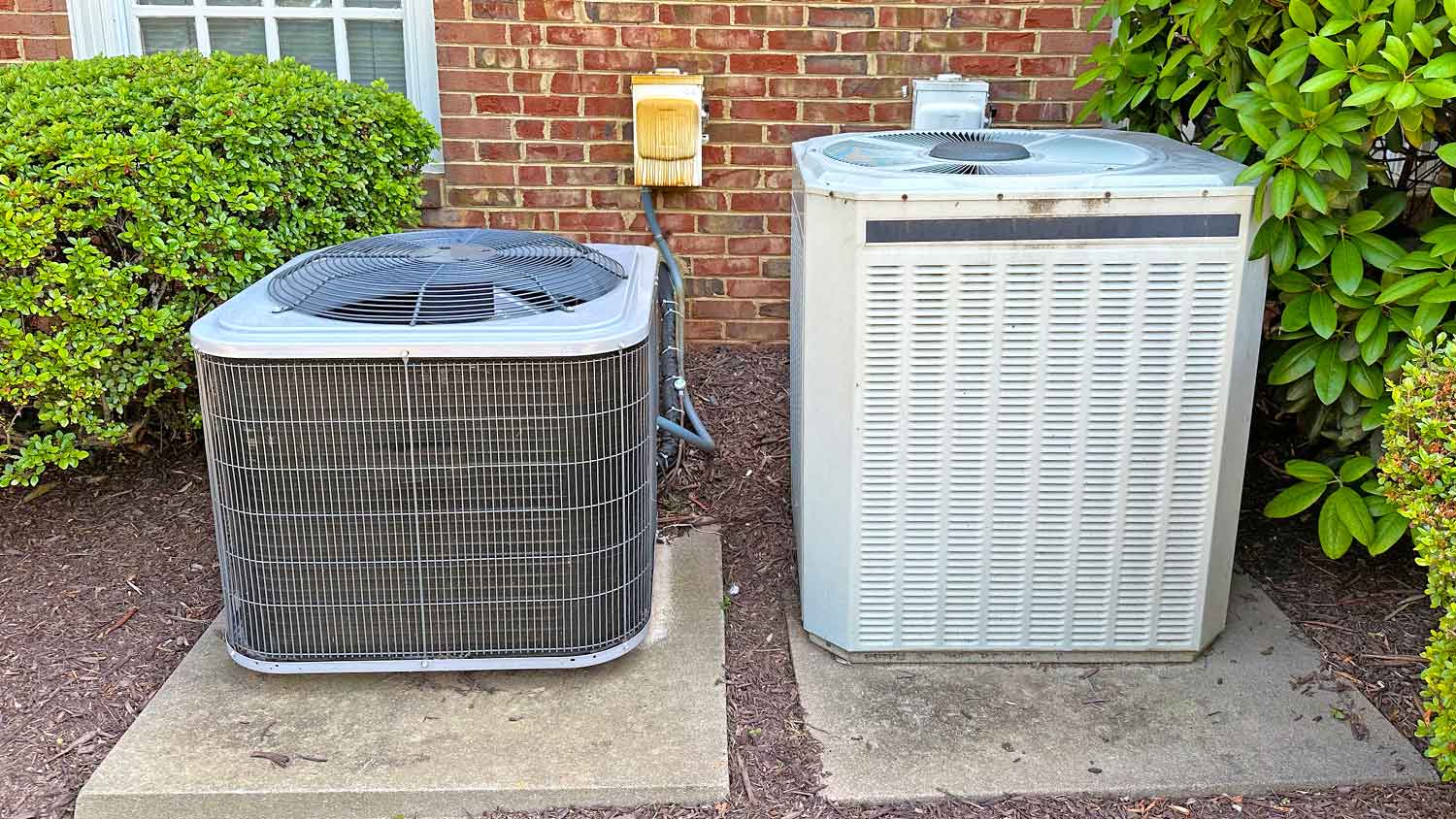
When determining the AC coil cleaning cost in Austin, TX, you’ll need to factor in the size, cleaning method, and type.
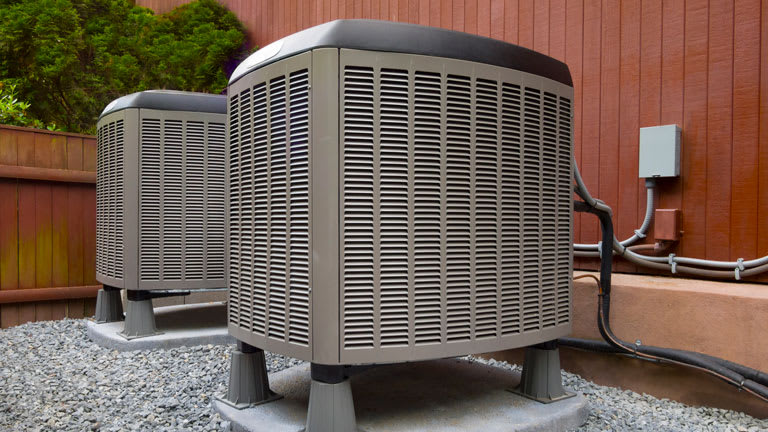
The cost of a heat pump in Austin, Texas, depends on its type, size, and other factors. Here’s how to price out your heat pump installation in Texas’ capital.

Thinking about a ductless mini-split heating installation? Learn about zoning options, costs to expect, and how to hire the right local HVAC pro.

Review the disadvantages of mini-split systems as well as the benefits before buying. Review our breakdown of the mini-split pros and cons.
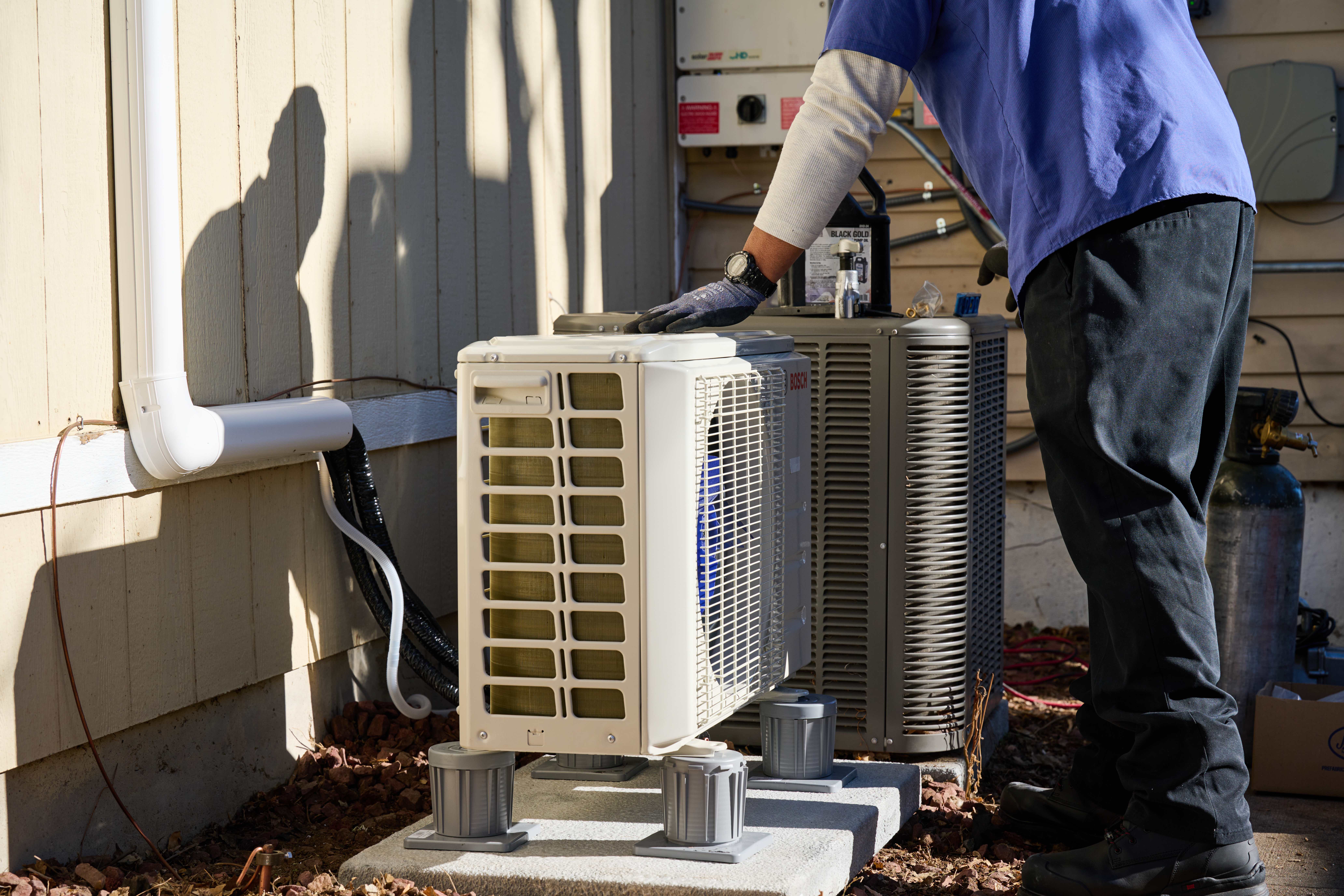
A ductless mini-split heat pump can cool and heat your home without all of the costly and complicated ductwork. Learn more about how a mini-split works.