
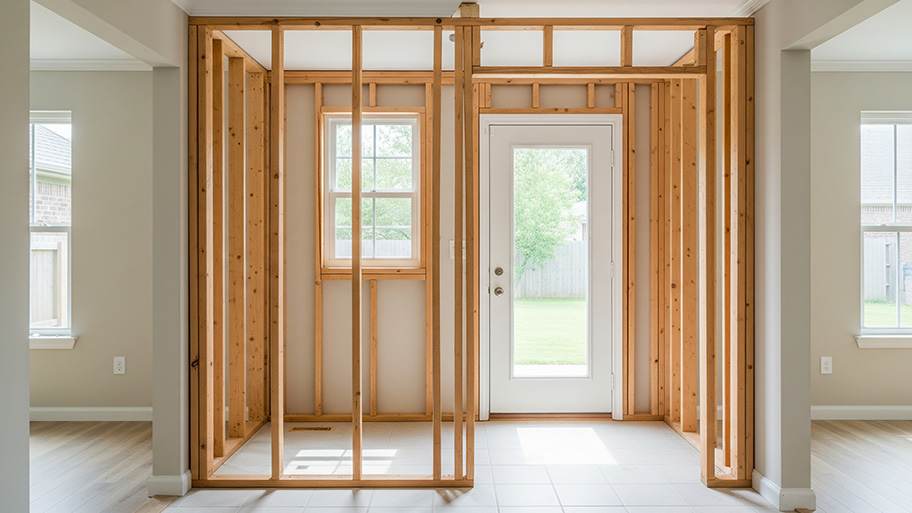
Sometimes, all your home needs is a new wall to make a room or provide an updated function to an existing space. Learn how much it costs to install a new wall in Columbus, OH.
Pavers and hardscaping service costs depend on your project and location. Check with a local pro for your specific job.

Clay soil in Columbus creates drainage challenges, and retaining walls taller than 4 feet require professional engineering.
Materials must withstand seasonal temperature swings, from subfreezing winters to hot summers.
Proper drainage systems manage heavy rains and prevent water pressure from building up.
Installing a retaining wall in Columbus, Ohio, costs between $3,500 and $4,440, with an average cost of $3,970. The city features rolling lots, clay-heavy expansive soil, wet springs that bring erosion, and freeze-thaw cycles that can crack poorly built structures. Building a retaining wall here requires addressing drainage issues and soil movement caused by variable weather. Let’s take a look at what you can expect to pay for a retaining wall that enhances your home’s curb appeal and protects your investment.
Harsh weather patterns that put pressure on hardscaping, clay soil that shrinks and expands, and moderate to steep slopes—these are just some of the struggles facing retaining wall contractors in Columbus, Ohio. From relatively flat areas to rolling hills, each property has unique challenges that shape budgets.
The length and height of your wall have the biggest impact on price, with taller retaining walls costing more per linear foot. For example, a 2-foot-tall retaining wall costs $40 to $210 per linear foot, while retaining walls up to 6 feet high cost about $375 per linear foot. The retaining wall block dimensions you choose will also impact costs.
The following table summarizes common retaining wall sizes and their average costs. Note that the lower end of the cost range is for walls 2 feet high, while the higher end of the cost range is for walls 6 feet or taller. Use a retaining wall calculator to estimate how many blocks you’ll need.
| Length (Linear Feet) | Average Cost Range | Average Cost |
|---|---|---|
| 10 | $430–$3,750 | $2,090 |
| 15 | $645–$5,625 | $3,135 |
| 20 | $860–$7,500 | $4,180 |
| 25 | $1,075–$9,375 | $5,225 |
| 30 | $1,290–$11,250 | $6,270 |
| 50 | $2,150–$18,750 | $10,450 |
| 100 | $4,300–$37,500 | $20,900 |
| 150 | $6,450–$56,250 | $31,350 |
The type of retaining wall and material you choose will greatly affect what you pay. Here’s a look at the average prices for common retaining wall materials per square foot.
| Wall Material | Cost Range per Sq. Ft. (All-In) | Average Cost per Sq. Ft. (All-In) |
|---|---|---|
| Vinyl | $10–$15 | $12.50 |
| Railroad ties (wood) | $25–$30 | $27.50 |
| Timber | $15–$30 | $22.50 |
| Brick | $20–$30 | $25 |
| Rammed earth | $20–$30 | $25 |
| Gabion | $10–$40 | $25 |
| Stone | $20–$105 | $62.50 |
| Concrete | $30–$50 | $40 |
| I-beam | $40–$95 | $67.50 |
| Steel | $15–$160 | $87.50 |

Your contractor may charge an extra fee for material delivery. If that’s the case, expect to spend $30 to $95 per truckload of stone, brick, or concrete blocks.
The terrain and soil composition in the surrounding area impact the cost of building a retaining wall. Additional labor is needed for sloped grounds, which can increase labor costs by 50% or more. In this situation, the contractor must excavate to construct step-downs or terrace the slope to accommodate a safe retaining wall.
Central Ohio's soil ranges from clay-heavy to rocky. Clay soil is particularly common and creates challenges because it retains moisture and expands during wet periods, putting pressure on retaining walls. Rocky areas require more time and specialized equipment for excavation, thereby increasing costs.
Your contractor will prep the site before building the retaining wall. This may include land clearing, land grading, and tree removal. If your wall is more than 4 feet tall, you’ll need a structural engineer to design it. Here’s what you might pay for site prep.
| Service | Average Cost Range |
|---|---|
| Structural engineering | $35–$715 |
| Land clearing | $105–$240 per hour |
| Land grading | $855–$2,850 |
| Tree removal cost | $190–$1,900 |
All retaining walls need drainage, as their purpose is to stop erosion. So it’s important to find a contractor who knows how to build a retaining wall that includes drainage solutions. There are various methods, including pipes, gravel, weep holes, and criblock designs. If you already have a retaining wall that isn’t properly draining, you may need to spring for repairs or a full replacement.
Expect to spend $55 to $70 per linear foot on excavation to fix drainage issues. If you’re replacing the wall, it will cost $20 to $30 per linear foot to demolish the old wall and install a new one.
The soil in your yard will determine the type of retaining wall you can build. Certain walls work better with certain soil types. For example, malleable clay soil may not be sturdy enough to support heavy wall materials.
In addition, rocky soil with many boulders will require your contractor to spend extra time clearing the land. It will also be more difficult to excavate, so you can expect higher labor costs across the board.
Your retaining wall may need reinforcement, which could increase your material and labor costs. A hardscaping pro will add rebar either horizontally or vertically. Rebar costs around $0.75 to $1.70 per square foot. If your wall is particularly long or tall, it may also require footings with different fill materials (costs vary by material).
A structural engineer adds reinforcements when:
The wall is taller than 4 feet
The wall is longer or taller than average
You’re installing a sea wall
You live in a climate with extreme weather
Waterproofing costs $1.90 to $9.50 per square foot and can increase the lifespan of your retaining wall. This stops water from seeping into wall joints, which can damage the structural integrity over time—a common cause of retaining wall problems in Central Ohio. Some materials (like vinyl) are more waterproof than others, so make sure to check with your contractor.
When you’re deciding who to hire to install a block wall, look for a pro who can handle projects on clay soil that freezes and thaws frequently. Here’s what factors into the cost of hiring a retaining wall contractor in Columbus, Ohio.
Labor is a significant part of retaining wall costs. A local hardscape contractor will charge an average of $50 to $75 per hour or $15 to $50 per square foot. With a lower average cost of living than the national average, labor rates are more reasonable than in other metro areas.
However, contractors with expertise in clay soil and proper drainage for Ohio conditions may charge slightly higher fees. That knowledge can prevent the common reasons retaining walls fail. Rates will also depend on the wall’s materials and the overall complexity of the project. Interlocking retaining wall blocks or pin mechanisms are the fastest and easiest to install compared to hand-stacked limestone or I-beam retaining walls.
Though it depends on local laws, most homeowners will need a permit to build a wall taller than 3 or 4 feet. Building permits cost between $100 and $350 in Columbus, Ohio. Most homeowners need a permit for retaining walls taller than 3 feet, but requirements vary by municipality.
According to Columbus Landmarks, walls over 4 feet in height that require structural engineering require your engineer to submit sealed plans. This process adds about one to two weeks to your timeline and ensures your new retaining wall meets local codes and is safe.
While retaining wall builders in Columbus, Ohio, should be able to handle most of the job, you may need to hire other experts to help with the details:
Structural engineers near you verify retaining walls can handle clay soil expansion, freezing and thawing, and seasonal weather changes. Expect to pay $100–$200 per hour.
Local landscaping companies make sure your new wall fits your yard and complements it with new plants. These services average $80–$165 per hour.
For $45–$140 per hour, nearby drainage pros design solutions for water management, low-lying areas, and clay soils. Costs vary by scope, so get estimates for your project.
Whether you’re planning to sell your home or want to make the best home improvement decisions, it’s smart to ask how a retaining wall impacts home value. Here are some of the reasons a retaining wall can improve your property:
Safety: Depending on the location, walls prevent soil erosion and protect home foundations. They’re especially effective against pressure from expanding clay soil, which is a concern in Central Ohio and the Columbus area.
Aesthetics: New retaining walls create visual interest and define outdoor spaces. Whether your home is traditional or modern, a carefully crafted wall upgrades curb appeal.
Usable Space: Columbus’ beautiful rolling land isn’t always conducive to the way homeowners want to live. Retaining walls transform slopes into level areas for patios, gardens, play spaces, and outdoor living.
Competition: Maintained properties with professional landscaping stand out in Columbus’ competitive housing market. Properties with retaining walls may attract serious buyers who recognize their long-term value.
Professionally installed retaining walls in Columbus have a return on investment of about 50% to 75%, especially if they prevent erosion or protect the home’s foundation. In neighborhoods with sloped lots, a retaining wall can differentiate properties and justify a higher asking price, so your home may get more offers or sell faster.
Home is the most important place on earth, which is why Angi has helped more than 150 million homeowners transform their houses into homes they adore. To help homeowners with their next project, Angi provides readers with the most accurate cost data and upholds strict editorial standards. We survey real Angi customers about their project costs to develop the pricing data you see, so you can make the best decisions for you and your home. We pair this data with research from reputable sources, including the U.S. Bureau of Labor Statistics, academic journals, market studies, and interviews with industry experts—all to ensure our prices reflect real-world projects.
Want to help us improve our cost data? Send us a recent project quote to [email protected]. Quotes and personal information will not be shared publicly.
Re-installed pavers for a reasonable cost. Looks great!
 El Guero Landscaping
This business has exceeded expectations! They were reliable, trustworthy, and punctual! I had a paver patio with a fireplace done with sanded grout and I couldn’t be happier with the layout! It’s perfect for my patio furniture and to have those summer nights outside with family! I would let...
 A&D Family Construction
The experience with Immaculate Image Landscape LLC for driveway pavers was outstanding. They were incredibly responsive, scheduling the project within two weeks, and the crew arrived precisely as planned. The work was completed efficiently, in less than two days, and the attentiveness,...
 Immaculate Image Landscape, LLC
⭐⭐⭐⭐⭐ Amazing Service and Impeccable Work! I couldn't be happier with the work MBR Co. did on my backyard. They completely transformed the space by excavating and leveling the entire area, and the results are incredible. From start to finish, the team was professional, punctual, and extremely...
 MBR Co., LLC
If you’re considering a driveway upgrade, let me save you some time and stress: PaveOH is your golden ticket. These asphalt artisans took my sad, cracked, and weather-beaten driveway and turned it into a smooth, sleek runway that even the most discerning of jets would envy. From the moment...
 PAVEOH
Danny did a big month's long project for us in 2021-2022. He designed a stone patio and walkway in our back yard, including installing fencing and a raised flower bed; he designed a paver stone driveway to replace our old asphalt driveway; and he designed a multi-story stone wall and...
 DLG Property Services, LLC
COLR does excellent work. They came out and delivered a project quote 1 day after I submitted my ANGI request. They quoted exactly what we wanted; no more and no less. They performed the work and we are extremely pleased. I believe we received excellent value for our investment. I will...
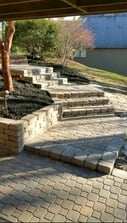 Central Ohio Landscape Renovations
They worked around existing hardscaping, damaged it, then refused to fix it. Beware this company
Jeremy and Dustin installed 55 foot sidewalk from front porch to street curb and widened my driveway by six feet from garage to curb 30 feet. They excavated, framed and poured concrete in both areas masterfully. They are dedicated to excellence in workmanship and friendly courteous customer...
 PNR Excavation and Services
We’re very happy with the patio Winnscapes installed for us. They worked with us to figure out what would be best for our space, coming out multiple times to talk with us. The walkthrough was thorough and the contract laid out every step of the process. The foreman went above and beyond,...
From average costs to expert advice, get all the answers you need to get your job done.
Sometimes, all your home needs is a new wall to make a room or provide an updated function to an existing space. Learn how much it costs to install a new wall in Columbus, OH.
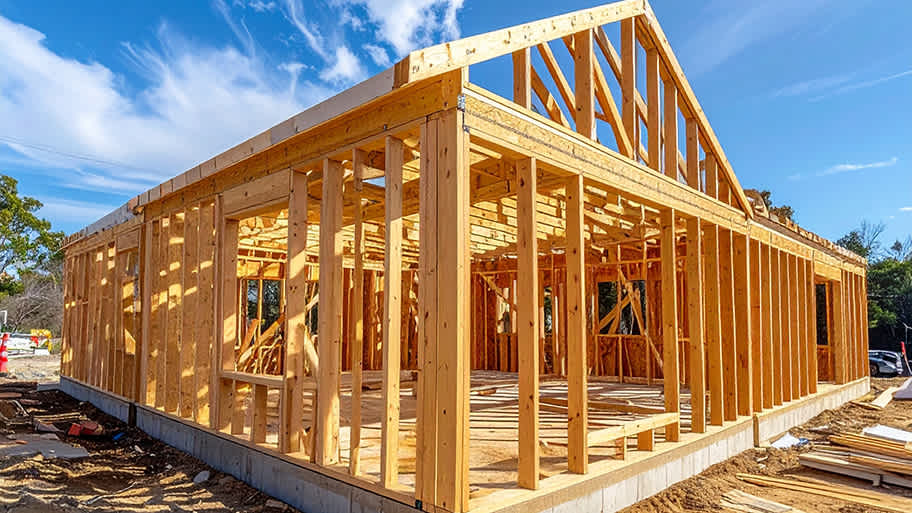
Find out the average cost to frame a house in Columbus, OH. Learn what you can expect to pay for local house framing materials and labor for your new build.
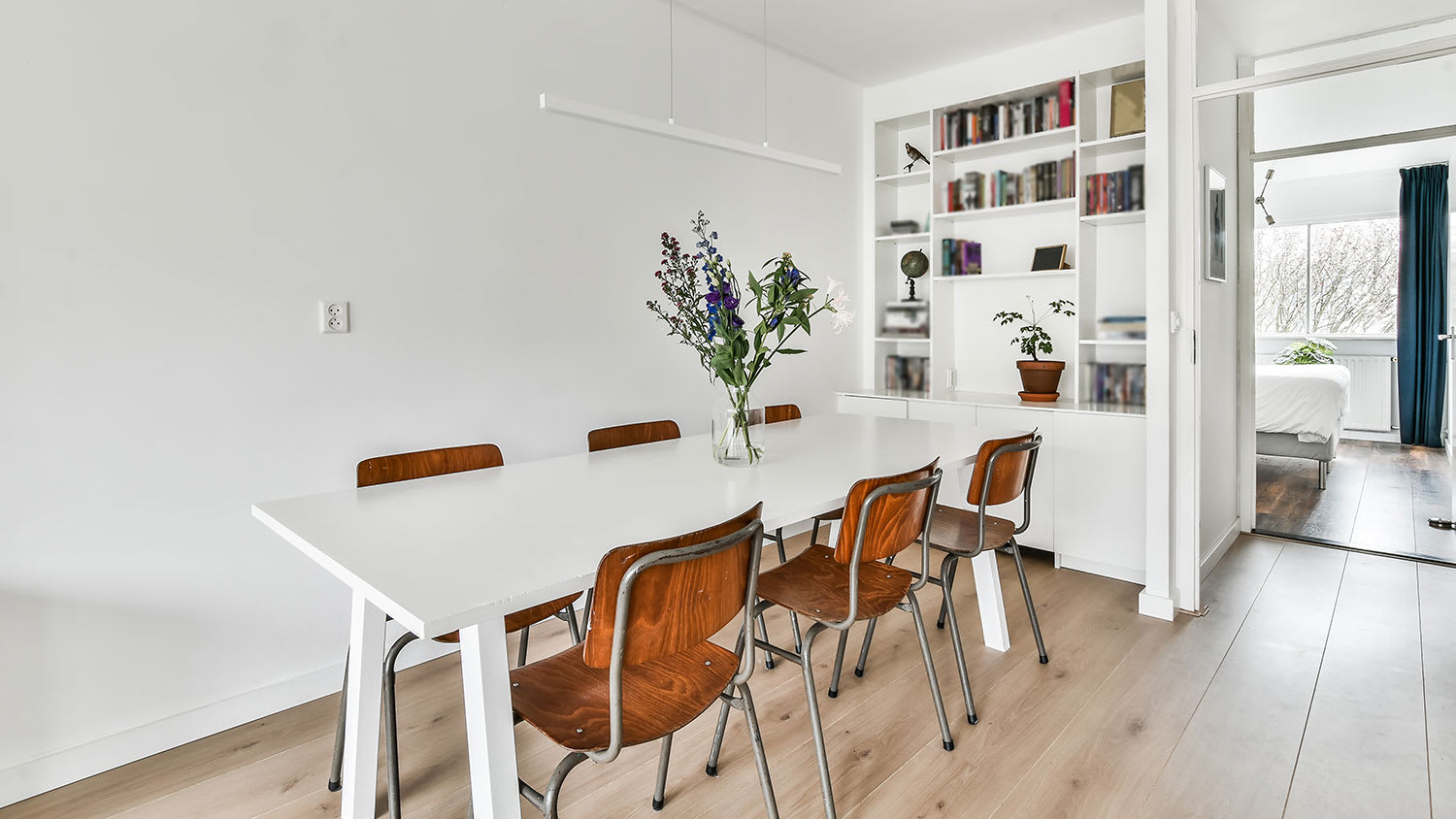
Wondering about the average drywall repair cost in Columbus, OH? Learn what to expect to pay for local patching services and get your walls looking flawless.
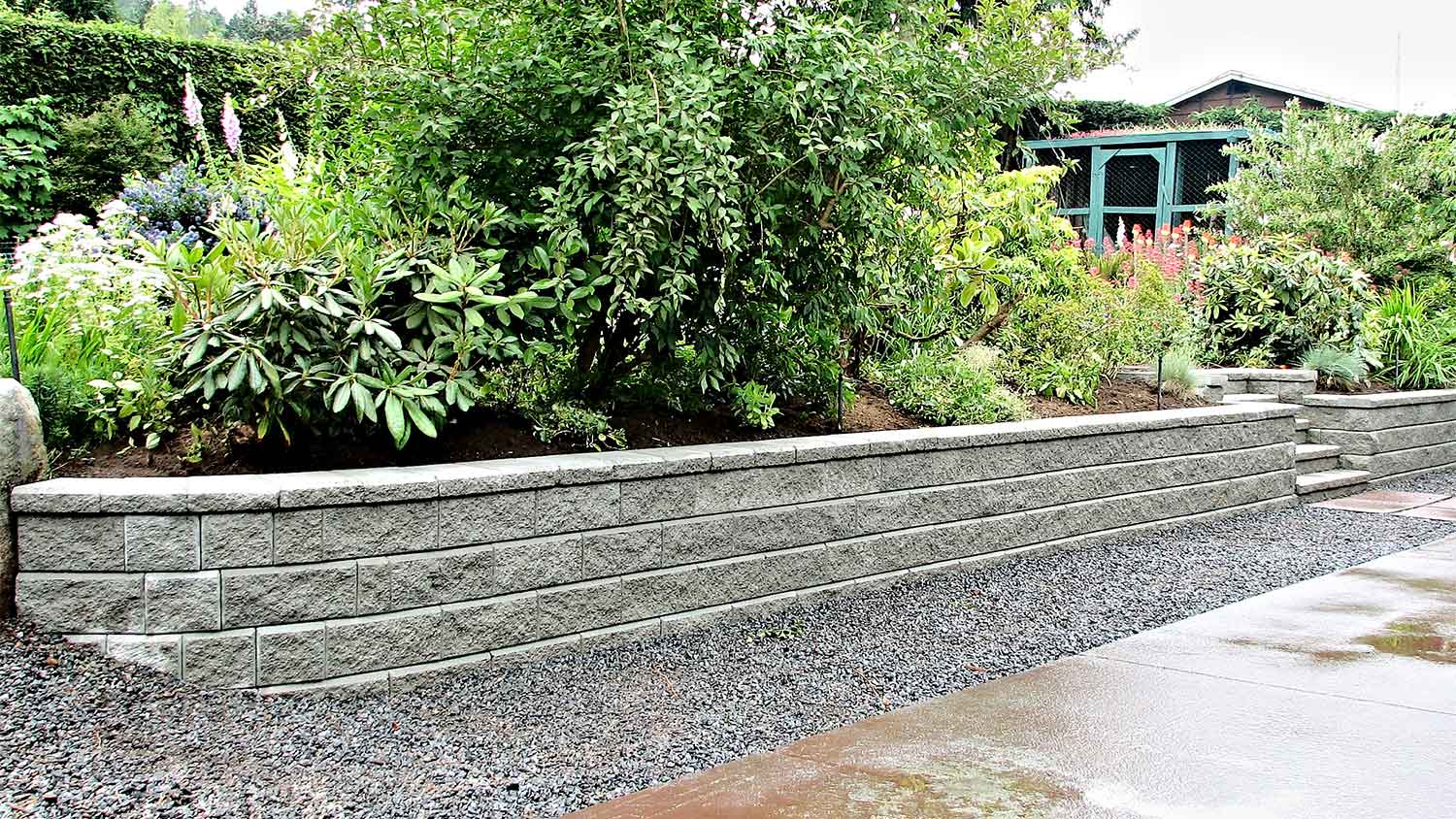
Retaining walls increase your yard space and your curb appeal. Use this step-by-step guide on how to build a retaining wall to put in your yard.
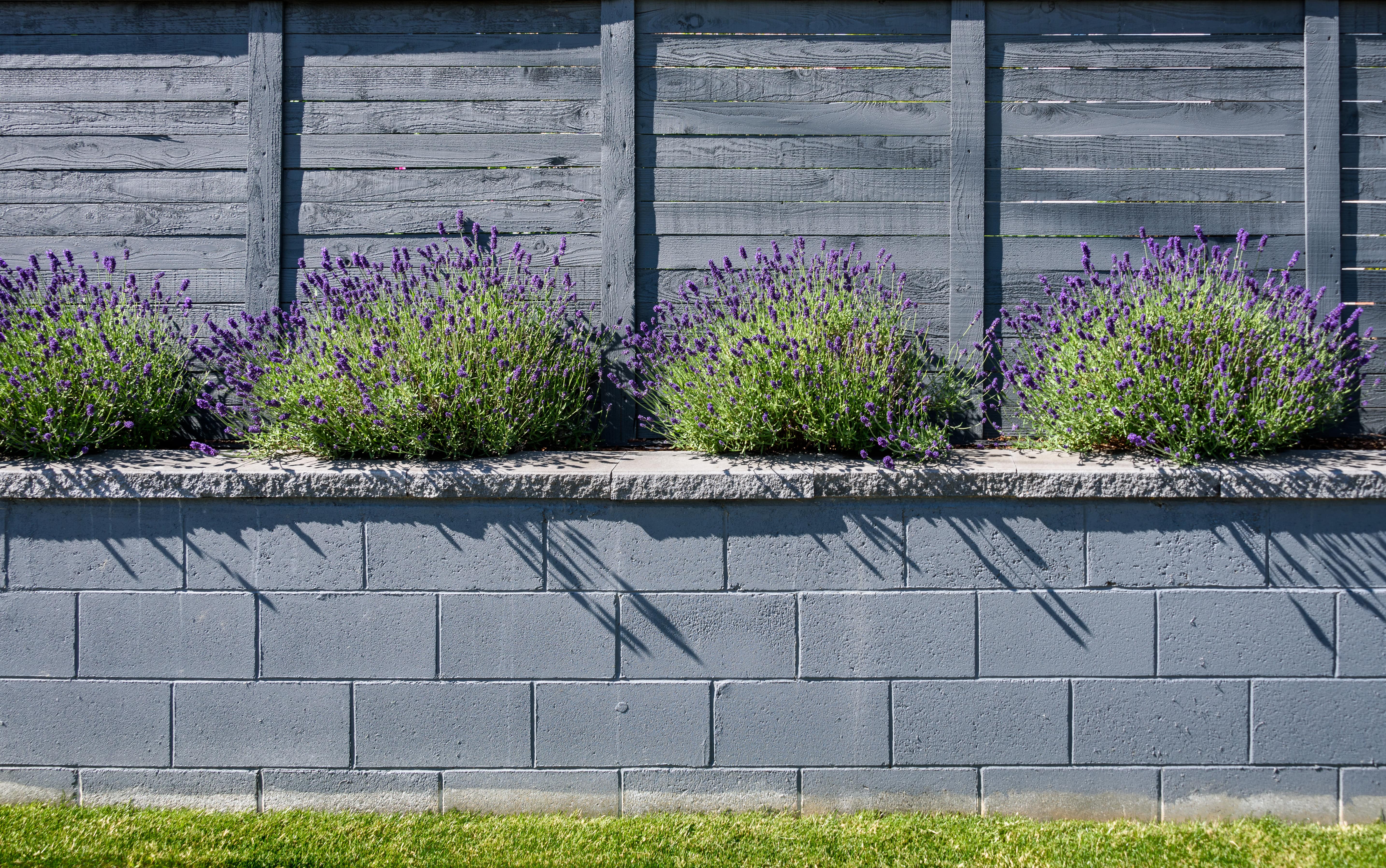
Thinking about building a concrete retaining wall? Learn about design options, costs to expect, and how to hire the right local pro for your yard.
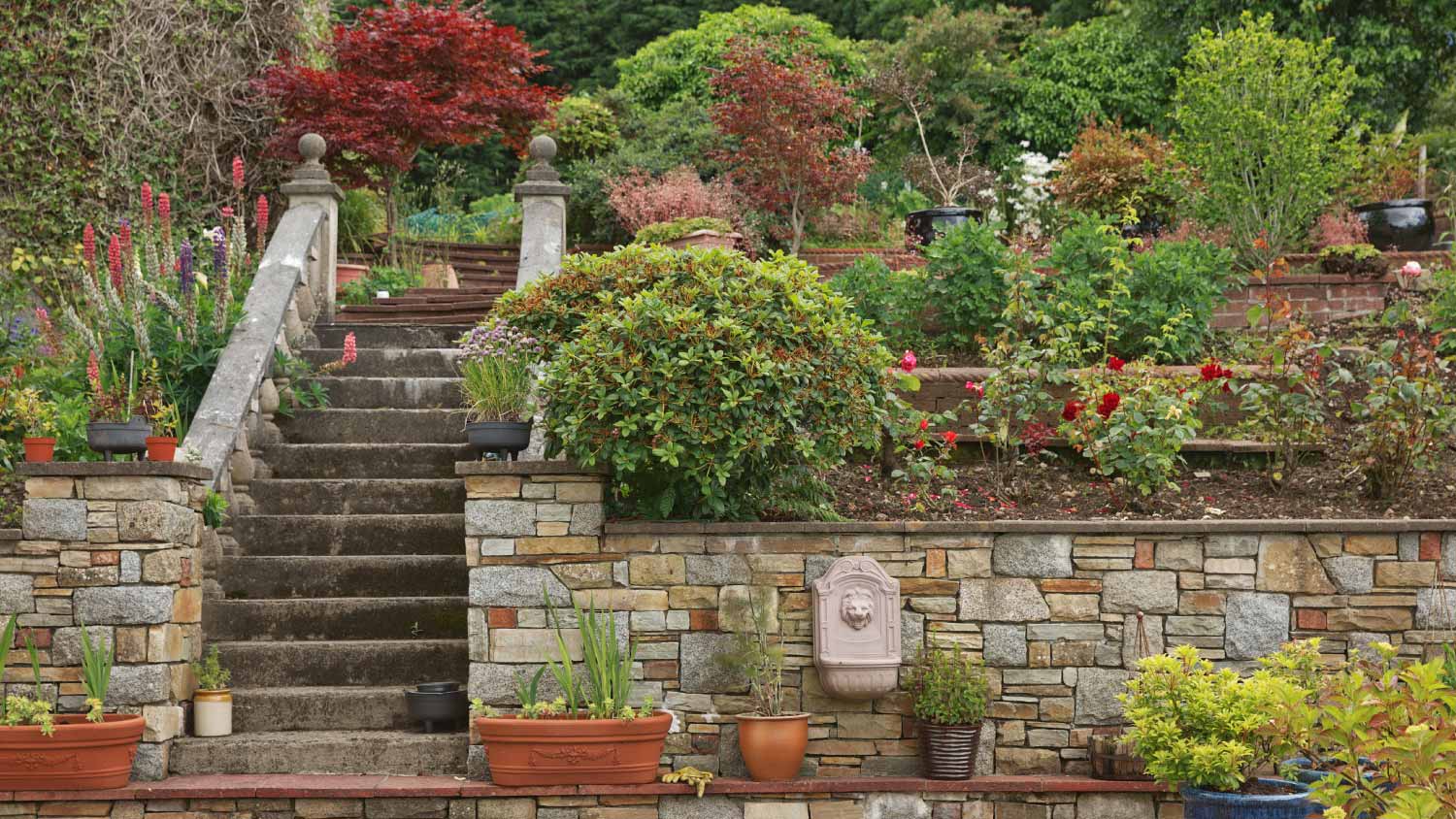
While it’s possible to DIY build a retaining wall, several pros have advanced knowledge of hardscaping and building. Learn who to hire to build a retaining wall.