
•
Find out the average basement remodel cost in St. Louis, MO. Learn what you can expect to pay for local basement finishing and plan your renovation budget.
Pavers and hardscaping service costs depend on your project and location. Check with a local pro for your specific job.

St. Louis, Missouri, sits on expansive clay soil that swells and shrinks, putting intense pressure on retaining walls.
Retaining walls taller than 18 inches may require permits in the St. Louis area.
Proper footings below the frost line guard against freeze-thaw cycles and soil movement.
Segmental retaining walls with good drainage withstand local soil and weather conditions.
Most retaining wall installations in St. Louis, Missouri, average $6,650, but budget between $3,112 and $10,280 depending on the size and scope of your project. St. Louis has no shortage of beautiful hillside properties, but the region’s expansive clay soil has a habit of humbling walls without proper reinforcement. Add Missouri’s heavy spring rains and freezing winters, and retaining walls in St. Louis become more than landscaping features—they’re structural investments in the safety of your property.
Retaining wall contractors in St. Louis, Missouri, face unique challenges: building walls that can handle soil that moves with the seasons, heavy rainfall that creates hydrostatic pressure, and freeze-thaw cycles that test every joint. Each project requires special knowledge and has different cost factors that will determine your budget
The length and height of your wall have the biggest impact on price, with taller retaining walls costing more per linear foot. For example, a 2-foot-tall retaining wall costs $40 to $200 per linear foot, while retaining walls up to 6 feet high cost about $375 per linear foot. The retaining wall block dimensions you choose will also impact costs.
The following table summarizes common retaining wall sizes and their average costs. Note that the lower end of the cost range is for walls 2 feet high, while the higher end of the cost range is for walls 6 feet or taller. A retaining wall calculator can help estimate how many blocks you’ll need.
| Length (Linear Feet) | Average Cost Range | Average Cost |
|---|---|---|
| 10 | $415–$3,625 | $2,020 |
| 15 | $625–$5,440 | $3,030 |
| 20 | $830–$7,250 | $4,040 |
| 25 | $1,040–$9,065 | $5,050 |
| 30 | $1,250–$10,875 | $6,060 |
| 50 | $2,075–$18,125 | $10,100 |
| 100 | $4,150–$36,250 | $20,200 |
| 150 | $6,225–$54,375 | $30,300 |
The type of retaining wall and material you choose will greatly affect what you pay. Here’s a look at the average prices for common retaining wall materials per square foot.
| Wall Material | Cost Range per Sq. Ft. (All-In) | Average Cost per Sq. Ft. (All-In) |
|---|---|---|
| Vinyl | $10–$20 | $15 |
| Railroad ties (wood) | $25–$30 | $27.50 |
| Timber | $15–$30 | $22.50 |
| Brick | $20–$30 | $25 |
| Rammed earth | $20–$30 | $25 |
| Gabion | $10–$45 | $27.50 |
| Stone | $20–$105 | $62.50 |
| Concrete | $30–$55 | $42.50 |
| I-beam | $40–$95 | $67.50 |
| Steel | $15–$160 | $87.50 |

Your contractor may charge an extra fee for material delivery. If that’s the case, expect to spend $30 to $100 per truckload of stone, brick, or concrete blocks.
The terrain and soil composition in the surrounding area impact the cost of building a retaining wall. Land in St. Louis ranges from relatively flat to significant hills, and properties in some areas have substantial elevation changes that create opportunities and challenges. Additional labor is needed for sloped grounds, which can increase labor costs by 50% or more. In this situation, the contractor must excavate to construct step-downs or terrace the slope to accommodate a safe retaining wall.
Additionally, the area’s soil varies from heavy clay to rocky. Clay retains moisture and shifts when moisture levels change. This makes St. Louis a challenging place to build a retaining wall. Where the soil is particularly unstable or rocky, extra work is needed to dig through it and compact it sufficiently to hold the wall once it's built.
Your contractor will prep the site before building the retaining wall. This may include land clearing, land grading, and tree removal. If your wall is more than 4 feet tall, you’ll need a structural engineer to design it. Here’s what you might pay for site prep.
| Service | Average Cost Range |
|---|---|
| Structural engineering | $325–$695 |
| Land clearing | $100–$235 per hour |
| Land grading | $825–$2,750 |
| Tree removal cost | $185–$1,850 |
All retaining walls need drainage, as their purpose is to stop erosion. There are various methods, including pipes, gravel, weep holes, and criblock designs. If you already have a retaining wall that isn’t properly draining, you may need to spring for repairs or a full replacement.
Because St. Louis gets upward of 40 inches of rain a year and the clay soil doesn’t allow water to drain easily, water can accumulate behind walls, creating hydrostatic pressure. This force is powerful enough to push even well-built walls forward, making them lean and eventually fall. Expect to spend $55 to $70 per linear foot on excavation to fix drainage issues. If you’re replacing the wall, it will cost $20 to $30 per linear foot to demolish the old wall and install a new one.
St. Louis sits on expansive smectite clay, which swells dramatically when wet and shrinks when dry. This cycle shifts the ground and can weaken walls that aren’t designed to withstand these forces. The soil in your yard will determine the type of retaining wall you can build. Certain walls work better with certain soil types, and your contractor may recommend wider footings, geogrid reinforcement, or compacted backfill material that doesn’t retain moisture.
In addition, rocky soil with many boulders will require your contractor to spend extra time clearing the land. It will also be more difficult to excavate, so you can expect higher labor costs across the board.
Your retaining wall may need reinforcement, which could increase your material and labor costs. A hardscaping pro will add rebar either horizontally or vertically. Rebar costs around $0.75 to $1.60 per square foot. If your wall is particularly long or tall, it may also require footings with different fill materials (costs vary by material).
A structural engineer adds reinforcements when:
The wall is taller than 4 feet
The wall is longer or taller than average
You’re installing a sea wall
You live in a climate with extreme weather
Waterproofing costs $1.85 to $9.25 per square foot and can increase the lifespan of your retaining wall. This stops water from seeping into wall joints, which can damage the structural integrity over time. Some materials (like vinyl) are more waterproof than others, so make sure to check with your contractor.
Who to hire to install a block wall is a major concern in St. Louis, where you need an experienced contractor who understands the unique soil and weather conditions. Here’s what factors into the cost of hiring a retaining wall pro in St. Louis, Missouri, to do the job right.
Labor is a significant part of hardscaping costs, including those for new retaining walls. A local hardscape contractor will charge an average of $50 to $75 per hour or $15 to $50 per square foot. Their rates will also depend on the wall’s materials and the overall complexity of the project, and their expertise with expansive clay soil and drainage systems. Interlocking retaining wall blocks or pin mechanisms are the fastest and easiest to install compared to hand-stacked limestone or I-beam retaining walls.
Most building permits cost between $44 and $100, but it depends on the cost of the job. According to the City of St. Louis, walls over 18 inches may require permits, depending on your exact location and the type of wall you’re installing. If your wall requires structural engineering, expect the permitting process to take two to three weeks longer and cost more for stamped designs. Always double-check the local regulations and check in with your contractor before breaking ground.
For larger projects, you may need to hire other pros:
Structural engineers near you design walls that withstand expansive clay pressure, freeze-thaw cycles, and hydrostatic forces. Expect to spend $100–$200 per hour.
Geotechnical engineers and nearby drainage contractors analyze soil conditions and recommend drainage solutions for foundations. Costs depend on the services you need.
Local landscape contractors integrate retaining walls with existing or new plantings. These can help manage surface water and complement your new wall. Budget $70–$145 per hour.
In the competitive St. Louis housing market, a well-built retaining wall not only protects your home but also adds visual appeal. Properties with good erosion control and level outdoor spaces may sell for more as savvy buyers look for homes with foundation protection and stable slopes. Here's what a quality retaining wall brings:
Safety: Properly engineered retaining walls prevent erosion and protect foundations from lateral pressure caused by expansive clay swelling—a critical concern in the St. Louis area.
Function: Walls with cooperating drainage systems manage heavy rainfall and prevent hydrostatic pressure buildup that threatens basements and foundations.
Aesthetics: Hardscaping adds value to outdoor spaces by creating curb appeal and visual interest. Retaining walls work hard and look good, too.
While retaining walls are an investment, you can expect a return of approximately 50% to 65% on a new retaining wall in St. Louis, especially if it’s engineered to push back against clay soil challenges or drainage concerns.
Home is the most important place on earth, which is why Angi has helped more than 150 million homeowners transform their houses into homes they adore. To help homeowners with their next project, Angi provides readers with the most accurate cost data and upholds strict editorial standards. We survey real Angi customers about their project costs to develop the pricing data you see, so you can make the best decisions for you and your home. We pair this data with research from reputable sources, including the U.S. Bureau of Labor Statistics, academic journals, market studies, and interviews with industry experts—all to ensure our prices reflect real-world projects.
Want to help us improve our cost data? Send us a recent project quote to [email protected]. Quotes and personal information will not be shared publicly.
Fantastic job! You can’t go wrong with any of your garden hardscape projects! Amazingly professional!
 Garden Expert, Inc.
I had several roofing issues on both my home and my shop building, and multiple companies told me they were unwilling to take on the challenges involved. Jake and his crew stepped up without hesitation, provided a very competitive price, and delivered workmanship that exceeded my...
 Reign Roofing and Remodeling
The boot around our plumbing stacks had been chewed through by squirrels and a leak into the house had developed. Joe used a drone to examine the roof as we looked on. He was able to get close to all 3 stacks so we could see the damage. What a mess. He quoted us a price similar to our other...
 ArmorSeal Roofing and Coating
I recently hired them to remove a large amount of construction debris and junk from a renovation project and I couldn’t be more impressed. From the initial phone call to the final haul, their team was professional, punctual, and incredibly efficient. They showed up on time with all the...
 Up and Out Junk removal
We worked with Max and his team on a large scale hardscaping project worth over $50,000. This included a new fence and complicated paver installation. The work itself was done well and we are happy with the results. Unfortunately, the last phase of the project Max ordered 36% overage of our...
 Los Valdivias Landscaping
I’ve used them for several different projects. Window replacement, basement windows and door replacement, E Shield attic insulation and windows and siding on my back porch.
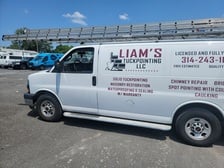
Tuckpointing job was extensive and involved flagstone/limestone front walk, front porch, stone rear patio, steps and wall. Mortar removed, stones replaced as necessary, and all areas tuckpointed. Overall, the quality of the work exceeded expectations. Of importance, the crew worked on a...
 Liams Tuckpointing LLC
I was drawn to this company because of the fantastic job they did on the balconies next door to my house. I saw their truck which advertised they also did concrete work. After speaking with Tom, I hired them to pour a new sidewalk and steps and level another set of steps. They had great...
They were so good at packing that they took apart and put back together my furniture without breaking it. They also helped me move my furniture and tools to the new place. Well done guys!
 Diverse Moving Solutions LLC
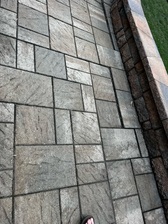
Owner Coorely and the CTC team are awesome at what they do! Coorely came for a consultation and explained what would be possible for hard scaping in our side yard garden area, going over positives and negatives and approximate cost of each option. Once we established our vision of a natural...
 CTC Landscaping, LLC
From average costs to expert advice, get all the answers you need to get your job done.
Find out the average basement remodel cost in St. Louis, MO. Learn what you can expect to pay for local basement finishing and plan your renovation budget.
.jpg?impolicy=leadImage)
Wondering how much does landscaping cost in St. Louis, MO? Discover average prices for local yard services and hardscaping to plan your outdoor project.
Find out the average beam installation cost in St. Louis, MO. Learn what you can expect to pay for materials and labor to safely support your home.
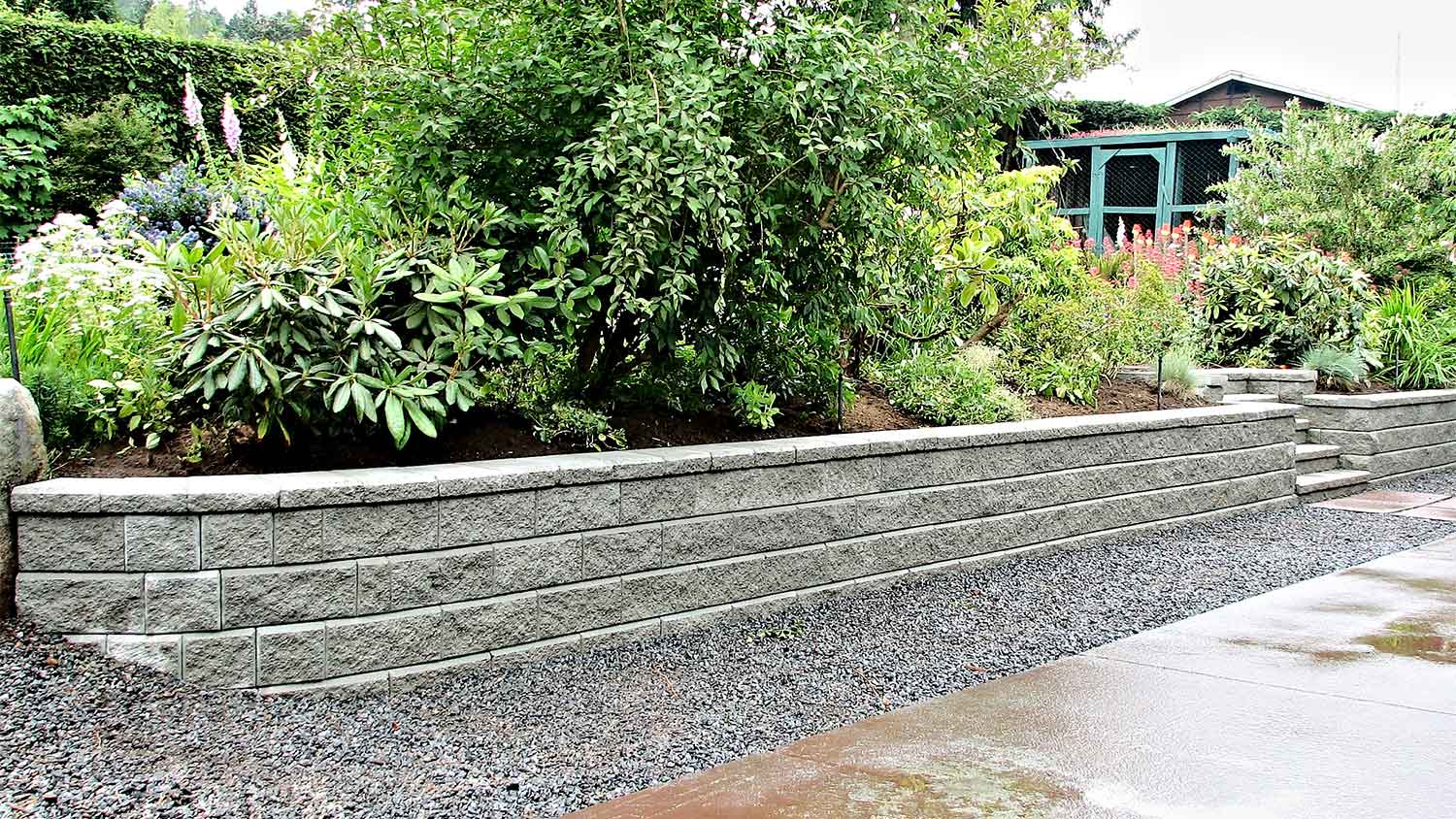
Retaining walls increase your yard space and your curb appeal. Use this step-by-step guide on how to build a retaining wall to put in your yard.
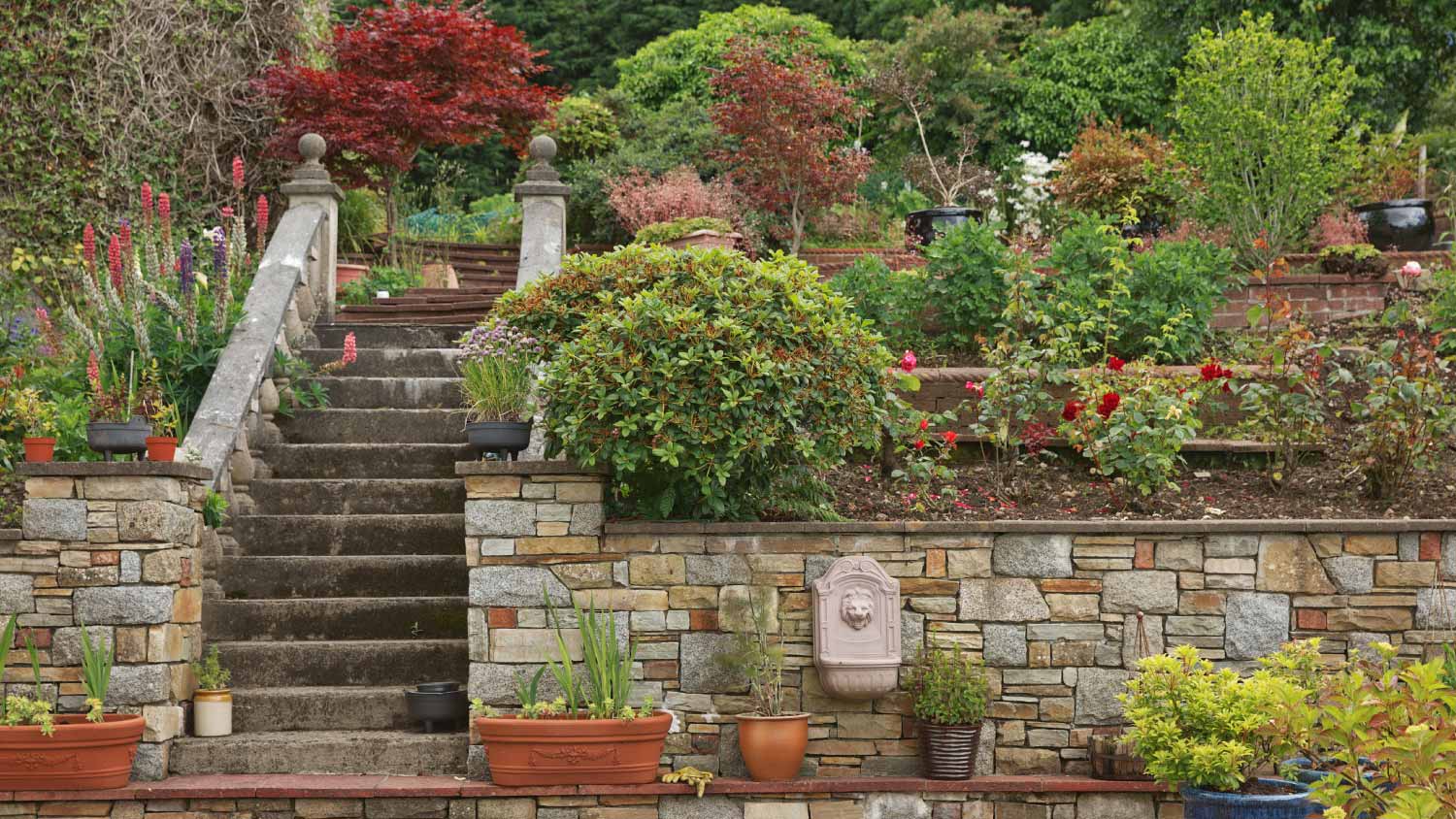
While it’s possible to DIY build a retaining wall, several pros have advanced knowledge of hardscaping and building. Learn who to hire to build a retaining wall.
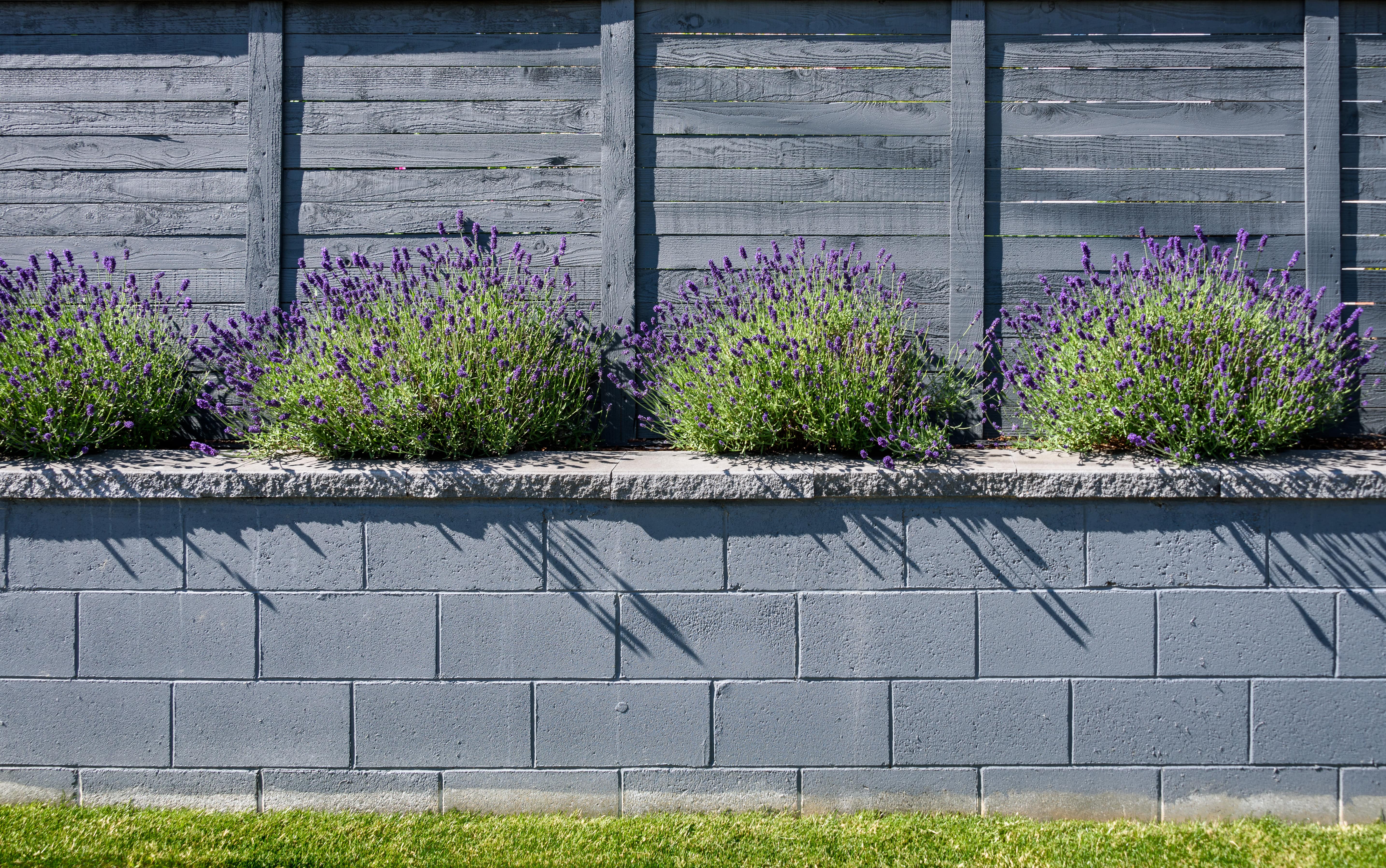
Thinking about building a concrete retaining wall? Learn about design options, costs to expect, and how to hire the right local pro for your yard.