
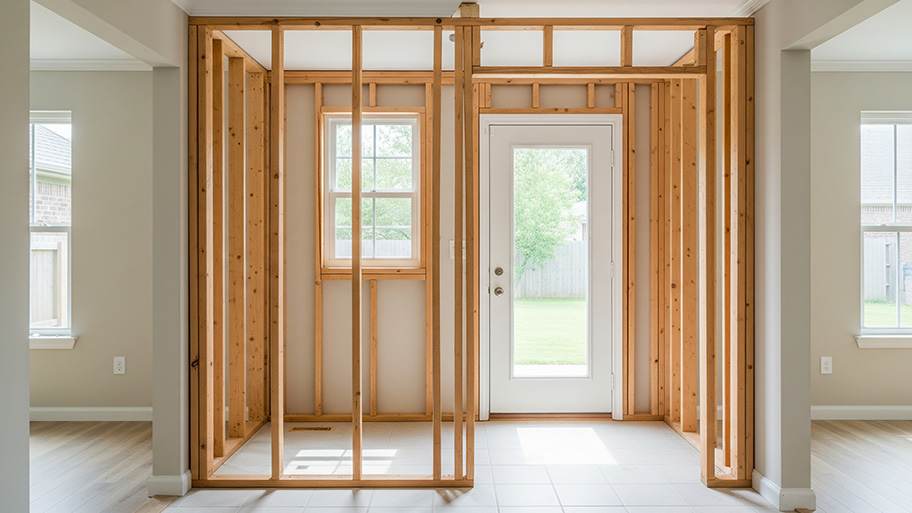
Sometimes, all your home needs is a new wall to make a room or provide an updated function to an existing space. Learn how much it costs to install a new wall in Denver, CO.
Pavers and hardscaping service costs depend on your project and location. Check with a local pro for your specific job.

Safe retaining walls need footings below the frost line to prevent frost heave damage in Denver.
Choose materials engineered for both freezing temperatures and those above 90 degrees Fahrenheit.
Natural boulder walls are popular because they withstand temperature extremes and match Denver’s mountain aesthetic.
Proper drainage helps manage spring rains and prevent pressure from water buildup.
Retaining walls can boost property values by 5% to 15% by adding usable space and curb appeal.
Installing a retaining wall in Denver, Colorado, costs an average of $5,476, but you could spend between $3,153 and $8,265. Retaining walls in the Denver area are subject to freeze-thaw cycles, clay soil, and temperature swings that can buckle installations without proper engineering. Getting the details right on frost depth, drainage, and material selection makes the difference between a wall that lasts decades and one that leans by spring. Here’s how you can budget for a safe and aesthetically pleasing retaining wall.
Denver’s combination of cold winters and hot summers, varied terrain, and soil conditions means every retaining wall requires careful planning. From slight slopes to rolling terrain to dramatic elevation changes, each property presents its own set of challenges. Let’s take a look at how these factors will impact your budget.
The length and height of your wall have the biggest impact on price, with taller retaining walls costing more per linear foot. For example, a 2-foot-tall retaining wall costs $50 to $280 per linear foot, while retaining walls up to 6 feet high cost about $440 per linear foot. The retaining wall block dimensions you choose also impact costs.
The following table summarizes common retaining wall sizes and their average costs. Note that the lower end of the cost range is for walls 2 feet high, while the higher end of the cost range is for walls 6 feet or taller. A retaining wall calculator can help you estimate how many blocks you’ll need.
| Length (Linear Feet) | Average Cost Range | Average Cost |
|---|---|---|
| 10 | $500–$4,400 | $2,450 |
| 15 | $750–$6,600 | $3,675 |
| 20 | $1,000–$8,800 | $4,900 |
| 25 | $1,250–$11,000 | $6,125 |
| 30 | $1,500–$13,200 | $7,350 |
| 50 | $2,500–$22,000 | $12,250 |
| 100 | $5,000–$44,000 | $24,500 |
| 150 | $7,500–$66,000 | $36,750 |
The type of retaining wall and material you choose will greatly affect what you pay. Here’s a look at the average prices for common retaining wall materials per square foot.
| Wall Material | Cost Range per Sq. Ft. (All-In) | Average Cost per Sq. Ft. (All-In) |
|---|---|---|
| Vinyl | $10–$20 | $15 |
| Railroad ties (wood) | $30–$40 | $35 |
| Timber | $20–$40 | $30 |
| Brick | $25–$30 | $27.50 |
| Rammed earth | $25–$30 | $27.50 |
| Gabion | $10–$50 | $30 |
| Stone | $25–$120 | $72.50 |
| Concrete | $40–$60 | $50 |
| I-beam | $50–$110 | $80 |
| Steel | $130–$185 | $157.50 |

While labor and materials are the largest factors in hardscaping costs, your contractor may charge an extra fee for material delivery. If that’s the case, expect to spend $40 to $120 per truckload of stone, brick, or concrete blocks.
The terrain and soil composition in the surrounding area—whether natural boulder walls terrace your hillside lot, or you need sleek concrete block systems to carve usable space from a sloped yard—impact the cost of building a retaining wall. Additional labor is needed for sloped grounds, which can increase labor costs by 50% or more. In this situation, the contractor must excavate to construct step-downs or terrace the slope to accommodate a safe retaining wall.
Your contractor will prep the site before building the retaining wall. This may include land clearing, land grading, and tree removal. If your wall is more than 4 feet tall, you’ll need a structural engineer to design it. Here’s what you might pay for site prep.
| Service | Average Cost Range |
|---|---|
| Structural engineering | $430–$915 |
| Land clearing | $140–$305 per hour |
| Land grading | $1,100–$3,680 |
| Tree removal cost | $245–$2,450 |
All retaining walls need drainage, as their purpose is to stop erosion. There are various methods, including pipes, gravel, weep holes, and criblock designs. If you already have a retaining wall that isn’t properly draining, you may need to spring for repairs or a full replacement.
Expect to spend $75 to $90 per linear foot on excavation to fix drainage issues. If you’re replacing the wall, it will cost $25 to $40 per linear foot to demolish the old wall and install a new one.
The soil in your yard will determine the type of retaining wall you can build. Certain walls work better with certain soil types. For example, malleable clay soil may not be sturdy enough to support heavy wall materials. Furthermore, clay or silt soil can expand under pressure from frozen water, causing frost heave that can crack and damage a retaining wall.
In addition, rocky soil with many boulders will require your contractor to spend extra time clearing the land. It will also be more difficult to excavate, so you can expect higher labor costs across the board.
Your retaining wall may need reinforcement, which could increase your material and labor costs. A hardscaping pro will add rebar either horizontally or vertically. Rebar costs around $1 to $2 per square foot. If your wall is particularly long or tall, it may also require footings with different fill materials (costs vary by material).
A structural engineer adds reinforcements when:
The wall is taller than 4 feet
The wall is longer or taller than average
You’re installing a sea wall
You live in a climate with extreme weather
Waterproofing costs $2.50 to $15 per square foot and can increase the lifespan of your retaining wall. This stops water from seeping into wall joints, which can damage the structural integrity over time. Some materials (like vinyl) are more waterproof than others, so make sure to check with your contractor.
Who to hire to install a block wall is an important question when facing Denver’s climate, frost heave risks, and the need for freeze-resistant materials. You’ll want to work with a retaining wall pro in Denver, Colorado, who is experienced with the unique challenges of this project in this area of Colorado. Here’s what factors into the cost of hiring a pro.
Labor is a significant part of retaining wall costs. A local hardscape contractor will charge an average of $60 to $95 per hour or $20 to $60 per square foot. Denver’s cost of living is higher than the national average, which directly impacts labor rates and the overall price of construction.
Their rates will also depend on the wall’s materials and the overall complexity of the project. Interlocking retaining wall blocks or pin mechanisms are the fastest and easiest to install compared to hand-stacked limestone or I-beam retaining walls.
Building permits cost between $200 and $500 for a typical retaining wall in Denver, but fees can go up based on the project’s value. Most homeowners will need a permit for walls that support a surcharge or are taller than 4 feet, although requirements for landmark and historical homes vary. Keep in mind that approval times can range from two to four weeks.
For walls that require structural engineering, your engineer will need to submit sealed plans that show proper frost protection and drainage design. This process ensures your wall meets local building codes.
For larger and more complex projects, you may need to hire additional pros beyond your hardscaping contractor.
Structural engineers in your area can ensure your wall will stand up to frost heave, pressure from snowmelt and rainwater, and Denver’s fast freeze-thaw cycles. Budget for $125–$245 per hour.
Local landscapers can integrate new retaining walls into your current landscaping, or recommend new xeriscaping and drought-tolerant plants suited to Denver’s climate. Plan to spend $90–$185 per hour.
Drainage pros near you can give you customized solutions if your property has issues with rainwater or snowmelt, or if it’s located in a low-lying area that accumulates water.
In Denver’s competitive housing market, retaining walls add value. Outdoor improvements make properties look better, keep yard components where they should be, and can attract buyers. Here’s what a quality retaining wall will add to your property:
Safety: Frost heave and erosion can move soil and damage your foundation. Instead, retaining walls stop the freezing and thawing ground from shifting.
Function: Properly engineered walls with deep footings below the frost line (at least 36 inches deep in Denver), coupled with drainage systems that manage rainwater and melting snow, prevent foundation damage and basement flooding.
Aesthetics: Bring Denver’s mountain vistas and rocky terrain to your yard with natural boulder walls and high-quality engineered block systems.
Usable Space: Retaining walls create flat areas for patios, gardens, and play spaces.
A retaining wall has the potential to add 5% to 15% to home value, particularly if it addresses erosion or frost heave. If your home is in an area with significant elevation changes, a good retaining wall engineered to stand up to freeze-thaw conditions can be a major selling point.
Home is the most important place on earth, which is why Angi has helped more than 150 million homeowners transform their houses into homes they adore. To help homeowners with their next project, Angi provides readers with the most accurate cost data and upholds strict editorial standards. We survey real Angi customers about their project costs to develop the pricing data you see, so you can make the best decisions for you and your home. We pair this data with research from reputable sources, including the U.S. Bureau of Labor Statistics, academic journals, market studies, and interviews with industry experts—all to ensure our prices reflect real-world projects.
Want to help us improve our cost data? Send us a recent project quote to [email protected]. Quotes and personal information will not be shared publicly.
The paver driveway they installed is not only beautiful but also incredibly durable. The team worked hard and was approachable, always ready to discuss any concerns I had. They kept the site clean and organized, which made the entire experience stress-free. Their professionalism really stood...
 NYCO Concrete & Design
Smoky Hill Roofing did an excellent job. They were fast and professional, and the work was outstanding.
 Smoky Hill Roofing
Lu has done several projects for us. From redesigning the backyard, installing paver patio and walkways, removing sod and installing rock. Updating border landscaping in front yard and general yard clean up, trimming and planting. No matter the project he paid attention to every detail, is...
 LuScape Lawn & Garden
LIDC has quality characteristics of integrity, professionalism,knowledgeable, pleasant, efficient, concerned, patience with good attitude. I have used LIDC for years for landscape irrigation sprinkler services, always having great experiences and my lawns always look great. Recently, LIDC...
 LIDC Irrigation & Landscape Specialists
Bryan and the crew - Omar, Mauricio and all - were fantastic. They are such professionals and artisans. We had several patios and walks installed and maintained. We would highly recommend Paver Savers for brick and landscaping projects.
 Paver Savers of Denver, LLC
Installed two pavers patios with Cody. Both turned out great. When one started to move his team quickly came out and repaired it, and I couldn't even tell they dug up the area. I also hired them to rebuild my irrigation sprinkler manifold when it broke. Quick same day repair.
The crew did an excellent job. They arrived on time; we frequently discussed the plan; they were very professional, answered all my questions and did an excellent job of cleaning up. My backyard looks much more spacious, relaxing and beautiful. They removed old metal edging that was becoming...
 R & R Fence & Landscape Design
Excellent hard work. Two days of removing rocks and pavers in barely thawed dirt. Highly recommended!
 Evergreen Landscaping Services, LLC
Attention to detail was great on the new fence! I also hired them to do brick pavers their work is awesome! I highly recommend Majestic renovations to do your work that you need!
 Majestic Renovations, LLC
They have worked for me 3 times; installing flagstone in three places, installing a stone border around my entire yard and stone walls and planter as part of an entryway remodel. Sergio is very easy to work with and his team does excellent work and are reasonably priced. They also did not...
 SRG Hardscapes & Masonry, LLC
From average costs to expert advice, get all the answers you need to get your job done.
Sometimes, all your home needs is a new wall to make a room or provide an updated function to an existing space. Learn how much it costs to install a new wall in Denver, CO.
Find out the average earthquake protection retrofitting cost in Denver, CO. Learn what you can expect to pay to secure your home's foundation and stay safe.
Garages increase curb appeal and have a high ROI. Use this guide to learn about the average cost to build a garage in Denver, CO, and budget for your project.
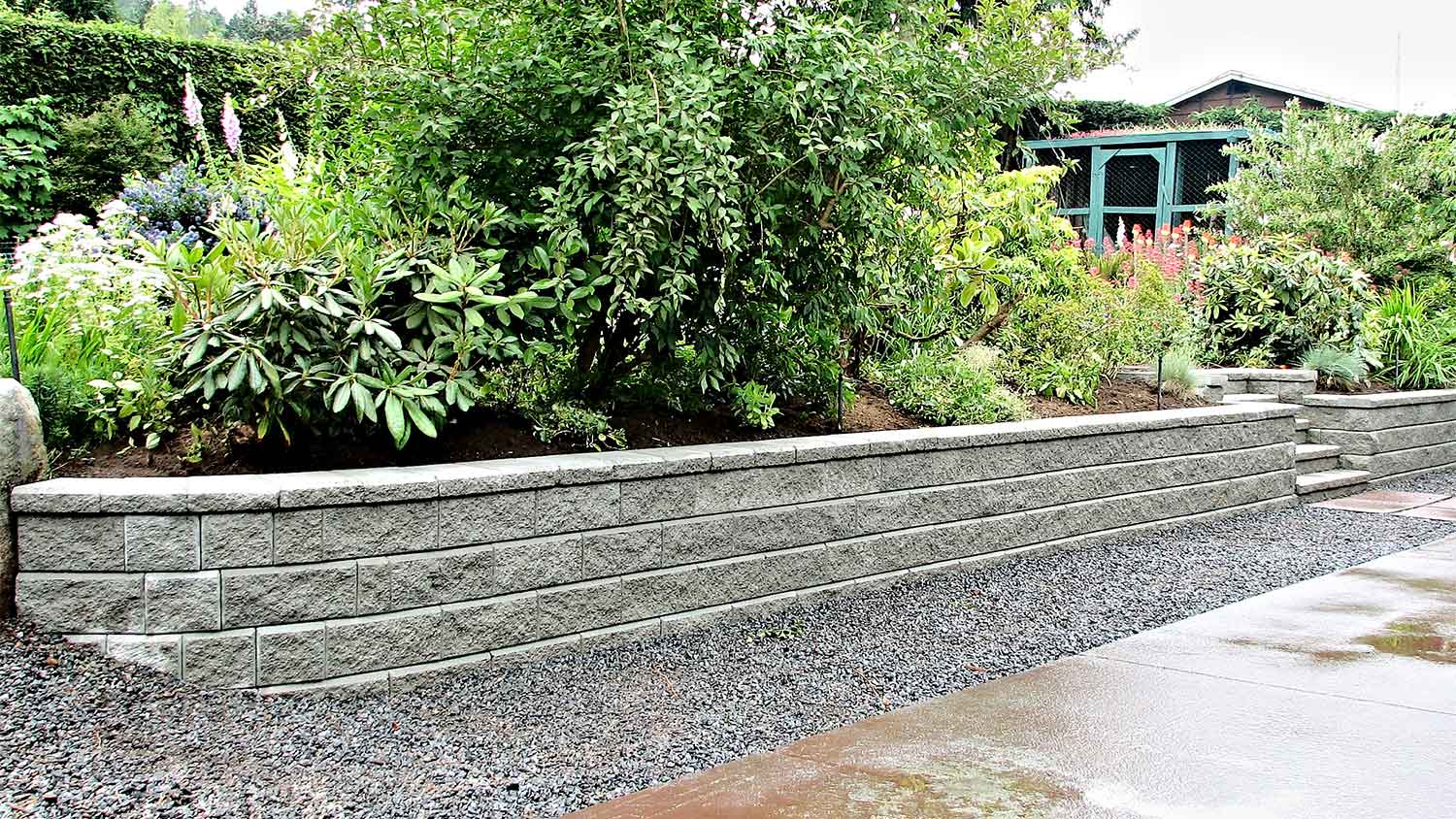
Retaining walls increase your yard space and your curb appeal. Use this step-by-step guide on how to build a retaining wall to put in your yard.
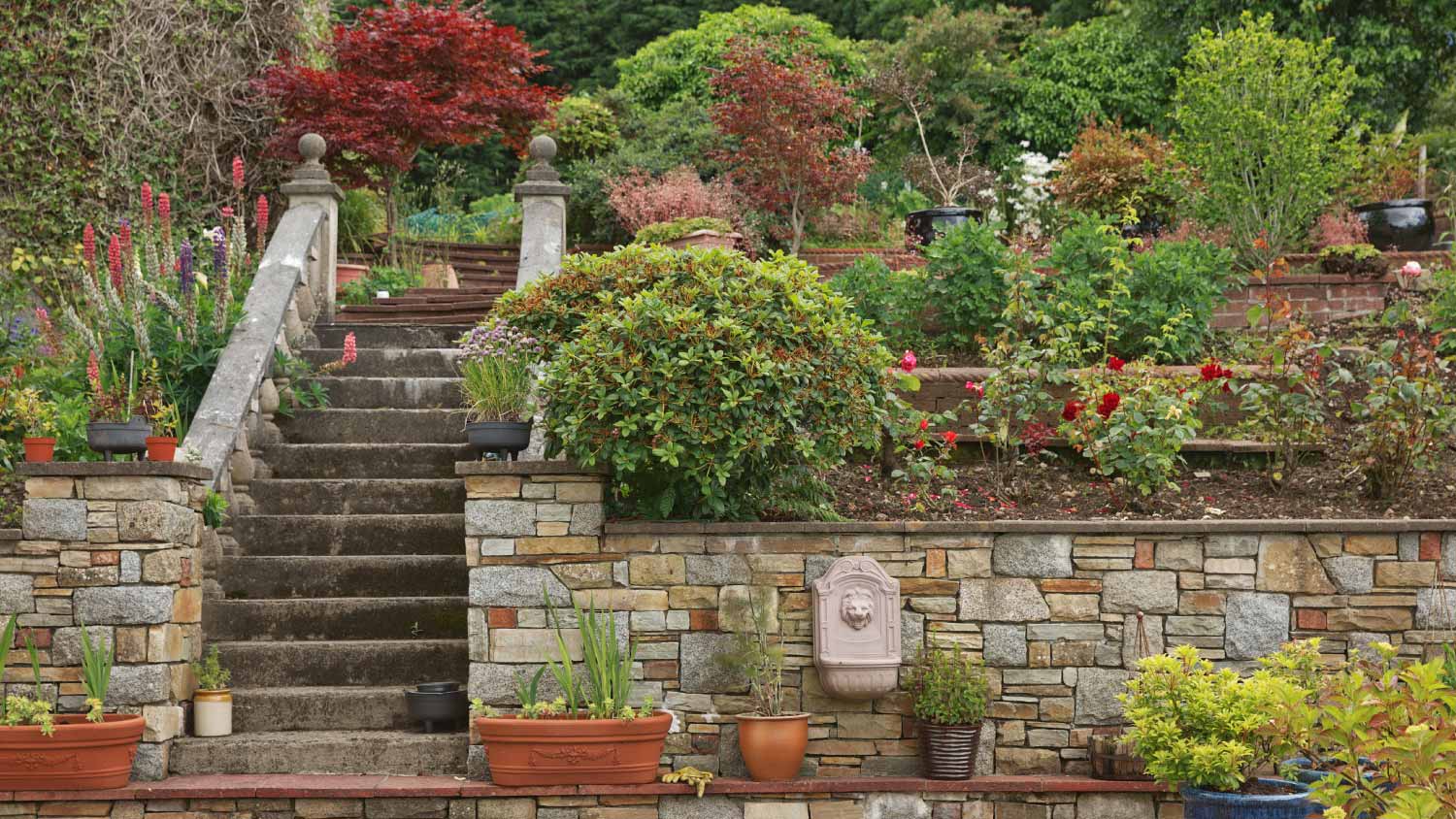
While it’s possible to DIY build a retaining wall, several pros have advanced knowledge of hardscaping and building. Learn who to hire to build a retaining wall.
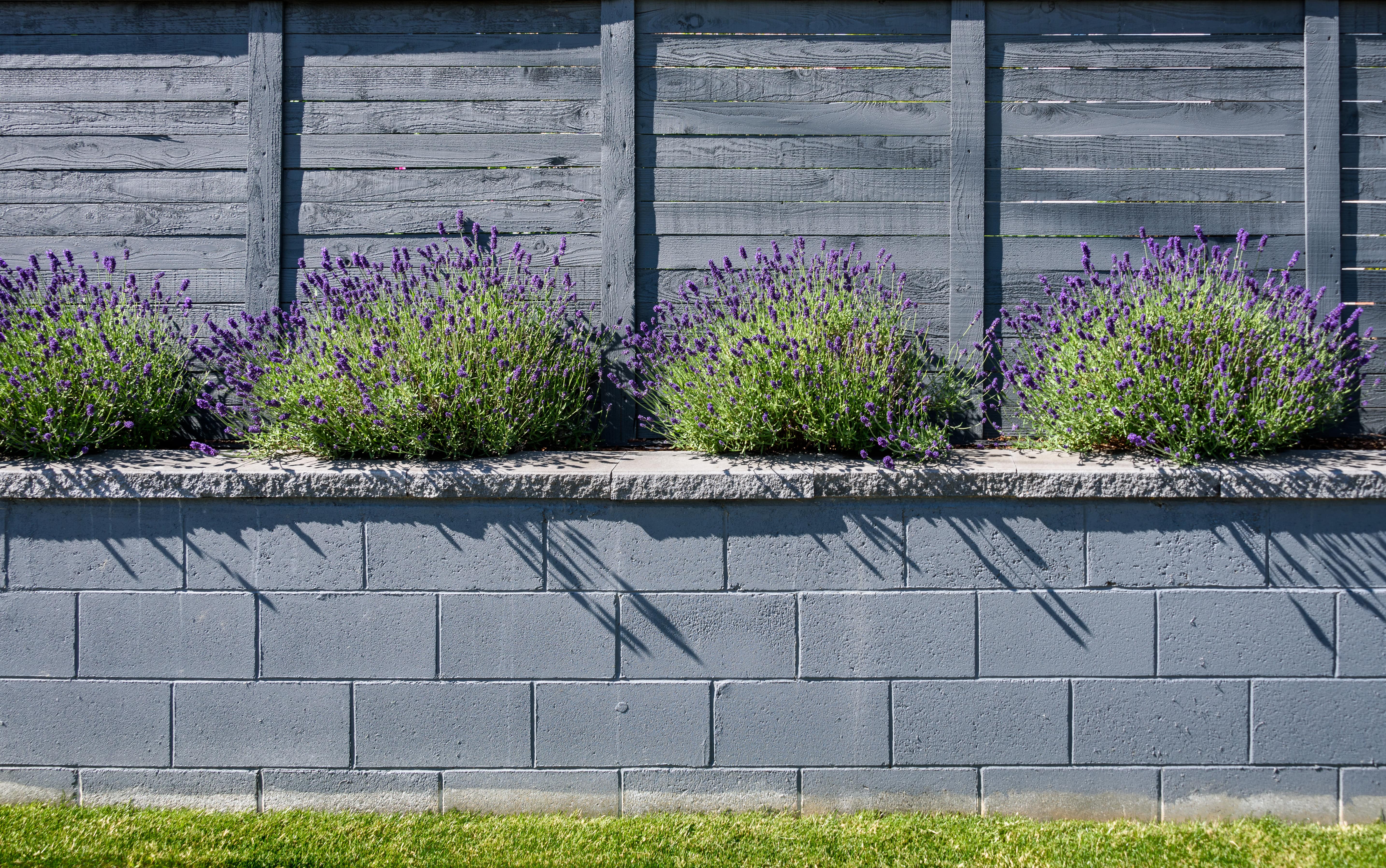
Thinking about building a concrete retaining wall? Learn about design options, costs to expect, and how to hire the right local pro for your yard.