
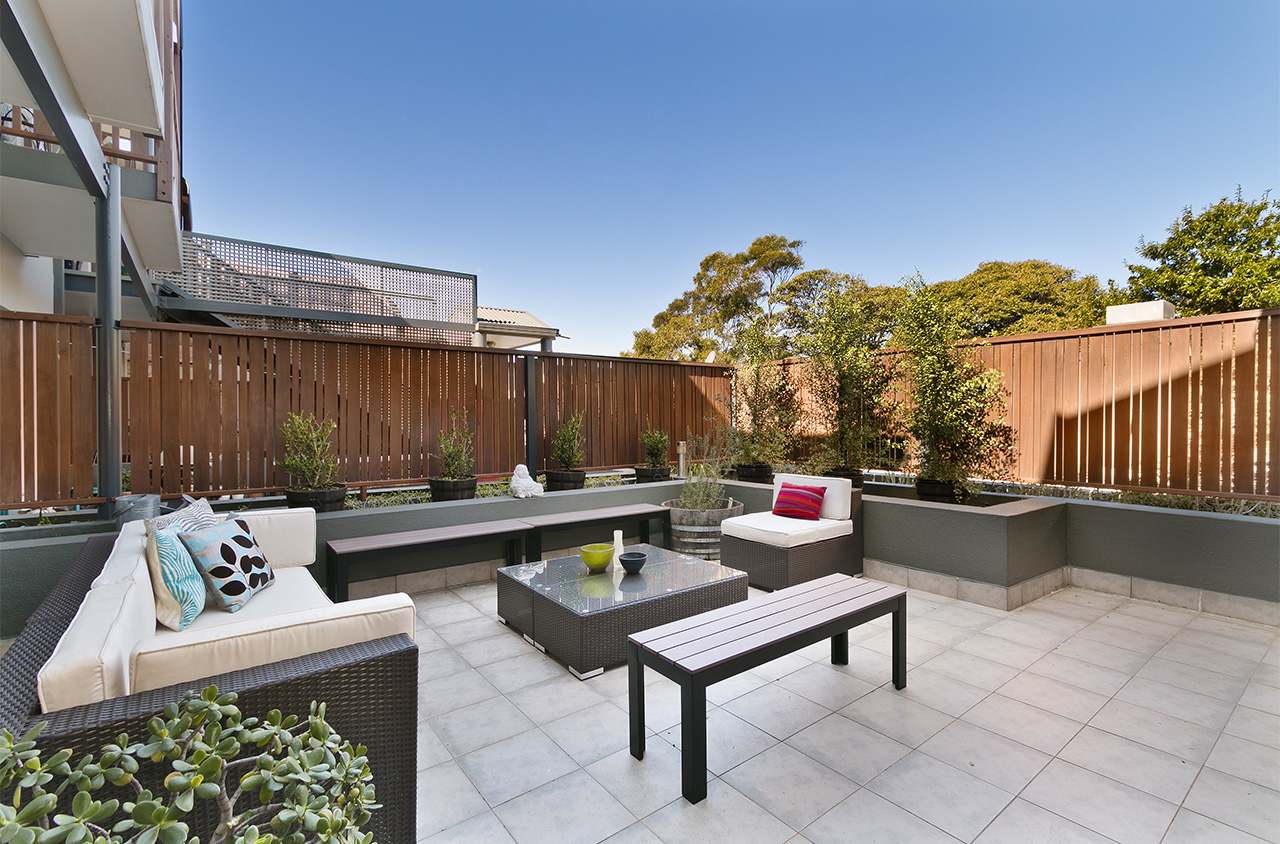
The cost to build a wood fence in Austin, TX depends on the size, material, add-ons, and more. Read this guide to learn how each cost factor impacts the price of a wood fence.
Fencing service costs depend on your project and location. Check with a local pro for your specific job.

The size of your lot and the shape of your property are the two most significant cost factors to consider, but fence height, mesh size, and materials matter, too.
The average lot size in Austin is 0.22 acres or close to 9,600 square feet, so adjust your cost expectations based on how your property compares.
Don’t forget to budget for your permit fees, which cost a flat rate of $132.86 in Austin.
Some homeowners may need to budget extra for land leveling, particularly on the west side of the city, where the terrain is more varied.
The average cost of a chain-link fence in Austin is $2,899, and most projects total between $1,817 and $4,462. Your cost will mostly depend on the size of your property, but the shape of your lot, the fence height, and material options can all play important roles, as well. Fence costs in Austin are higher than the national average, in part due to the higher labor costs that stem from the above-average cost of living.

Some residents in Austin, Texas, pay as little as $1,200 to install a chain-link fence, while others pay up to $5,000. You should consider all of the following factors to get an accurate estimate for where your total will fall within that wide range.
Chain-link fence installation costs $9 to $49 per linear foot, which includes materials and labor, with an average price range of $12 to $25 per linear foot. Contractors often issue estimates with a per-linear-foot calculation, and costs increase as the fence size gets larger.
The height of your fence also determines your per-square-foot costs. If you just need a fence to keep your dog contained, you’ll pay less for a shorter fence, whereas a taller fence for privacy will drive costs higher. Here’s what you might pay based on chain-link fence height:
| Fence Height | Average Cost Range (per Linear Ft.) |
|---|---|
| 4 feet | $9–$25 |
| 5 feet | $10–$27 |
| 6 feet | $12–$35 |
| 8 feet | $14–$41 |
| 10 feet | $20–$49 |
The most affordable types of chain-link fences (galvanized and wood-post) start at $6 per linear foot. On the other hand, the most expensive type (wrought iron) can reach prices up to $120 per linear foot.
Here’s how the type of chain link fence affects the cost in Austin:
| Type of Fence | Average Cost Range (per Linear Ft.) | Pros | Cons |
|---|---|---|---|
| Galvanized chain link | $6–$10 | Resists rust in above-average rainfall | Curb appeal |
| Cyclone or hurricane fence | $9–$49 | Most resilient to supercell thunderstorms and tornadoes | Curb appeal |
| Wood post chain-link Fence | $6–$55 | Boosted curb appeal | Higher maintenance needs |
| Wrought iron post chain-link | $63–$121 | Excellent durability | Most expensive |
“Diamond size” refers to how large the opening is between each link. Smaller mesh offers more privacy but decreases visibility and requires more materials. The most common residential size is 2” x 2”, which costs $3 to $10 per linear foot. Decreasing the diamond hole to 1” x 1” costs between $9 and $19 per linear foot.
The thickness of the chain that creates the links, otherwise called its gauge, reflects the project cost as it determines the cost of materials. Basically, the higher the gauge number, the thinner the metal strands, translating to a lower cost of materials.
Thicker strands last longer, provide more security, and are generally more resistant to rust and inclement weather. Since Austin residents see some extreme weather, like supercell thunderstorms and occasional tornadoes that can blow debris into fencing, upgrading to a thicker gauge can improve fence longevity.
| 11.5-Gauge Chain | 9-Gauge Chain | 6-Gauge Chain |
|---|---|---|
| $1.75–$8.50 per square foot | $2.25–$12.25 per square foot | $4.75–$24.25 per square foot |
| Low security; light and thin | Most common type for residential fencing | Best for heavy commercial or security applications |
Your fence needs posts to help it remain sturdy, and posts can also provide a bit of unique aesthetic flair. Putting in standard posts costs an average of $3.50 per linear foot, or $36 per post. Most contractors wrap this cost into the overall estimate, as you can’t have a fence without something to hold it together.
Your fence installer will have an easier time putting your fence in if you have clear and level land, and an easier installation means lower labor costs.
The eastern part of Austin is relatively flat and level, so you’re unlikely to need heavy leveling there, but you may need to budget a bit extra in the western part of Austin, where the topography is hillier and may require some prep work. Austin has heavy clay soil, too, which can contribute to even higher land leveling costs. Clearing trees, shrubs, and other landscaping features can also add to your total.
Land clearing cost: $300 to $3,400
Land leveling cost: $1,000 to $3,700
Chain-link fences are basic in design and functionality, so you may need to consider the cost of add-ons to get more value from your fence. The table below includes average costs for common add-on services in Austin. Given the below-average property sizes and the above-average population density, you may specifically want to consider privacy screens, slats, or faux ivy to limit the view of your yard from neighboring properties.
| Add-On | Cost Range |
|---|---|
| Faux ivy | $0.50–$1.25 per linear foot |
| Swing gates | $120–$550 each |
| Privacy screens | $3.50 per linear foot |
| Privacy slats | $3.50–$12.25 per linear foot |
| Powder coating | $7–$9.75 per linear foot |
On average, around 50% of your total cost will go toward labor when you hire a fence installation company in Austin. Expect labor alone to cost between $720 and $2,000, or between $9 and $49 per linear foot.
On an hourly basis, labor costs are higher than you’d see in most other cities, due mostly to the fact that the cost of living in Austin is 11% higher than the national average. Total project costs can be higher or lower than average based on individual property size, material choices, and necessary prepwork.
In addition to labor, you should budget for permit fees. Your installer will pull the necessary permits, but you’ll be responsible for the fee. The City of Austin charges a flat rate of $132.86 for fence permits. You’ll need a permit if any of the following apply:
You’re located in a floodplain
Any part of your fence will be over 7 feet tall
You’re located on a public right-of-way, and any part of your fence is over 6 feet tall
While fence installation may seem like a weekend DIY project, it requires careful preparation and planning. We recommend contacting a pro to ensure the job is done to your specifications and with the best materials.

Most homeowners don’t find chain-link fences particularly attractive, so you’re unlikely to see the same return on investment (ROI) you would from a higher-end cedar fence or something equivalent. However, chain-link fences do boost security, so you should see at least a small return.
You can maximize your ROI by choosing high-end materials, like wrought iron or wooden posts, or a black chain-link fence, or by investing in privacy add-ons, which are particularly desirable in areas with a high population density and smaller property sizes, like Austin. Choosing a more durable material, like thicker gauge fencing, can also boost ROI, as it’s more likely to stand up to the harsh weather in Texas.
Home is the most important place on earth, which is why Angi has helped more than 150 million homeowners transform their houses into homes they adore. To help homeowners with their next project, Angi provides readers with the most accurate cost data and upholds strict editorial standards. We survey real Angi customers about their project costs to develop the pricing data you see, so you can make the best decisions for you and your home. We pair this data with research from reputable sources, including the U.S. Bureau of Labor Statistics, academic journals, market studies, and interviews with industry experts—all to ensure our prices reflect real-world projects.
Want to help us improve our cost data? Send us a recent project quote to [email protected]. Quotes and personal information will not be shared publicly.
Rob, Hector and the crew did a fast and fabulous fence replacement at a fair price. We love our new fence!
 Spartan Custom Fencing
Very good work, excellent material quality. I recommend them for your fencing projects.
 Sky Fence ATX, LLC.
I need years of endurance for my iron fence in Austin. Mustang Fencing was able to provide a stylish and sturday product. The installation was perfect, the fence looks like it will last forever. Their customer service was also fantastic and it made the whole process easy.
 Mustang Fencing - Austin
Quality Lawn & Handyman Services did a great job repairing my fence. They were fast and affordable.
 Quality Lawn & Handyman Services, LLC
TT Fencing does excellent work on all types of fencing.
 TT Fencing
Great team. Prompt communication. Fence was done very professional and nice looking. I had them replace a fence another provider did for me 2 years ago that was not as good of quality. I would recommend them
 Prestige Fence and Deck Co.
We had a fence and backyard done and the transformation was amazing. Our fence looks better than ever and our wild overgrown backyard has been tamed. The results exceeded our expectations and the cost was very reasonable. We will definitely be using them in the near future.
 Carrate Landscaping, LLC
Very good communication including quoting, specs & scheduling! Fence came out great, would highly recommend!
 Good Neighbors Fence ATX, Inc.
I used family fence for a shared fence with one of my neighbors and it went so well, I utilized them again with a different fence for another neighbor. Fair price, quality work and they were done quick!
 FAMILY FENCING - TEXAS LLC
I recently had a home fencing repair done, and I couldn't be happier with the results. The team was professional and efficient, and the quality of work exceeded my expectations. My new fence not fixed hail damage to my property but also enhances its curb appeal. I highly recommend their...
 Brothers Roofing
From average costs to expert advice, get all the answers you need to get your job done.
The cost to build a wood fence in Austin, TX depends on the size, material, add-ons, and more. Read this guide to learn how each cost factor impacts the price of a wood fence.
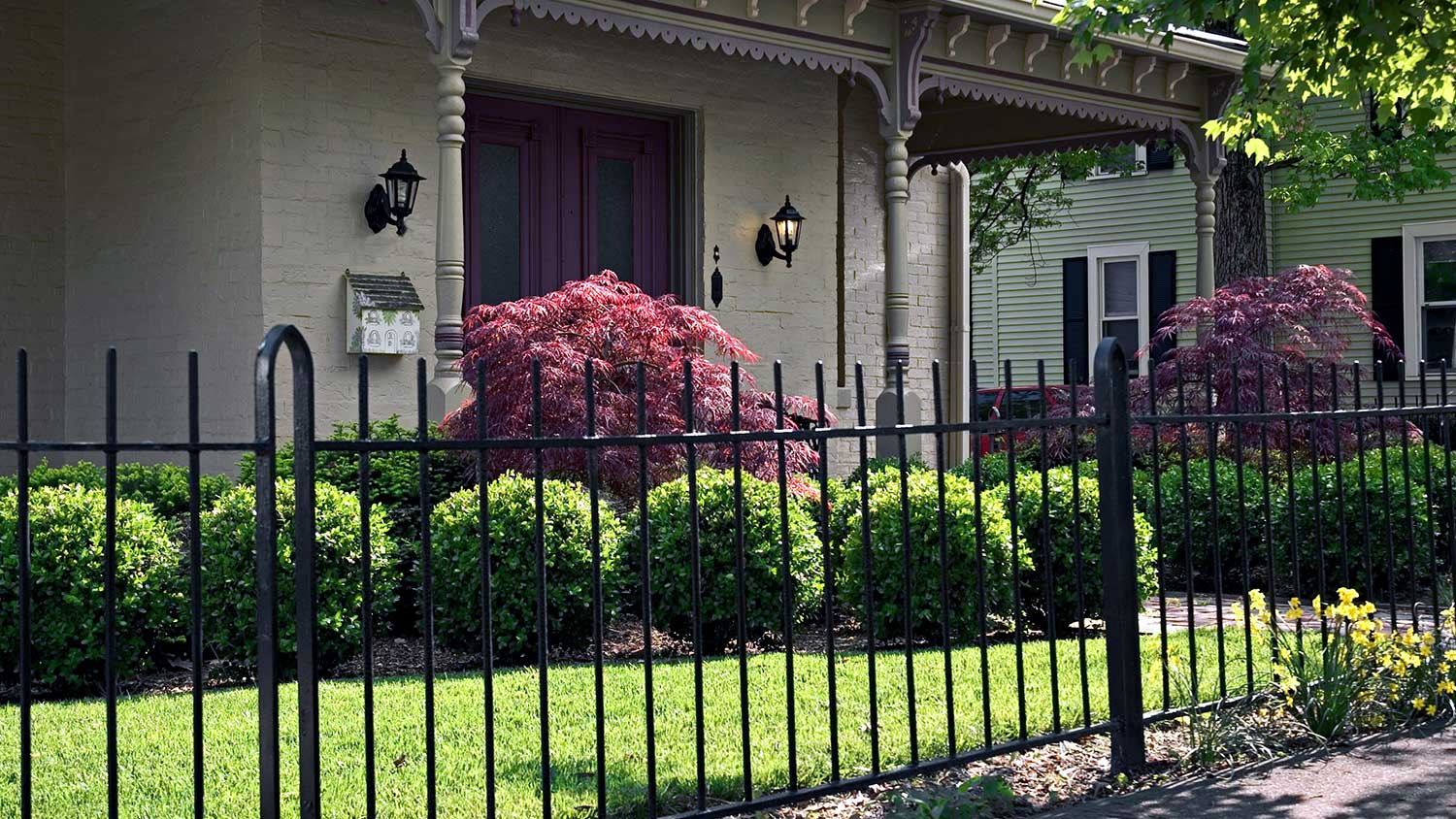
Discover how much wrought iron fence installation costs in Austin, TX, depending on factors like its size, thickness, design, and location.
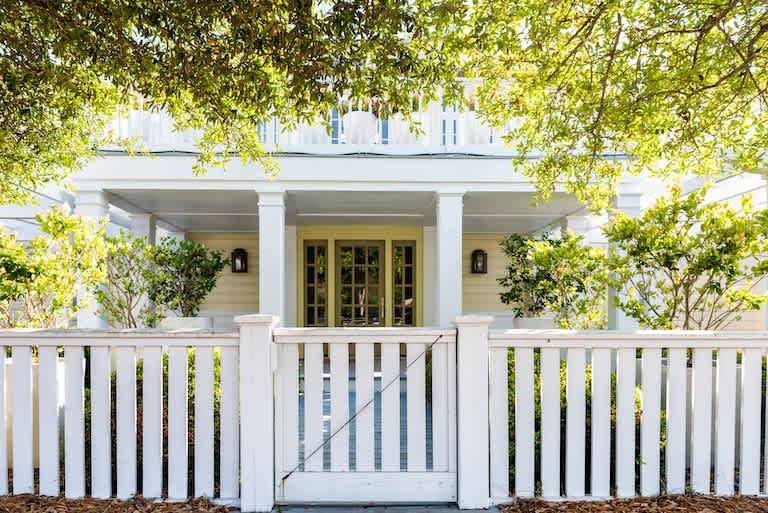
Fence installation costs in Austin, Texas, depend on the style, length, and material of your fence. Learn all the factors in this guide.
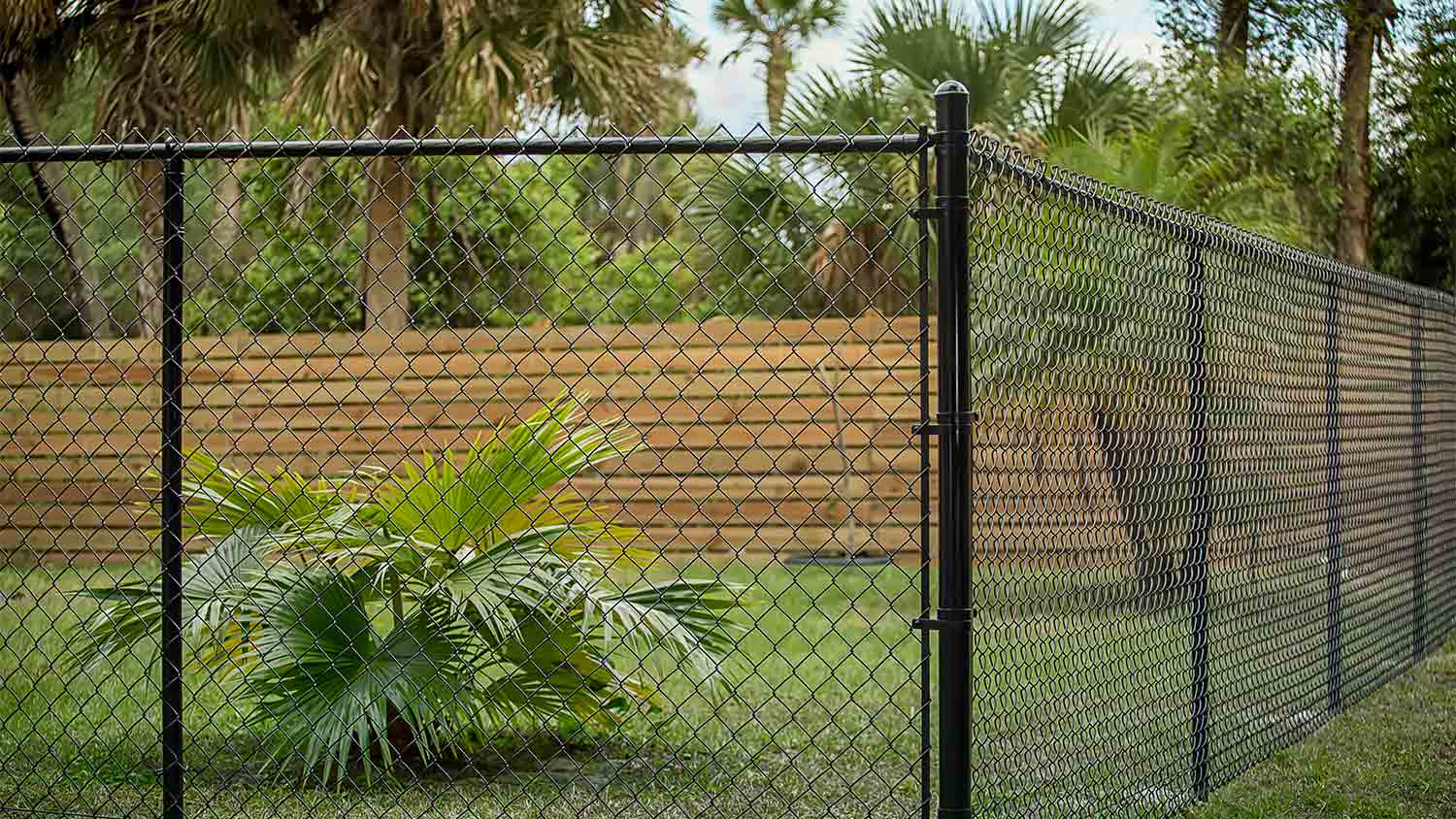
Learn how to hire a qualified chain link fence installer. Find tips on vetting pros, questions to ask, and what to expect during your fence project.
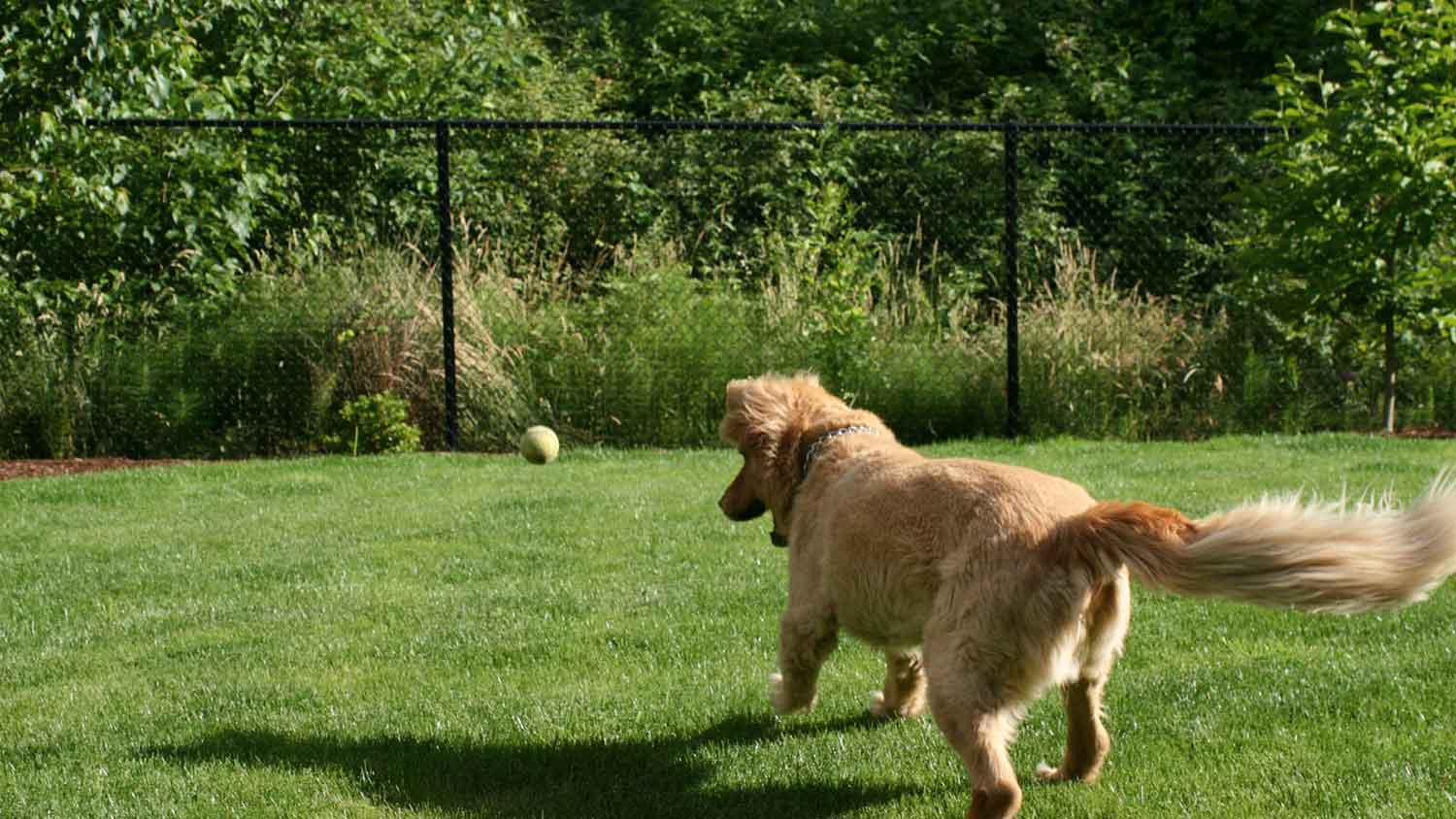
What is chain link fencing, anyway? Chain link fencing has a lot to offer, so consider this option when installing a fence on your property.
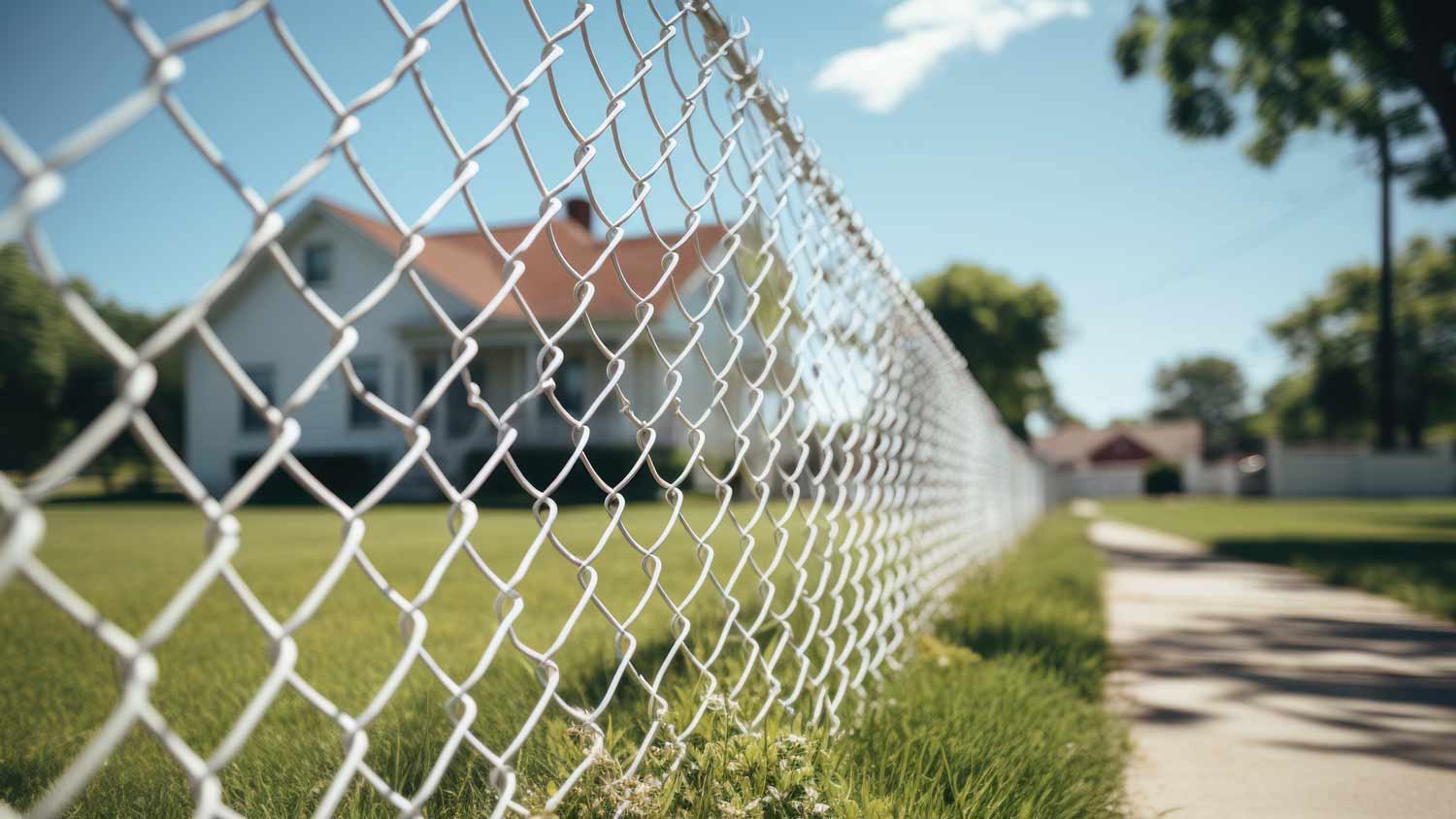
Not sure who to hire for chain link fence installation? Learn which pros to call, how they work, and what to expect before you book.