
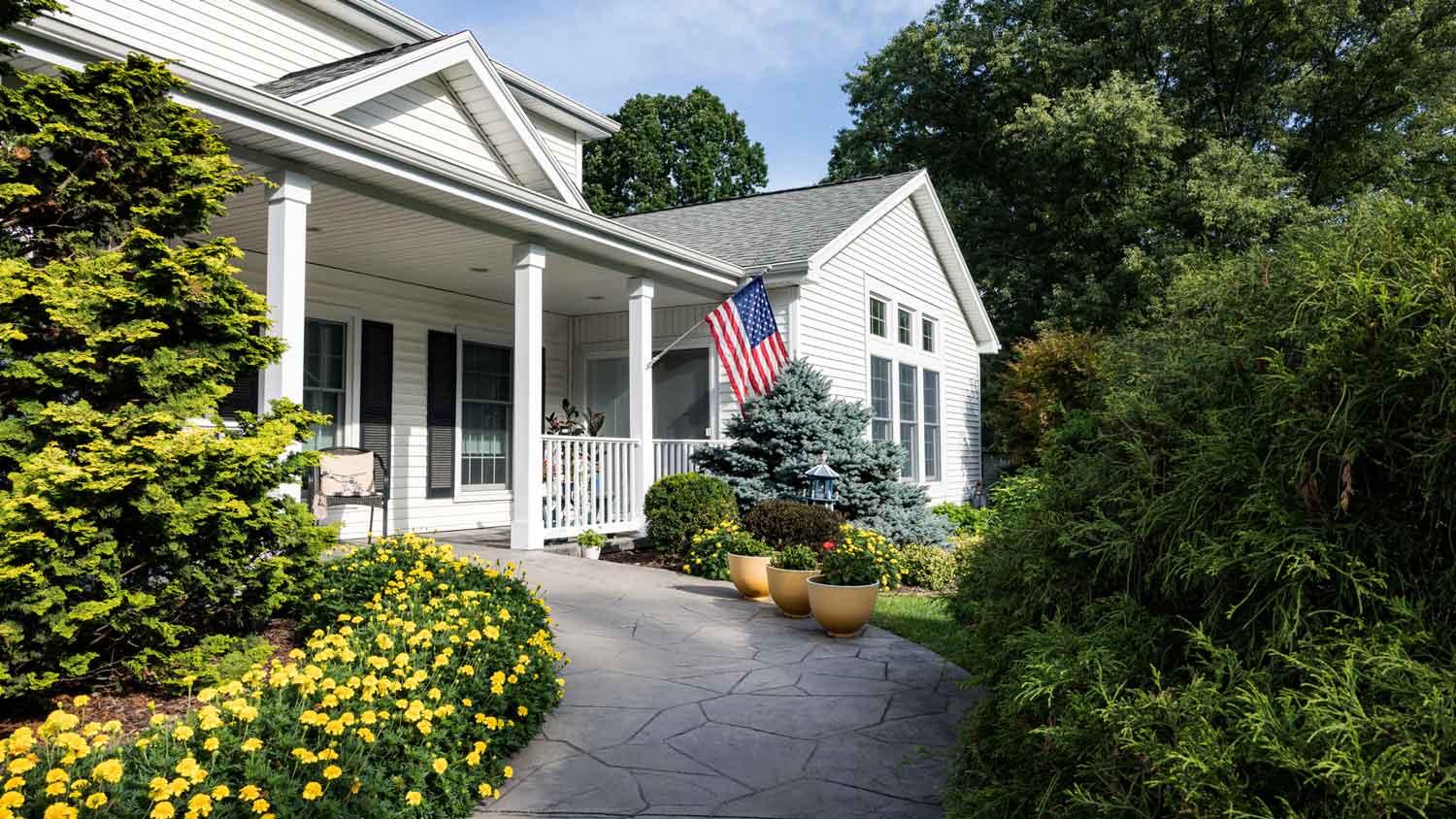
Looking to spruce up your home’s exterior and add some value? Use this concrete walkway cost guide to estimate the price of installing new paths in Baltimore, MD.
Concrete repair costs depend on your project and location. Check with a local pro for your specific job.

The average cost of a concrete walkway in Washington, DC, is $10 to $14 per square foot for a 4-inch thickness.
Walkway size and finish type are the main cost factors to consider when estimating your project price.
Labor costs $3 to $9 per square foot and accounts for 40% to 60% of your project total.
Hiring a local concrete pro ensures a long-lasting walkway with proper drainage and reinforcement.
Average concrete walkway costs in Washington, DC, range from $1,742 to $2,614, with most homeowners spending $2,178. The cost of living in Washington, DC, is significantly higher than the national average, which increases materials and labor costs here. The main factors affecting Washington, DC, homeowners’ concrete walkway costs are walkway size, finish type, demolition, and local labor rates. This guide helps you understand these factors so you can create an accurate plan and budget for your project.
Adding a concrete walkway to your property or replacing an old one can improve your curb appeal and add value to your home. Concrete walkway costs in Washington, DC, depend on several key factors, including the area size, local labor rates for hiring concrete pros, the type of concrete finish you choose, and more. Let’s take a closer look at how your total breaks down.
Your project cost depends largely on your walkway size. The average concrete walkway costs about $2,700 for 200 square feet. That’s about $13.50 per square foot of concrete laid and finished, including labor and materials. You’ll likely see similar costs for concrete sidewalks, as the materials and installation process are identical. Surfacing could be the only price difference, especially if you’re going with stamped concrete on your walkway.
You’ll also need to consider the concrete thickness. Most walkways and sidewalks are around 4 inches thick. You might need thicker and more expensive concrete slabs depending on your project and its intended use, including whether the concrete will support vehicle weight. A concrete walkway that’s four inches thick averages $10 to $14 per square foot, while a walkway that’s six inches in thickness averages $12 to $17 per square foot, with additional labor and materials contributing to higher costs for added thickness.
| Walkway Size (Sq. Ft.) | Thickness (In.) | Average Cost |
|---|---|---|
| 75 | 4 | $750–$1,050 |
| 75 | 6 | $900–$1,275 |
| 100 | 4 | $1,000–$1,400 |
| 100 | 6 | $1,200–$1,700 |
| 130 | 4 | $1,300–$1,820 |
| 130 | 6 | $1,560–$2,210 |
| 200 | 4 | $2,000–$2,800 |
| 200 | 6 | $2,400–$3,400 |
For standard flat concrete, you’ll pay between $10 and $14 per square foot, including materials and labor to pour and smooth the concrete with floats. If you prefer something unique, you might consider different concrete finishes to make your walkway look like flagstone, pavers, or other materials. For example, stamped concrete costs $16 to $25 per square foot.
You can choose from numerous concrete finishes, depending on your walkway ideas, and the table below includes a quick look at the standard price range per square foot.
| Finish | Average Cost per Sq. Ft. |
|---|---|
| Acid-stained concrete | $13–$18 |
| Broom finish | $10–$14 |
| Colored concrete | $12–$17 |
| Exposed aggregate | $14–$20 |
| Polished concrete | $18–$30 |
| Salt finish | $12–$16 |
| Stained concrete | $13–$18 |
| Stamped concrete | $16–$25 |
| Trowel finish | $11–$15 |
Note that most municipalities don’t allow certain finishes, like stamped, polished, or colored concrete for sidewalks, as this is considered public property. Highly textured decorative finishes, aggressive stamp patterns, or very smooth polished surfaces may not be accepted for public sidewalks or curb-ramp areas because they can create accessibility concerns. That said, you’re free to choose your own finish for a residential pathway on your property. Most contractors in Washington, DC, recommend a broom finish, while exposed aggregate and stamped concrete are popular in upscale neighborhoods.
If you’re replacing an older walkway, you might need to remove and dispose of the old concrete. This can cost $4.50 to $8.50 per square foot, depending on factors like size, thickness, and more.
Other prep work might be necessary for new concrete pathways, including:
Installing a base for the concrete, such as gravel or sand, to help with drainage and stability costs $1 to $3 per square foot.
Excavation to dig out the area before installing the concrete walkway ranges from $1.50 to $4 per square foot.
Grading to level out sloped or uneven surfaces costs $0.75 to $3.50 per square foot.
Adding a vapor barrier to prevent cracking and other moisture issues ranges from $0.50 to $1.50 per square foot; however, many Washington, DC, concrete contractors do not recommend a vapor barrier for a standard exterior walkway because the gravel base typically provides sufficient drainage and moisture control.
Washington, DC, homeowners should consider professional costs along with the materials required for a concrete walkway. This section explores the costs associated with hiring a Washington, DC, concrete pro, as well as permits and other contractors that may be required to complete the job.
When installing a concrete walkway in Washington, DC, expect labor to account for 40% to 60% of your project costs, with most contractors building labor rates into your total price rather than billing them separately. Labor rates are above average here compared to the rest of the country due to the city’s high cost of living. For most residential concrete walkway projects, this translates to an average of $3 to $9 per square foot for labor, which can include some or all of these services:
Site preparation
Form installation
Concrete pouring
Finishing
Cleanup
It’s always wise to confirm which services are included with your concrete contractor before beginning work on your project to avoid surprises on your final bill.
Simple residential paths in your own yard typically don’t require permits from the DC Department of Buildings; however, you will need a permit if your walkway connects to a public sidewalk or right-of-way, changes drainage patterns, involves construction within a historical district, or is part of a larger construction project. When planning your project, it’s important to understand the difference between a walkway vs. a roadway or sidewalk.
A minor building permit for exterior concrete work will cost $50 to $150, while a permit for projects involving excavating affecting public property costs between $150 and $500 or more, depending on your scope. Your concrete contractor will typically handle the permitting process for you, but it’s best to confirm this before your project begins to ensure that your walkway complies with DOB regulations.
Depending on your project’s scope, you may require services from other pros in addition to your concrete walkway contractor. Here are some additional pros you might hire to complete your project and their associated costs in Washington, DC:
Landscaper: $50–$100 per hour
Land Surveyor: $200–$425 per hour
General Contractor: 10%–20% of your project total
A well-installed concrete walkway boosts your home’s curb appeal and can increase its resale value. In Washington, DC, homeowners can expect a 50% to 80% return on investment (ROI) for a basic concrete walkway.
Buyers in Washington, DC’s competitive real estate market show a strong interest in outdoor living spaces, making a professionally installed, long-lasting concrete walkway a solid investment. In addition to attracting potential buyers, this project also enhances your own safety and enjoyment of your outdoor areas before you list your home for sale.
To help homeowners plan their next project, Angi provides readers with carefully researched cost data and upholds strict editorial standards. We start with national average project costs, which we collect by analyzing competitor information, retailer material costs, and input from professional contractors. We then apply local price index data to calculate location-specific estimates that reflect what homeowners typically pay in their local area. To do that, we use data from the U.S. Bureau of Economic Analysis (BEA), including its Regional Price Parities (RPPs), which measure price differences across cities. This helps us account for differences in labor, materials, and overall cost of living, so estimates in higher- or lower-cost areas better reflect real-world local pricing.
Every estimate undergoes a thorough editorial review to verify accuracy, consistency, and alignment with observed market conditions.
Want to help us improve our cost data? Send us a recent project quote to [email protected]. Quotes and personal information will not be shared publicly.
Redo back steps. Finishing stones over concrete. Secure hand railings. Just what we wanted. Completed on time and cost. No problems.
Competent and agile team of workers and objective advise on repair needed.
 Louise August
Great work came to my home promptly and completed process with mostly concrete surrounding home
 Bug Boys Pest Control, LLC
We are a property manager in Washington DC and have engaged AVEC Construction for multiple projects revolving around masonry repair work. This particular project they repaired brick masonry where a home had a leak getting in from the exterior. They also repaired the patio, it looks great....
 Avec Construction
Their service was excellent they are very professional, explain your issues and let you know how it will be repaired and the prices are reasonable.
 Harris Electric
Patrick and his team were great! We had to get new concrete added in our backyard and they were able to start right away, did a wonderful job and got it done quickly. This is the second time we have worked with Capitol Hill Masonry and had great experiences both times.
 Capitol Hill Masonry
Sept. 15th 2023 Repair work was done to an area of my porch roof that was rotting. The work was performed very professionally and you can't tell there was ever a problem. They also painted the repair area, porch columns and installed two new down spouts at a very fair price.
 Louise August
They were amazing they quoted exactly 50% Lower than the next two other quotes, and in fact, one of the other contractors, did not do concrete work Became fixed the main all the way to the city connection replaced all the concrete and fix the sidewalk outside of my home. Not a spot of a mess...
 Abbott's Plumbing, Inc.
Still waiting for rain to test the roof repair
Excellent and quality repair to my stoop.
 A1 Masonry Contractors
From average costs to expert advice, get all the answers you need to get your job done.
Looking to spruce up your home’s exterior and add some value? Use this concrete walkway cost guide to estimate the price of installing new paths in Baltimore, MD.
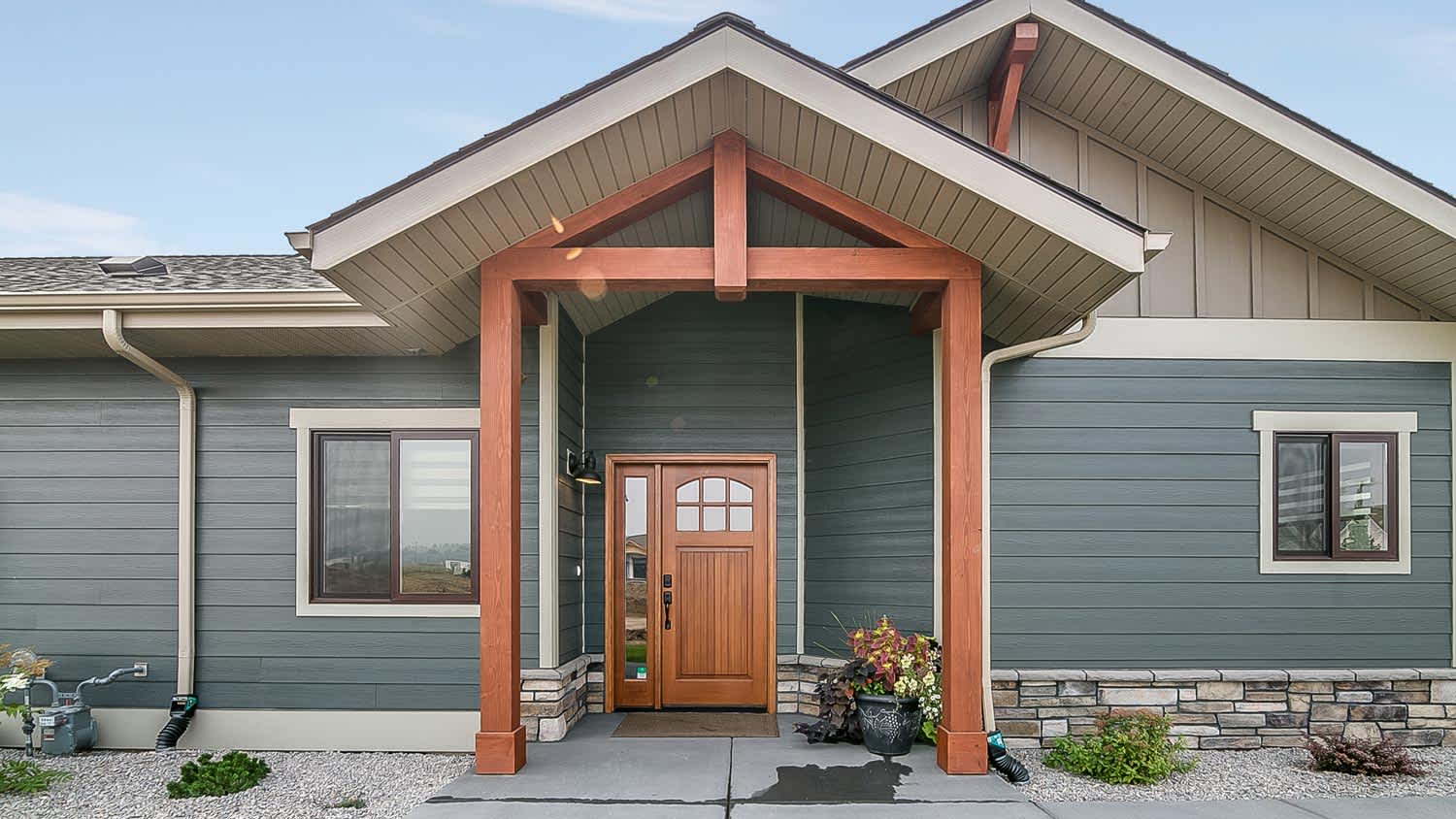
Whether you're pouring a new driveway or adding a patio to your outdoor space, use this guide to determine the cost to pour a new concrete slab in Washington, D.C.
Whether you're pouring a new driveway or adding a patio to your outdoor space, use this guide to determine the cost to pour a new concrete slab in Baltimore, MD.
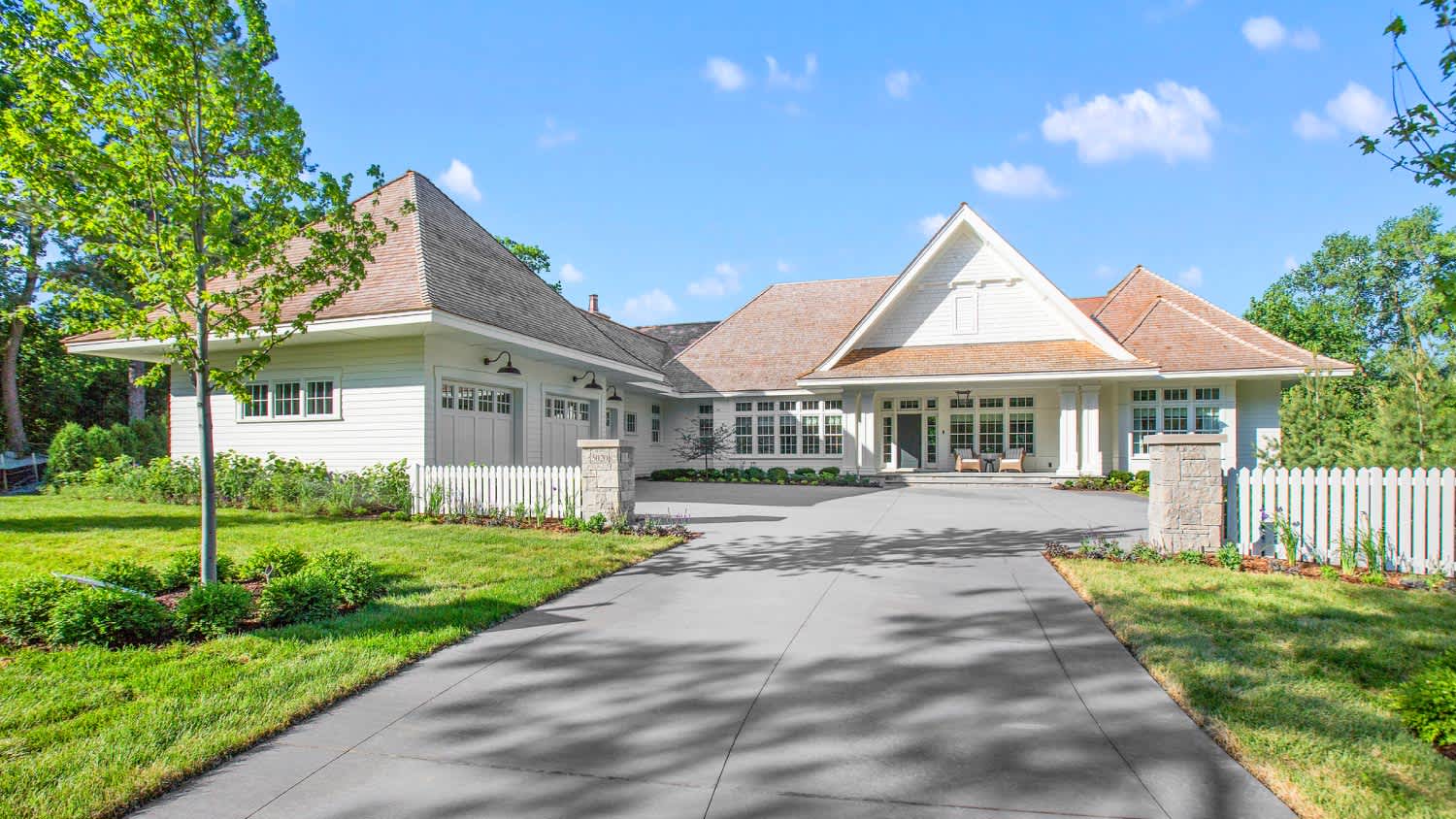
The cost of a concrete driveway in Washington, DC, varies based on size and concrete type. This cost guide breaks down all the key factors to help you budget.
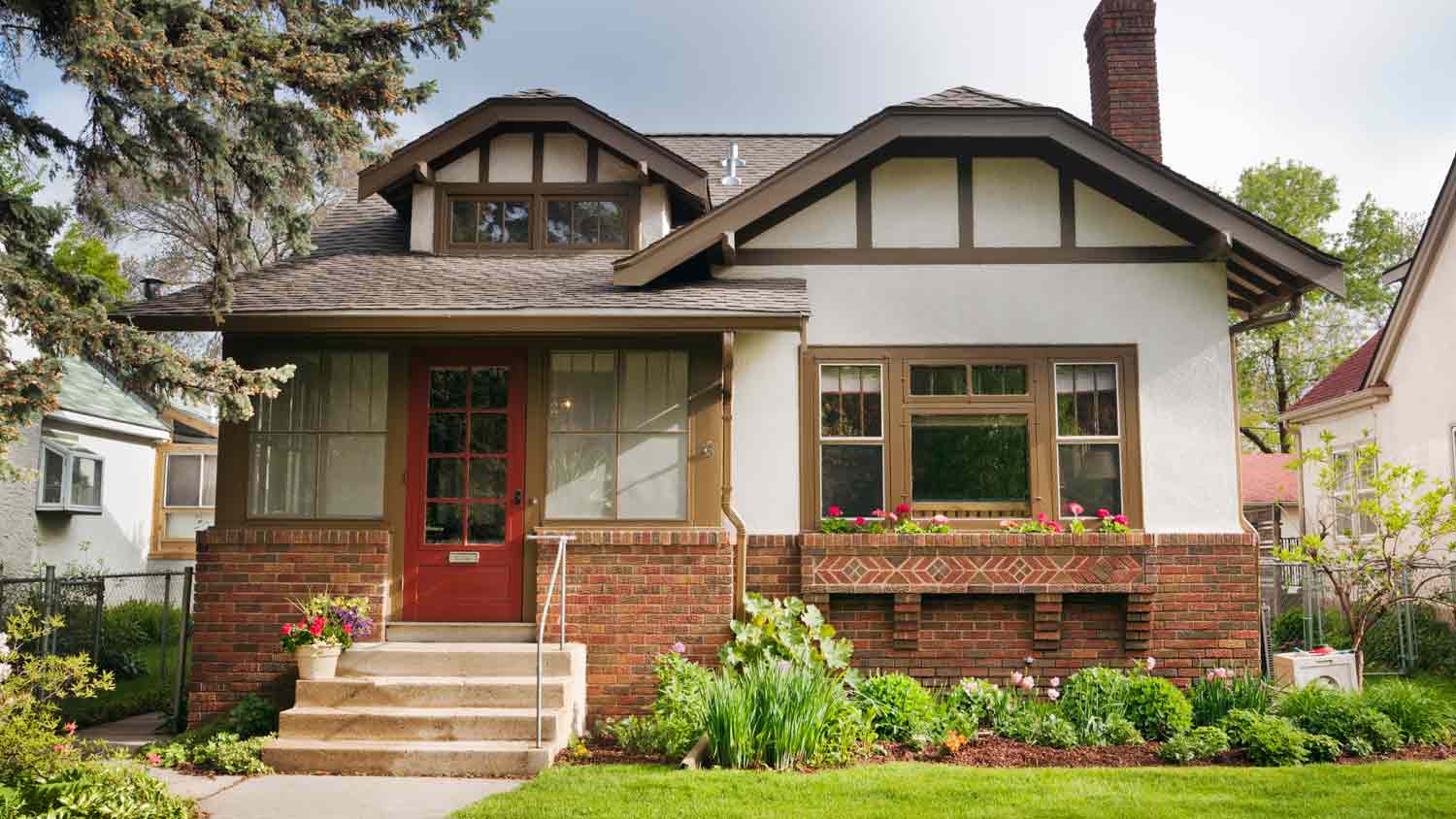
Installing new concrete steps can enhance your home’s curb appeal. Learn all the factors that can affect the cost to install concrete steps in Washington, DC.
Find out the average concrete delivery cost in Washington, D.C. Learn what you can expect to pay for local concrete delivery and plan your next project.