
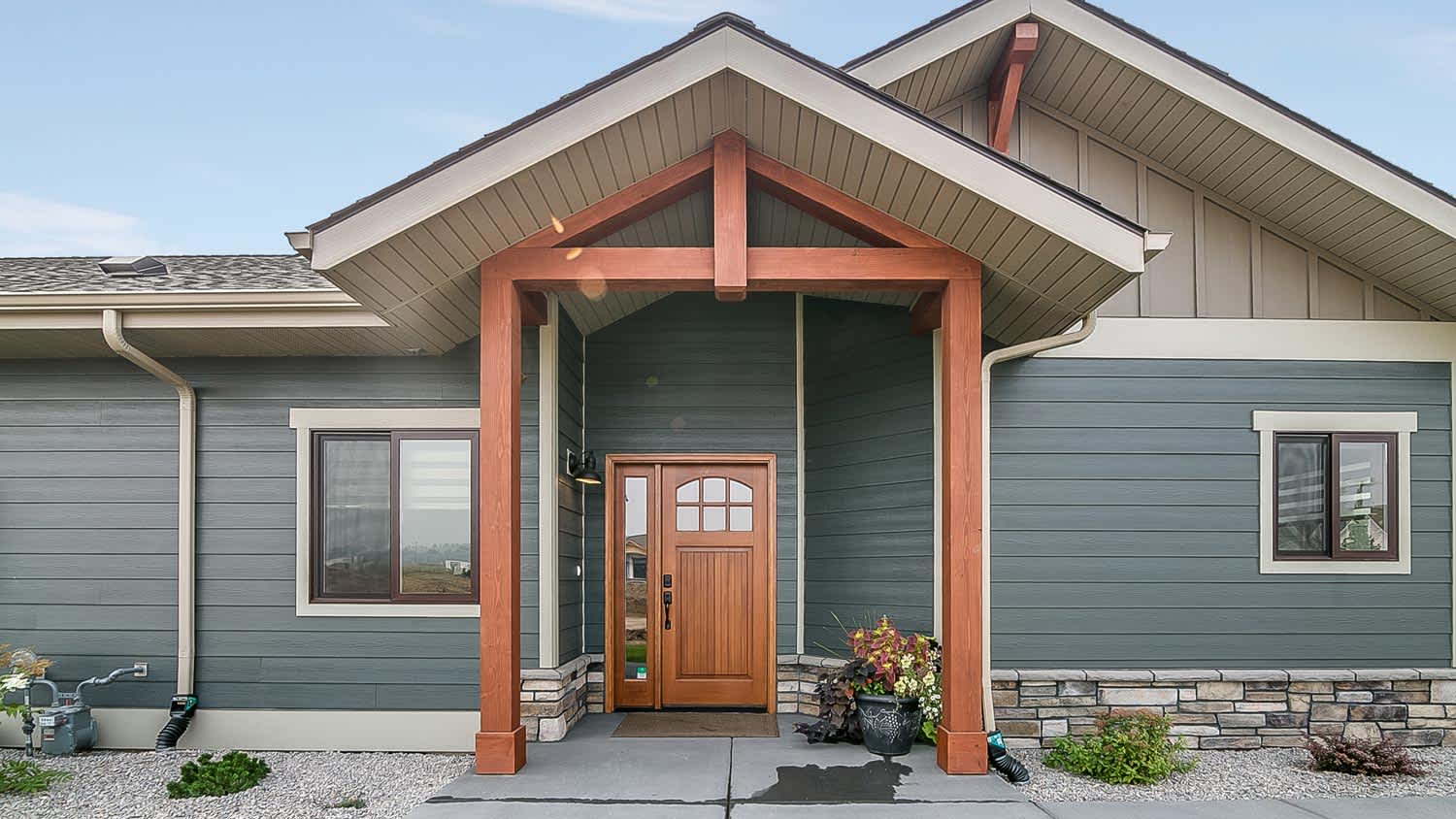
Whether you're pouring a new driveway or adding a patio to your outdoor space, use this guide to determine the cost to pour a new concrete slab in Baltimore, MD.
Concrete driveway service costs depend on your project and location. Check with a local pro for your specific job.

Concrete slabs in Washington, D.C. typically cost $4.40 to $8.70 per square foot, depending on thickness and reinforcement.
Tight D.C. lot sizes and alley access often increase labor costs due to limited equipment maneuverability and staging space.
Expect extra charges for hauling debris through narrow streets, plus permit fees and possible DDOT public space requirements.
Hiring a licensed D.C. pro helps navigate permits, inspections, and tricky urban logistics without costly delays or fines.
If you're researching concrete slab costs in Washington, D.C., expect to pay around $5,881, with most projects ranging from $3,920 to $7,841. Here, prices can swing based on tight rowhouse access, historic district rules, and the hoops required to get a permit. Whether you're upgrading a Georgetown patio or adding a Capitol Hill parking pad, local factors matter just as much as square footage.
Pouring concrete in Washington, D.C., isn’t just about materials. It’s about navigating city quirks. From narrow alleys in Shaw to strict permitting in Dupont Circle, your total cost reflects labor, materials, and urban logistics.
On average, a new concrete slab will cost between $4.40 to $8.70 per square foot or $120 per cubic yard. You could pay as little as $4 per square foot for thin slabs used in a concrete walkway or sidewalk. On the other hand, you might pay up to $18 per square foot for a thicker and more complicated home foundation.
The cost will be determined by the mixture’s design and the slab’s size and thickness. Other factors—such as subbase preparation, forms, finishing, reinforcements, and the local price of concrete—can also affect concrete slab costs.
| Concrete Slab Size | Square Feet | Average Cost |
|---|---|---|
| 10x10 | 100 | $654 |
| 20x20 | 400 | $2,616 |
| 30x30 | 900 | $5,886 |
Pre-cast concrete slabs often cost between $5.45 and $16.35 per square foot for standard applications, though specialized designs might cost at least $32.70 per square foot. These require minimal on-site labor, but delivery and installation equipment can add to your total bill.
Pre-cast components are often more affordable for designs with a high level of precision or repetition, like home foundations or sidewalk squares. Otherwise, a standard slab of concrete poured on-site might be more affordable; these cost between $4.40 and $13 per square foot.
For homeowners in the District, weather plays a bigger role than you might think, and it directly influences the type of concrete you’ll need. Between humid summers, freeze-thaw winters, and the occasional surprise snowstorm, your concrete mix needs to handle expansion and contraction without cracking. Many contractors recommend air-entrained or reinforced mixes to combat seasonal shifts, particularly for driveways and sidewalks.
Professionals use a few types of concrete for residential slab construction, and they vary slightly in price per square foot. The type of concrete that’s best for your project will depend on the load the slab needs to support, as well as soil conditions and climate in your area. Speak with a concrete professional near you to determine which type is best, and then use the table below to get an estimate for your total.
| Type of Concrete | Average Cost per Sq. Ft. |
|---|---|
| Standard | $6.50 |
| Rebar reinforced | $7.60 |
| High-strength | $8.70 |
| Fiber mesh | $11 |
What type of concrete slab you need depends on how you’ll be using it—for example, as a foundation for your home, to support an RV, or to define a backyard patio.
Keep in mind that prices will vary even within these categories. The cost of a concrete patio, for example, will total between $2.20 and $16.35 per square foot, depending on the type of finish. If you need additional drainage below your concrete, be sure to calculate the cost of adding sand or gravel under the slab.
Here's the average concrete slab cost by type of project:
| Project Type | Concrete Slab Size (Sq. Ft.) | Average Cost |
|---|---|---|
| Shed foundation | 80 | $523 |
| Parking pad | 200 | $1,308 |
| Patio | 450 | $2,943 |
| Garage floor | 350 | $2,289 |
| Driveway (1-car) | 240 | $1,570 |
| Driveway (2-car) | 500 | $3,270 |
| RV pad | 640 | $4,186 |
| Mobile home foundation | 1,620 | $24,721 |
| Home foundation | 2,050 | $40,221 |
The thickness of your concrete slab will affect pricing. Thicker slabs use more concrete per square foot, requiring more materials and labor to pour. How you intend to use the slab will determine the ideal thickness, which you can then use to estimate your total project cost.
| Project | Average Thickness (In.) | Average Cost per Sq. Ft. |
|---|---|---|
| Patio | 4–6 | $6.55–$9.80 |
| Walkway | 4 | $6.55 |
| Sidewalk | 4–6 | $6.55–$9.80 |
| Driveway | 4–8 | $6.55–$13.00 |
| Foundation | 8–10 | $13.00–$19.60 |
Labor costs between $2.20 and $3.30 per square foot to pour a concrete slab, which includes the price of building or setting concrete forms, delivering and mixing concrete, and pouring the slab. On average, labor makes up between one-third and one-half of the total cost of your concrete slab project.
While D.C. doesn’t mandate a single “standard” concrete grade citywide, stricter building codes and inspection requirements often push contractors toward higher-strength mixes, especially for structural slabs. If you’re building in areas with older soil conditions or near historic foundations, engineers may recommend stronger, and yes, more expensive grades to ensure long-term stability.
Concrete grade indicates the minimum compressive strength that a concrete mix (made from cement, sand, water, and aggregates) is expected to achieve after 28 days of curing. It determines the concrete’s load-bearing capacity and durability. Higher grade numbers signify more durable concrete, which comes at a higher cost.
It's important not to confuse this with site grading, which refers to preparing the ground to ensure a stable, well-draining foundation before installing a concrete slab. Site grading costs can increase if the land has a slope, trees, large rocks, or other obstructions. The grading process involves excavation, leveling, and then adding and compacting a subbase, such as sand or gravel.
The concrete slab’s finish—or the surface treatment you choose—also influences pricing. Standard finishes (such as broom and smooth trowel) cost less than decorative finishes (such as stamped, stained, or polished concrete). Here’s how some types of concrete slab finishes affect the cost, noting that prices also vary based on project size, location, and installer rates:
| Concrete Slab Finish | Average Cost Range (per Sq. Ft.) |
|---|---|
| Broom finish | $1.09–$3.27 (or included in base price) |
| Smooth trowel finish | $1.09–$3.27 (or included in base price) |
| Exposed aggregate | $7.63–$16.35 |
| Stamped concrete | $10.90–$19.62 |
| Stained concrete | $8.72–$16.35 |
| Polished concrete | $3.27–$13.08 |
Locations that are difficult to access, like build sites with steep slopes or numerous trees, can drive up your concrete slab costs. Using a concrete mixer is the most cost-effective way to deliver and pour concrete for your home. If that’s not an option, professionals must move and pour the concrete manually, which will significantly increase labor costs.
D.C. residents should know that rebar reinforcement is commonly preferred for structural slabs like foundations and driveways, particularly in older neighborhoods where soil movement can be unpredictable. Fiber mesh may still be used for patios or walkways, but many local pros lean toward rebar for added durability.
Most concrete slabs benefit from reinforcement to prevent cracking and improve structural performance. There are two primary types of reinforcement: fiber mesh and rebar reinforcement.
Fiber mesh involves mixing synthetic fibers into the concrete to help control surface cracking and shrinkage.
Rebar reinforcement—the standard option for structural slabs—uses steel bars placed in a grid pattern within the slab to provide strength and resist cracking.
Here’s how the option you choose will affect your pricing:
| Concrete Reinforcement Type | Added Cost per Sq. Ft. |
|---|---|
| Fiber mesh | $2.18–$3.27 |
| Rebar | $0.55–$1.09 |
If your previous concrete slab is on the cusp between repair and replacement, consider the cost of concrete repairs overall. Filling minor cracks and resealing concrete costs as little as $0.22 per linear foot, while full concrete resurfacing costs $3.27 to $5.45 per square foot. Both repairs are more affordable than the $6.54 or more per square foot you’d pay to pour a new slab—not including the added cost of demolishing and hauling away the old one.
On the other hand, if you’re dealing with serious damage—such as unlevel concrete, sinking, or structural issues—concrete replacement might be a better long-term option.
Labor in D.C. comes with extra layers, both literal and bureaucratic. Pros factor in permitting, insurance, and compliance costs unique to the District.
You’ll usually need a permit from the D.C. Department of Buildings (DOB) for most slab projects, including patios and foundations. If your project touches public space, like a driveway apron, you may also need approval from the District Department of Transportation (DDOT). Skipping permits isn’t worth it: fines, stop-work orders, and resale headaches are all on the table.
Licensed concrete contractors in Washington, D.C., also carry general liability insurance, workers’ compensation, and, sometimes, surety bonds. They build these into your total cost, but also protect you from major liability.
Most structural concrete work must be handled by licensed, bonded, and insured contractors in D.C. While homeowners can DIY small projects like walkways, anything involving foundations or public space requires permits, and often professional oversight.
Pouring a new concrete slab increases home value, especially in a market like D.C., where outdoor space and parking are premium perks. A new concrete slab can significantly boost usability and curb appeal.
For example, adding a concrete driveway boosts ROI, particularly in neighborhoods where street parking is competitive. We’re looking at you, Adams Morgan. Patios and outdoor living spaces are also big wins, with ROI frequently landing between 50% and 90%, depending on design and location.
To help homeowners plan their next project, Angi provides readers with carefully researched cost data and upholds strict editorial standards. We start with national average project costs, which we collect by analyzing competitor information, retailer material costs, and input from professional contractors. We then apply local price index data to calculate location-specific estimates that reflect what homeowners typically pay in their local area. To do that, we use data from the U.S. Bureau of Economic Analysis (BEA), including its Regional Price Parities (RPPs), which measure price differences across cities. This helps us account for differences in labor, materials, and overall cost of living, so estimates in higher- or lower-cost areas better reflect real-world local pricing.
Every estimate undergoes a thorough editorial review to verify accuracy, consistency, and alignment with observed market conditions.
Want to help us improve our cost data? Send us a recent project quote to [email protected]. Quotes and personal information will not be shared publicly.
Redo back steps. Finishing stones over concrete. Secure hand railings. Just what we wanted. Completed on time and cost. No problems.
First project—front entrance, concrete steps and border. Project went so well we hired them for kitchen remodel. Received great guidance in what would make kitchen look good and maximize our budget. Highly recommend this company for your home improvement needs.
 Riveras Construction LLC
Great work came to my home promptly and completed process with mostly concrete surrounding home
 Bug Boys Pest Control, LLC
Speechless of the excellent work these group of men have done to my driveway. Looking forward to working with them in the future. Great work!
 New Valley Masonry Construction LLC
Patrick and his team were great! We had to get new concrete added in our backyard and they were able to start right away, did a wonderful job and got it done quickly. This is the second time we have worked with Capitol Hill Masonry and had great experiences both times.
 Capitol Hill Masonry
They were amazing they quoted exactly 50% Lower than the next two other quotes, and in fact, one of the other contractors, did not do concrete work Became fixed the main all the way to the city connection replaced all the concrete and fix the sidewalk outside of my home. Not a spot of a mess...
 Abbott's Plumbing, Inc.
The driveway looks great. Skyline Construction Group DMV, LLC did a great job replacing the old driveway.
 Skyline Construction Group DMV, LLC
We are so pleased with the job that Rigo and his crew did. They gave us the lowest quote to dig up and repave our driveway. The finished product looks superb, and they finished on time and on budget. We will definitely use Rigo and his crew for any patio or other stone-work needs.
 International Brick & Concrete
I honestly could not recommended Excellent service and I would recommend to anyone getting a new driveway installed.
 A1 Masonry Contractors
He repaired the slump block wall of my garage. He created a patio area and redid the driveway in pavers.
 Osorio Masonry, Inc.
From average costs to expert advice, get all the answers you need to get your job done.
Whether you're pouring a new driveway or adding a patio to your outdoor space, use this guide to determine the cost to pour a new concrete slab in Baltimore, MD.
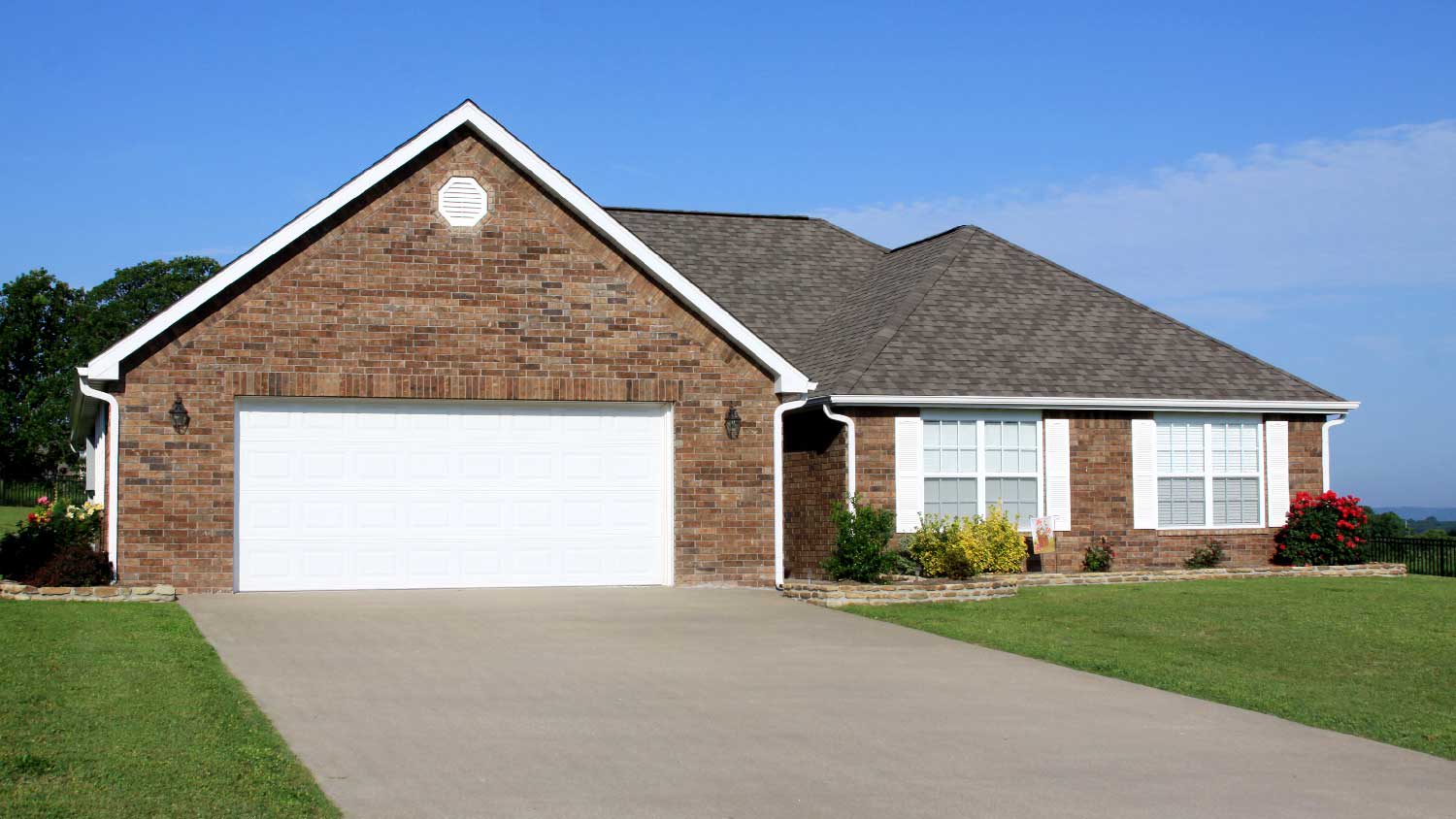
Find out the average concrete leveling cost in Washington, D.C. Learn what you can expect to pay for local mudjacking services to fix your sunken slabs.
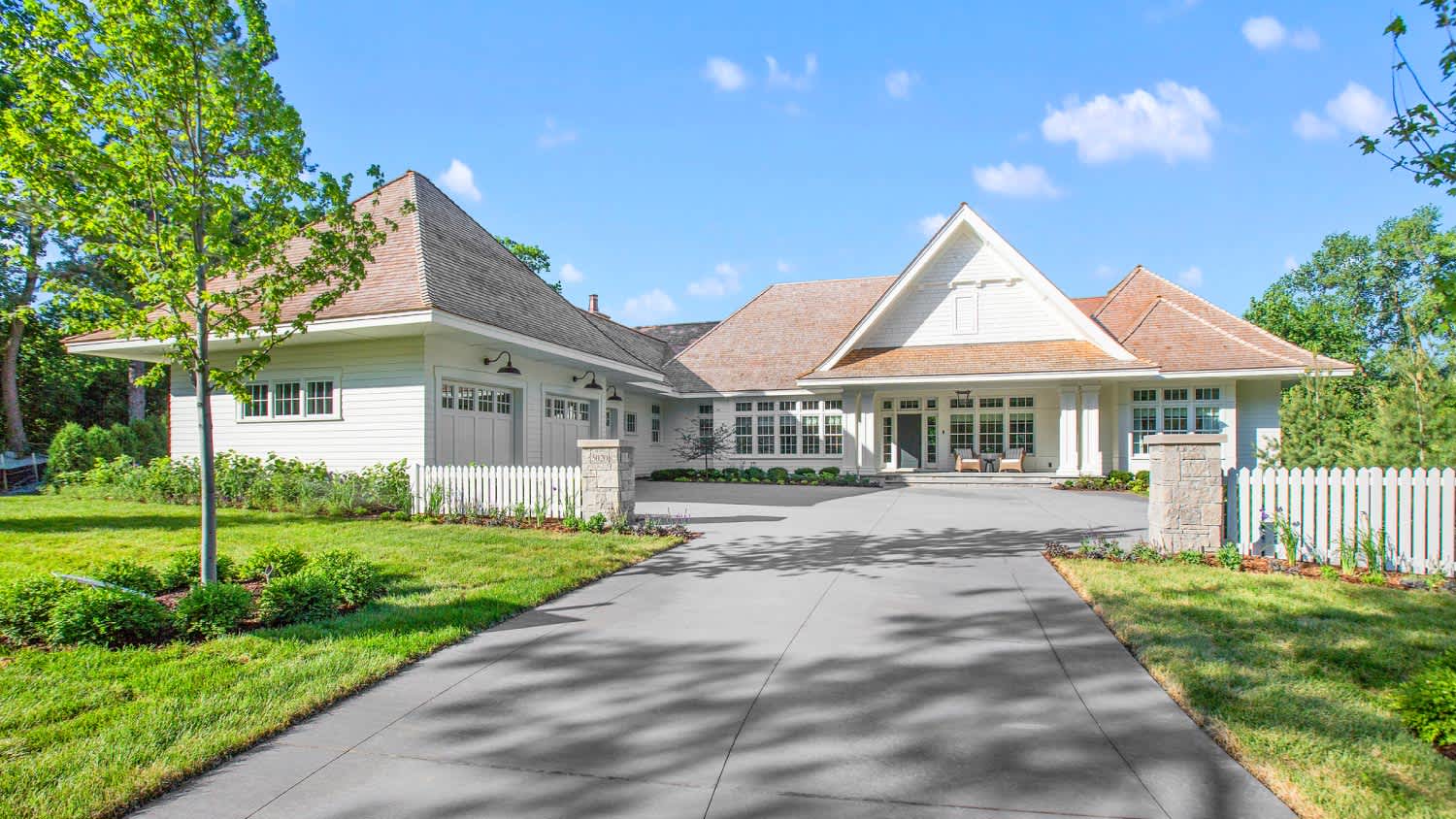
The cost of a concrete driveway in Washington, DC, varies based on size and concrete type. This cost guide breaks down all the key factors to help you budget.
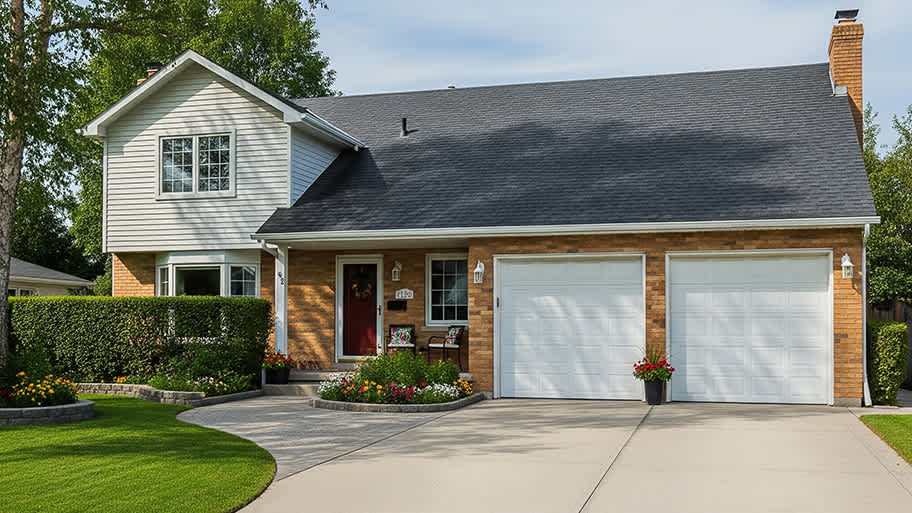
Find out the average concrete driveway repair cost in Washington, DC. Learn what you can expect to pay local pros to fix cracks and restore your driveway.
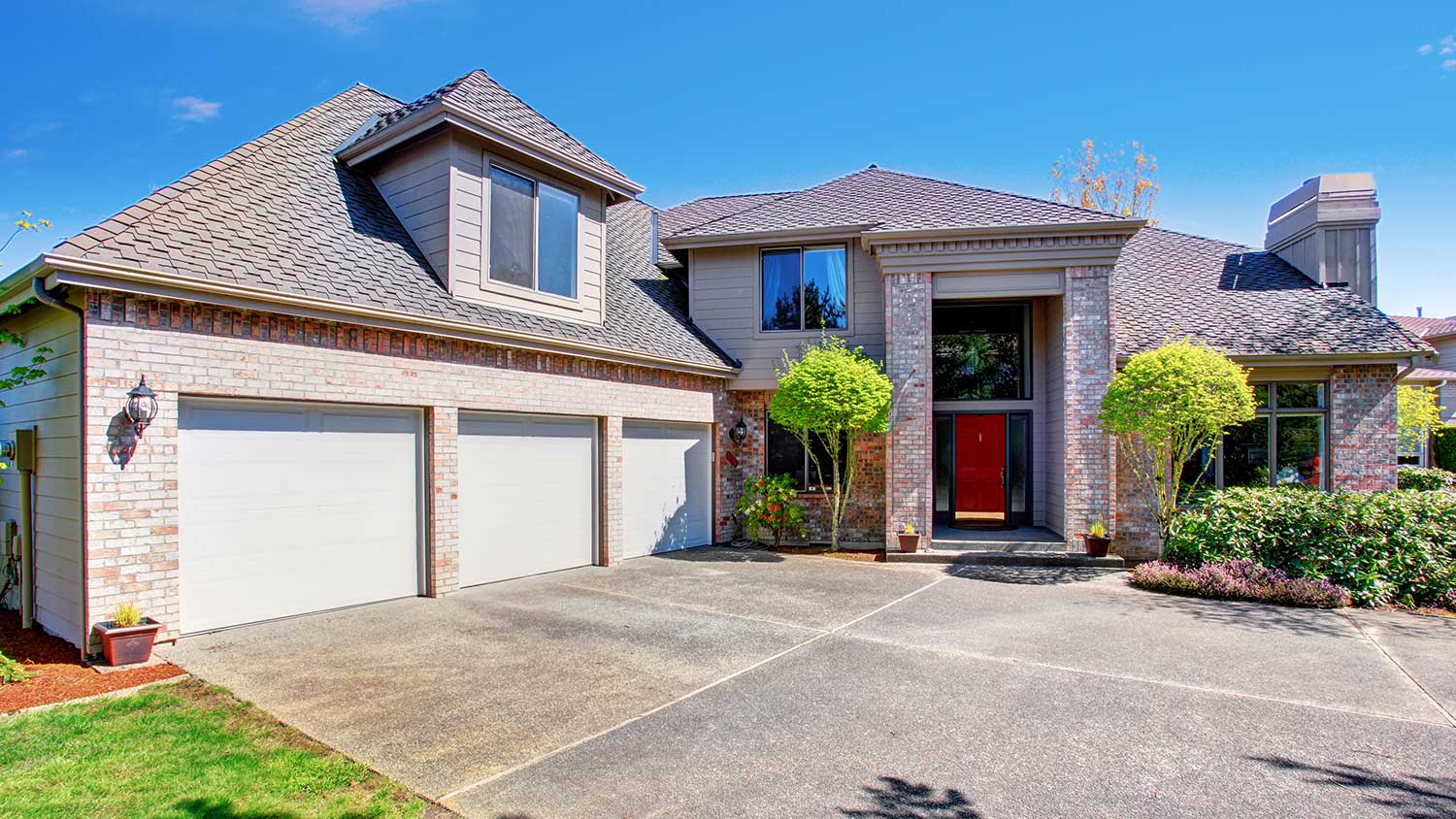
Find out the average concrete delivery cost in Washington, D.C. Learn what you can expect to pay for local concrete delivery and plan your next project.
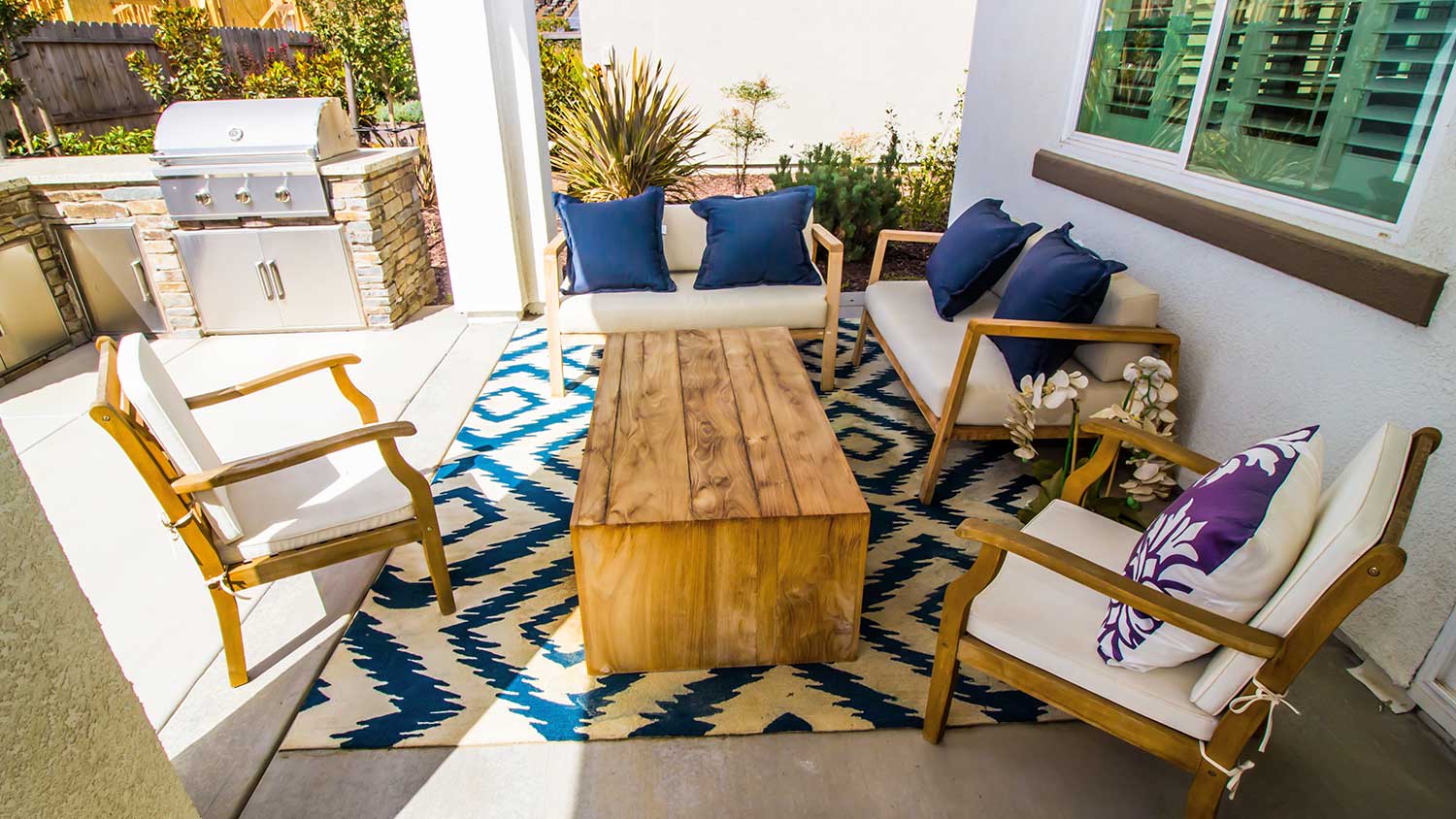
A concrete patio adds outdoor living space to your home. Learn how much a concrete patio costs in Washington, D.C. and the factors affecting the project price.