
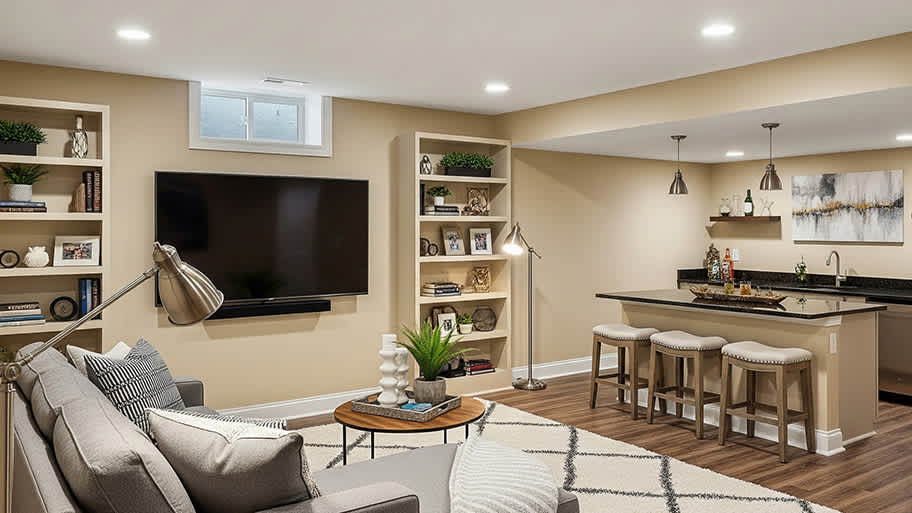
An unfinished basement has a lot of potential. So, how much does it cost to finish a basement in Seattle, WA? Read on for all cost factors.
Basement waterproofing costs depend on your project and location. Check with a local pro for your specific job.

Seattle's 150 days of annual rainfall and wetter-than-average climate make basement waterproofing essential for many homes.
A high water table and complex geological characteristics can make basement waterproofing more complex in Seattle compared to other cities. This is one of the reasons why basement waterproofing costs in Seattle are higher than average.
While basements are not common in Seattle, basement waterproofing techniques used in the city can also be applied to slab foundations.
With the average basement waterproofing cost in Seattle near $4,257, homeowners in the Emerald City are paying above the national average for this project. Overall, Seattle homeowners can expect to pay between $2,345 and $6,245 for basement waterproofing. Factors such as basement size and the scope of the chosen waterproofing technique influence costs. Continue reading to discover how to budget for Seattle basement waterproofing costs.
With Seattle having more than 150 rainy days on average each year, waterproofing is high on the priority list for homeowners. With basements being uncommon in Seattle due to the city's complex geological characteristics and high water table, many common basement waterproofing techniques that are available for homes in the city with basements can also be used for concrete slab foundations. Contractors who offer basement waterproofing in Seattle will look at factors like a property's orientation and signs of basement water damage that already exist to create a plan for blocking water intrusion.

The cost to waterproof a basement falls between $3 and $10 per square foot on average, although where in this range your pricing falls depends largely on the type of waterproofing method you choose. In any case, large spaces require more time, labor, and material to waterproof than small spaces. Therefore, the larger your basement, the more you can expect to pay for waterproofing for any given method.
Below is a breakdown of how much you might spend for a range of basement sizes.
| Basement Size (Sq. Ft.) | Average Cost Range |
|---|---|
| 300 | $1,200–$3,000 |
| 500 | $2,000–$5,000 |
| 700 | $2,800–$7,000 |
| 900 | $3,600–$9,000 |
| 1,000 | $4,000–$10,000 |
| 1,200 | $4,800–$12,000 |
| 1,500 | $6,000–$15,000 |
| 1,700 | $6,800–$17,000 |
Depending on where your basement water issues are stemming from and what solutions your expert recommends, you may need either interior or exterior waterproofing services. Some homes require both. Interior basement waterproofing is often more affordable because it doesn’t involve excavation and backfilling. Something like installing damp-proofing around the exterior of your foundation would require a lot of digging, which drastically increases labor costs.
You’ll spend an average of $3,000 on interior waterproofing services, while extensive exterior services will cost an average of $7,000.
As mentioned above, professionals can waterproof your basement from the exterior or the interior. Exterior methods are more effective because they’re preventative, but they’re also more expensive because they tend to require excavation, which is time-consuming. The table below includes a list of basement waterproofing methods along with cost ranges for each.
| Waterproofing Method | Interior or Exterior | Average Cost Range |
|---|---|---|
| Sump pump | Interior | $850–$1,500 |
| Epoxy injection | Interior | $900–$1,600 per crack filled |
| Dehumidifiers | Interior | $550–$1,200 each |
| Sodium bentonite application | Exterior | $4–$6 per square foot |
| Weeping tiles | Interior / Exterior | $60–$110 per square foot |
| Baseboard channels | Interior | $25–$30 per linear foot |
| Yard grading | Exterior | $400–$2,900 |
| Underground downspout | Exterior | $250–$3,500 |
| Gutter system | Exterior | $4.50–$30 per linear foot |
| Liquid membrane waterproofing | Exterior | $3–$6 per square foot |
Basement waterproofing pros in Seattle base their quotes on project scope. This means that pricing largely depends on the type of waterproofing method you choose. That choice will ultimately determine the cost for materials, permits, and labor needed to get the job done.
In general, any basement or foundation waterproofing project in Seattle that involves excavation, drainage, or structural changes to your home or yard will require a permit. When you hire a local waterproofing pro, they will submit all permit applications and payments to the Seattle Department of Construction & Inspections (SDCI). On average, a project that combines drainage/plumbing and excavation could incur between $500 and $1,200 in city permit fees.
Basement waterproofing professionals in Seattle generally charge between $180 and $210 hourly. When setting rates for basement waterproofing, contractors might bill by square foot after factoring in the hours, materials, and number of laborers needed.
With repair work and construction labor being subject to Seattle sales tax in many cases, Seattle homeowners will need to budget for the extra taxes added to both labor costs and material costs when getting their basements waterproofed. A 6.50% Washington sales tax and 3.85% Seattle sales tax bring the total rate to 10.35%.
With King County requiring all contractors to carry general liability insurance, waterproofing contractors can pay up to $190 to $200 per month. For contractors with employees, the cost for the required workers' compensation insurance can total another $100 to $200 monthly.
Washington State requires all construction contractors to register with the Department of Labor & Industries (L&I). While the initial fee is $141.10, contractors must also budget for renewal fees totaling $117 to $124.
With most estimates placing the investment (ROI) for waterproofing a basement in Seattle at up to 80%, it's clear that waterproofing is an important investment. By preventing water intrusion, homeowners can protect their homes from foundation issues and mold that could lead to expensive water damage restoration costs. Seattle's wet climate means that buyers often prioritize basement and foundation inspections before purchasing homes.
Home is the most important place on earth, which is why Angi has helped more than 150 million homeowners transform their houses into homes they adore. To help homeowners with their next project, Angi provides readers with the most accurate cost data and upholds strict editorial standards. We survey real Angi customers about their project costs to develop the pricing data you see, so you can make the best decisions for you and your home. We pair this data with research from reputable sources, including the U.S. Bureau of Labor Statistics, academic journals, market studies, and interviews with industry experts—all to ensure our prices reflect real-world projects.
Want to help us improve our cost data? Send us a recent project quote to [email protected]. Quotes and personal information will not be shared publicly.
Our basement remodel with Gold Remodeling was a really positive experience we?re located in Seattle and wanted to create more usable space without making the basement feel like an addition to the house they did a great job bringing everything together what stood out to us was how...
We hired Best Home Remodeling in Seattle WA for a complete bathroom renovation, and working with Manager Daniel made the entire process professional and stress free. Daniel began with an in depth consultation where he inspected the existing layout, checked moisture levels, reviewed plumbing...
Waterproof entire balconies not just the siding
 Master Roof Experts, LLC
Fixed the concrete on time and very good job. Also did some tiling work and clean up needed in another bathroom and large room in basement. On time, competent and thorough.
 Home Stone & Masonry
We couldn't be happier with Joel and his team (Marques, Paul, Salvadore and Jose). We had a leaky basement, and Joel came up with a solution that will solve the problem, sealing the wall and diverting water from the uphill side of our 1911 house. The team was prompt, skilled (GREAT diggers!),...
 Rain Pros Inc
I knew my basement needed a remodel but first I had to figure out how and why water was continuing to seep in at the corner of my foundation. After spending 10K in new drainage outside of my house hoping to stop the water intrusion and finding it did not, felt defeated and had no idea where...
 Bodhi Builders LLC.
We hired Edgar for a project on our back deck which is located above our garage. We had suspected water damage but could not see any ourselves. Edgar’s team was able to find where the water was entering the structure in two locations. They were great at explaining what the problem was and...
 Cabrera Brothers LLC
Realty Group Construction did a complete build out of our large basement project. The work was great and done on time but the team was simply excellent. I plan to use them again and would not hesitate in providing them a recommendation! The construction world is so crazy right now and it was...
 Realty Group Construction, LLC
They are fantastic! I had a horrible situation where my landscaper was power washing and it ended up backing up the drains and flooding my basement with water and MUD!! They helped me clean up everything and also help remove the dirt smell. Moved the washer and dryer. Organized the basement...
 Handy Girls, LLC
Val and Bogdan did quality work finishing our basement (which included a new bedroom and bathroom). They accommodated our needs and the challenges/quirks of our old 1920s house. And went above and beyond sometimes - carried out our old washer/dryer and got the new ones down our basement...
 Homez Remodel, LLC
From average costs to expert advice, get all the answers you need to get your job done.
An unfinished basement has a lot of potential. So, how much does it cost to finish a basement in Seattle, WA? Read on for all cost factors.
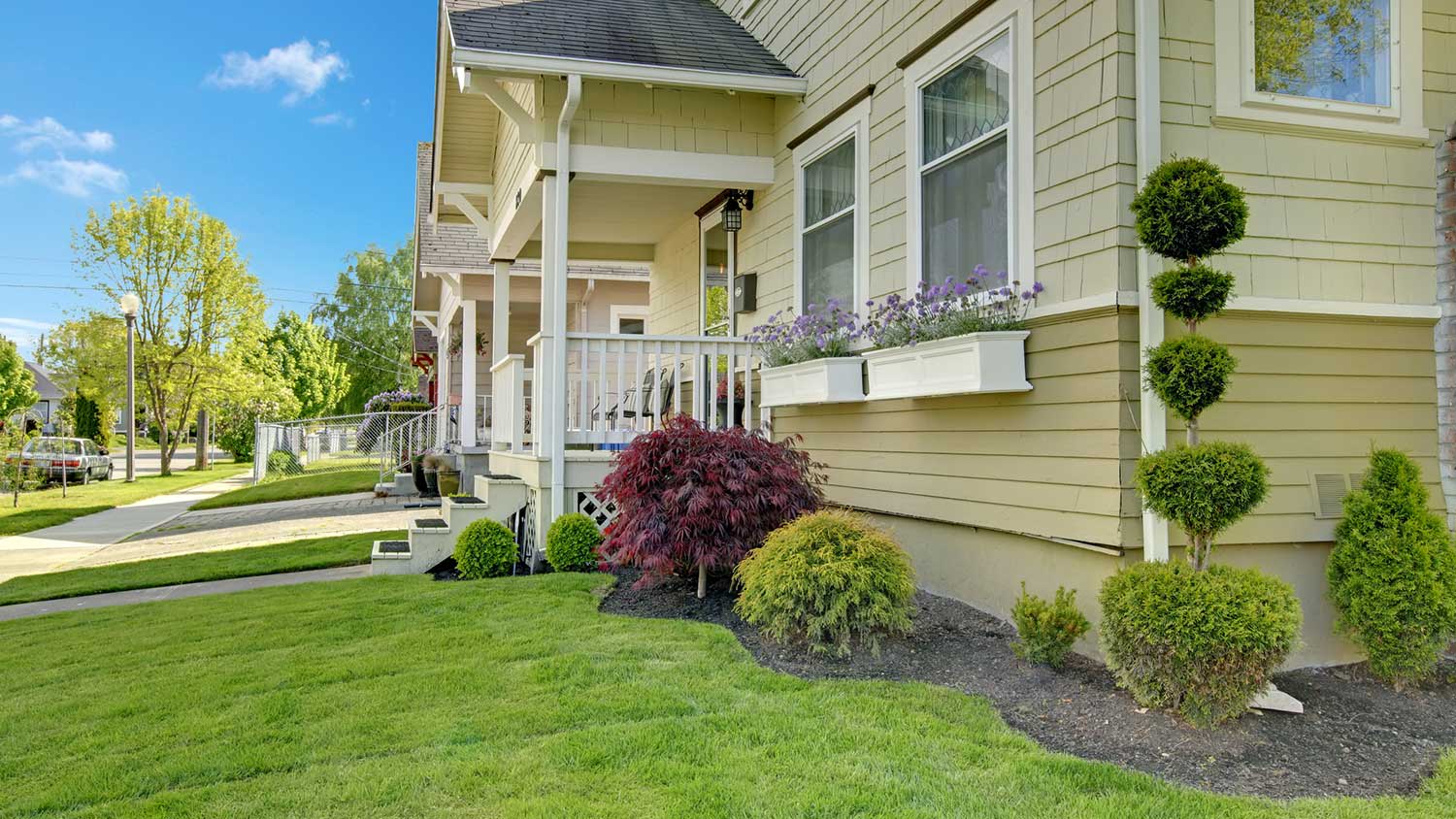
A variety of factors can affect your total crawl space encapsulation cost in Seattle, WA. Here’s a breakdown of the cost of this project, whether you hire a pro or DIY.
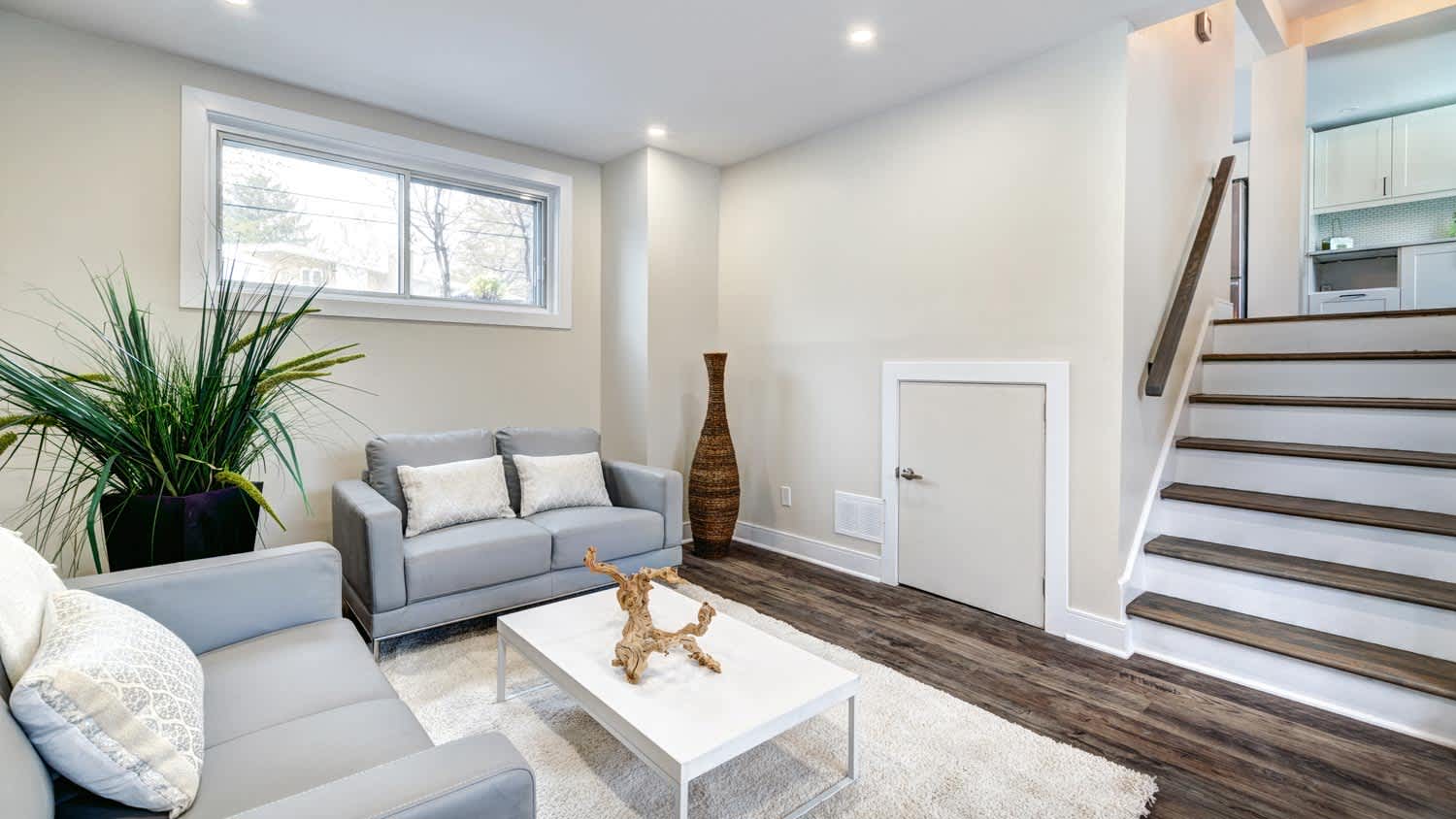
Find out the average basement remodel cost in Seattle, WA. Learn what you can expect to pay for local basement finishing services and plan your budget today.
Dealing with a damp basement? Follow these steps for DIY basement waterproofing to keep water and moisture out and boost your home’s energy efficiency.

Struggling with a damp basement? Learn about basement waterproofing and how these tips can help keep your basement safe from the elements.
Is basement waterproofing worth it even if you’re experiencing some or no water-related issues? Find out more about this preventive measure here.