
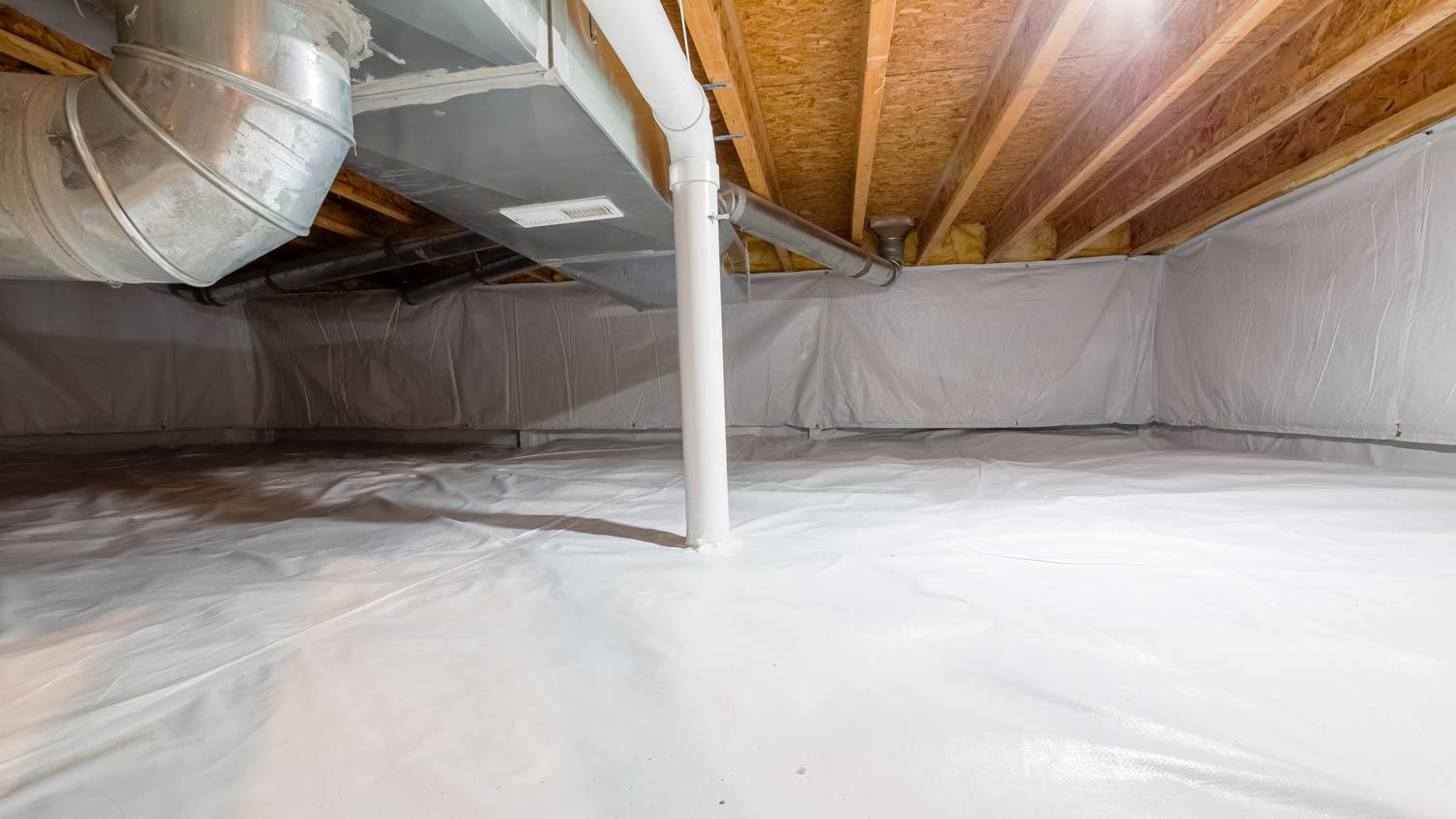
Crawl space dehumidifier costs are worth it if you consider their effect on energy bills and avoiding moisture damage. Learn what makes up the total cost of the project.
Making the decision to open or close crawl space vents isn’t such a breeze

Keeping your crawl space vents open or closed depends on the season, with closed vents preventing moisture buildup and mold growth year-round.
Expect to pay $1,500 to $20,000 for crawl space encapsulation, with average costs around $5,500 depending on your crawl space size and condition.
Close your crawl space vents during winter to retain heat in your home and prevent pipes from freezing or bursting in cold climates.
Hiring a local foundation repair professional provides reliable help with moisture control and encapsulation, keeping your crawl space dry and your home protected.
Wondering if you should leave your crawl space vents open or closed? You’re not alone. Even many long-time homeowners and DIYers are curious about the effects an open vent has on their crawl space. Will it invite unwanted guests? What about rain? Will a closed space save money on utility costs due to temperature retention? Read on to see why there are different guidelines for different situations.
It’s better to keep your crawl space vents closed rather than open. Keeping them closed seals them off from the outside elements while leaving them open allows moisture to enter your crawl space. This can increase the risk of mold growth and mildew in your crawl space, which can lead to further issues down the road.

Conventional wisdom says to open your vents when winter ends and warm weather moves in. This gives your house the ability to circulate air through the base of your home, which—we are assuming if you’re reading this—is a crawl space. This is one of a few tips you should follow as part of a summer home improvement routine. Other reasons for opening your crawl space when the weather warms are listed below.
This one may seem a bit strange, but houses produce a lot of different gases. Opening your crawl space vents helps to clear the air below your house. Opening vents also prevents the buildup of natural gas if a pipe is leaking. As the weather warms, hot air rises, and with it the potential of passing dangerous gases through the floorboards. Bringing in fresh air helps to dissolve any dangerous concentration of gases.
To address the saying “nests mean pests,” it’s good to have fresh air flowing through your crawl space. Animals are similar to people in that they will seek out shelter from the elements, which a crawl space can give, especially in summer months when a crawl space can be significantly cooler than outside temperatures.
Ventilating your crawl space can be expensive, or you can simply open the vents. New air moving through your foundation prevents mold in your crawl space, which will eventually spread to your home or require a new foundation entirely. Air quality in your home should improve as a result of opening the vents.
This one is less about the physical structure of your crawl space but about the comfort of your home and your monthly bills. Crawl spaces typically aren’t insulated as well as livable spaces in a home and can quickly become a heat sink. Hot air rises, and a sweltering crawl space means your air conditioning has to work extra hard.

Closing your crawl space vents when the weather turns south has benefits as well, often the complete opposite of those listed above. Although the reasons are different, the purposes are the same: Keep the air the temperature you want and keep your crawl space dry.
Just as opening vents in the summer can cool your house, closing them in the winter can help keep it warm. Cold air sinks and crawl spaces are often built slightly below ground level, so open vents become pits of chilly air.
By closing your vents, you are sealing in any warm air that leaks down through your floor or any heat generated by appliances like water heaters or furnaces. Also, closing your vents can keep your pipes from freezing or bursting in cold climates.
Serious rain can cause water to sit on the ground for days, producing humidity. Depending on the ventilation in your crawl space, it can act as a suction, pulling the humidity under your house. Excessive and prolonged humidity can cause all sorts of problems, so you’ll want to keep your vents shut during heavy downpours. If the budget allows, you may want to consider a full crawl space encapsulation.
If you can seal off the area beneath your home when it’s bone-cold outside, that’s what you’ll want to do. Your house itself will produce heat, and the worst-case scenario is any wasted heat being sucked into an unlivable space, such as your crawl space. You may need to add vent covers to keep as much heat trapped as possible when the thermometer drops.
Fire creates smoke, and you don’t want that smoke under your house rising through your crawl space into your home. Although this is a rare instance, consider closing your crawl space vents when anything strange is happening. This could be smoke from a fire, severe rain or flooding, or any other random weather event.
Open your vents to aid in air circulation, pest control, and gas mitigation. In contrast, you should close your vents when you want to keep your house slightly warmer in the winter, block humidity from entering, and prevent mold from building up under your house.
If you haven’t been in your crawl space in some time, you may find some surprises—not the good kind—and should absolutely talk to a foundation repair specialist near you.
| Benefits of Opening | Benefits of Closing |
|---|---|
| Promotes air circulation | Keeps your house warmer in cold seasons |
| Provides pest control | Blocks humidity |
| Gas mitigation | Prevents mold growth |
| Prevents mildew growth in hotter months | Promotes energy efficiency |
| Can prevent costly repairs |
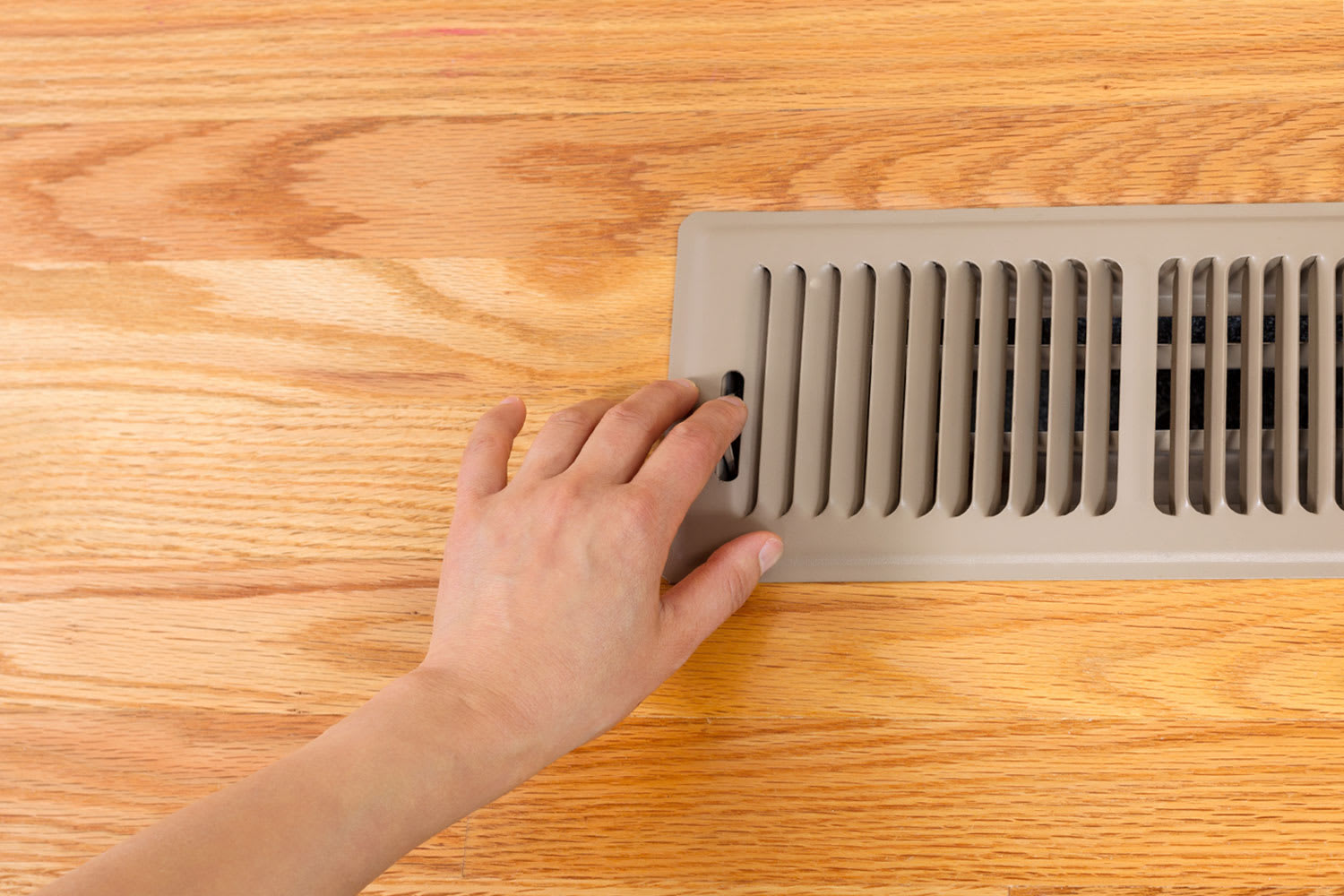
To close your crawl space vents—especially for colder seasons—you can use foam blocks to plug them up from the outside. It's important, though, that you use the type of foam blocks designed specifically for this purpose. Opening your crawl space vents depends on their exact design, but there is often a lever or dial on the side for opening.
Crawl space encapsulation can cost anywhere from $1,500 to $20,000, with most homeowners paying around $5,500. The biggest cost factors impacting this project are the size of the crawl space and its current condition. Basic encapsulation costs $2 to $4 per square foot, but when the space requires cleaning, repairs, mold remediation, or repairs to the foundation, expect the price to increase to between $3 and $10 per square foot.
Encapsulating your crawl space on your own is a bad idea. These areas are often filled with hazards like rodent droppings, mold, and mildew. Even with proper safety equipment, the average person is unlikely to have the tools, knowledge, and skills to handle tasks like sealing foundation cracks and removing excess water with a sump pump. Beyond that, if you fail to remove all the moisture with a dehumidifier or improperly install the vapor barrier, your hard work will be pointless.
If you want to cut costs on this project, you can do some of the prep work ahead of time. You could clean the area and cap and seal your vents with proper protective gear, like a respirator, gloves, and goggles. However, a professional crawl space encapsulator must complete the rest of the work.
Finished Basements Plus was wonderful from beginning to end! First, they came out quickly for an estimate. I had 4 estimates and theirs was by far the best. (2 of the estimates were more than $20K higher than for the exact same work). Beyond their fair pricing, the work was excellent. They...
 Finished Basements Plus Inc.
Amazing job. Efficient and quick without compromising quality. Basement feels brand new. Would use them again in a heartbeat.
 AffordaPro Restoration
Window Depot did an amazing job installing the windows in my basement! The process from start to finish was by far more than what I expected. I would highly recommend Window Depot if you want professionalism from the the consultation to the installation. Dont settle for mediocre when you can...
 Window Depot USA of Central Ohio
They cleaned my very dirty basement. They were prompts, quick, thorough and their price was fair.
 JDE House Cleaning LLC
I am very pleased with the services performed by OTS. Bless my late Mother, but she was a bit of a pack-rat. The basement of her home was crammed with 40+ years of "stuff," and the other companies I contacted were concerned with possible mold contamination of the items due to the musty smell...
The company was very easy to work with. My family is now able to enjoy a space that at one point, only collected junk!!!! I feel like i have a whole new addition to the house!!! Wonderful work Blurock on our basement, will recommend!
 BluRock Services, Inc.
Excellent work. Opted for the service contract which provides spring and fall checkups and deduction on maintenance charges which seems to be a good value. Initial dehumidifier for our large basement was undersized. They replaced unit after it failed with a larger unit and charged only for...
 Total Comfort Heating & Cooling Inc
We had water in our basement and Roto Rooter was original contact to evaluate the situation. We were informed that our sewer main was fractured and needed repair. We received their estimate and then looked for counter offers. Ohio Basement Authority came with the best quote for the work. Once...
 Ohio Basement Authority
Called Mark on a Thursday morning. Not really knowing if he could help me or not. I was having driveway, flooding issues due to a clogged channel drain and I was trying to figure out what direction to take. Heavy rains had come on Monday and again on Thursday leading to flooding in my garage...
 Mark Rodgers Construction
The crumbling basement wall needing repair is beneath a large 2 story porch. What i thought would be a complicated project was made very easy by this crew. I was very impressed with the speed and quality of the work performed. The job was finished in just a week as estimated. There were...
 Groundworks
From average costs to expert advice, get all the answers you need to get your job done.
Crawl space dehumidifier costs are worth it if you consider their effect on energy bills and avoiding moisture damage. Learn what makes up the total cost of the project.
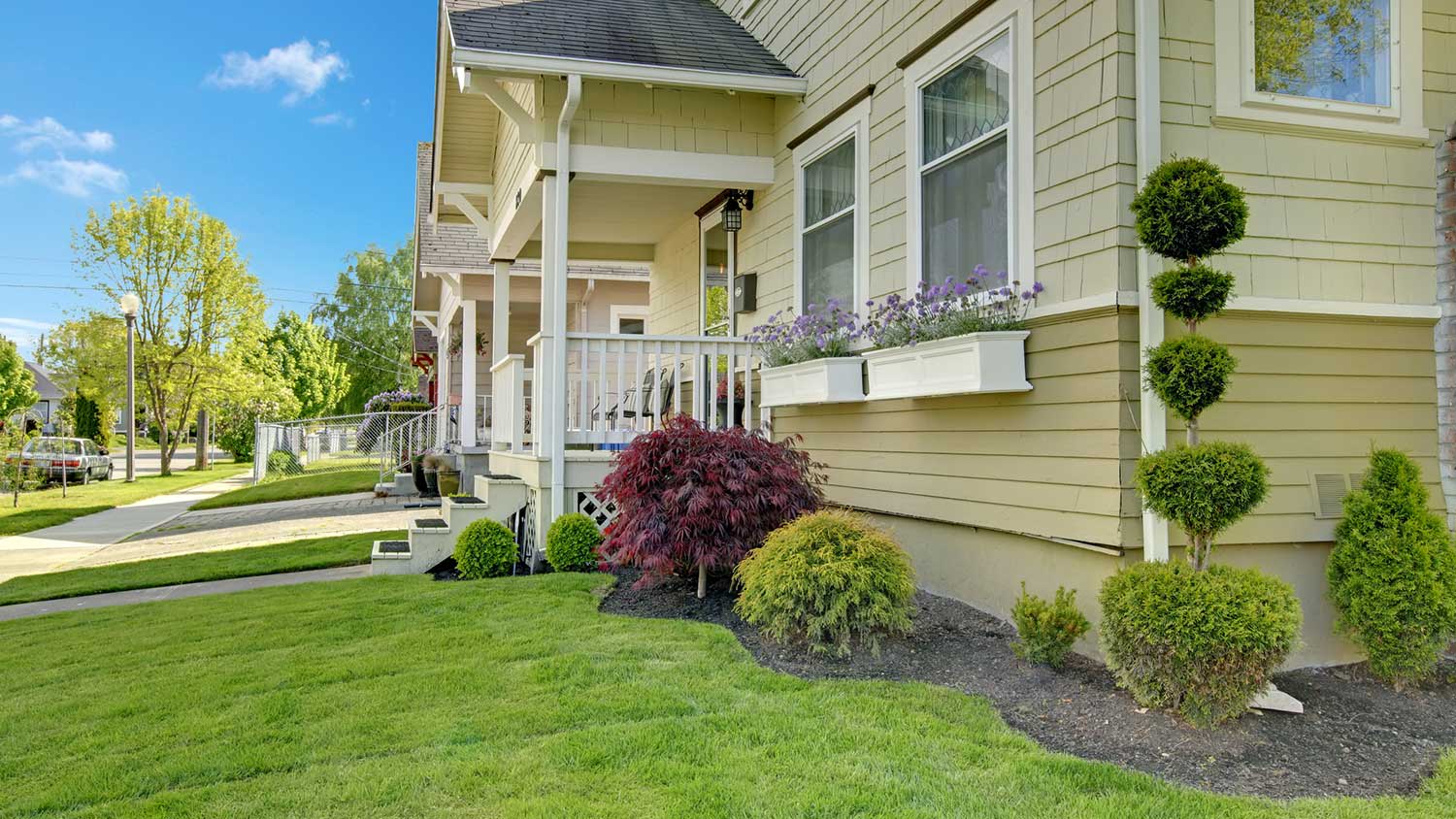
A variety of factors can affect your total crawl space encapsulation cost. Here’s a breakdown of the cost of this project, whether you hire a pro or DIY.
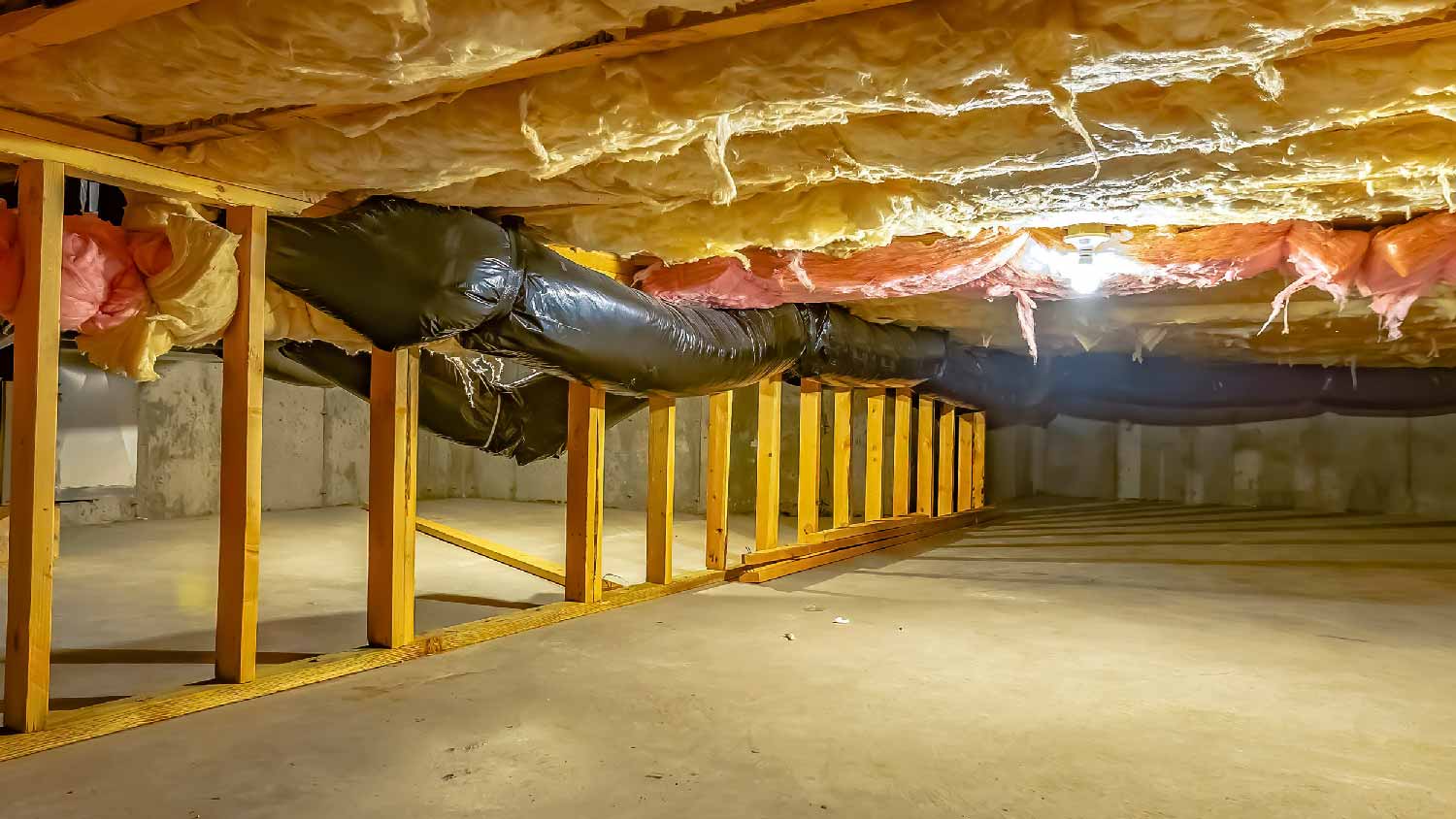
Repairing ductwork in a crawl space is frustrating and difficult, which is reflected in the cost. Learn why limited access results in a premium cost beyond just a simple increase in labor hours.
Roasting or shivering in a room? The vent could be closed. Check out this DIY guide on how to open ceiling air vents and get more comfy.
One may assume that closing vents in unused rooms can reduce your energy bill, but it could actually damage your HVAC system. Learn more about how vents work.
Crawl space code requirements exist for good reason. This small space provides a buffer between you, your home, and the damp, wet earth below. Here's what to know.