

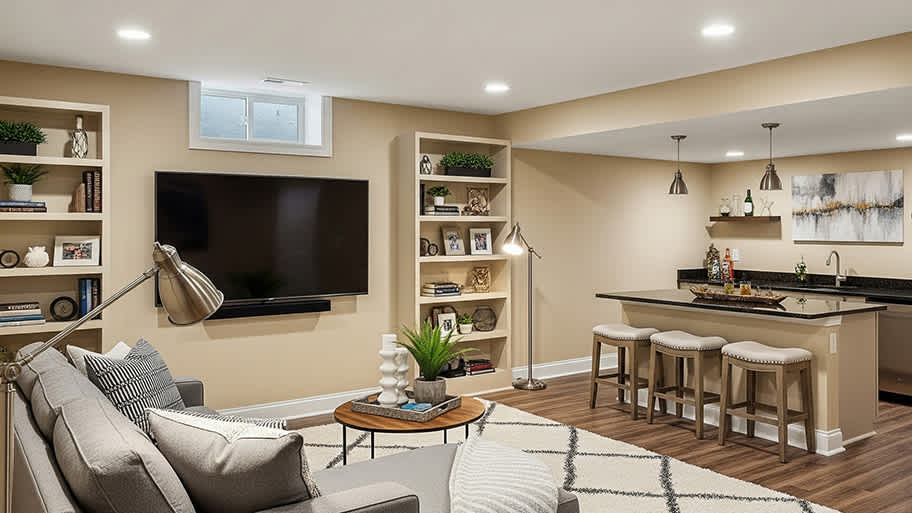
An unfinished basement has a lot of potential for a family room or guest suite. So how much does it cost to finish a basement? Read on for all cost factors.
Basement waterproofing costs depend on your project and location. Check with a local pro for your specific job.

Professional basement waterproofing runs $2,460 to $8,205, and your total depends on method and basement size.
Interior waterproofing costs less than exterior work because it skips excavation, and your foundation material and soil raise labor.
You should budget for water damage repairs $1,360 to $6,290, mold remediation $500 to $3,500, and permits $150 to $500.
Hiring a local mold removal professional ensures moisture control and protects your home from structural damage from water and mold.
In 2026, the national average cost for basement waterproofing is $5,245, based on 5,780 verified projects from Angi Pros. Most homeowners pay between $2,460 and $8,205, with the spread driven by waterproofing method, basement size, and the extent of the moisture issue. Minor interior fixes like sealing foundation cracks can start as low as $600, while a complete system can reach as much as $15,000.

Several variables shape the final cost of basement waterproofing, including the size of the space, the chosen waterproofing method, the condition of the foundation, and your geographic location.
Basement waterproofing costs $3 to $10 per square foot on average, and the method you choose is the primary driver of where your price lands within that range. Larger spaces require more time, labor, and materials, so the bigger your basement, the higher your total will be for any given method. Basement waterproofing costs vary by square footage, as shown in the table below:
| Basement Size (Sq. Ft.) | Average Cost in 2026 |
|---|---|
| 500 | $1,500–$5,000 |
| 750 | $2,300–$7,500 |
| 1,000 | $3,000–$10,000 |
| 1,250 | $3,800–$12,500 |
| 1,500 | $4,500–$15,000 |
| 2,000 | $6,000–$20,000 |
Interior waterproofing averages $3,000, while exterior waterproofing averages $7,000; the right approach depends on where your water problems originate. Interior work is more affordable because it skips excavation and backfilling, whereas exterior methods like damp-proofing require significant digging, which drives up labor costs. Basement waterproofing type plays a major role in total cost, as shown in the table below:
| Waterproofing Type | Average Cost in 2026 |
|---|---|
| Interior | $3,000 |
| Exterior | $7,000 |
Hiring a basement waterproofing contractor runs around $200 per hour. Contractors often charge by the hour based on project scope, so larger and more complex jobs cost more. Fortunately, labor is included in the price of most waterproofing projects, so you generally do not need to budget for it as a separate line item.
Your location affects waterproofing costs through both regional demand and soil conditions. Contractors in flood-prone areas command higher rates due to elevated demand, and homeowners in high-cost-of-living regions pay more across the board. Heavy clay soil further increases excavation time and labor costs, particularly when site constraints prevent the use of heavy machinery and manual digging becomes necessary.
A foundation in poor condition due to water damage will require repairs before preventative waterproofing can be applied, significantly increasing your total budget:
Foundation repairs cost an average of $5,000, with most projects ranging from $2,000 to $8,000.
You could pay an average of $25,000 for structural repairs, such as underpinning, which you’ll need if your water issue has caused severe damage.
Your foundation material affects waterproofing costs: poured concrete is less expensive to waterproof than block-wall foundations. Poured concrete is seamless and lacks mortar joints, making it less prone to water infiltration and easier for contractors to seal effectively.
Before waterproofing, you must first address water damage and debris from flooding:
Repairing water damage costs anywhere from $1,360 to $6,290, depending on the extent of damage, or $3 to $7.50 per square foot.
Removing debris costs $130 to $370, but the exact amount largely depends on weight. It’s worth noting that wet items are heavier than dry items, so expect to pay on the higher end of that cost range.
Sealant type is a meaningful cost variable when waterproofing a basement. Basic acrylic waterproofing paint is often the most affordable, ranging from $1 to $8 per square foot, while an epoxy injection into a concrete crack can cost $800 to $1,500 per crack. The table below breaks down the average cost per square foot of different sealant types:
| Sealant Type | Average Cost (per Sq. Ft.) in 2026 |
|---|---|
| Acrylic | $1–$8 |
| Epoxy | $5–$7 |
| Silicate | $4–$6 |
Older homes often cost more to waterproof for two reasons: outdated construction standards and aging materials. Homes built before the 1950s may lack properly installed footings or rebar reinforcement that meet current codes, often requiring more extensive waterproofing measures. Concrete also weakens over time, and a deteriorated foundation may need additional work that adds several thousand dollars to your project total.
Existing leaks require separate repairs alongside waterproofing, since waterproofing itself is a preventative measure rather than a fix for active water damage to ceilings, walls, and other building materials. Minor leak repairs cost around $250, but extensive or widespread leaking can reach up to $10,000.
Basements without effective waterproofing are vulnerable to mold growth, and addressing it promptly protects both indoor air quality and your building materials. Mold remediation costs $500 to $3,500, and because the work involves hazardous materials, it is best to hire a mold remediation expert rather than attempt it yourself.
The water table is the underground boundary separating dry ground from water-saturated ground, and a higher water table increases flood risk and waterproofing costs. Contractors in these regions are in high demand, and homeowners typically need more comprehensive systems to manage both groundwater and surface runoff simultaneously.
Clearing your basement before the contractor arrives can save you $200 to $1,000 in prep costs, since contractors charge for the time spent removing items that obstruct the work area. That total could climb higher for materials that have harbored mold and become hazardous.
Professional waterproofing systems often include a warranty in the project price, but the length of your basement waterproofing warranty varies by provider and often correlates with cost. Because basement water problems tend to be persistent, paying a premium for a contractor who offers a longer warranty is generally a sound investment.
Permits are not always required for basement waterproofing, but excavation or structural repairs alongside the work will often trigger a permit requirement. Depending on your municipality and the scope of the project, permits can range from $75 to $500 or more.
Waterproofing is crucial for basements to prevent water intrusion, mold growth, and structural damage. Interior waterproofing methods like sealants and vapor barriers help control moisture levels but don't address the root cause. Exterior waterproofing, such as waterproof coatings and French drainage systems, are often more effective in preventing water from entering the basement.
Professionals waterproof basements from the exterior or the interior, and costs vary significantly depending on which method your situation requires. The table below lists basement waterproofing methods along with average cost ranges for each:
| Basement Waterproofing Method | Interior vs. Exterior | Average Cost in 2026 |
|---|---|---|
| Excavation | Exterior | $50–$200 per cu. yd. |
| French drain | Exterior | $10–$100 per linear foot |
| Gutter system | Exterior | $4–$40 per linear foot |
| Liquid membrane waterproofing | Exterior | $3–$6 per square foot |
| Sheet membrane waterproofing | Exterior | $1,500–$3,000 |
| Sodium bentonite application | Exterior | $3–$4 per square foot |
| Underground downspout | Exterior | $200–$2,000 for full project |
| Yard grading | Exterior | $500–$3,000 for full project |
| Baseboard channels | Interior | $30 per linear foot |
| Dehumidifiers | Interior | $800–$2,000 per dehumidifier |
| Epoxy injection | Interior | $800–$1,500 per crack filled |
| Foundation coatings | Interior | $500–$1,000 for full project |
| Silicate concrete sealers | Interior | $3–$9 per square foot |
| Subfloor drain tile system | Interior | $25–$55 per square foot |
| Sump pump | Interior | $1,200–$2,500 |
| Vapor barrier | Interior | $1,500–$3,000 for full project |
| Waterproofing paint | Interior | $1–$8 per square foot |
| Weeping tile/Interior French drain | Interior | $60–$120 per linear foot |
Keep in mind that a complete basement waterproofing system will often include multiple items from the table above. You should have a basement waterproofing company near you design a system that fits your budget and addresses all of the underlying issues on your property.
Waterproofing costs $5 to $10 per square foot and blocks all forms of water intrusion, including vapor and hydrostatic pressure, while damp-proofing costs $3 to $6 per square foot and addresses only soil moisture.
| Service Type | Average Cost in 2026 |
|---|---|
| Waterproofing | $5–$10 per square foot |
| Damp-proofing | $3–$6 per square foot |
Beyond the upfront investment, basement waterproofing entails ongoing costs you should plan for, particularly if your system includes both preventive and reactive components.
Plan to spend $200 to $400 annually on ongoing waterproofing maintenance, though costs can be uneven from year to year. Sealants and crack coatings typically need reapplication every five to ten years at around $1,000 per reseal, and interior sealants generally outlast exterior ones. Other systems, such as sump pumps and gutter drainage, require periodic tune-ups and cleaning to stay effective.
Waterproofing components like sump pumps, dehumidifiers, and French drains can fail without warning and require repair or replacement. Keeping around $1,000 in reserve gives you a reasonable buffer for unexpected repair costs.
Hiring a professional basement waterproofing contractor may cost more upfront, but you benefit from faster, more effective protection, proper installation, and long-lasting results. Professionals have the tools and expertise to prevent leaks and water damage, saving you from costly repairs in the future.
Basement waterproofing involves careful assessment, proper sealing, and sometimes excavation or drainage installation. Here are some of the top reasons to work with a pro:
Waterproofing specialists ensure walls, floors, and foundation structures aren't damaged during installation.
They have the training and equipment to properly install sealants, drainage systems, sump pumps, or vapor barriers to keep your basement dry.
Working with a professional ensures effective moisture control, reduces the risk of mold growth, and protects your home's structural integrity.
Bundling waterproofing with basement inspections, dehumidifier installation, or foundation repairs can help save on overall project costs.
If you'd like to handle minor prep work yourself to save time and labor costs, here are a few tasks you can take on:
Clear the basement of furniture, appliances, and personal items to allow easy access.
Identify and document visible cracks, leaks, or areas prone to moisture to help the contractor plan the work.
Ensure gutters, downspouts, and exterior drainage are free of debris to support the waterproofing system's effectiveness.
Many homeowners pair waterproofing with add-on services to increase the utility and comfort of their basements.
Cost to finish a basement: $15,000–$75,000
Cost to install new basement hopper windows: $200–$1,000 each
Cost to install window wells: $2,000–$5,000 each
Cost for pest control service: $300–$550 per treatment
Cost to install basement insulation: $1,800–$3,000
Be prepared to discuss with a pro the current condition of your basement, including any signs of leaks, dampness, or structural cracks, as these factors determine the waterproofing method and materials required.
If your budget allows, ask your pro about optional upgrades such as interior drainage systems, sump pumps, or mold- and mildew-resistant coatings.
Make sure the basement is cleared of furniture, storage, and personal items, since waterproofing work requires unobstructed access to walls and floors.
Plan for potential unexpected costs, including additional foundation repairs, drainage adjustments, or moisture mitigation measures that may be necessary once work begins.
Home is the most important place on earth, which is why Angi has helped more than 150 million homeowners transform their houses into homes they adore. To help homeowners with their next project, Angi provides readers with the most accurate cost data and upholds strict editorial standards. We’ve surveyed thousands of real Angi customers about their project costs to develop the pricing data you see, so you can make the best decisions for you and your home. We pair this data with research from reputable sources, including the U.S. Bureau of Labor Statistics, academic journals, market studies, and interviews with industry experts—all to ensure our prices reflect real-world projects.
Want to help us improve our cost data? Send us a recent project quote to [email protected]. Quotes and personal information will not be shared publicly.
Finished Basements Plus was wonderful from beginning to end! First, they came out quickly for an estimate. I had 4 estimates and theirs was by far the best. (2 of the estimates were more than $20K higher than for the exact same work). Beyond their fair pricing, the work was excellent. They...
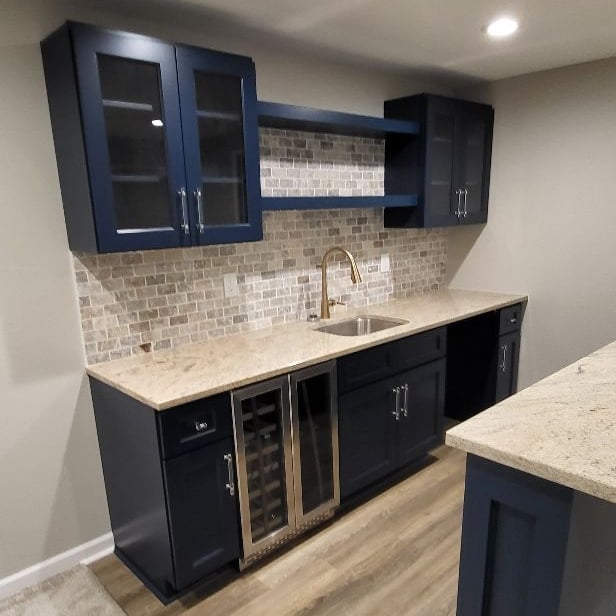 Finished Basements Plus Inc.
Amazing job. Efficient and quick without compromising quality. Basement feels brand new. Would use them again in a heartbeat.
 AffordaPro Restoration
Window Depot did an amazing job installing the windows in my basement! The process from start to finish was by far more than what I expected. I would highly recommend Window Depot if you want professionalism from the the consultation to the installation. Dont settle for mediocre when you can...
 Window Depot USA of Central Ohio
They cleaned my very dirty basement. They were prompts, quick, thorough and their price was fair.
 JDE House Cleaning LLC
I am very pleased with the services performed by OTS. Bless my late Mother, but she was a bit of a pack-rat. The basement of her home was crammed with 40+ years of "stuff," and the other companies I contacted were concerned with possible mold contamination of the items due to the musty smell...
The company was very easy to work with. My family is now able to enjoy a space that at one point, only collected junk!!!! I feel like i have a whole new addition to the house!!! Wonderful work Blurock on our basement, will recommend!
 BluRock Services, Inc.
Excellent work. Opted for the service contract which provides spring and fall checkups and deduction on maintenance charges which seems to be a good value. Initial dehumidifier for our large basement was undersized. They replaced unit after it failed with a larger unit and charged only for...
 Total Comfort Heating & Cooling Inc
We had water in our basement and Roto Rooter was original contact to evaluate the situation. We were informed that our sewer main was fractured and needed repair. We received their estimate and then looked for counter offers. Ohio Basement Authority came with the best quote for the work. Once...
 Ohio Basement Authority
Called Mark on a Thursday morning. Not really knowing if he could help me or not. I was having driveway, flooding issues due to a clogged channel drain and I was trying to figure out what direction to take. Heavy rains had come on Monday and again on Thursday leading to flooding in my garage...
 Mark Rodgers Construction
The crumbling basement wall needing repair is beneath a large 2 story porch. What i thought would be a complicated project was made very easy by this crew. I was very impressed with the speed and quality of the work performed. The job was finished in just a week as estimated. There were...
 Groundworks
From average costs to expert advice, get all the answers you need to get your job done.
An unfinished basement has a lot of potential for a family room or guest suite. So how much does it cost to finish a basement? Read on for all cost factors.
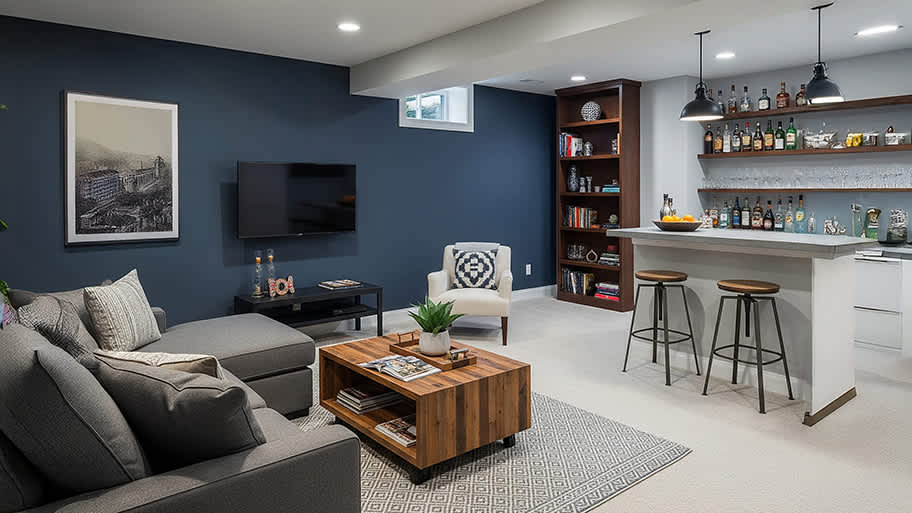
The first step toward a cozy finished basement is adding its framing. How much does it cost to frame a basement? Let's break down the numbers.
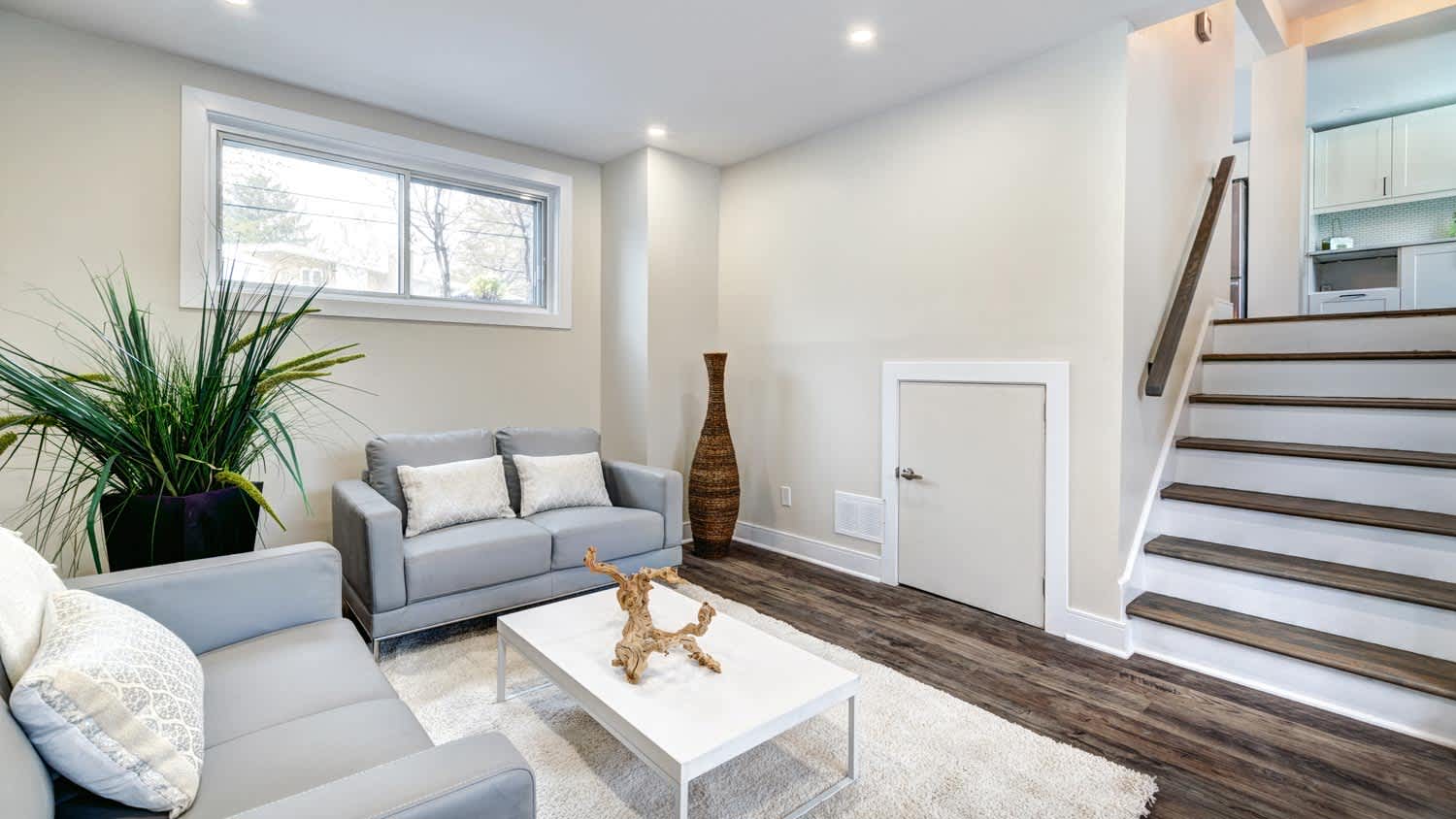
A basement remodel can often cost as much as adding another room. However, homeowners should consider the usefulness and ROI of a remodel.

Struggling with a damp basement? Learn about basement waterproofing and how these tips can help keep your basement safe from the elements.
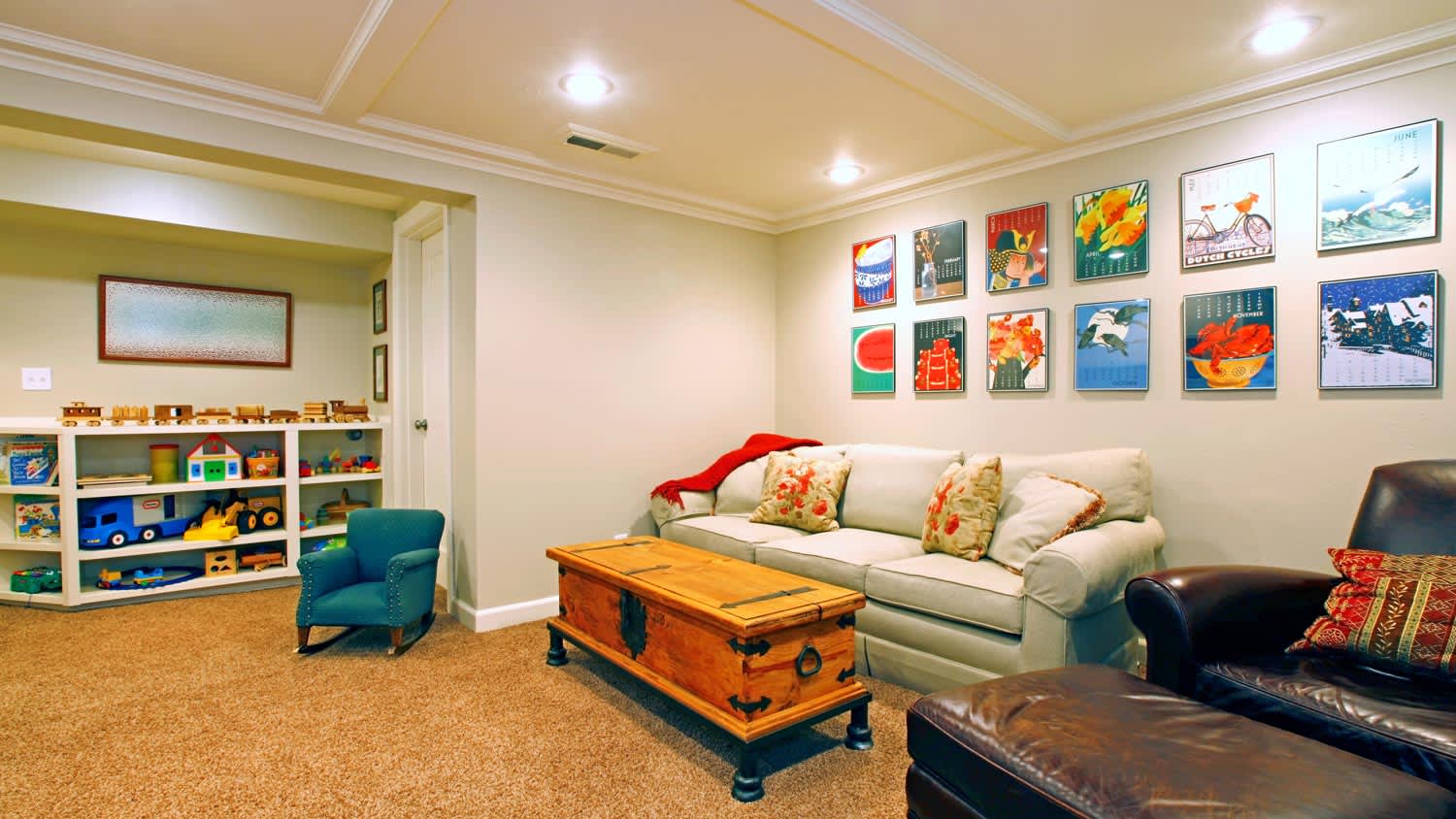
Waterproofing your basement is important to protect your home. Follow these tips to ensure that you hire the right waterproofing contractor for the job.
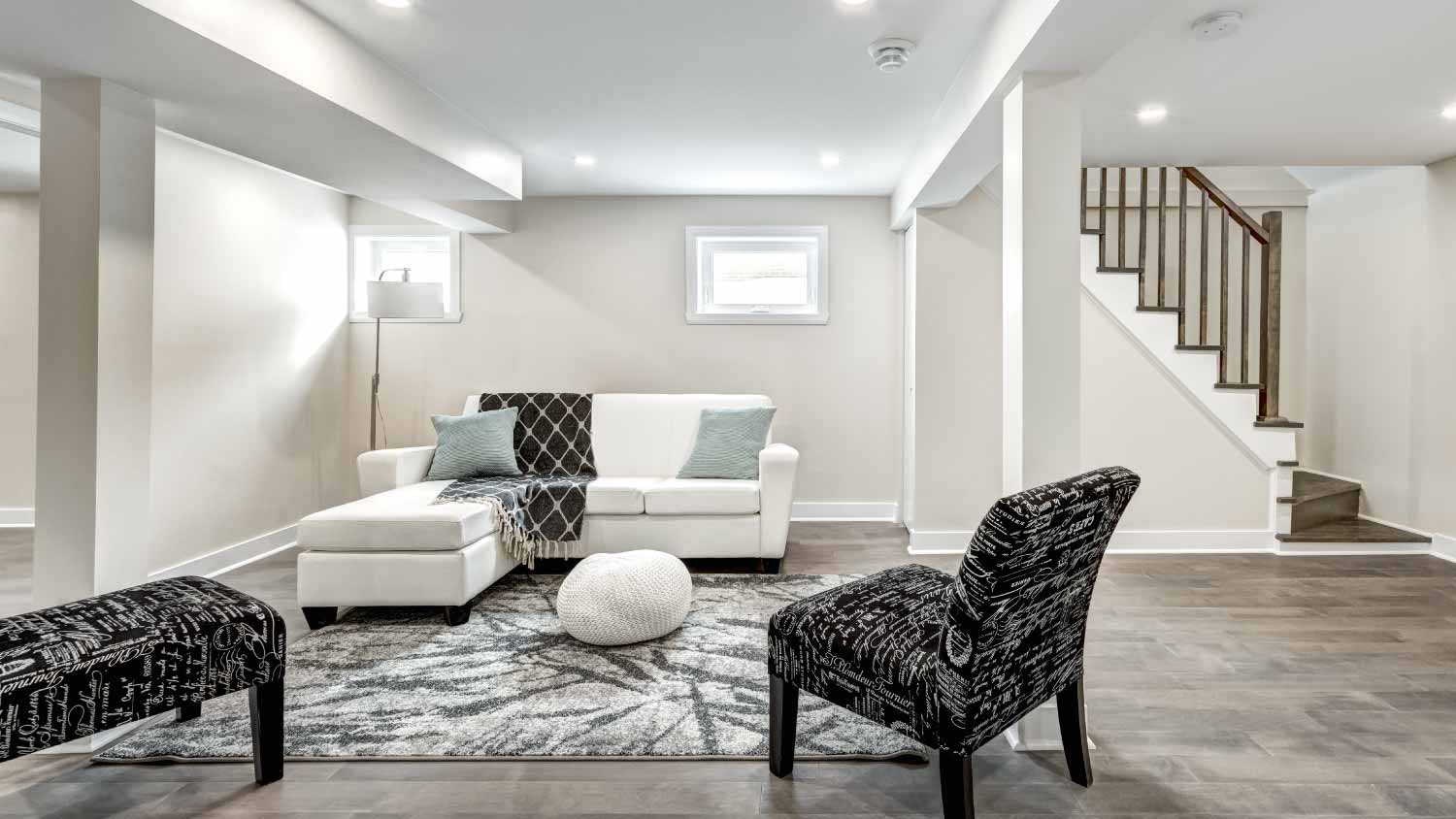
Dealing with a damp basement? Follow these steps for DIY basement waterproofing to keep water and moisture out and boost your home’s energy efficiency.