
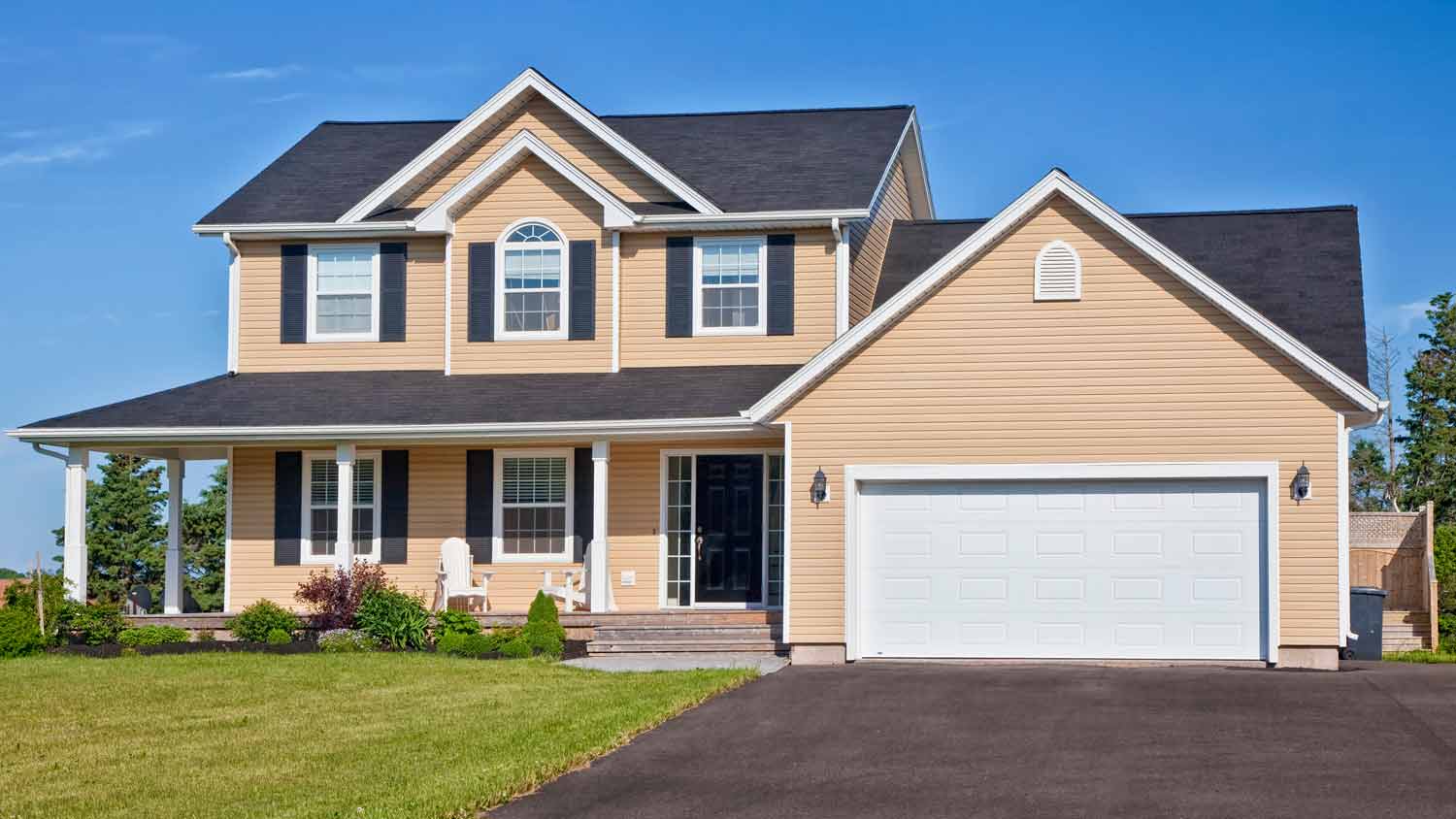
The cost to paint vinyl siding depends on the type of paint, square footage, labor, and more. Check out this guide to help you budget for painting vinyl siding.
Photo: JamesBrey / E+ / Getty Images

Your siding lifespan depends heavily on material type, with brick and stone lasting 100 years or more while aluminum and vinyl last 20 to 40 years.
Expect to pay $2 to $50 per square foot for siding repairs and around $11,600 for complete siding replacement, so addressing issues early helps you avoid higher costs.
You can extend your siding lifespan by repainting or refinishing wood and stucco, repairing damage quickly, and trimming back vegetation at least one foot from your home.
Hiring a local siding repair professional provides reliable support with moisture issues and ongoing leaks, helping you determine whether repair or replacement makes the most sense for your home.
Not only is siding one of the most critical parts of your home’s curb appeal, but it also protects sheathing and other building materials from the elements. To restore the appeal of your siding, you can power wash or paint it, but understanding how long siding lasts and how long it will stand up to rain, snow, and wind is a good way to keep your home protected.
Siding lasts anywhere between 20 and 100 years, sometimes even longer, depending mostly on the type of siding.
| Type of Siding | Lifespan (years) |
|---|---|
| Aluminum | 20–60 |
| Brick | 50–100+ |
| Brick veneer | 40–100 |
| Engineered wood | 20–40 |
| Fiber cement | 30–50 |
| Steel | 40–60 |
| Stone | 50–100+ |
| Stone veneer | 40–100 |
| Stucco | 50–80 |
| Vinyl | 20–40 |
| Wood | 20–80 |

There’s such a large range of siding lifespan because many factors affect longevity and durability.
As you can see in the table above, the type of siding you choose plays the biggest role in how long it will last before needing replacement. Aluminum, engineered wood, vinyl, and wood have the shortest lifespans, lasting as little as 20 years in some cases. Brick and stone siding have the longest lifespan and can last for 100 years or more with proper maintenance.
The second most important factor is the climate in your area. Excessive rainfall, snowfall, humidity, UV radiation, and strong winds can all compromise your siding. Certain types of siding perform worse in harsh climates, too. For example, wood siding and stucco will absorb water and can crack with rapid changes in moisture, so siding type, along with climate, can determine how long your siding will last.
All siding will need maintenance, and how diligent you are about your siding maintenance will affect its lifespan. Some siding materials need repainting or resealing every few years to maintain waterproofing capabilities. Vinyl, fiber cement, engineered wood, wood, and stucco benefit from painting and resealing to extend their lifespans. Wood siding also benefits from fireproofing and applications to deter wood-destroying insects. Keeping up with siding maintenance is the best way to get more life out of the material.
How your siding is installed can play an important role, too. Improper installation can leave gaps that allow moisture or water behind your siding, eventually leading to moisture build-up, destructive mold, and interior leaks. Hiring a siding contractor for proper installation and maintenance of any siding type can help your siding push toward the upper end of its lifespan.
There are a handful of things to look out for that can help you determine when it’s time to replace your siding.
Interior leaks: First and foremost, if your siding is leaking and causing water damage to the materials behind it, it’s best to replace it. Ongoing water damage will progressively get worse, so if you find yourself carrying out repairs regularly, a full replacement or even a partial siding replacement is a good investment.
Physical damage or rot: You can fix a small area of cracked or warping siding with a patch, but your siding may need replacement if you have extensive damage to multiple areas, which is an indication that your siding has reached its useful lifespan.
Mold or mildew: Mold and mildew growth on your siding are signs that it’s no longer protecting your home like it should.
Fading: Most types of siding will fade with exposure to sunlight. Severe fading on vinyl siding, especially, can suggest that the material is losing its waterproofing qualities.
There are a few key things you can do to get more life out of your siding and push off a full replacement.
Repaint or refinish: For siding that is still protecting your home but is no longer providing good curb appeal, repainting or refinishing the siding can extend its lifespan. This is especially true for wood and stucco siding, where the finish helps keep moisture out.
Keep up with repairs and maintenance: All types of siding will last longer if you repair physical damage and address moisture issues quickly.
Cut brush away from your home: Tree branches and shrubs can hold moisture against your siding, increasing the risk of mold growth and rot. Trim back vegetation at least a foot to avoid problems.
Most siding materials include a warranty that guarantees protection for a certain amount of time. Warranties range from 10 years for some wood siding options to 50 years or longer for stone, brick, vinyl, and fiber cement. Always check your warranty before repairing or replacing to see if you’re covered.
An important thing to note is that many siding warranties require professional installation for coverage. If you DIY the installation, you may have more limited coverage, or you may void the warranty entirely.

Repairing siding costs an average of $26 per square foot, but the price can fall anywhere between $2 and $50 per square foot, depending on the type of siding and the specific repair you need. Replacing siding costs $11,600, on average, and while the total will almost always be more expensive than a repair, it’s sometimes a smarter financial decision to replace rather than repair.
You should repair if your siding has more than half of its useful life left, based on the table above for your siding type, and if you’re not dealing with ongoing leaks. Replacing will be more costly up front, but can be a one-and-done solution that maximizes curb appeal. New siding also boosts home value more than repairs, so it’s usually better if you plan to sell in the near future.
Ask a siding repair contractor near you for an estimate. If it’s more than 50% of the total cost to replace, replacing makes more sense.
The guys at PaveWay are top notch. From the estimate to the job being completed,all was done in a timely and professional manner. I myself was a DOT Engineer Inspector(know what to look for) and got to talking with Cameron and he himself was a Contract inspector for a few years,same job as...
 All Star Paving and Sealing
I highly recommend KTM construction! I will look no where else for anything that needs to be done, in or out side of our property. The level of craftsmanship is 5 star service across the board! The level of detail, knowledge and professionalism is 5 star service across the board! Ken is a...
 KTM Construction, LLC
I purchased the "Big Deal": $199.00 for exterior pressure-washing of one- or two-story home up to 2,000 square feet. They cleaned the siding only. I wasn't aware when I bought the Big Deal that they would not do any other surfaces other than the siding (i.e. sides of the gutters or stucco). I...
 Complete Home Services
This brownstone is historical and the carpentry work is very detailed. I was very happy to secure a company in NY and living in OH to complete the request. Wood work on this brownstone has been existing since approximately 1888 and West side did a GREAT JOB. I will not be able to...
 Westside Home Improvement
Nice group of workers, very friendly. Day 1 covered everything before starting, seemed very organized. Things seemed to be going great. Day 2 they didn't show up until around 10:00a.m. and work crew was cut in half, was told they had another job. Day 3 they didn't show up until around...
 CertaPro Painters of Columbus
The work went great! Couldn't ask for better. Joel set a work start date. About the time of the storms that may have been associated with Sandy. He was half a day late. They set up on a Thursday. On Friday they had a full crew at work. By Monday they were finishing up. Now, the best...
 NJW Construction
A few months ago, a tree branch fell across my car, leaving a series of dents across the hood and driver's side fender. I took it to Rife's after reading the Angie's List reviews. Rife's did a great job! My car looks like new. And they made the process as easy as possible. When I came in...
 Rife's Autobody Inc
I received an email from Angie's List offering Car Detailing 4 U's services for $99. Coming from Angie's List, I expected this to be a highly dependable and qualified company that was known for doing exceptional work. I set the appointment for them to come to my home. They were arrive at...
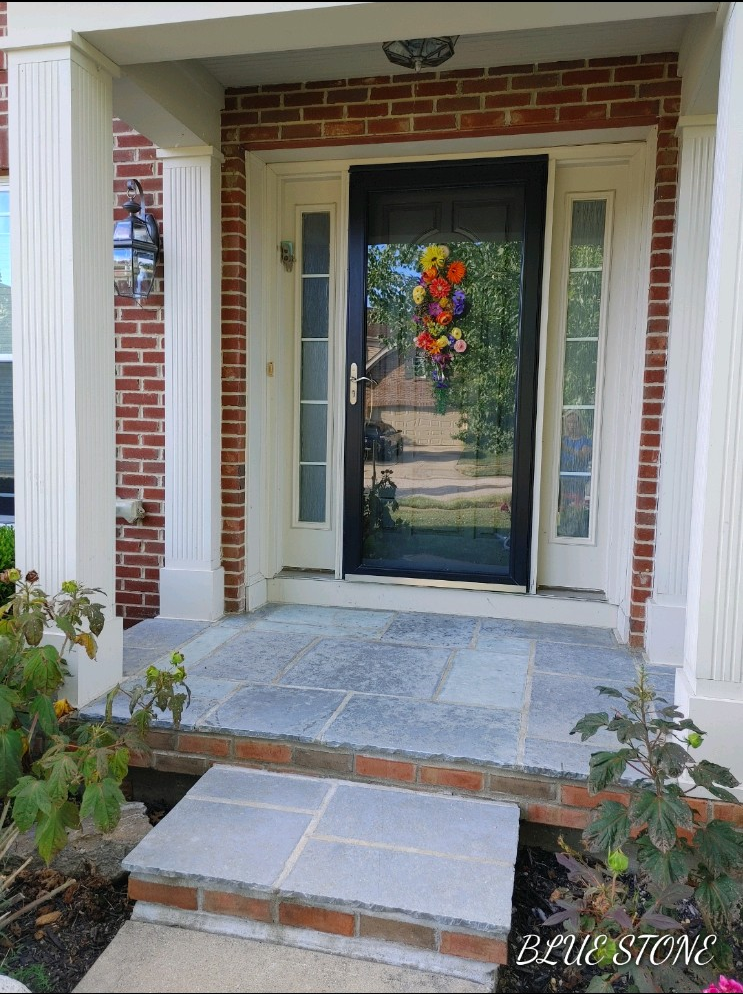
We first had Mark fix the back patio and liked his work so much we had him make a brick patio on the side of the house. When we decided to change our concrete walkway to brick, we wanted Mark to do the job because his prices were fair and he did such good work on t he other two projects.
 Mark Monnette Masonry
I was very pleased with the cost and end result. I truly expected this job to cost me 50% more than it did. When you factor quality and cost, I would highly recommend Mark's services and plan to use him in the future. The best part was, I asked Mark to match the paint color in one section...
 Fresh Touch Custom Painting Inc.
From average costs to expert advice, get all the answers you need to get your job done.
The cost to paint vinyl siding depends on the type of paint, square footage, labor, and more. Check out this guide to help you budget for painting vinyl siding.
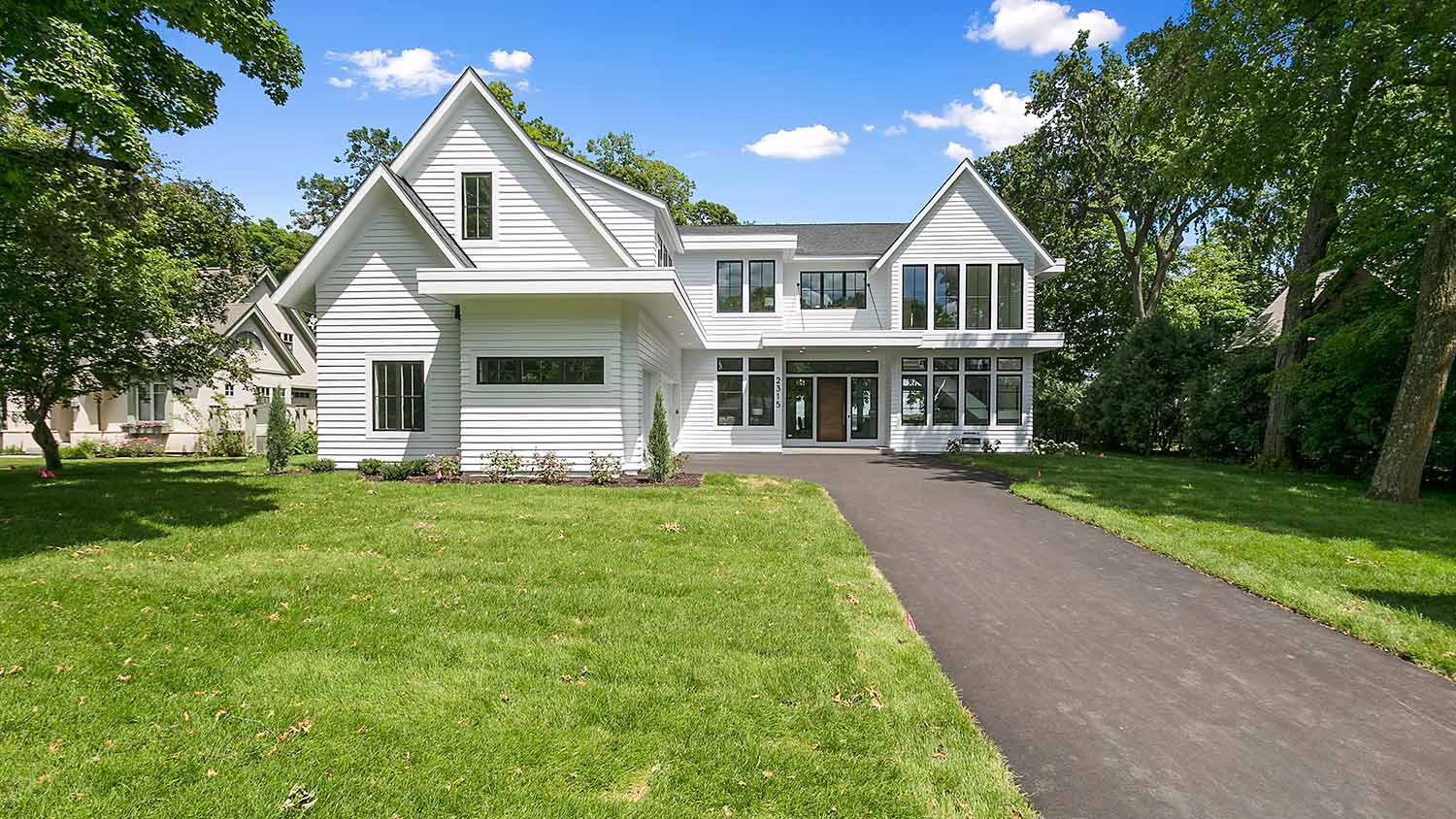
Not sure how much vinyl siding costs? To prepare your budget for an upcoming siding project, read on to learn about average supply and labor costs.
Considering a home exterior makeover with cladding? Find out the average house cladding cost to help you plan your budget.
Leaving a house without siding for too long can cause significant damage. Learn how long a house can sit without siding and what the risks are.
If you’re considering adding vinyl siding to your home, you may wonder: How long does vinyl siding last? Learn everything you need to know in this guide.
Stucco is a popular siding known for its durability, curb appeal, and long lifespan, but how long does stucco last? Here’s everything you need to know.