


Whether you DIY or go with a pro will determine your ceiling speaker installation cost. Follow this guide to help you budget for your home audio project.
Stereo and home theater system service costs depend on your project and location. Check with a local pro for your specific job.


Professional surround sound installation costs between $241 and $1,350, with most homeowners spending around $794 for your project.
The system type you choose and your room size determine your final installation cost, with wireless and custom setups costing more.
Remember to budget for wall modifications, electrical upgrades, and removal of old equipment, which can add $100 to $1,000 to your total.
Hiring a local surround sound installation professional ensures proper speaker placement and calibration and saves you time and effort.
This article was created using automation technology and thoroughly fact-checked and edited by an Angi Editor in accordance with our AI policy.
On average, surround sound installation costs range between $241 and $1,350, with most projects costing an average of $794. Prices depend on the system type, room size, and labor rates. Homeowners may pay as little as $90 for a basic setup or up to $4,700 for advanced, custom installations.
Whether you are upgrading your home theater or want immersive audio throughout your living space, understanding the costs and options helps you get the best value and performance. Labor can range from $50 to $100 per hour, and larger rooms may require more speakers and wiring.
Understanding what shapes your surround sound system installation cost lets you plan your project wisely. Let’s break down the core factors.
The type of surround sound system you choose is the foundation of your cost. Common options include 5.1 and 7.1 systems, Dolby Atmos setups, wireless solutions, and in-wall or in-ceiling installations. Entry-level pre-packaged systems are the least expensive to install, while custom or advanced setups can significantly increase costs due to complexity and materials needed.
| System Type | Average Cost | Description |
|---|---|---|
| 5.1 system | $300–$1,700 | Six speakers: five satellites, one subwoofer |
| 7.1 system | $400–$4,000 | Eight speakers: adds two rear speakers |
| Dolby Atmos | $1,000–$7,000 | Overhead/in-ceiling speakers for 3D audio |
| Wireless | $250–$4,000 | Fewer wires, higher equipment cost |
| In-wall/in-ceiling | $1,200–$3,000 | Custom, hidden installations; more labor |
Room size directly impacts installation cost. Larger spaces require more speakers and longer cable runs. Small rooms (up to 200 square feet) are often less expensive, while open-concept or multi-room setups cost more due to additional equipment and labor. Upgrading to a whole-home audio system significantly increases your total.
Material costs include speakers, receivers, subwoofers, wiring, mounts, brackets, and connectors. Entry-level components are less expensive, while premium brands and advanced features (like wireless connectivity or smart integration) raise your total. Wired systems require more cable and hardware, increasing both material and labor costs.
| Component/Material | Average Cost |
|---|---|
| Speakers | $50–$600 each |
| Receiver | $200–$4,000 |
| Subwoofer | $100–$2,000 |
| Amplifier | $150–$2,200 |
| Wiring/cables | $150–$650 |
Professional installation labor is a significant portion of the surround sound system installation cost. Audio/visual installers, electricians, or general contractors may be involved, depending on your setup. Labor rates range from $50 to $100 per hour for standard jobs, taking two to three hours.
Regional differences, experience level, and project complexity can affect these rates. Labor often includes setup, wiring, calibration, and troubleshooting. Expect extra fees for complex installations, such as running cables through finished walls or ceilings.
If your system requires wall or ceiling modifications—like cutting, patching, or reinforcing—costs can increase by $100 to $500, depending on the amount of work. Electrical upgrades, such as adding outlets or dedicated circuits, can add another $250 to $1,000. Moving furniture or removing old audio equipment may also incur service charges.
Tipping your surround sound system installer is not required, but is appreciated for excellent service or complex jobs. Standard tips range from $20 to $50 per installer or 10% of the total labor cost. If your installation was especially challenging or the crew went above and beyond, a higher tip is always welcome.
A few other factors can influence your surround sound system installation cost:
Demolition or removal of existing speakers or wiring, which can add $50 to $200.
Post-installation cleanup or debris removal, sometimes billed at $30 to $100.
Permit fees, if electrical or structural work is required, may range from $50 to $250.
Structural modifications—like wall reinforcement, soundproofing, or custom cabinetry—can increase costs by several thousand dollars.
Smart home integration, universal remote programming, or decorative upgrades such as custom grilles or acoustic panels will also add to your total.

It’s important to consider ongoing expenses after your system is installed. Here’s a closer look at how these costs break down.
Routine maintenance involves cleaning speakers, checking connections, and updating firmware. Most homeowners handle these tasks themselves at little to no cost. If you hire a pro for calibration or a system checkup, expect to pay $75 to $200 per visit. Replacing worn cables, mounts, or connectors may cost $10 to $100 per component, depending on quality.
Surround sound systems use electricity, but the cost is minimal at $2 to $10 per month, depending on usage and system size. If you use streaming services, subscriptions can range from $5 to $20 per month. Wireless speaker components or remote controls may require periodic battery replacement, costing $10 to $30 annually.
Common surround sound system repairs include:
Replacing blown speakers: $50 to $400 each
Fixing wiring issues: $75 to $200
Receiver malfunctions: $100 to $500
Many systems come with warranties that cover parts and labor for a set period, but out-of-pocket expenses can add up if your warranty has expired or doesn’t cover certain issues.
High-value audio equipment may be covered by your homeowners’ insurance, but you might need to add or increase your coverage. This can cost $10 to $50 per year, depending on your provider and the value of your system. Additional coverage protects against accidental damage, theft, or power surges.
Many homeowners enhance their systems with add-ons. Each addition comes with its own cost:
Smart home integration (voice control, app connectivity): $150 to $500
Universal remote programming: $50 to $200
Acoustic treatments (panels, bass traps): $100 to $1,000
Additional zones or multi-room audio: $500 to $1,000 per room
Surge protectors or power conditioners: $50 to $300
These features can improve aesthetics, convenience, and performance, but will increase your total investment.
Looking to manage your surround sound system installation cost? Consider these practical ways to save:
Get multiple quotes from qualified local surround sound system installers.
Choose a system type that matches your room and budget.
Opt for pre-packaged systems to reduce customization costs.
Handle simple prep work (moving furniture, clearing space) yourself.
Schedule installation during off-peak times for possible discounts.
Purchase materials or components during sales or bundle deals.
Limit add-ons to essentials for your needs.
Consider wireless systems to reduce labor and wiring costs.
Installing a surround sound system yourself can save on labor, but it requires time, tools, and know-how. DIYers spend between $50 and $300 on tools such as wire strippers, stud finders, and wall mounts, as well as the cost of materials and equipment.
In-wall wiring, ceiling mounts, or complex systems are best left to professionals to avoid costly mistakes. For advanced systems, in-wall wiring, or if you want the best possible audio experience, consider hiring a professional to install your surround system.
Installing a surround sound system is a complex and tedious process. Here are a few reasons it’s best to leave the job to a pro:
Professionals have the expertise to properly position and calibrate equipment for perfect sound
Many pros can complete the project in just a few hours
Hiring an experienced pro ensures proper setup, mounting, and wiring
Experts can integrate all components seamlessly for a clean, organized setup
Hiring a pro saves time, reduces risks, and ensures a lasting, high-quality audio experience
If you want to assist during the process, here are a few ways you can contribute to the setup of your surround sound system:
Select your equipment beforehand to reduce delays
Clear the area ahead of installation
Unpack and arrange the equipment to speed up the process
Measure your space and mark general speaker locations
Be ready to discuss the size, design, and type of surround sound system you’d like to install.
Measure your space and make sure it’s clear of obstructions before installation.
If you have space in your budget, ask your pro about add-ons like smart systems, additional speakers, or added zones.
Prepare for unexpected costs, such as additional wiring, mounting hardware, or added labor, that may arise during installation.
Home is the most important place on earth, which is why Angi has helped more than 150 million homeowners transform their houses into homes they adore. To help homeowners with their next project, Angi provides readers with the most accurate cost data and upholds strict editorial standards. We extensively research project costs to develop the pricing data you see, so you can make the best decisions for you and your home. We rely on reputable sources, including the U.S. Bureau of Labor Statistics, academic journals, market studies, and interviews with industry experts—all to ensure our prices reflect real-world projects.
Want to help us improve our cost data? Send us a recent project quote to [email protected]. Quotes and personal information will not be shared publicly.
I recently moved to another state and chose United Trust Van Lines after comparing several companies. Their team was punctual, professional, and extremely careful with my belongings. I was especially impressed with how they handled my home office setup and fragile items. Everything arrived on...
 United Trust Van Lines, LLC
This company does it right. Firstly, I want to say that Landan was a joy to work with. He was so kind, transparent, and had everything under control. His entire team showed up ready to work and they were all very respectful of the fact that we were in an office space. A little backstory – we...
 Krumlauf Floors
Finished Basements Plus was wonderful from beginning to end! First, they came out quickly for an estimate. I had 4 estimates and theirs was by far the best. (2 of the estimates were more than $20K higher than for the exact same work). Beyond their fair pricing, the work was excellent. They...
 Finished Basements Plus Inc.
I cannot recommend DURAJ PAINTING LLC enough! From start to finish, the entire experience was effortless, professional, and truly enjoyable. They painted four rooms in my home, each with intricate colors and detailed work, and the results are absolutely stunning. What sets DURAJ PAINTING...
 DURAJ PAINTING LLC
1st Choice Renew is simply the best! We hired them for a complete home renovation, and they transformed our space into something truly amazing. The team attention to detail and commitment to quality were evident throughout the project. They were easy to work with, very responsive, and always...
 Save A Dime
Great communication throughout from discussion of the project, and its options, to installation. They found a number of unforeseen challenges when mounting my TV and soundbar to, what was found as, an untraditional wall that didn’t allow for wires to be hidden behind the wall. The team was...
 Tether House
Couldn't ask for a better company. Josh and Dee were Very professional, efficient, courteous and takes major pride in their work. They will travel to come to your home and will still give you a fair price. They are honest and trust worthy. Their focus is on their work and their work is...
 Supreme brick & chimney
Our home is a testament to Custom Paint Jobs LLCs skill and dedication. Simply the best!
 Custom Paint Jobs, LLC
We needed windows in our home, and we couldnt believe we got our entire home done for under $14,000. We have a lot of windows, and not only was it affordable, but it got done in a timely manner! Thanks guys, I truly appreciate you all!
 Window Depot USA of Central Ohio
If I could give 10 stars for Kitchen Tune Up, I would. I cannot say enough good things about my experience with Kitchen Tune Up and the entire team involved in the process of my kitchen project. They went above and beyond as far as service and quality with my cabinets, paint, countertops, and...
From average costs to expert advice, get all the answers you need to get your job done.
Whether you DIY or go with a pro will determine your ceiling speaker installation cost. Follow this guide to help you budget for your home audio project.
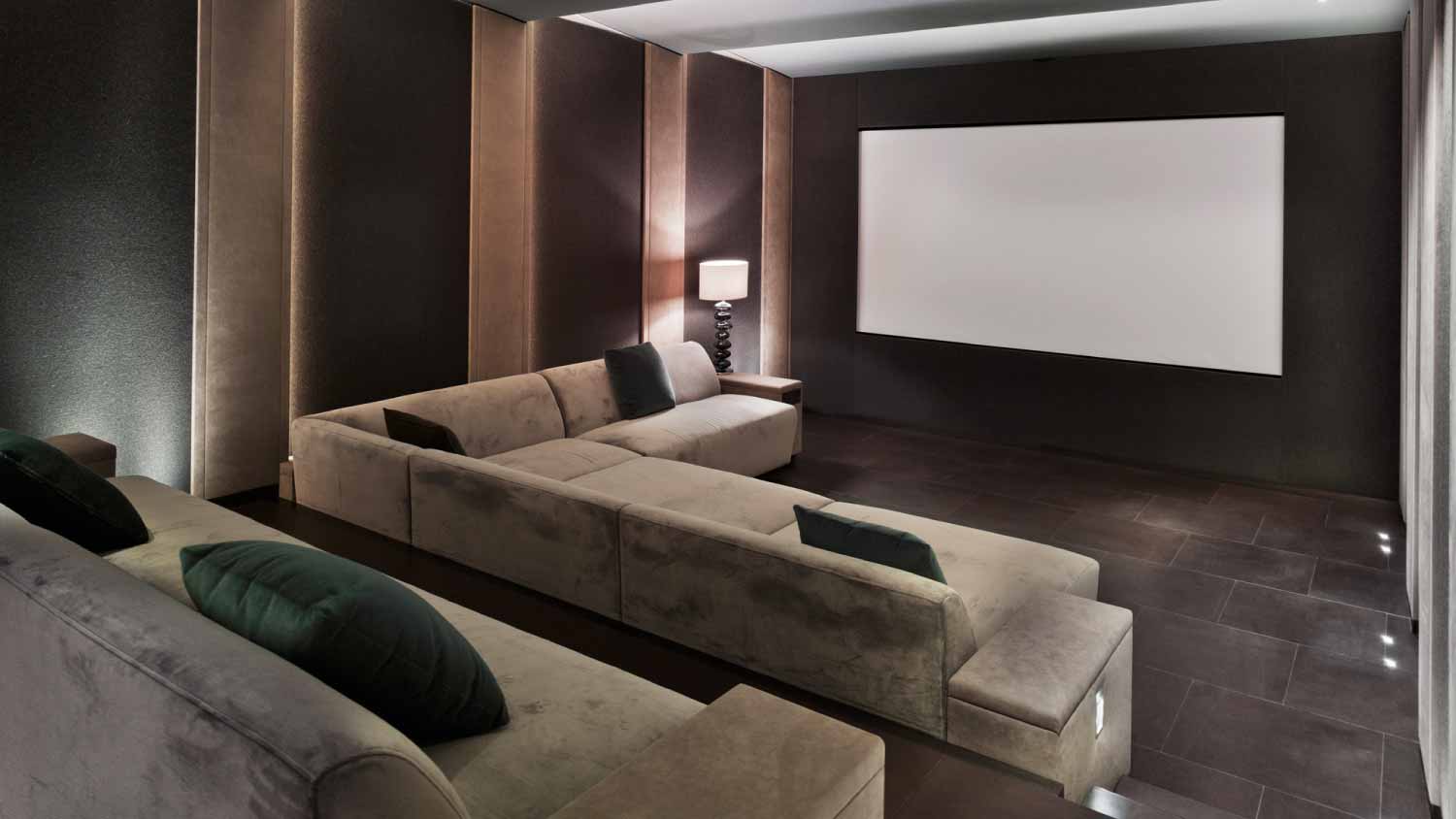
Explore home theater installation costs. Get detailed breakdowns, cost factors, and expert tips to help you budget and plan your dream home theater.

Discover the cost to install a projector and screen in your home, including price ranges, installation factors, and tips to help you plan your home theater project.
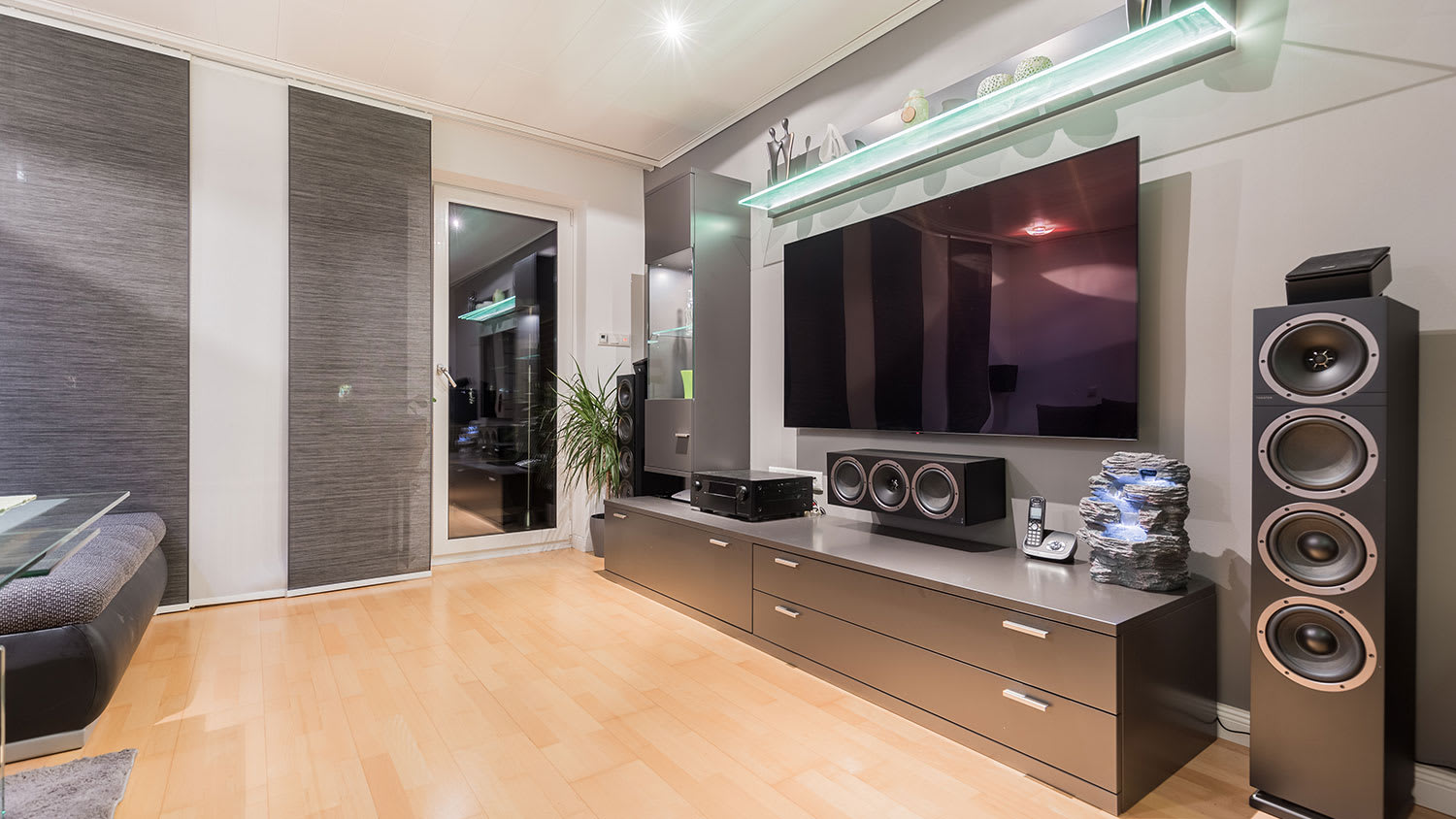
Learn how to hire a surround sound system installer for your home theater. Find qualified pros, ask the right questions, and get the best setup.

In order to choose the best surround sound speakers for you, start first with the TV. Learn more about how to choose surround sound speakers using this informational guide.
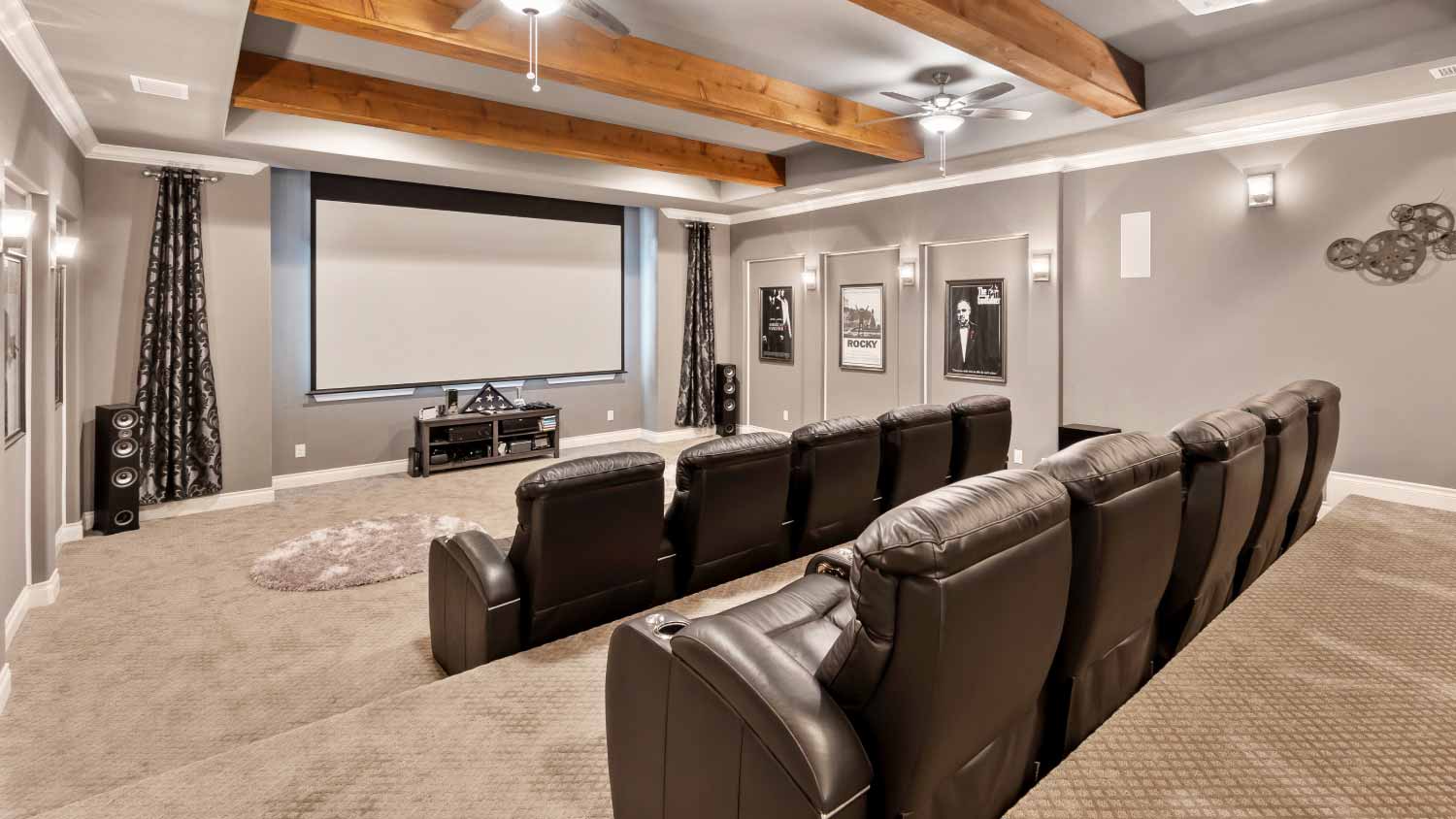
If you’re preparing to install a home theater surround sound system, here are the home theater questions you should discuss with your pro.