

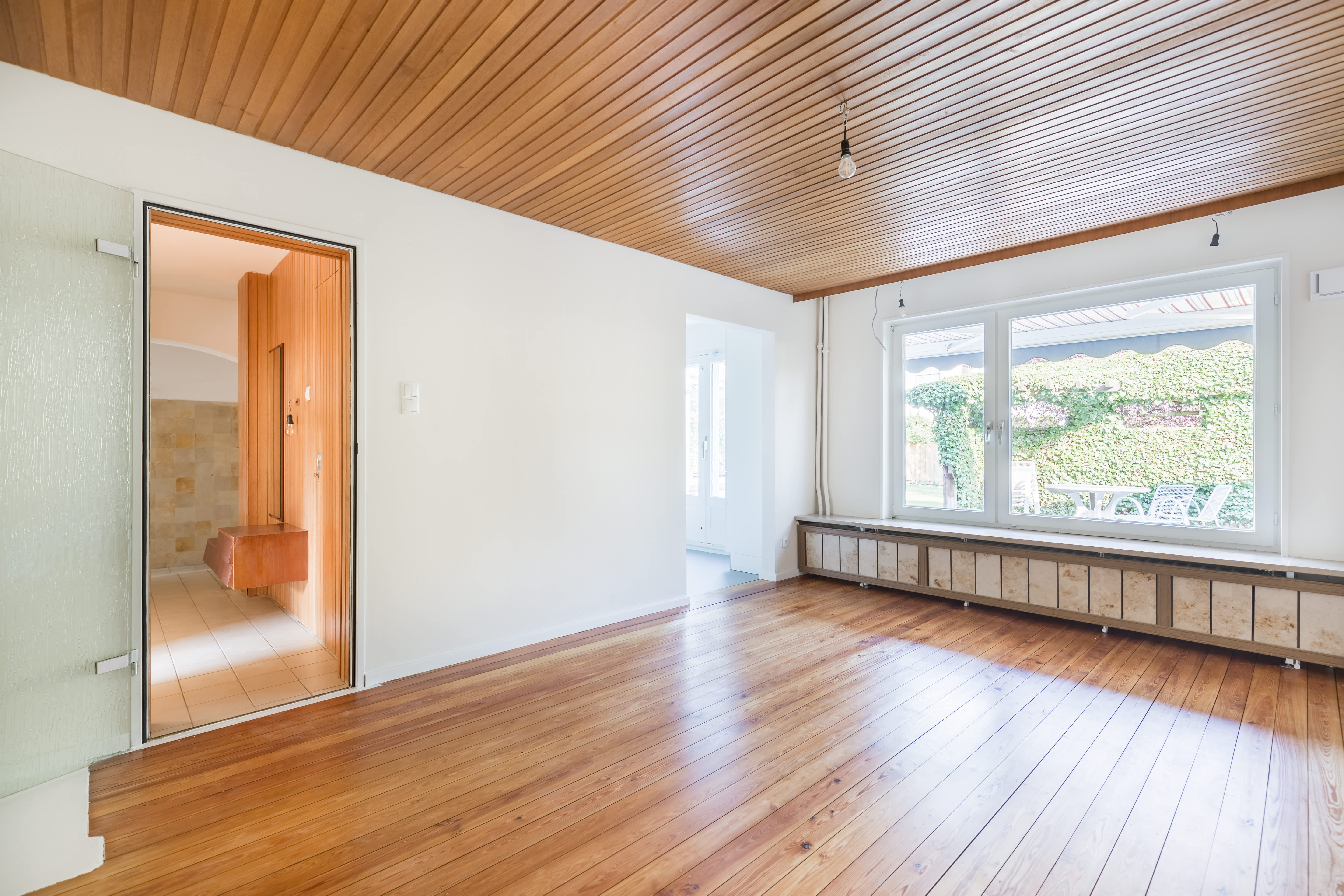
The cost to install a tongue and groove ceiling depends on the size of the space and the cost of labor. This guide can help you price out your remodel.
Stereo and home theater system service costs depend on your project and location. Check with a local pro for your specific job.

Professional ceiling speaker installation costs $1,000 to $2,000, depending on your speaker count and speaker type project.
Integrated ceiling speakers require ceiling cutouts and in-wall wiring, so your installation takes longer than surface-mounted models.
You should account for amplifiers, receivers, in-wall wiring, and back boxes which add $300 to $2,500 to your project total.
Hiring a local home speaker installation professional reduces electrical shock risk and ensures your audio system sounds its best.
In 2026, the typical range for ceiling speaker installation runs $1,000 to $2,000, depending on the number of speakers, speaker type, and wiring complexity. Projects can start as low as $1,200 for simpler setups and reach as high as $2,500 for major, complex installations.
Several factors shape the total cost of ceiling speaker installation, from the number of speakers and room layout to the type of system you choose as part of a broader home theater installation. Understanding these variables upfront helps you build a realistic budget before work begins.
The number of ceiling speakers you need depends on your room size and how many rooms you want to cover, with a home theater installation typically requiring multiple speakers to achieve surround sound. You’ll pay$160 to$1,000 for four speakers. Most ceiling speakers are sold in pairs as a left and right stereo configuration, and audio experts recommend spacing them evenly along the room's length, at least 6 feet apart.
If your space is too small for that arrangement, a single stereo speaker centered on the ceiling is a practical alternative. Costs vary based on speaker count, as the table below shows.
| Number of Speakers | Cost of Speakers in 2026 | Install Time |
|---|---|---|
| 4 | $160–$1,000 | 2–3 hours |
| 6 | $240–$1,500 | 3–4.5 hours |
| 8 | $320–$2,000 | 4–6 hours |
| 10 | $400–$2,500 | 5–7.5 hours |
Ceiling speakers come in two designs, integrated and mounted, and your choice directly affects installation cost. Integrated speakers sit flush within the ceiling for a hidden look, but require cutouts that add $20 to $30 per speaker when installed by a professional. Mounted speakers attach to a bracket or shelf on the ceiling surface, making them less expensive to install, though they remain visible and may not suit every room's decor.
Labor rates for ceiling speaker installation range from $50 to $100 per hour, depending on the complexity of the job and the professionals involved. Mounted speakers are the simpler option, typically requiring only a few hours for a pro to mount and connect, while integrated speakers that need ceiling cutouts and in-wall wiring take longer and drive up labor costs.
If you hire a local home speaker installation professional for a larger project, they may bring in an electrician and multiple installation technicians, which increases the overall cost. Hourly rates vary by skill level, as shown below.
| Labor Costs in 2026 | Hourly Rate in 2026 |
|---|---|
| Low | $50 |
| Medium | $80 |
| High | $100 |
Once your ceiling speakers are installed, plan for a few ongoing expenses similar to those of any electrical appliance in your home. Knowing what to expect helps you budget beyond the initial installation cost.
Over time, ceiling speaker sound quality can diminish or speakers may need adjustment, leading to repair or replacement costs. Mounted speakers are easier and less labor-intensive to remove since they simply detach from their brackets, while integrated speakers require more work to extract from the ceiling.
Adding your ceiling speakers to your home insurance policy is a smart move that can cover repair or replacement costs if fire or another unforeseen event damages them. Carrying a relevant policy during installation also protects both you and the audio installer against accidental damage to your walls or ceiling.

Because this project involves working with wiring, it’s best to leave the job to a surround sound installation pro near you to minimize the risk of shock and ensure the highest sound quality.
There are many reasons you should leave ceiling speaker installation to a pro:
A home audio pro can determine what type of audio system and how many speakers work best with the existing room acoustics.
Pros can recommend additional room upgrades to achieve the highest quality sound.
An audio expert can ensure your speakers work seamlessly with your TV, stereo, and other devices.
Pros will expertly hide the wires and cables connected to your audio system for a clean look.
Home audio pros know how to safely work with the audio cables and electrical wiring.
Surround sound pros can install even larger, complex surround sound systems within a day, far faster than if you DIY.
DIYing may void the warranty on your speakers.
Mistakes could lead to poor audio quality at best and damaged electrical wiring or structural damage at worst.
While we recommend letting a home audio expert handle the installation, there are parts of the process you can help with:
Clear the room as much as possible, removing furniture, art, and other objects from the area.
For built-ins and other items that you can’t move, cover them with drop cloths to protect them from dust and debris.
Handle the cleanup, including sweeping or vacuuming any drywall dust and patching or painting any holes.
Beyond the speakers themselves, several additional components are typically required to complete a ceiling speaker installation, and costs vary depending on which items your setup needs.
Amplifier: Most in-ceiling speakers are known as “passive” speakers, meaning they do not include a built-in amplifier. An amplifier is essential because it takes the audio signal received from your media and translates it into audible sound. This costs between $300 and $800 on average.
Receiver: Generally, ceiling speakers included as part of a surround sound installation will require a receiver. Receivers cost anywhere from $600 to $2,500.
Brackets: If you’re installing mountable ceiling speakers, you will need brackets. These cost from $10 to $30 apiece.
In-wall wiring: If you want your wires hidden, expect to pay between $35 and $75 for each length of in-wall wiring.
Back boxes: Unlike traditional bookshelf speakers, ceiling speakers do not have a back box that helps improve sound quality and prevent sound leakage. Back boxes cost from $30 to $50 each.

Besides DIYing your ceiling speaker installation, one way you can save money is to look at less expensive speaker brands. There are several quality speakers available on the market to choose from to suit all budgets. Also, consider using ceiling speakers with Bluetooth capabilities to cut down on wiring costs.
If you plan to install speakers in multiple rooms, ask about bulk purchases or bundle deals. Some retailers offer discounts on packages of six speakers or more.
Finally, if you’re looking for audio installers to do the job for you, it doesn’t hurt to shop around. Select the top three in your area and compare their rates to find the best option for your wallet.
Share details about what you want to achieve with your speakers, such as if you’ll use them for music, movies, or multimedia.
Share measurements for the room, rooms, or house to help the pro determine what speakers work best for your needs.
Discuss the different home audio system options and speaker types, considering features and styles that fit within your budget.
Ask about speaker placement and control options.
Home is the most important place on earth, which is why Angi has helped more than 150 million homeowners transform their houses into homes they adore. To help homeowners with their next project, Angi provides readers with the most accurate cost data and upholds strict editorial standards. We extensively research project costs to develop the pricing data you see, so you can make the best decisions for you and your home. We rely on reputable sources, including the U.S. Bureau of Labor Statistics, academic journals, market studies, and interviews with industry experts—all to ensure our prices reflect real-world projects.
Want to help us improve our cost data? Send us a recent project quote to [email protected]. Quotes and personal information will not be shared publicly.
I recently moved to another state and chose United Trust Van Lines after comparing several companies. Their team was punctual, professional, and extremely careful with my belongings. I was especially impressed with how they handled my home office setup and fragile items. Everything arrived on...
 United Trust Van Lines, LLC
This company does it right. Firstly, I want to say that Landan was a joy to work with. He was so kind, transparent, and had everything under control. His entire team showed up ready to work and they were all very respectful of the fact that we were in an office space. A little backstory – we...
 Krumlauf Floors
Finished Basements Plus was wonderful from beginning to end! First, they came out quickly for an estimate. I had 4 estimates and theirs was by far the best. (2 of the estimates were more than $20K higher than for the exact same work). Beyond their fair pricing, the work was excellent. They...
 Finished Basements Plus Inc.
I cannot recommend DURAJ PAINTING LLC enough! From start to finish, the entire experience was effortless, professional, and truly enjoyable. They painted four rooms in my home, each with intricate colors and detailed work, and the results are absolutely stunning. What sets DURAJ PAINTING...
 DURAJ PAINTING LLC
1st Choice Renew is simply the best! We hired them for a complete home renovation, and they transformed our space into something truly amazing. The team attention to detail and commitment to quality were evident throughout the project. They were easy to work with, very responsive, and always...
 Save A Dime
Great communication throughout from discussion of the project, and its options, to installation. They found a number of unforeseen challenges when mounting my TV and soundbar to, what was found as, an untraditional wall that didn’t allow for wires to be hidden behind the wall. The team was...
 Tether House
Couldn't ask for a better company. Josh and Dee were Very professional, efficient, courteous and takes major pride in their work. They will travel to come to your home and will still give you a fair price. They are honest and trust worthy. Their focus is on their work and their work is...
 Supreme brick & chimney
Our home is a testament to Custom Paint Jobs LLCs skill and dedication. Simply the best!
 Custom Paint Jobs, LLC
We needed windows in our home, and we couldnt believe we got our entire home done for under $14,000. We have a lot of windows, and not only was it affordable, but it got done in a timely manner! Thanks guys, I truly appreciate you all!
 Window Depot USA of Central Ohio
If I could give 10 stars for Kitchen Tune Up, I would. I cannot say enough good things about my experience with Kitchen Tune Up and the entire team involved in the process of my kitchen project. They went above and beyond as far as service and quality with my cabinets, paint, countertops, and...
From average costs to expert advice, get all the answers you need to get your job done.
The cost to install a tongue and groove ceiling depends on the size of the space and the cost of labor. This guide can help you price out your remodel.

Discover the average surround sound installation cost, key price factors, and tips to save. Get expert insights to plan your home audio project.
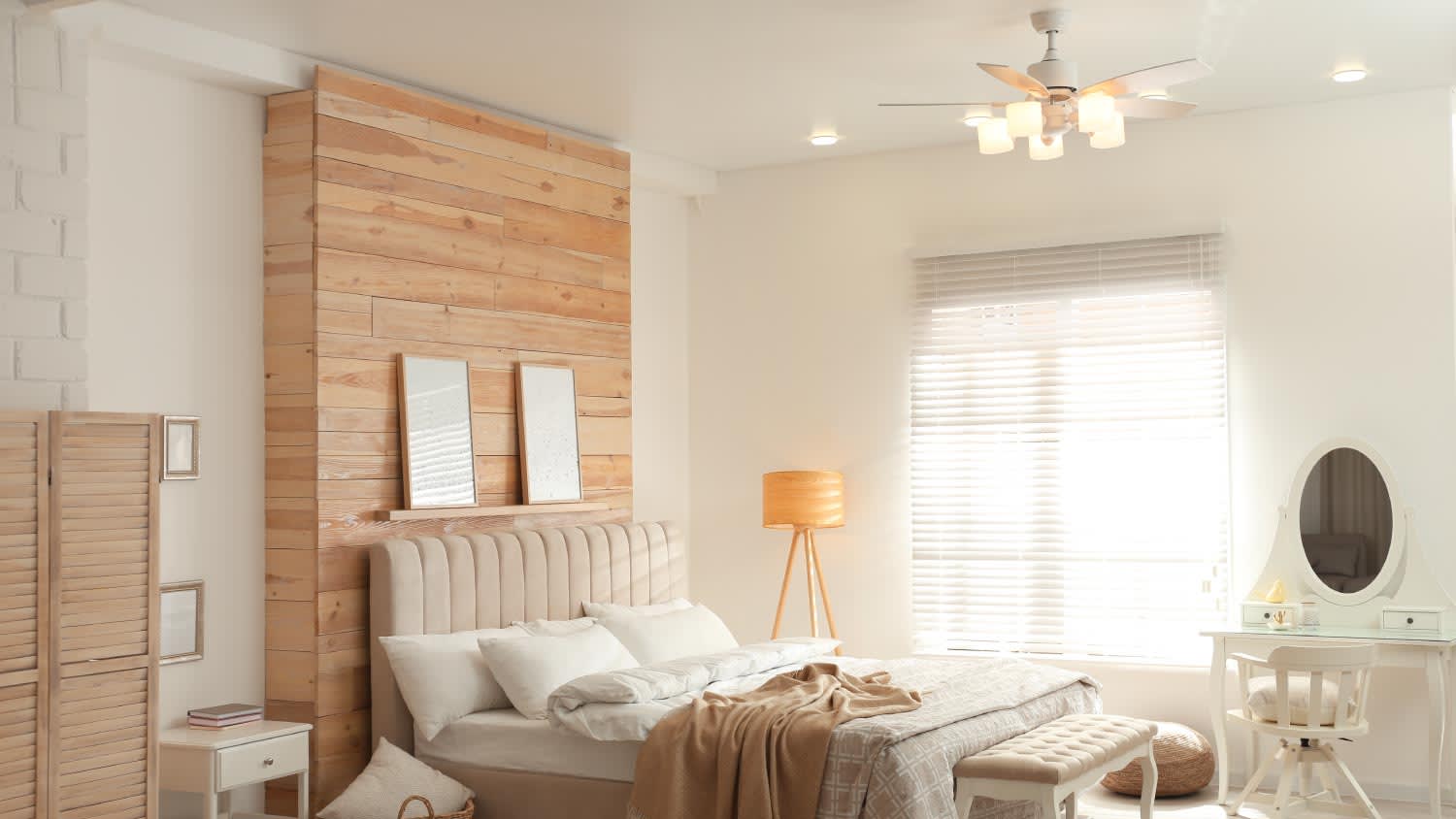
Discover the average cost of stretch ceiling installation, key price factors, and ways to save. Get transparent pricing to plan your stretch ceiling project.
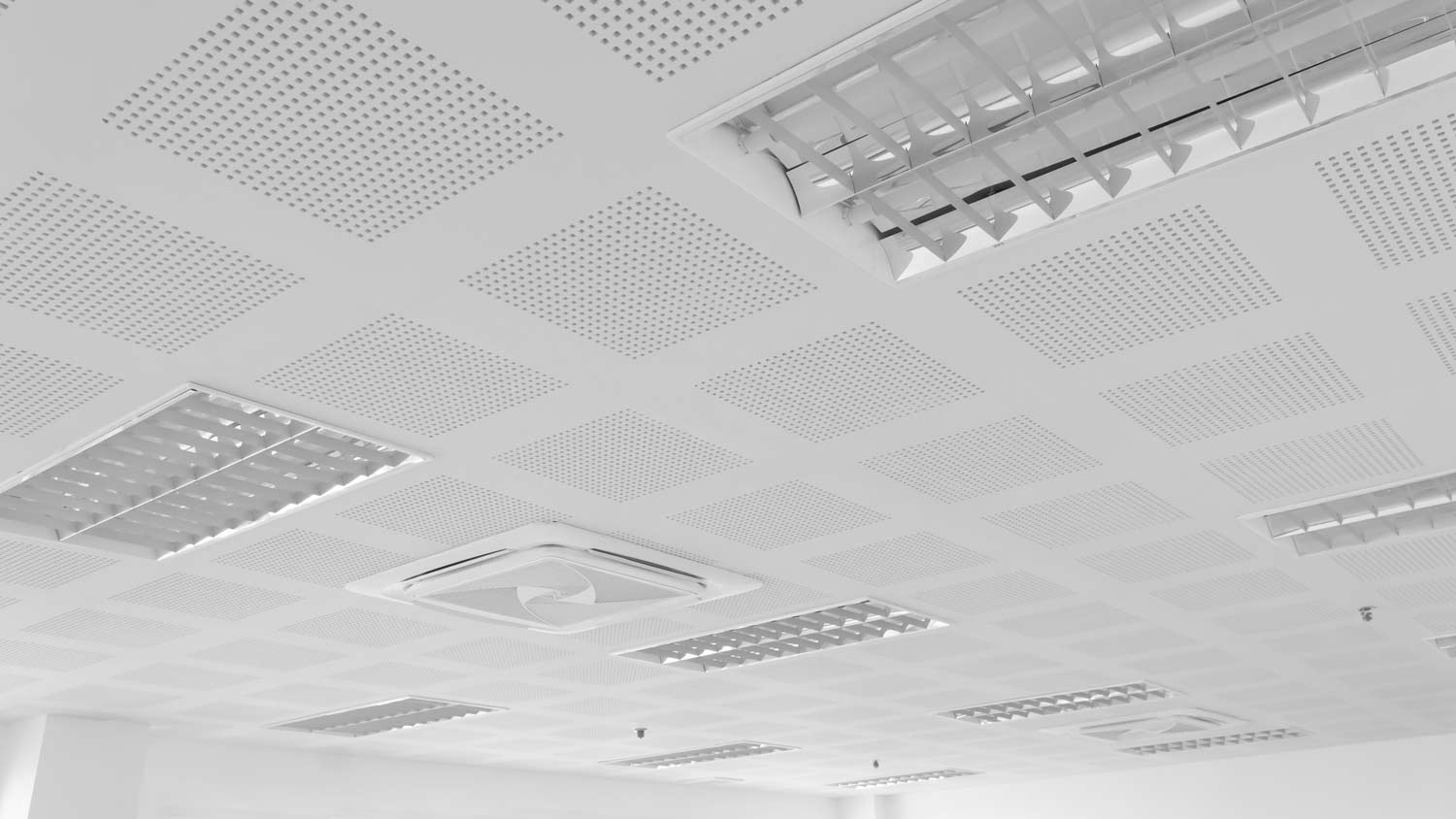
Looking for a ceiling tile installation pro? Learn how to find qualified contractors, questions to ask, and what to expect for your project.

Wondering who to hire to install acoustic ceiling tiles? Learn which pro to call, how installation works, and what to expect. Get confident before you book.
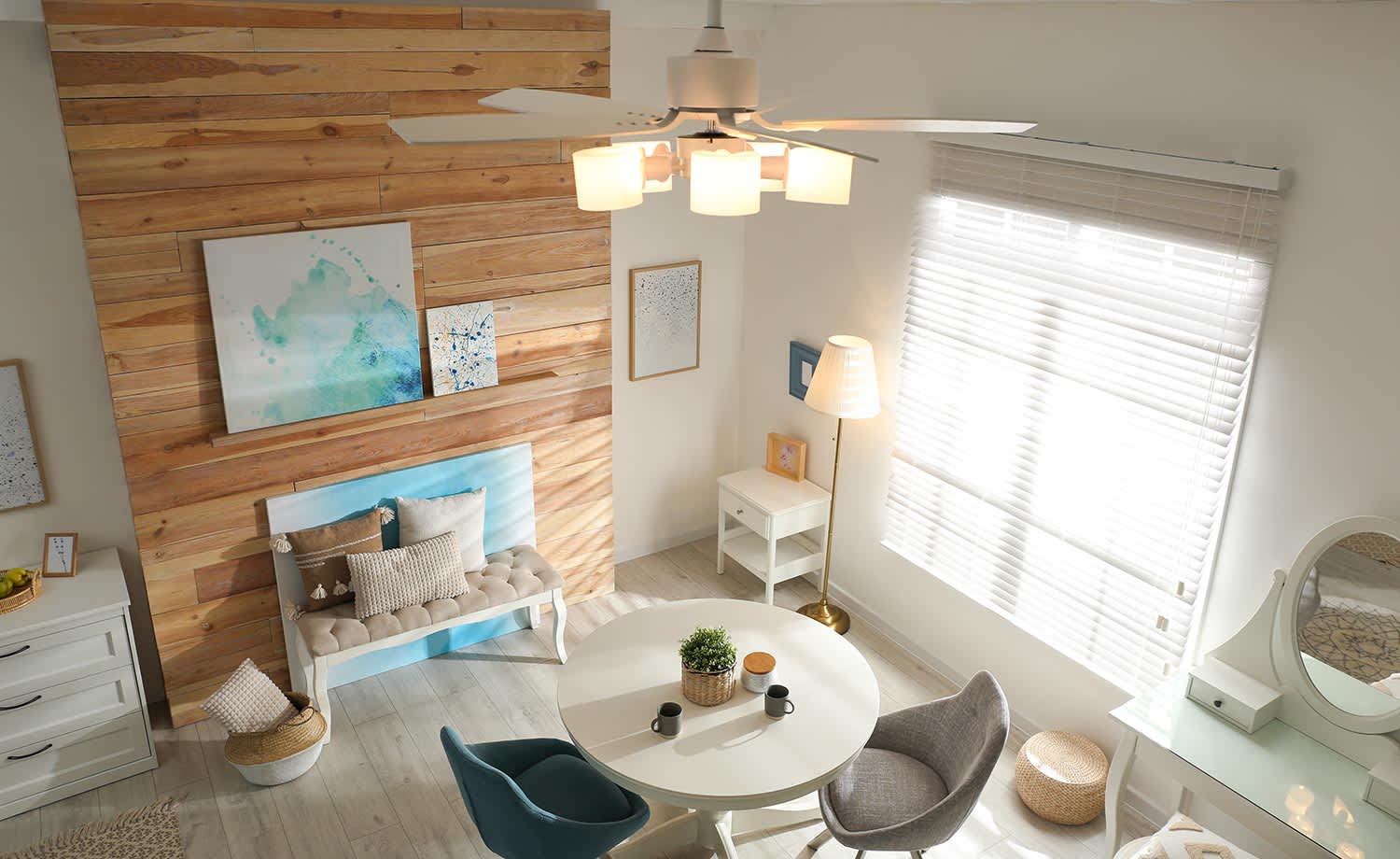
Looking to upgrade your home's cooling? Learn about ceiling fan installation costs, safety warning signs, and how to hire a local ceiling fan installer.