
•
Discover average lawn aeration cost, key price factors, and tips to save. Get a clear estimate for your yard and learn how to choose between DIY and hiring a pro.
If the grass is always greener on the other side, make sure your yard is the other side

The recommended aeration plug depth ranges from 1 to 6 inches, with 2 to 6 inches between plugs based on your soil compaction and thatch buildup.
Thatch buildup in your lawn requires deeper aeration up to 4 inches to break down the layer and promote healthier root development and nutrient absorption.
Aerating too deeply damages grass roots and creates openings for weeds, while shallow aeration fails to address compaction or break down thatch layers effectively.
Hiring a local lawn aeration professional ensures proper depth and spacing for your soil type, preventing root damage while improving water absorption and nutrient uptake.
Maintaining a lush, healthy lawn requires more than just regular mowing and watering. Lawn aeration is a crucial practice that promotes root growth, enhances nutrient absorption, and improves overall turf health. But, if you're wondering how deep to aerate your lawn, you're not alone, and aeration depth is a critical factor in achieving healthy, lush grass. Let’s explore the ideal aeration depth and various factors you should consider to ensure your lawn thrives.
Before we dive into the proper depths for aeration, let's understand what aeration is and why it's vital for your lawn. Aeration is the process of perforating the soil with small holes. Here's what proper aeration can do for your lawn:
Reduced soil compaction: Over time, soil can become compacted, making it difficult for grass roots to penetrate and access vital nutrients and water. Aeration loosens the soil, allowing roots to grow freely.
Improved nutrient uptake: A well-aerated lawn can absorb nutrients more efficiently. This leads to healthier, greener grass and reduces the need for excessive fertilization.
Enhanced water absorption: Aeration creates channels for water to penetrate deep into the soil, reducing surface runoff and promoting deep root growth. This helps your lawn withstand drought conditions.
Thatch breakdown: Thatch, a layer of dead grass and organic matter, can accumulate on the soil's surface, hindering sunlight, water, and nutrients from reaching the grass’s roots. Aeration helps dethatch your lawn, preventing the thatch from becoming a problem.
The ideal lawn aeration depth typically falls between 1 to 6 inches deep with a spacing of 2 to 6 inches between the plugs. However, it's important to tailor your aeration depth to your lawn's specific needs. Take into account factors such as soil type, grass variety, and the presence of thatch.

Aside from the type of soil and grass you have, there are a few other factors that can influence the exact depth you should aim for during aeration.
Overseeding is the process of spreading grass seeds over an existing lawn. If you plan to overseed your lawn along with aeration, aim for a shallower aeration depth, around 1 or 2 inches. This allows the new grass seeds to establish themselves in the topsoil, ensuring better germination and growth.
Thatch buildup can prevent proper aeration by obstructing the plugs from penetrating the soil. If your lawn has a significant thatch layer, you should consider deeper aeration, up to 4 inches. This helps break down the thatch layer and facilitates improved root development.
Soil compaction is a significant concern for many lawns. If your soil is highly compacted, a deeper aeration is necessary to alleviate this issue. In such cases, aim for an aeration depth of around 3 to 4 inches to effectively loosen the soil and promote better root growth.
While proper aeration can do wonders for your lawn, aerating too deeply can have adverse effects. One of the primary risks associated with aerating too deeply is damaging grass roots. When aeration penetrates too deeply into the soil, it can harm the delicate root system of your lawn, causing stress and even death of your grass.
Deeper aeration can also create opportunities for weed invasion since the larger openings in the soil can be exploited by weed seeds. Weeds can then compete with your grass for vital resources, potentially compromising the overall health and appearance of your lawn.
In extreme cases, too-deep aeration can disrupt the soil structure to the extent that crucial nutrients begin to leach out. The alteration to the soil can also result in uneven ground terrain, damaging your lawn’s aesthetics. If you’re concerned about aerating at the wrong depth, a local aeration pro can do the job for you or provide you with some handy tips to ensure you get it right.
On the other hand, aerating too shallowly may not be enough to yield the positive results you’re looking for. While it may provide temporary relief, it won't address underlying soil compaction issues or promote long-term lawn health. To top it off, if you have a thatch problem and aerate too shallowly, for example, you won't effectively break down the thatch layer, allowing it to persist and impede your grass’s root growth.
To ensure you're aerating properly, consider not only how deep to aerate your lawn but also the type of grass, the timing, your equipment, and the condition of your soil. Here are some additional aeration tips to keep in mind:
Cool-season grasses like Kentucky bluegrass, fescue, and ryegrass benefit from aeration in early fall or early spring.
Warm-season grasses like Bermuda, Zoysia, and St. Augustine should be aerated during their active growing season, which is typically late spring to early summer.
Before aerating, mow your grass to about 1 to 2 inches in height and remove any debris or thatch buildup.
Invest in a quality aerator. Core aerators are generally more effective because they remove plugs of soil, whereas spike aerators simply create holes without removing soil.
Aerate when the soil is slightly moist but not overly wet. Aerating wet soil can lead to messy, compacted plugs and may not achieve the desired results.
When aerating, ensure the plugs are spaced about 2 to 6 inches apart. This spacing allows for adequate soil loosening without creating an overly disrupted surface.
After aeration, consider topdressing with compost to improve soil quality, and overseed if necessary. Proper post-aeration care sets the stage for a vibrant, healthy lawn.
Custom Paint Jobs LLC made our home feel like a piece of art. Thank you for your creativity!
 Custom Paint Jobs, LLC
Window Depot did an amazing job on my deck. I wasnt sure what I wanted to do, but their composite decking was affordable and will last a long time. I am excited to have family over, and I am no longer embarrassed by my backyard. Jeff and the ground crew were polite, respectful, and caring for...
 Window Depot USA of Central Ohio
First of all, the gentleman I dealt with (Cam?) was very responsive to my many questions and concerns throughout the project, which is a huge plus to me. From the first time I met him for the estimate all the way til the completion of the job, he and his crew were professional and respectful....
 All Star Paving and Sealing
We had a 20+ year old landscape lighting system that needed replacement. Midwest Lightscapes worked with us to design a much improved lighting system, lighting the exterior of the house and the back yard. Installation of the 45 light system took one and one-half days, and went very smoothly....
 Midwest Lightscapes
Another great success for me on home advisor. This company did an awesome job on my landscaping and stayed within my budget. The best part, the work was complete within 2 days of my initial request. Professional and responsive. I highly recommend!
 Blue Ring Residential Services, LLC
The company no showed on me twice. The 2nd time was no call no show. They were responsive to set up the first appointment to perform the "landscape cleanup". 3 hours after their initial scheduled appointment time they called me to let me know they had some "problem" with the truck and their...
 Ruby Home and Hauling Services
Received ideas for future landscape plans...quote to do the work seemed a bit high but I did not have any other quotes to compare it to, so perhaps that is the going rates. <br />
 Landscapes By Terra, Inc
All around they have done a really great job. <br /> I have used JL Landscapes for the past 8 years. I own and operate my own commercial/residential real estate company where we own, operate, and maintain our own properties. JL Landscapes has been our exclusive landscaper for both our...
 J.L. Landscapes
Bought a half a cord of firewood from Pitzer with stacking last month. I waited to report so I could see how the wood burned. <br /> <br /> I have three pet peeves regarding landscapers, but Pitzer scored "A"s regarding all three. First, rather than having customers "leave a message" and...
 Pitzer Landscaping
I left a message on Sunday requesting to schedule a time to obtain an estimate/walk-through and received a return call in the morning of the following Monday. Mark worked with me and agreed to schedule the estimate/walk-through for the following Saturday. When Mark arrived for the...
From average costs to expert advice, get all the answers you need to get your job done.
Discover average lawn aeration cost, key price factors, and tips to save. Get a clear estimate for your yard and learn how to choose between DIY and hiring a pro.
Discover the average cost of deep cleaning a house, key price factors, and tips to save. Get accurate estimates to plan your next deep clean with confidence.
Discover deep freezer costs, including installation, maintenance, and repair expenses. Learn what impacts pricing and how to save on your next deep freezer.
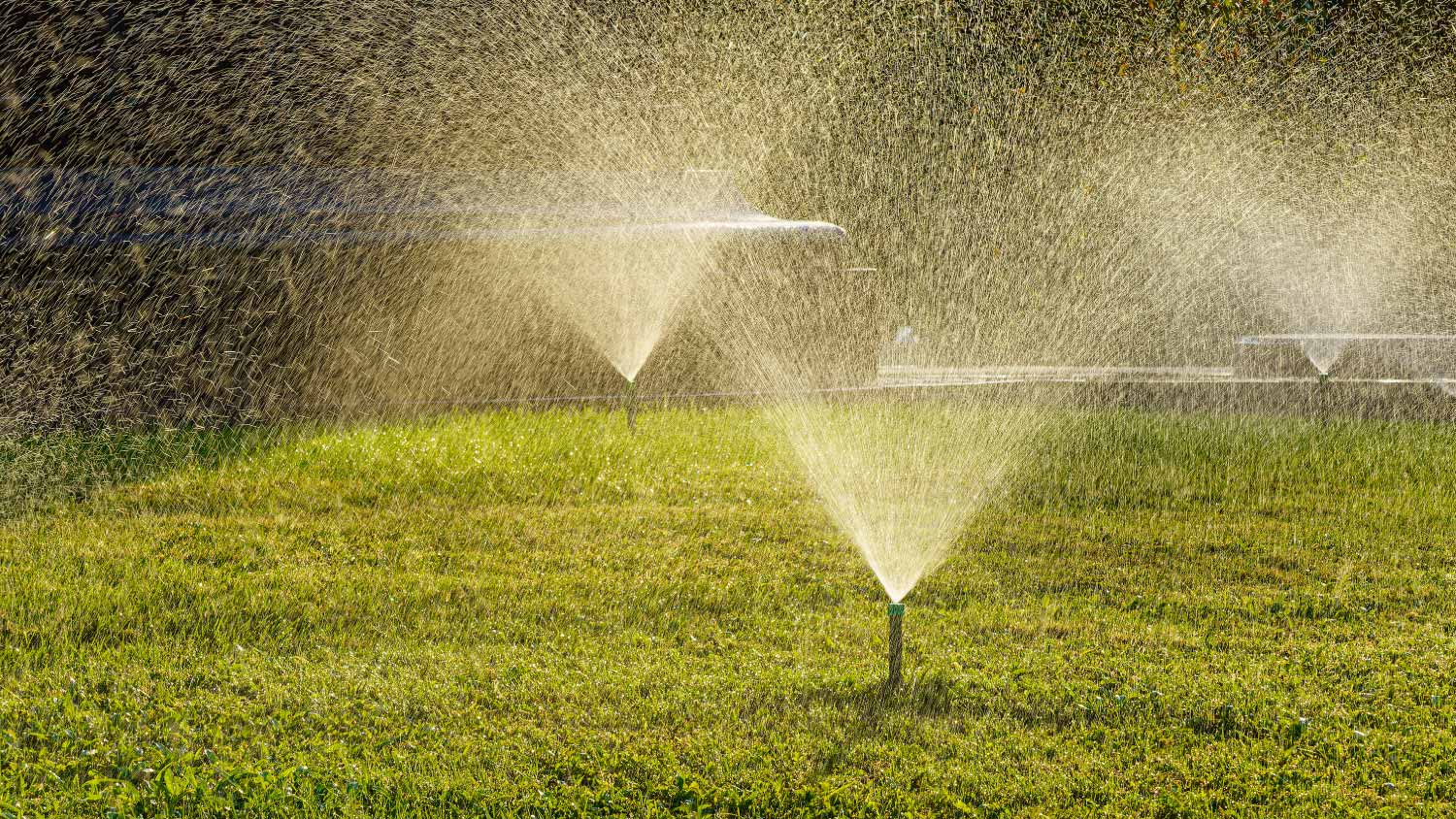
How deep are sprinkler lines buried? Probably not as deep as you think! Learn more about sprinkler line depth and how to stay safe while digging.
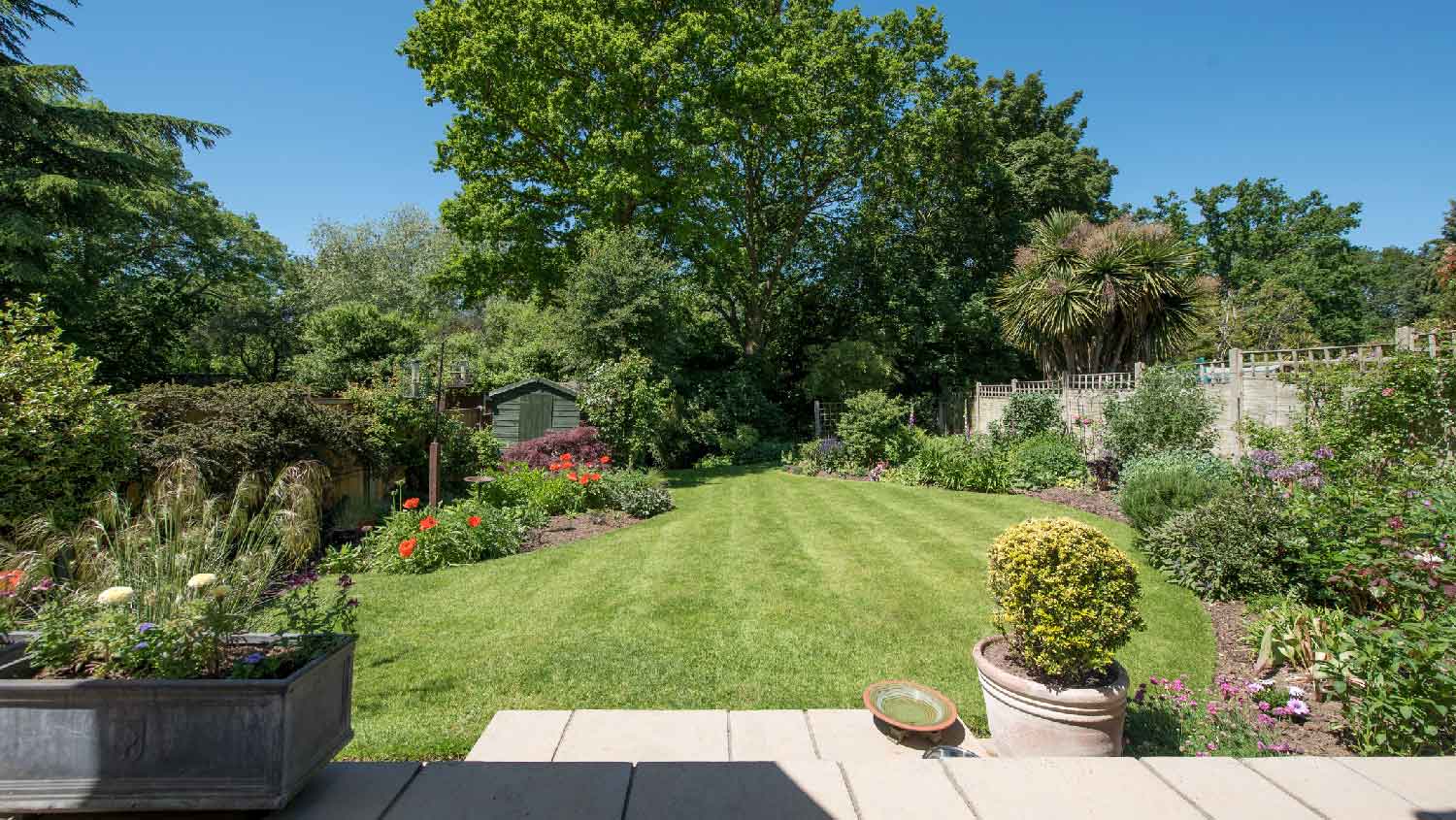
How often should I aerate my lawn? Most homeowners only need to do this once a year. Learn how different soil types and lawn maintenance affect aeration needs.

Deep cleaning a house? Find out how long the process takes—plus tips to maintain a deep clean.