
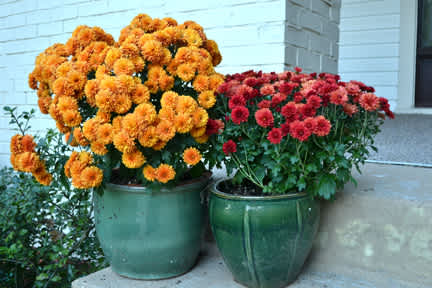
Mums make gorgeous fall flowers, so you’ll want to make sure you properly plant and care for them. Our guide will help you understand the ins and outs of mums.
Say goodbye to the summer heat with a stunning fall garden

The best fall flowers to plant include chrysanthemums, asters, coneflowers, and black-eyed Susans, which thrive in cooler weather and add vibrant color to your garden.
Your fall garden benefits from native plants like turtlehead and goldenrod, which suit local climates and support hummingbirds and other pollinators.
You can create a colorful fall display by pairing flowers, such as purple coneflowers alongside golden chrysanthemums for complementary color and texture.
Hiring a local gardening professional provides expert guidance on selecting the right fall flowers for your climate and ensuring proper placement for sunlight and soil conditions.
As the weather shifts from scorching hot to cool and crisp, your garden might need a makeover. When you think of fall, you may focus on the changing leaves and everything pumpkin, but you can (and should!) also take advantage of the cooler, rainier weather by adding some fall flowers to your garden.
To help get you started, we’ll share some of the best fall flowers to plant that can totally change the look of your porch or flower beds. After all, what better backdrop for your jack-o-lantern photos than some gorgeous red and orange blooms?

Chrysanthemums—or mums, for short—are iconic fall flowers. These dazzling blooms come in all shades of the rainbow, with red, orange, and yellow mums especially bringing out the fall season. They require even moisture to thrive, which is why it’s a good idea to hold off on planting until fall in climates prone to droughts.
Use chrysanthemums directly in your garden as a border plant for a profound effect or place a couple of pots on your porch to bring in the changing seasons with a splash of color.

Asters are a popular, late-blooming choice for spring and fall that resemble dainty purple or white daisies. This drought-resistant plant sports a beautiful, bright yellow pistil in the center, which attracts pollinators like butterflies.
Choose a native aster plant. If you purchase any old aster, you might choose one that isn’t suited to your climate. Some asters do best in cool areas where they can receive light rainfall and direct sunlight, while other aster plants are drought-resistant and can do well in partial sunlight if you live in a warmer climate.
If you’re unsure which asters are right for your climate, or where in your garden they’ll thrive best, a local gardener can be a great resource.

Turtlehead, also known as chelone, is a native perennial plant that, as the name suggests, blooms pink, red, or white flowers that resemble a turtle’s head. Turtlehead plants grow up to 3 feet tall in thick clumps and attract hummingbirds and other pollinators. These plants stay a dark green for most of the year and then come to life in the fall with other perennial plants in your garden.
The plant grows best in moist climates, so you’re likely to find turtleheads growing in swamps or near bodies of water—but that doesn’t mean you can’t grow them in your yard. If you have a pond or live in a humid climate, turtlehead is an excellent choice for your garden.

Coneflowers are perennial plants that come from the daisy family. These plants, which are native to the Eastern and Central U.S., blossom in shades of purple or yellow and can reach up to 4 feet tall. They’ll flower from midsummer until the frost, and their cone-like shape gives them their name and also attracts bees, butterflies, and birds.
If you’ve already decided to plant chrysanthemums, planting coneflowers is akin to nurturing two peas in a pod. These plants grow well together, and you can even pair them side-by-side in a planter box for a subtle pop of purple among the autumny-looking mums.

While these flowers resemble a merge between sunflowers and daisies, black-eyed Susans are native plants that grow throughout North America. Their golden hue, dark brown center and offer a stunning pop of autumnal color to your garden. Plus, they are amenable to different types of spaces, as they come in a wide range of heights, with some as short as 12 inches and some as tall as 3 feet.
You can plant black-eyed Susans along your garden's borders or in planter containers. Just keep in mind that this plant can compete with other flowers in your garden and may do best in a contained space.

For a garden bursting with color and sophistication, the hydrangea takes the cake. These flowering plants have an old-fashioned look that goes well with historic or cottage-chic homes. They bloom in all kinds of colors—from blue, pink, purple, and more—and can grow up to 15 feet in height!
Hydrangeas do well in garden beds, as shrub borders, or in containers. Keep them out of direct sunlight, away from trees, and in soil with good drainage for the most vibrant flowers. If you’re unsure of your soil type, you might want to ask a local landscaping company for advice.

Autumn crocus is part of the lily family and originates from Europe and North Africa. The plant tends to blossom in pink, purple, and white and it thrives in damp meadows and woods and blooms in early fall. Initially, the plant resembles a green tulip, but come fall, the flowers grow and last for approximately two weeks.
This bloom thrives under leafy trees, tall shrubs, or other tall perennial plants, but be sure to give autumn crocus full sunlight for the best environment. This hardy plant can grow in gravel gardens, making it ideal for arid climates with rocky terrains.

Goldenrod plants emerge towards the end of summer, offering tall, feathery flowers that will turn any garden into a whimsical fairytale. These native prairie plants can grow up to 6 feet tall and are part of the aster family, despite looking far different from other asters. The plant is deer-resistant and drought-resistant and thrives in all kinds of soils.
Goldenrod is easy to grow—so easy, in fact, some people even consider them weeds. For this reason, you might want to plant them around the borders of your garden. With over 100 species suited to all kinds of climates, make sure that the goldenrod plant you choose for your garden thrives in your environment.

Helenium is another plant that simply screams late summer and early autumn. From the red, yellow, and orange hues to the often dark brown pistil, this plant can grow up to 5 feet tall. Helenium plants require full sun exposure and are native to North America.
For this plant species to thrive, it needs plenty of sunlight—at least six hours per day. These flowers also need lots of moisture, making them ideal for climates that receive ample rainfall.

For a low-maintenance landscape, Russian sage offers a gorgeous lavender-colored flower with little work from you. The plant starts out with green foliage and then blooms in midsummer to dazzle all who walk by to admire your garden. You won’t have to worry about deer eating this plant, either: Like most plants from the sage family, Russian sage is a naturally deer-resistant plant.
Russian sage is excellent for arid climates that receive very little rain. It can grow up to 4 feet tall, needs full sunlight, and can either grow in containers or in open spaces.

Sedum plants are a perennial favorite, sporting beautiful green foliage and flowers resembling clusters of stars. Sedums come in a myriad of varieties, most notably in shades of mauve, yellow, or pink. Pollinators also love sedum plants, and they are easy to grow.
You’ll want to avoid planting sedum flowers in clay soil, as this plant needs well-drained soil to thrive. Choose a low-growing sedum or a taller, upright sedum plant for added layers and dimension in your garden.
Custom Paint Jobs LLC made our home feel like a piece of art. Thank you for your creativity!
 Custom Paint Jobs, LLC
Window Depot did an amazing job on my deck. I wasnt sure what I wanted to do, but their composite decking was affordable and will last a long time. I am excited to have family over, and I am no longer embarrassed by my backyard. Jeff and the ground crew were polite, respectful, and caring for...
 Window Depot USA of Central Ohio
First of all, the gentleman I dealt with (Cam?) was very responsive to my many questions and concerns throughout the project, which is a huge plus to me. From the first time I met him for the estimate all the way til the completion of the job, he and his crew were professional and respectful....
 All Star Paving and Sealing
We had a 20+ year old landscape lighting system that needed replacement. Midwest Lightscapes worked with us to design a much improved lighting system, lighting the exterior of the house and the back yard. Installation of the 45 light system took one and one-half days, and went very smoothly....
 Midwest Lightscapes
Another great success for me on home advisor. This company did an awesome job on my landscaping and stayed within my budget. The best part, the work was complete within 2 days of my initial request. Professional and responsive. I highly recommend!
 Blue Ring Residential Services, LLC
The company no showed on me twice. The 2nd time was no call no show. They were responsive to set up the first appointment to perform the "landscape cleanup". 3 hours after their initial scheduled appointment time they called me to let me know they had some "problem" with the truck and their...
 Ruby Home and Hauling Services
Received ideas for future landscape plans...quote to do the work seemed a bit high but I did not have any other quotes to compare it to, so perhaps that is the going rates. <br />
 Landscapes By Terra, Inc
All around they have done a really great job. <br /> I have used JL Landscapes for the past 8 years. I own and operate my own commercial/residential real estate company where we own, operate, and maintain our own properties. JL Landscapes has been our exclusive landscaper for both our...
 J.L. Landscapes
Bought a half a cord of firewood from Pitzer with stacking last month. I waited to report so I could see how the wood burned. <br /> <br /> I have three pet peeves regarding landscapers, but Pitzer scored "A"s regarding all three. First, rather than having customers "leave a message" and...
 Pitzer Landscaping
I left a message on Sunday requesting to schedule a time to obtain an estimate/walk-through and received a return call in the morning of the following Monday. Mark worked with me and agreed to schedule the estimate/walk-through for the following Saturday. When Mark arrived for the...
From average costs to expert advice, get all the answers you need to get your job done.
Mums make gorgeous fall flowers, so you’ll want to make sure you properly plant and care for them. Our guide will help you understand the ins and outs of mums.
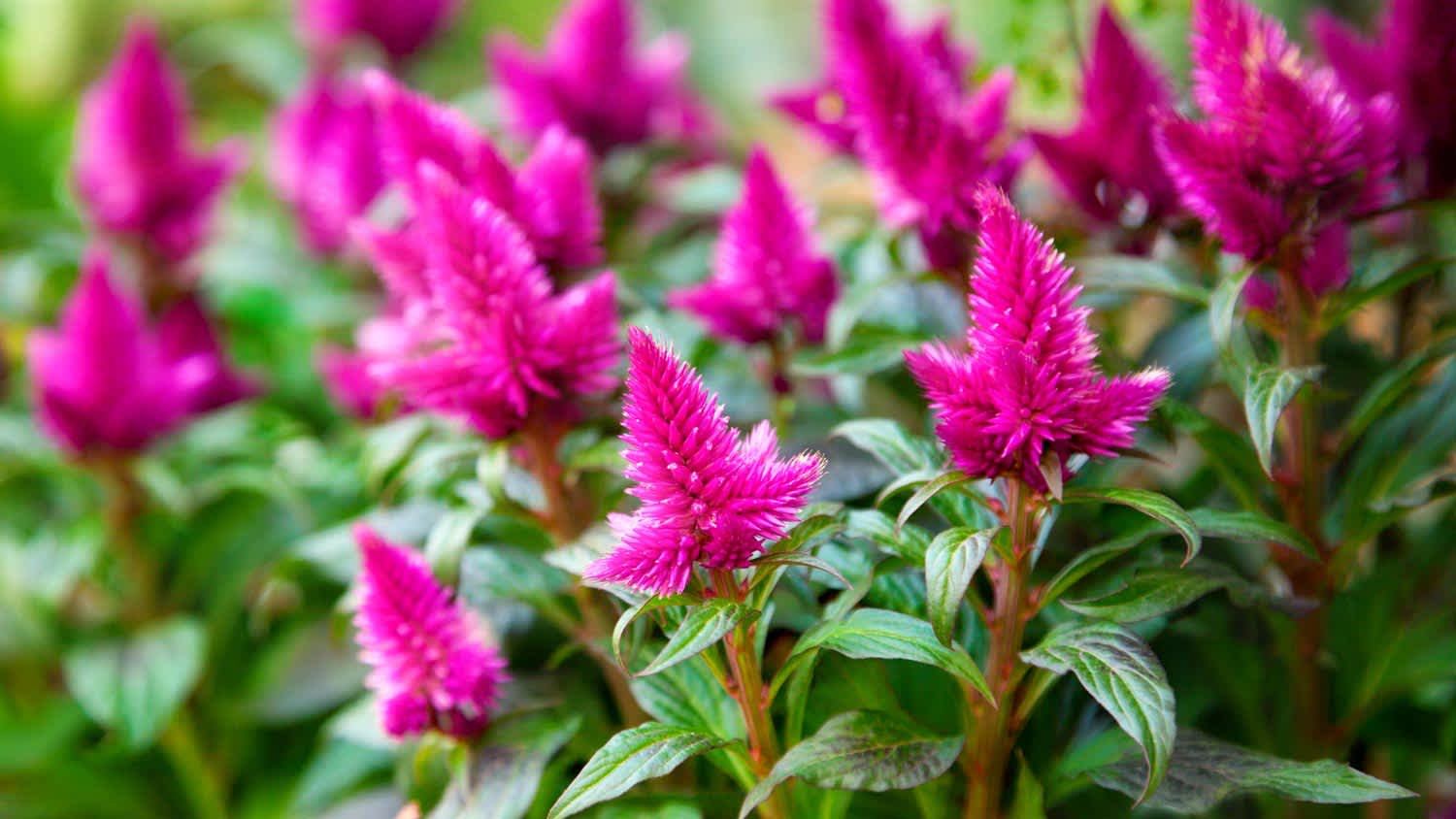
Fill your window boxes with color, fragrance, and beauty for fall with our top picks for fall flowers and plants, both edible and ornamental.
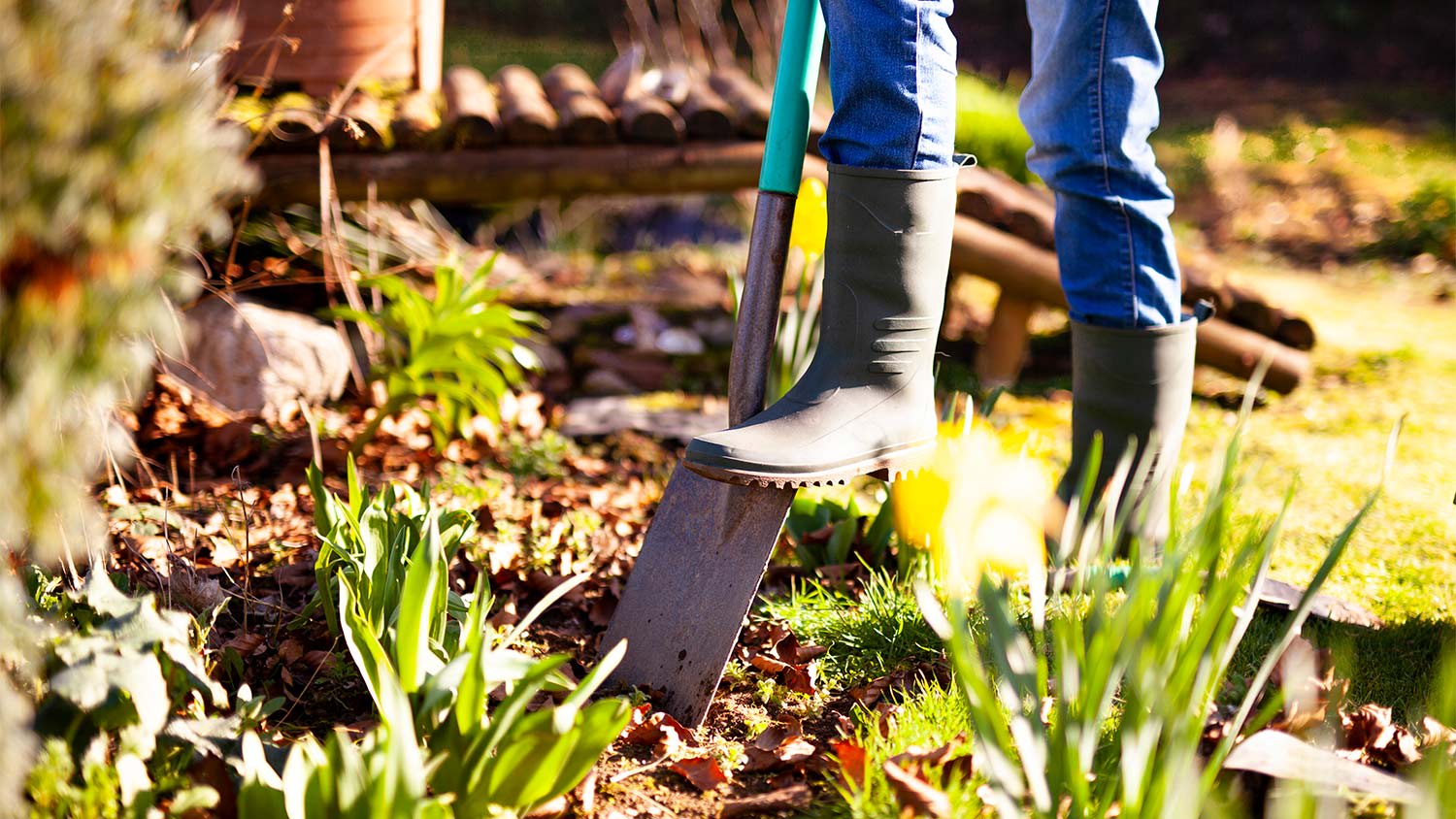
Although spring is the prime growing season, it’s not the best time to start all plants. To learn which types are better suited for planting in the fall or summer, read on.
When should you plant spring flowers? Learn the best planting times for daffodils, tulips, and more, depending on soil temperature and conditions.

Wondering what to do in your garden in the fall? Before the winter months come, you’ll want to make sure to perform some essential tasks like mulching your beds and planting bulbs to ensure a beautiful garden in the spring.
If you think you’ve missed the planting season, think again. Late garden planting is a delicate art, but it’s possible with the right know-how.