

Get the look of hardwood at a fraction of the cost. This guide will help you understand the cost to install engineered hardwood floors in your home.
They may look similar, but one contains real hardwood

Engineered wood flooring includes a real hardwood top layer, while laminate flooring contains no real wood and uses synthetic materials throughout.
Engineered wood flooring costs $4 to $7 per square foot, while laminate flooring costs $1 to $4 per square foot for materials.
Laminate flooring resists scratches and scuffs better than engineered wood, making it more durable for your high-traffic areas and homes with pets.
Hiring a local wood floor installing professional keeps your installation smooth and level, helping you choose the right flooring for your home and budget.
These days, there are approximately a zillion options on the market for homeowners looking to replicate the look of natural hardwood floors without the expense or maintenance. Of those zillion options, two often rise to the forefront for their durability and appearance: engineered wood flooring and laminate planks. In fact, at first glance, these two hardwood alternatives can seem almost indistinguishable. However, (spoiler alert) there are significant differences between them, and understanding those differences can help you make an informed choice about which will work best in your home.
The main difference between engineered wood flooring and laminate is that engineered wood flooring actually contains a top layer of real hardwood, but laminate doesn’t. In engineered hardwood flooring, a layer of natural wood is bonded to a bottom layer (or layers) of plywood or fiberboard. Laminate flooring, on the other hand, is made almost entirely of fiberboard or composite. Manufacturers often include a decorative layer to offer the wood-grain appearance, and they top off the laminate with a protective wear layer or overlay for increased durability.
Of course, this difference in construction leads to other differences—in price, installation process, durability, maintenance requirements, and more. Below, we’ll take a deeper dive into each of these hardwood alternative options so you can figure out which is the winner in your book.

Engineered wood flooring is an alternative to solid hardwood that includes a layer of real hardwood bonded to a sturdier composite underlayer—or several layers of plywood. This construction offers homeowners the best of both worlds: the beauty, authenticity, and increased home value that hardwood flooring can bring with less risk of temperature- or moisture-related warping. Plus, it does all that at a lower overall cost than solid hardwood, which can run from $8 to $20 or more per square foot compared to engineered hardwood’s $4 to $7.
| Pros | Cons |
|---|---|
| Looks and feels like real hardwood | Costlier than laminate at $4 to $7 per square foot |
| Can increase home resale value almost as much as solid hardwood | Even water-resistant options are not fully waterproof |
| More environmentally friendly than many other flooring types | Maintenance can be difficult |
Best for: Homeowners willing to invest upfront (and perform more maintenance) for real wood
Engineered wood flooring contains real hardwood as its top layer. So, from the perspective of people walking on it, it’s pretty much impossible to tell the difference between engineered wood and hardwood flooring (with the exception of the fact that it can actually be a little less noisy—a plus).
Real wood is a high-quality material, and the plywood or composite core underneath it helps make it more durable and resistant to warping. This means that engineered hardwood can increase your home’s value almost as much as solid hardwood can, which is important for those considering selling their homes someday.
While it’s less expensive than solid hardwood, in the face-off against laminate flooring, engineered wood is definitely the higher-cost option. That monetary cost is combined with more effort-intensive maintenance, too. Because hardwood flooring has actual, natural wood grain, dirt can more easily get trapped in its textured surface, making cleaning more difficult. Furthermore, you’ll need to occasionally refinish the wood. Lower-end engineered wood flooring may have a thin enough top layer that you can only do so a few times, decreasing its longevity.
Finally, keep in mind that neither engineered hardwood nor laminate flooring is entirely waterproof, though water-resistant options are available. These flooring choices are not right for full bathrooms, though they may work in a lower-moisture environment, like the kitchen.

Laminate flooring is composed entirely of artificial and manufactured materials. So, while it doesn’t have the authentic feel of hardwood that engineered wood flooring can offer, it does have increased durability, resistance to scratching (great for pet owners), and an easier maintenance process. Plus, at $1 to $4 per square foot, it’s more affordable than engineered wood. To top it all off, because the appearance isn’t limited by naturally occurring wood types, it offers an even wider range of design choices.
| Pros | Cons |
|---|---|
| More affordable than engineered wood | Doesn’t increase home value as much as engineered wood |
| More durable and scratch-resistant | Doesn’t feel as authentic as engineered or solid hardwood |
| Easy to clean and maintain | Even water-resistant options are not fully waterproof |
Best for: Homeowners with pets or kids, high-traffic areas, and budget-conscious remodelers
Given how important cost is for home improvement projects, it’s worth mentioning that laminate flooring is significantly less expensive than engineered wood: $1 to $4 per square foot as opposed to $4 to $7 for engineered wood. (This price is before the cost of labor, which can add $2 to $7 per square foot, depending on the local wood floor installer you choose.)
Along with its lower financial burden, laminate flooring also offers more durability and resistance to scuffs and scratches. That’s especially important for homeowners who have pets or kids running around the house or simply for higher-foot-traffic areas. It’s also extremely easy to clean and maintain throughout its lifetime.
Because laminate flooring is less expensive, it doesn’t increase your home value as much as engineered wood or solid hardwood (though this may matter less for those planning to stay in their homes indefinitely). Plus, laminate simply can’t replicate the look, feel, sound, and step of authentic wood flooring.
Unfortunately, even waterproof laminate flooring is not entirely waterproof. If you’re looking for bathroom flooring, you may want to consider vinyl planks or tile—though waterproofed laminate can stand up to moderate moisture and quickly-mopped-up spills.

Now that we’ve investigated each of these options on its own, let’s put them head to head.
The winner in the “appearance” category is always subjective and dependent on your tastes. However, many people agree that the natural grain and texture of engineered wood wins, even over the wider variety of design choices offered by laminate.
Laminate offers more diversity in design options, plain and simple. Choose any color of the rainbow and chances are, you can find a laminate floor to suit your needs.
Because of its tough overlay, laminate is much more impermeable to scratches, scuffs, and other evidence of day-to-day wear and tear.
Even after the cost of labor, laminate flooring is substantially more cost-effective than engineered hardwood. Engineered wood costs $4 to $7 per square foot, and laminate costs $1 to $4 per square foot. Keep in mind that laminate won’t increase your resale value as much as engineered wood, though.
A professionally installed laminate floor could last as long as 25 years without needing any extensive maintenance. Laminate flooring maintenance mainly means sweeping and mopping regularly. While engineered hardwood can also last 25 to 30 years, it does require occasional refinishing, which is a time-intensive task that’s better left to a pro.
For those hoping to significantly increase their home’s value with a remodel including new flooring, engineered hardwood will go further than laminate—though not as far as solid hardwood can.
This company does it right. Firstly, I want to say that Landan was a joy to work with. He was so kind, transparent, and had everything under control. His entire team showed up ready to work and they were all very respectful of the fact that we were in an office space. A little backstory – we...
 Krumlauf Floors
Terrible experience. Walls/trim/floors/cabinets/doors all have drip marks, overspray, etc. Tiling at the fireplace had to be redone by another vendor due to incorrect and shoddy install by Profect. Contractor had his children in our house while he was on site without prior authorization or...
 Profect painting & exteriors
**Would rate a 0 if i could** NEVER USE THIS COMPANY!!!!! They shattered my tv console and dresser, lost a mirror, and never finished the move. The broken furniture cost me over $600 to replace. They left me with 6+ hours of personal labor moving my 1BR apartment, when I was quoted a FULL...
 All My Sons Moving & Storage
Finished Basements Plus was wonderful from beginning to end! First, they came out quickly for an estimate. I had 4 estimates and theirs was by far the best. (2 of the estimates were more than $20K higher than for the exact same work). Beyond their fair pricing, the work was excellent. They...
 Finished Basements Plus Inc.
AFS was excellent from start to finish. Jess, the sales associate, was fantastic...very knowledgeable and very professional. The installation crew was excellent. I couldn't be more pleased with the process. Best of all, my new floor looks fantastic!
 America's Floor Source
It was wonderful working with Yordy and his team. They were very professional and are experts in what they do. They have completed the work on time, with better quality and with in fairly reasonable price. We just started with backsplash work , but liking his work, we went on to provide...
 Flooring Solutions
We were having 2”x 2” tile installed . There was a small installation error and the new additional replacement tile was from a different lot and the colors didn’t match. Joe assured us that he would rectify everything , which he did without hesitation. We decided to go with the 18” x 36” tile...
 CarifaTile
We hired Jim to replace our hardwood floors with new hardwood. He and his helper Jerry did a fantastic job. Their work ethic is impeccable!! We would highly recommend McColl Floors!
Description says they handle window repair including rotten hardwood - they called me back right away but didnâ t leave a voicemail. I followed up 3 days later and they said they donâ t do that kind of work.
 Window-Gurus
Chaz, the owner, was very responsive and he communicated with us throughout the entire process. The overall cost was in the middle compared to the three estimates we received. The installation crew was very professional. Chaz was considerate enough to send a crew back to our home to repair...
 Unique Hardwood Floor LLC
From average costs to expert advice, get all the answers you need to get your job done.
Get the look of hardwood at a fraction of the cost. This guide will help you understand the cost to install engineered hardwood floors in your home.
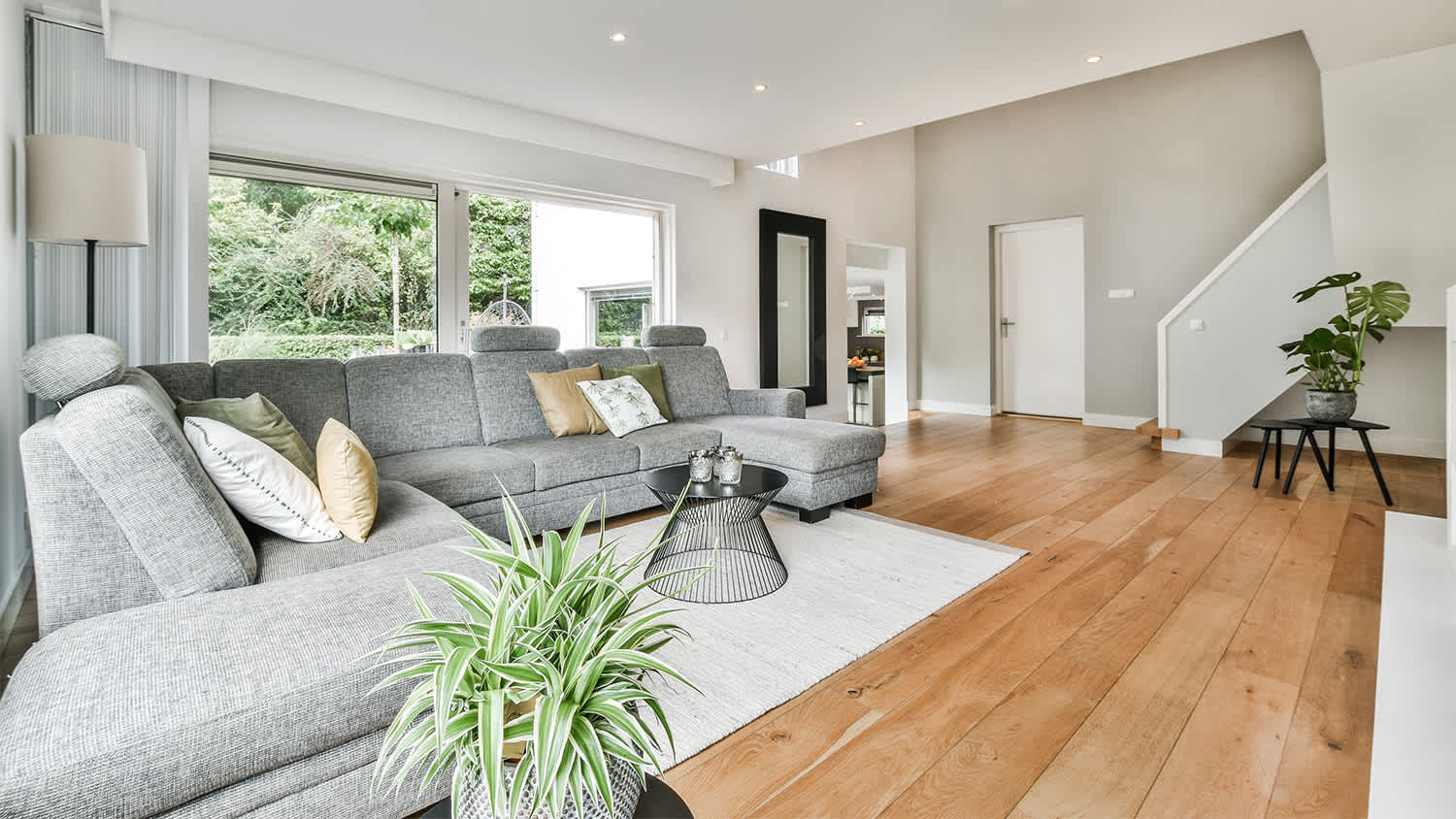
Laminate floors tend to look similar to hardwood floors by design. Learn how these two distinct types of flooring differ in both appearance and performance.

Are you wondering whether to choose engineered wood or hardwood flooring? We break down the pros, cons, costs, and differences so you can choose with confidence.
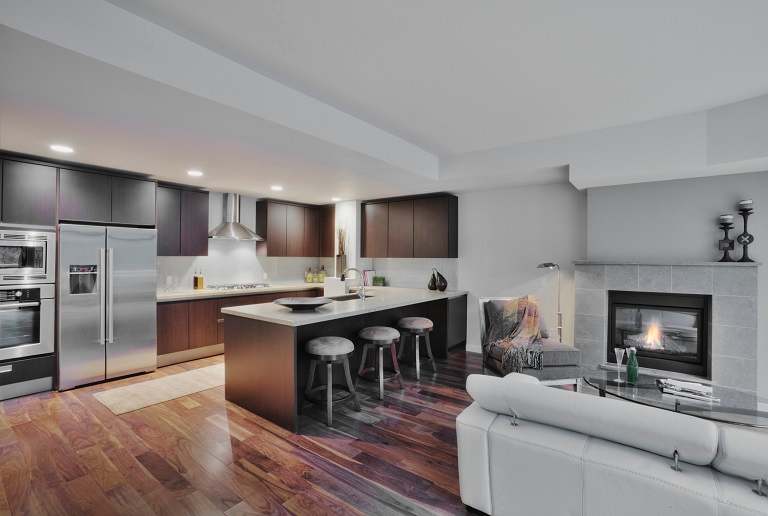
Wondering whether engineered hardwood flooring is right for your next project? Find out the pros and cons of engineered wood flooring compared to other popular materials so you can decide if you want engineered hardwood flooring installed in your home.
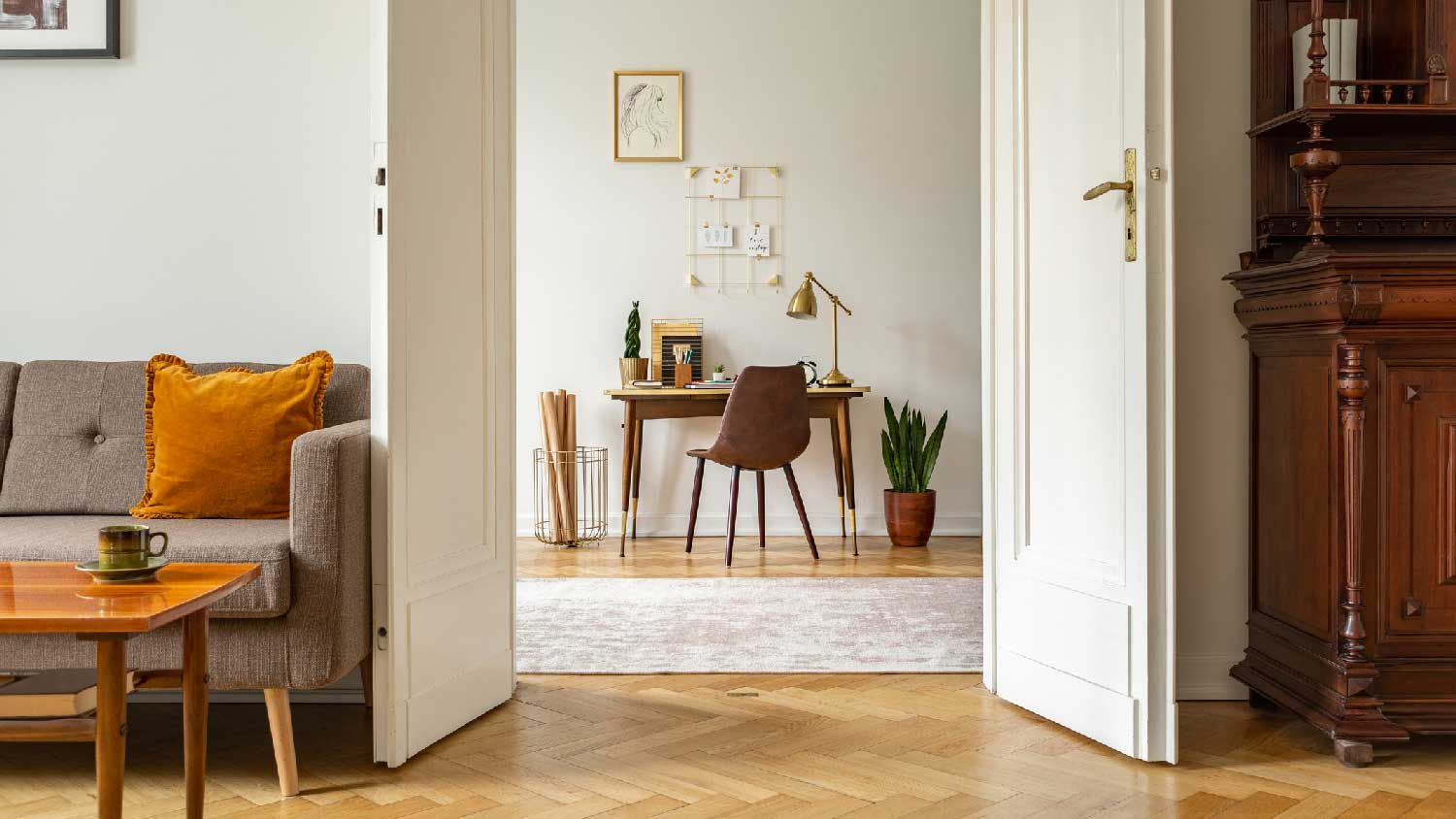
Discover engineered hardwood flooring pros and cons, from style and stability to cost and care. Here’s what you need to know to make the right choice.
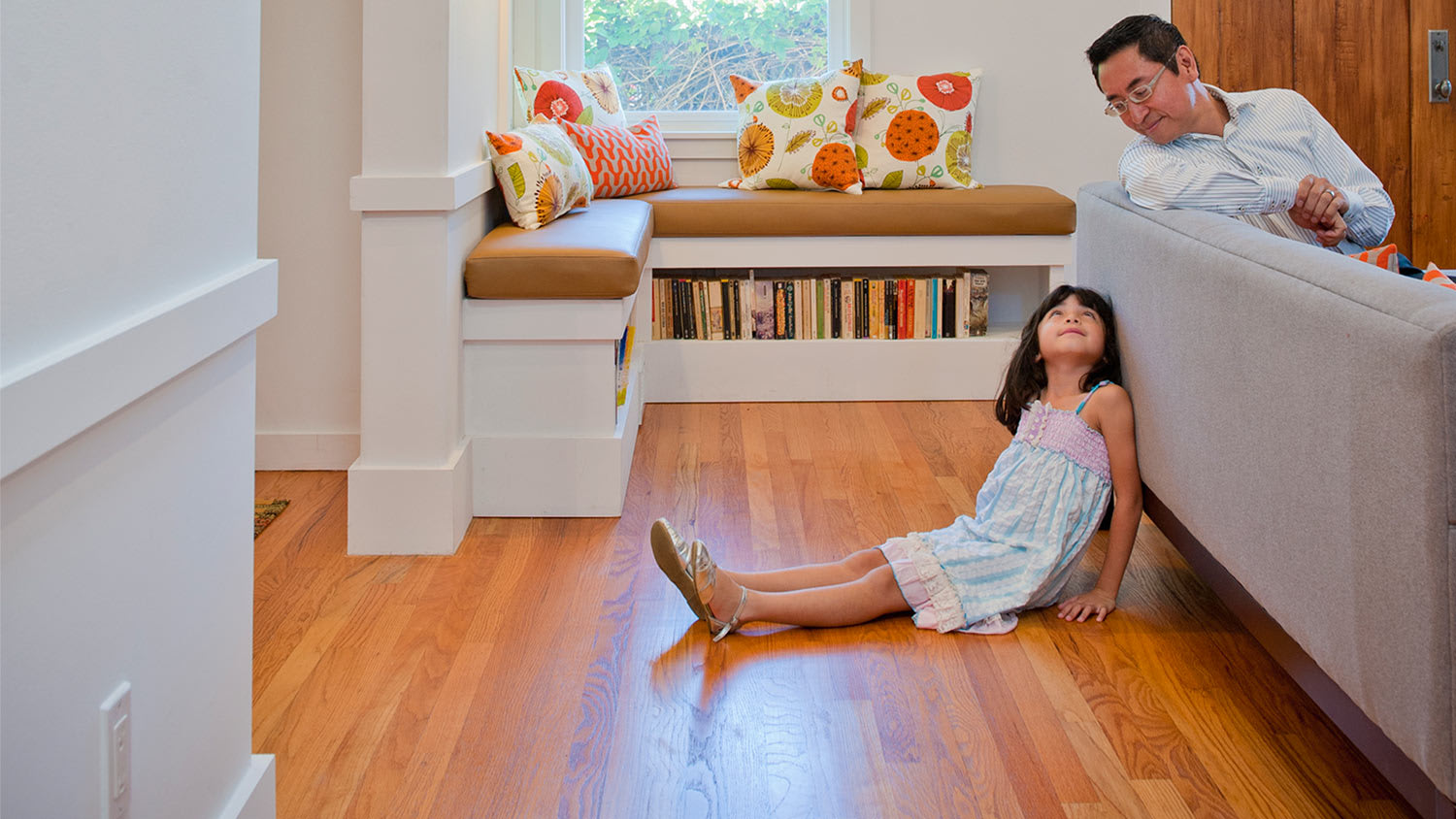
Whether you’re building furniture or laying flooring, engineered wood is a solid choice. Learn the cost, maintenance, and installation information for engineered wood, how you can use it in your home, and how it compares to solid wood and laminate.