

•
Discover the average baseboard heater installation cost, including price ranges, key cost factors, and tips to help you budget for your home heating project.
Tried and true methods to ensure you don’t over- or under-heat your room

An electric baseboard heating calculator helps you determine the right heater size by multiplying your room's square footage by 10 watts per square foot.
Your home's insulation level changes the wattage you need, requiring 12.5 watts per square foot for older homes and 7.5 watts for well-insulated spaces.
You can also calculate baseboard heater length by dividing your total wattage requirement by 250 watts per linear foot for accurate sizing.
Hiring a local HVAC company takes the guesswork out of low-voltage wiring and thermostat installation, ensuring your baseboard heaters work safely and efficiently.
Electric baseboard heaters run along your floor and in front of your baseboard trim. While that might not seem like an ideal location for a heater, the advantage is these heaters do not need to be connected to your existing ductwork. Electric baseboard heaters run independently, therefore can be quickly added to any space.
But how many should you add to heat your room adequately? Sizing baseboard heaters can be a little tricky. Use this electric baseboard heating calculator guide to find out.
Electric baseboard heaters contain a heating element made of electric coils. As electric current flows through the coils, they heat up and warm the surrounding air, which disperses throughout the room. Electric baseboard heaters are not connected to any ductwork and function independently from your home’s central heating system.
Most electric baseboard heaters are wired directly into your existing electrical panel and controlled via a thermostat. You can choose either 120-volt or 240-volt heaters. Though 240-volt heaters are more efficient, they require two power circuits instead of one.
Electric baseboard heating is considered a supplemental heat source for rooms not connected to your existing central heating system. You might consider electric baseboards if:
It is difficult to route ductwork to a specific area
You are building a new addition
You are converting an attic or basement into livable space
While electric baseboard heating might not be as efficient as hydronic baseboard heating or central furnace heating, it is often the quickest and most cost-effective solution. Still, installing electric baseboard heating requires low-voltage wiring, so it is best to hire a trained HVAC contractor to complete the project.
To heat your room with electric baseboard heat properly, start by determining how much heat is required. For electric baseboard heaters, the amount of heat required is measured in watts.
Baseboard heaters are available at various lengths, in 12-inch increments, and various wattages, in 250-watt increments. When purchasing, you can choose a combination of sizes as long as the total adds up to or exceeds the heating wattage requirement for your room.
The first and most straightforward electric baseboard heating calculator method multiplies the square footage of your room by a baseline figure of wattage to get a required heating wattage—you can generally assume a room needs 10 watts of heat per square foot.
Total Wattage of Baseboard Heaters = Room Size (square feet) X 10 watts per square foot
For example, a 10-foot-by-10-foot room has a total square footage of 100 square feet. Therefore, multiplying the square footage by the 10-watt heating requirement suggests the room needs 1000 watts of total heat.
This basic calculation assumes your room has 8-foot tall ceilings. It also assumes your home has a standard amount of insulation installed. If either one of these is not the case, use these correction factors to adjust your calculation.
Add 25% more wattage for every 2 feet of additional ceiling height (i.e., 25% more for 10-foot ceilings and 50% more for 12-foot ceilings).
Adjust the 10-watt heating requirement based on your home’s actual insulation. In older homes, increase the requirement to 12.5 watts. In energy-efficient homes with robust insulation, decrease the requirement to 7.5 watts.
Then, use the total wattage to determine how many baseboard heaters you need to heat your room sufficiently. To meet a 1000-watt need, for example, you could choose to install either one 1000-watt baseboard heater or two 500-watt baseboard heaters.
Keep in mind that it is usually best to slightly oversize your system to ensure your heating needs are met—you might consider a 1250-watt heater in this scenario.

This method uses an industry-standard baseboard heating ratio to determine how long your baseboard units need to be. A 240-volt baseboard heating unit typically produces 250 watts per linear foot.
Total Length of Baseboard Heaters = Total Watts Required / 250 watts per linear foot
For example, if your room has a heating need of 1000 watts, dividing this number by 250 watts per linear foot equals a total baseboard heater length of 4 feet.
Note: You will need to calculate your room’s total watt requirement differently than the first method.
First, determine the total square footage of your room
Next, multiply it by 9 watts per square foot
Finally, take that base wattage number and apply these correction factors based on the unique conditions of your room:
Add 10% for each window
Add 10% for each exterior door
Add 10% for each exterior wall
Add 10% if your walls are poorly insulated
Add 10% there is an uninsulated space below your room
Add 10% if the ceilings are more than 8 feet tall
Using this total watt calculation method, a 10-foot by 10-foot room with two windows and one exterior wall would have a heating need of about 1200 watts. So, 1200 watts divided by 250 watts per linear foot equals a total baseboard heater length of 4.8 feet, or a 5-foot baseboard.
Most electric baseboard heater manufacturers will provide a table that helps you size your baseboard heating system. The table will assume your home has a standard amount of insulation and standard ceiling heights, so it is generally good practice to install slightly more heating wattage than recommended.
The exact figures will vary by manufacturer, but the recommended wattages will be similar to the table below.
| Room Size (sq. ft.) | Recommended Heater Rating for Well-Insulated Homes (watts) | Recommended Heater Rating for Poorly Insulated Homes (watts) |
|---|---|---|
| 100 | 750 | 1250 |
| 200 | 1500 | 2500 |
| 300 | 2250 | 3750 |
| 400 | 3000 | 5000 |
| 500 | 3750 | 6250 |
| 800 | 6000 | 10000 |
| 1000 | 7500 | 12500 |
I have used Columbus Worthington Air for years and recommend them whenever I have a chance. The staff is quick, courteous, and well-trained.
 ARS Columbus Worthington Air
If you’re good people wanting to do business with good people, hire Matt. He is a consummate professional and utterly competent. He installed a water heater in my home at a price that beat competitors by hundreds of dollars with a promise to support the unit for its life (even after its 6 yr...
 Greene's Plumbing Services
Corey Carr was great. I had damage from a recent storm and needed to have my mast and other components replaced. The project entailed coordinating with AEP, and Corey helped make a stressful situation a lot less stressful. I really appreciated his dedication to service and the job very well done.
 Mr. Electric of Columbus
This service was great. My air conditioner went out during the heat spell that we had. My husband has health issues and they came out that night and at 9:30pm the air conditioner was fixed and running. We are sooo very thankful, this is the company I will be using from now on and would...
 Mr. Mechanical Ohio
Great company! Price was competitive, technician showed up on time and completed the job (exterior electric Radon fan replacement) quickly. Would hire them again.
 MaGen Property Inspections and Radon Mitigation
Raven and crew does absolutely fantastic job. They are very professional if any concerns were to occur with any of her work she always took responsibility and finished out with a great job. I have worked with her business for a year and have always been satisfied. Very trusted business and...
 Creations of Transformation LLC
I would recommend this company to anyone! He showed up on time, was friendly, completed a very difficult repair on our dryer vent cover, was responsive, and pricing was extremely fair and competitive. I would have him back to do any of our repairs or cleanings without hesitation!
 U.S.A. Dryer Vent, LLC
Ace Fireplace Services' chimney sweep service is truly exceptional. They used advanced technology to ensure a thorough cleaning process, and my chimney has never looked better. I highly recommend their services.
 Ace Fireplace Services
The technician was very professional and friendly. He answered all my questions and was very thorough. He left the fireplace area very clean . He inspected from the roof and advised me as to other work that might need to be done. There was no pressure there. I was very satisfied with the...
 Supreme brick & chimney
On time, clean and finished fast. Windows seem sturdy and the finish is good. Caulking was done with no smudges. Would recommend.
 Window Depot USA of Central Ohio
From average costs to expert advice, get all the answers you need to get your job done.
Discover the average baseboard heater installation cost, including price ranges, key cost factors, and tips to help you budget for your home heating project.
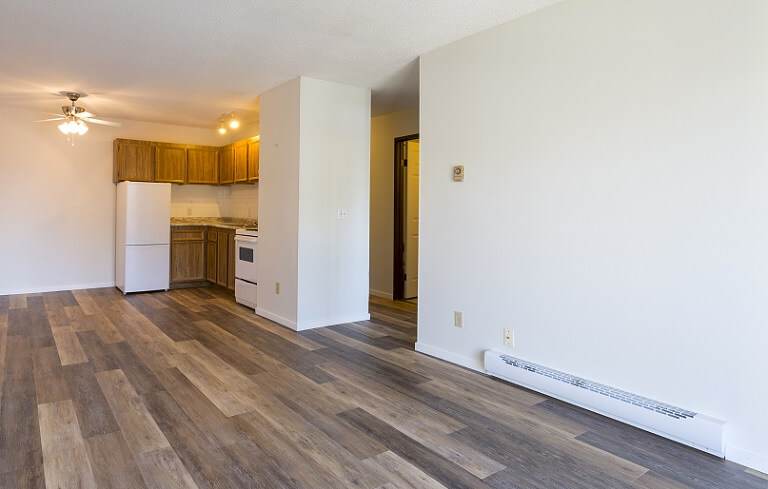
Baseboard heaters are smart, budget-friendly options. However, the exact cost of installation depends on the type of heater you choose and the size of your home.
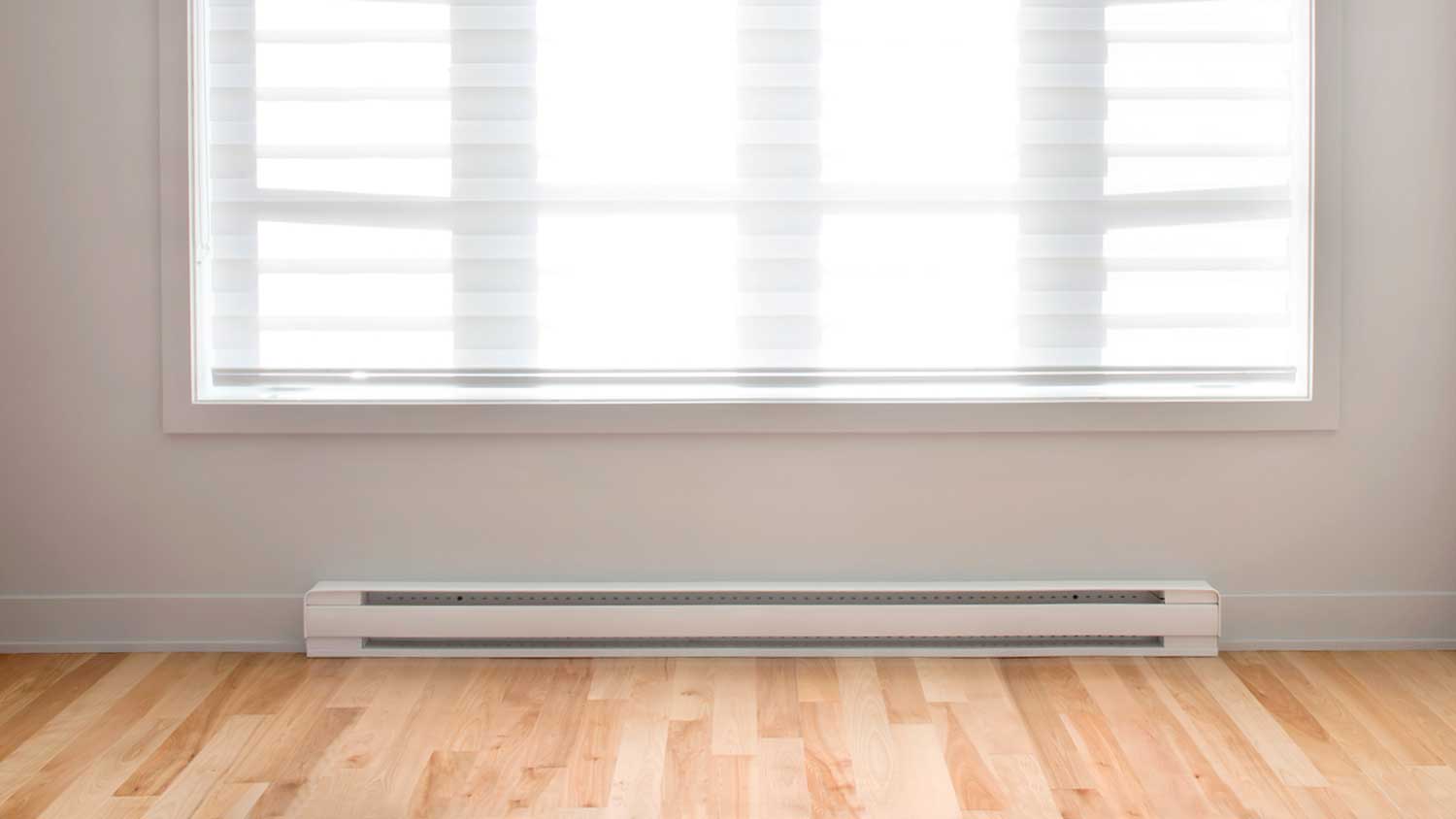
Is baseboard heat gas or electric? Learn the different types of baseboard heaters, how they work, and if they’re worth the cost.

Baseboard heaters are an alternative to forced-air, whole-house heating. Here’s what you should know about how baseboard heaters work.
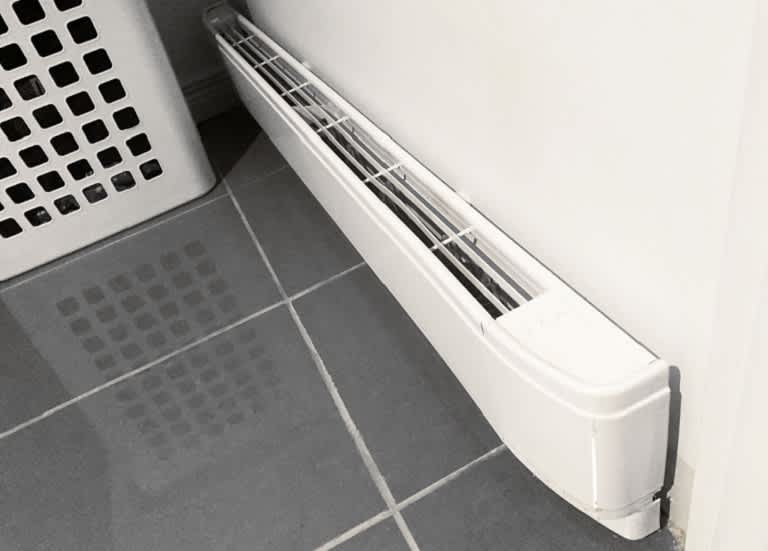
Learn how to hire a qualified electrician or HVAC technician for baseboard or wall heater installation. Find the right pro with our expert hiring guide.
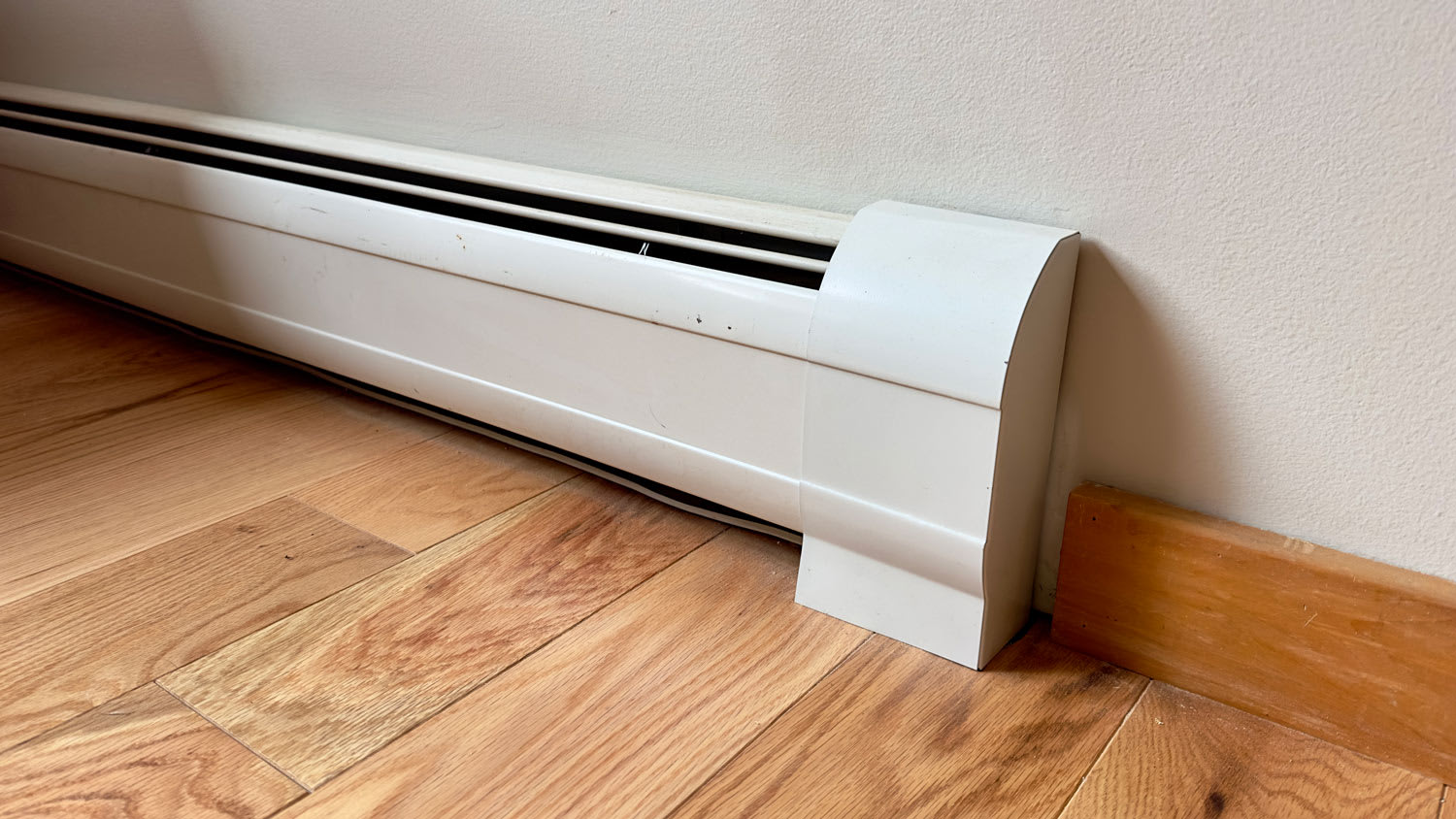
We review the easiest ways to shut off your baseboard heaters and how to handle a heater that refuses to turn off at all.