
•
Discover wallpaper installation cost. Learn about material, labor, and project factors to estimate your budget and make informed choices for your home.
Don’t get stuck with damaged walls

Peel and stick wallpaper wall damage depends on your wall surface, adhesive type, and how long you leave the wallpaper in place.
Textured walls, wood, or metal surfaces can suffer damage or residue from peel and stick wallpaper that won't peel cleanly from rough paint.
Removing your wallpaper slowly with heat from a steamer or hair dryer helps the adhesive release without taking paint along with it.
Hiring a local wallpaper installation professional keeps your walls smooth and clean during application and removal, especially on tricky surfaces or textured finishes.
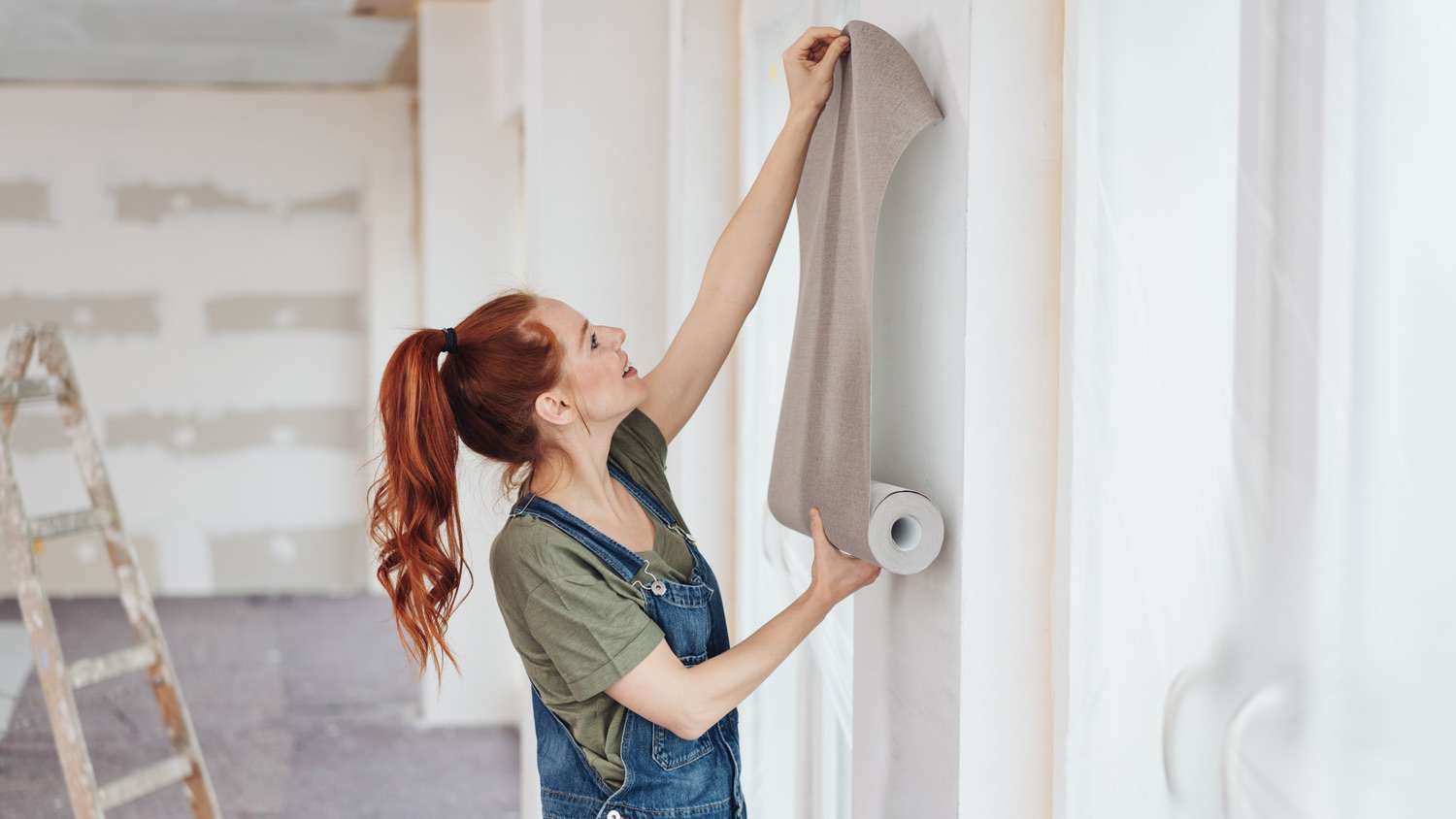
You’re looking for a quick way to breathe new life into a room, and you’re considering adding a bold statement with peel-and-stick wallpaper. But one concern keeps you from moving forward with your next home improvement project: Does peel-and-stick wallpaper damage walls? It all depends on the specific wallpaper product, the prep, and how you remove it. Here’s everything you need to know about removing peel-and-stick wallpaper without damage.
Peel-and-stick wallpaper won’t always damage your walls, but sometimes, improper installation, permanent adhesive products, and hasty removal can lead the wallpaper to damage your walls down the line. Here are some factors that affect whether peel-and-stick wallpaper will damage your walls.
After you measure for wallpaper and start shopping around for peel-and-stick options, look for products that specifically say they are removable or temporary. “Permanent” peel-and-stick wallpapers are made with a stronger glue that could adhere more to the paint behind the wallpaper. That means when it’s time to peel off the wallpaper, the paint is more likely to come off with it.
Maybe you’re wondering whether you can apply wallpaper to textured walls or spruce up a metal or wood surface with some peel-and-stick wallpaper. Peel-and-stick wallpaper works best on smooth, painted drywall. It can peel off your paint, leave behind a residue, or damage the surface of other materials, including metal, wood, or tile.
For painted walls, peel-and-stick works best with glossy, semi-gloss, satin, or eggshell paint finishes. The smoother finish allows the wallpaper to peel off with less risk of taking strips of paint with it during removal.

The type of wallpaper can also determine whether or not peel-and-stick wallpaper damages walls. Peel-and-stick paper is less likely to cause problems with removal, so consider the paper varieties rather than vinyl if you’re worried about paint peeling off of the wall. However, if you want the look or benefits of vinyl, look for vinyl-coated paper.
There is one exception, though. If you plan to add washable wallpaper to a bathroom or other high-humidity area, stick to vinyl. This reduces the risk of moisture damaging the walls behind the wallpaper.
Wallpaper is a great option for moisture-rich environments like kitchens and bathrooms, so long as you choose the right type. We've had plenty of success wallpapering bathrooms using vinyl options, which are water-resistant and hold up well.
Peel-and-stick wallpaper lasts five to seven years, but the longer it’s on the wall, the more the adhesive can bond to the paint and make it harder to remove. On the other hand, the longer it’s on the wall, the more likely the wallpaper is to fade, crack, or peel.
For the best look and easiest removal, consider keeping peel-and-stick wallpaper on a wall for just one to three years and removing it after that time.
Knowing how to apply peel-and-stick wallpaper correctly is half the battle in preventing damage to your walls. As you start rolling out the panels, keep these tips in mind as insurance for easier removal down the line.
Test a small area: Apply a small square of wallpaper in an inconspicuous area and let it sit for a few days to a week. Remove it to test if it damages the wall.
Clean the wall: Make sure to wipe down the wall with warm water and a gentle soap and dry it thoroughly. This ensures the adhesive will stick properly to the wall.
Consider primer and paint: Fresh primer and smooth paint allow for the best peel-and-stick application. If you add primer or paint, make sure to let them cure for one month before adding wallpaper.
If you’re concerned about damaging your walls, talk to a wallpaper installer near you for help. A pro can ensure the walls are clean and smooth, and they’ll be able to apply peel-and-stick wallpaper in a way that minimizes the risks to your walls. You can also call a pro for help removing the wallpaper when you’re ready to refresh your space again.
While removing peel-and-stick wallpaper is considered easier and less damaging than removing wallpaper paste, there’s still a risk of peeling off the paint behind the wallpaper. If you want to avoid repainting the wall or sacrificing part of a rental deposit, here are some tricks for removing peel-and-stick wallpaper without damage.
Apply heat: Hold a steamer, hair dryer, or heat gun 3 to 6 inches from the wallpaper surface. Work from top to bottom in smaller sections. As the adhesive heats up, it becomes gummy and easier to peel away without damage.
Work slowly: Whether you use heat or not, peel the wallpaper off the wall slowly. If you work quickly or forcefully, you risk ripping paint off the wall.
Use vinegar or adhesive remover: If the adhesive is stubborn, you can spray distilled white vinegar or commercial adhesive remover on it and use a sponge to remove it. Start in an inconspicuous area to make sure the cleaner doesn’t damage the paint or wall. Wipe the wall dry after removing the adhesive.
Terrible experience. Walls/trim/floors/cabinets/doors all have drip marks, overspray, etc. Tiling at the fireplace had to be redone by another vendor due to incorrect and shoddy install by Profect. Contractor had his children in our house while he was on site without prior authorization or...
 Profect painting & exteriors
The Cisco team did an exceptionally good job of painting (very detailed), and they were professional, courteous, helpful and just pleasant to have in our home for a week. I have already recommended Cisco to some neighbors.
 Cisco Finishes
I couldnt be happier with Custom Paint Jobs LLC! Their attention to detail transformed my home.
 Custom Paint Jobs, LLC
Would hire again. Wall looks great. Happy with job.
 Central Paving
The task proved more difficult than anticipated. When they arrived the first day, they had no tools with them at all, and had to make a run to purchase appropriate tools. It was quickly determined that the paper had to be steamed off, and neither the workers, nor the company itself, had...
 ABS Interiors of Mid-Ohio LLC
We needed them to do extra work to remove existing wallpaper, and provide full primer and painting/trim work around existing furniture etc, during a move-in period. They did everything top-notch with minimal mess. They were always extremely on time, and very professional. They also cleaned...
WALLS IN OLD VICTORIAN WERE GOUGED AND CRACKED AFTER REMOVAL OF WALLPAPER. VERY CAREFUL WORK. GOOD ATTENTION TO DETAIL. CLEAN-UP WAS A LITTLE MESSY.
From average costs to expert advice, get all the answers you need to get your job done.
Discover wallpaper installation cost. Learn about material, labor, and project factors to estimate your budget and make informed choices for your home.
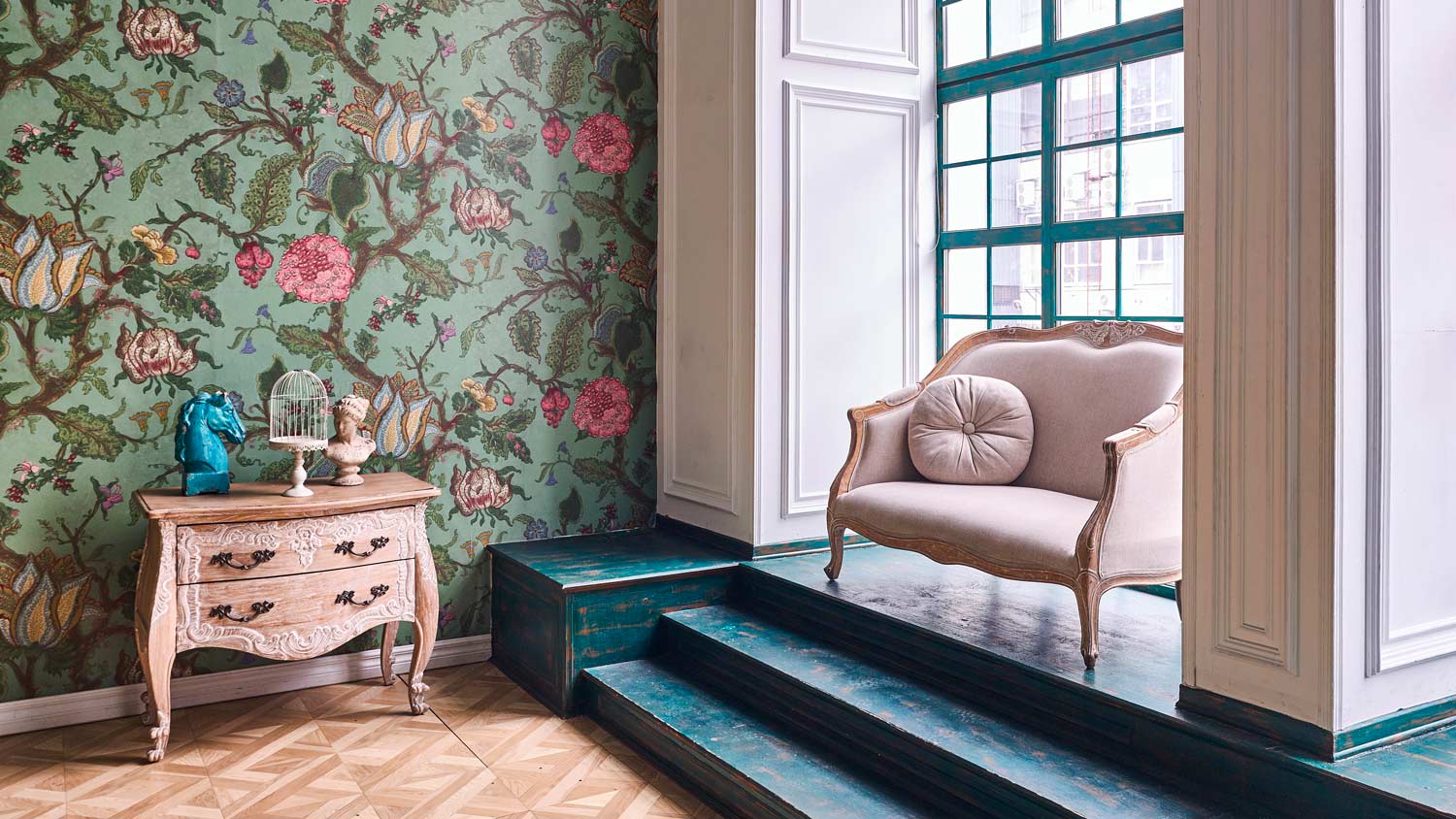
Get transparent wallpaper removal cost info to learn average prices, key cost factors, and tips to save on your wallpaper removal project.
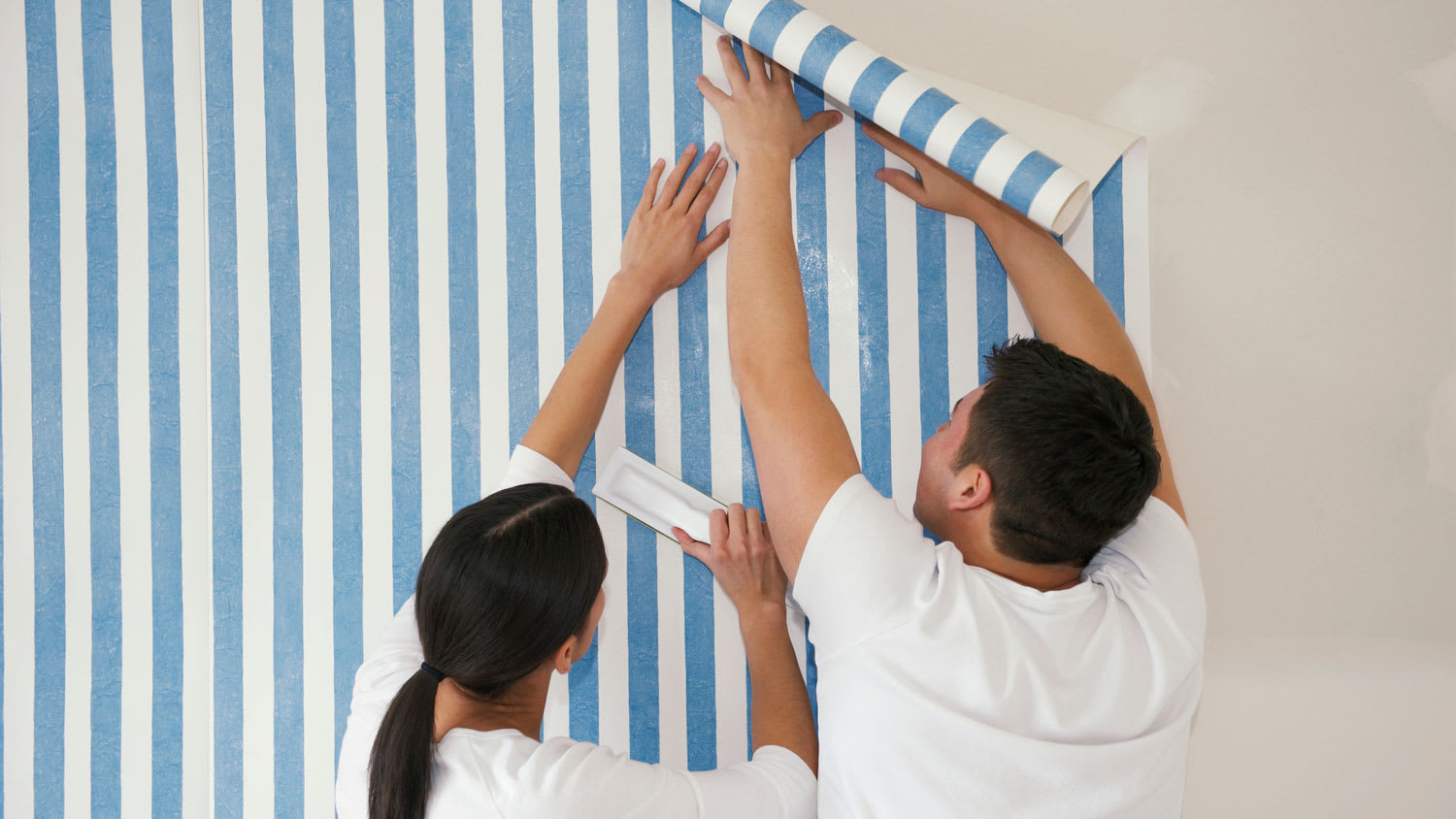
How long does peel-and-stick wallpaper last? Learn more about the factors that influence the lifespan of removable wallpaper, including quality and material.
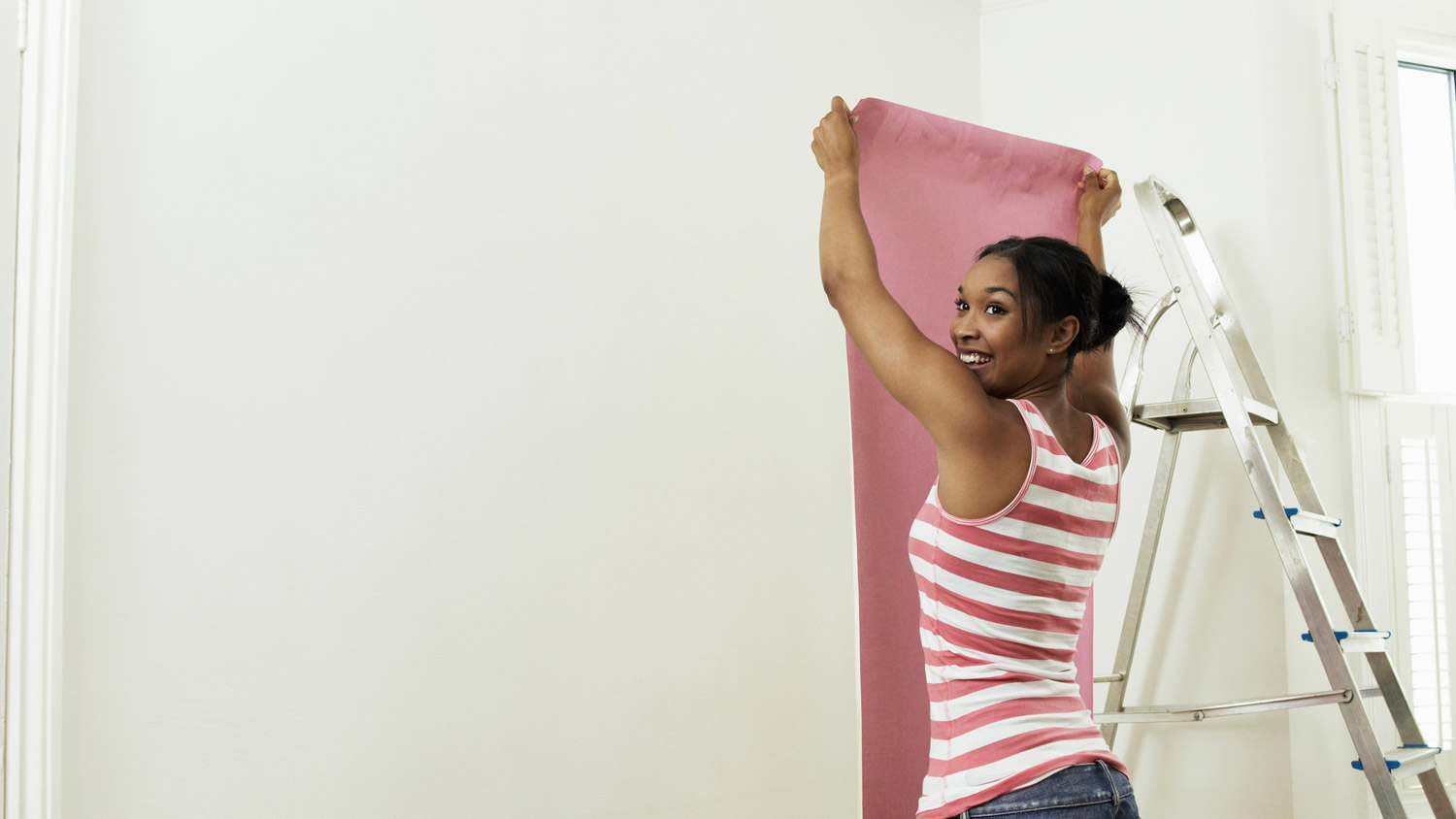
Love the look of wallpaper, but not sure which type is best? Learn the differences between peel-and-stick versus traditional wallpaper in this guide.
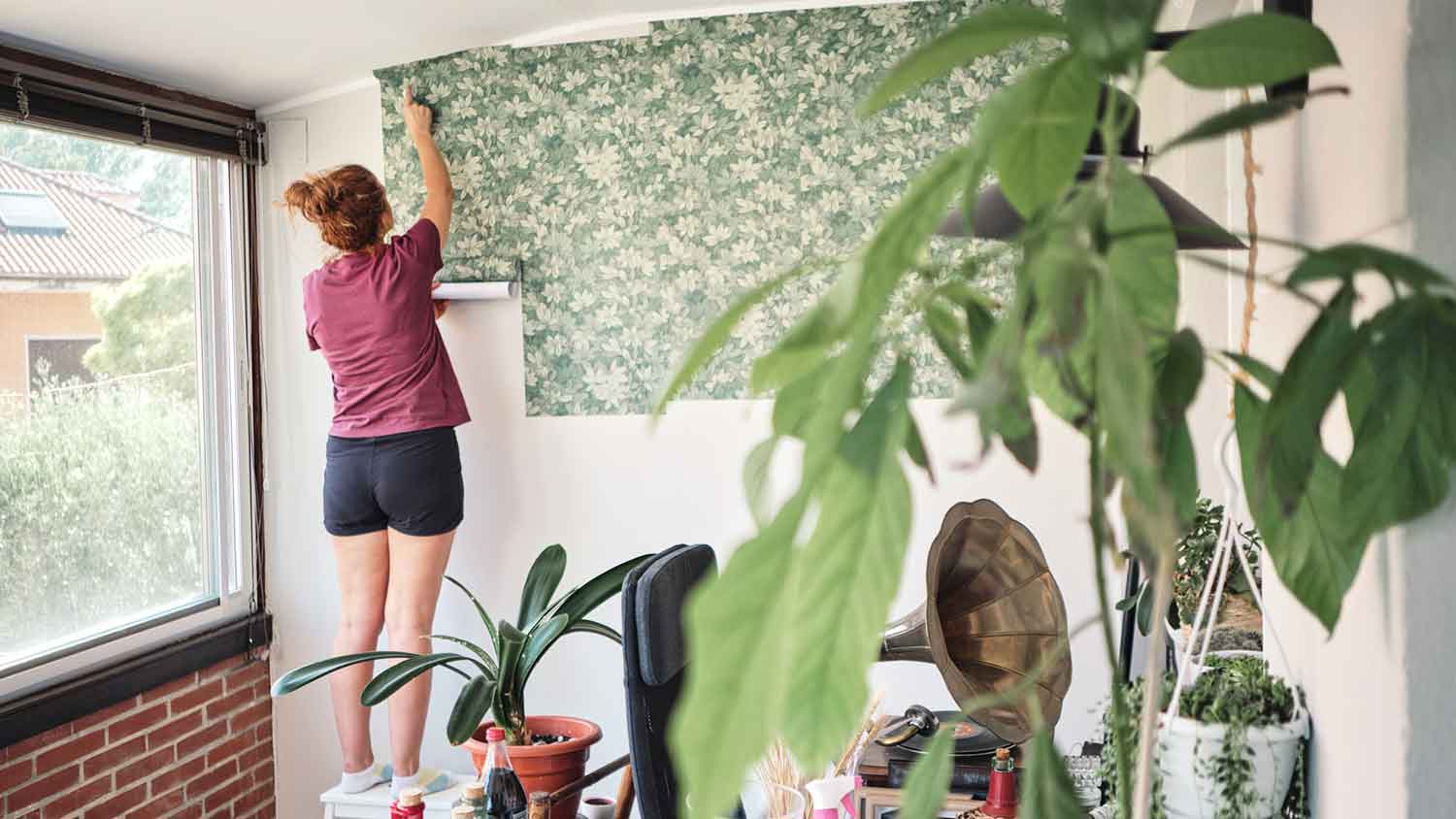
Is peel-and-stick wallpaper removable? Find out how to remove temporary wallpaper without causing damage to your walls.
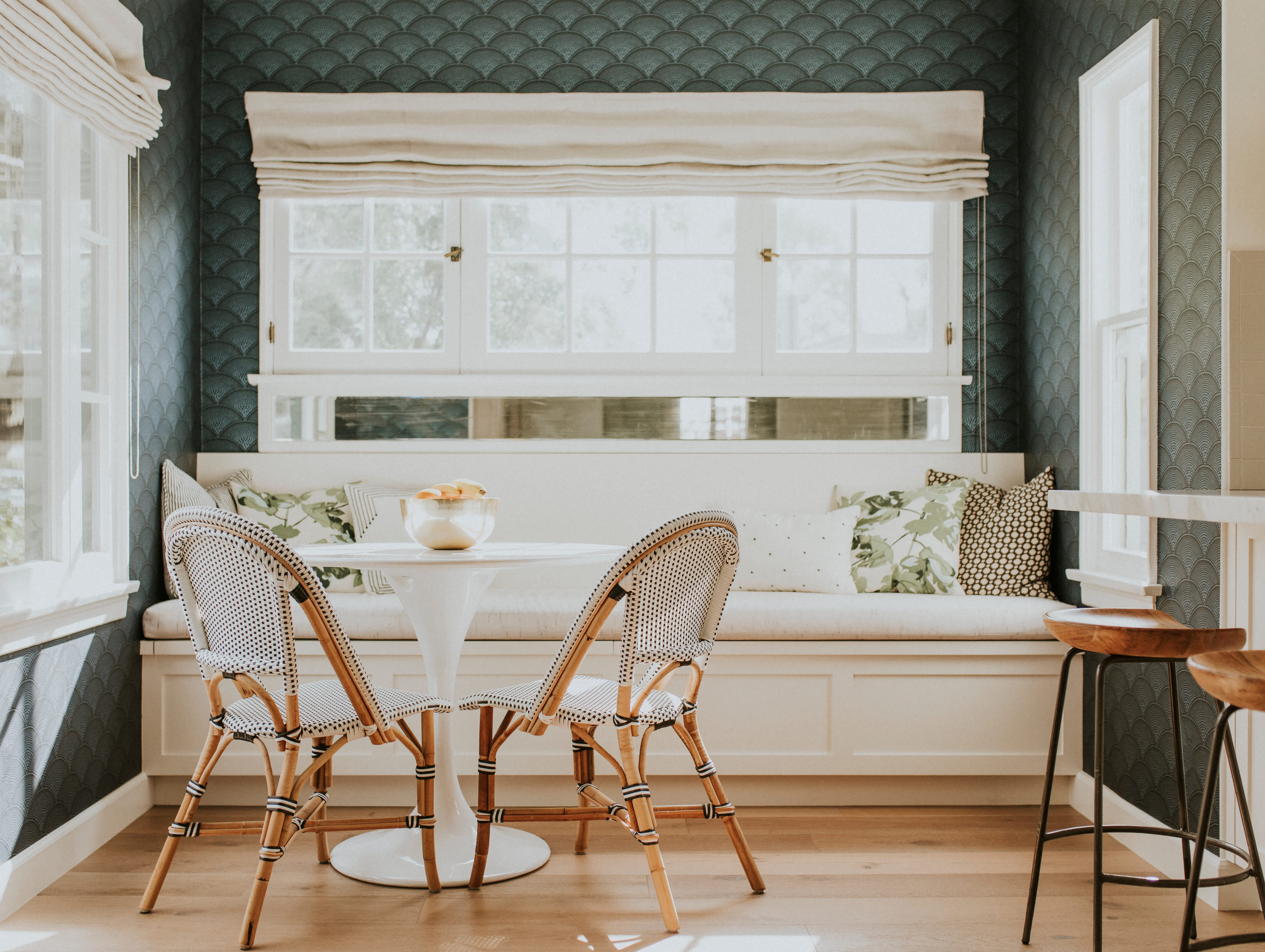
Ready to remake your bedroom or home office? Avoid a sticky situation with these nine tried-and-true tips for peel-and-stick wallpaper.