
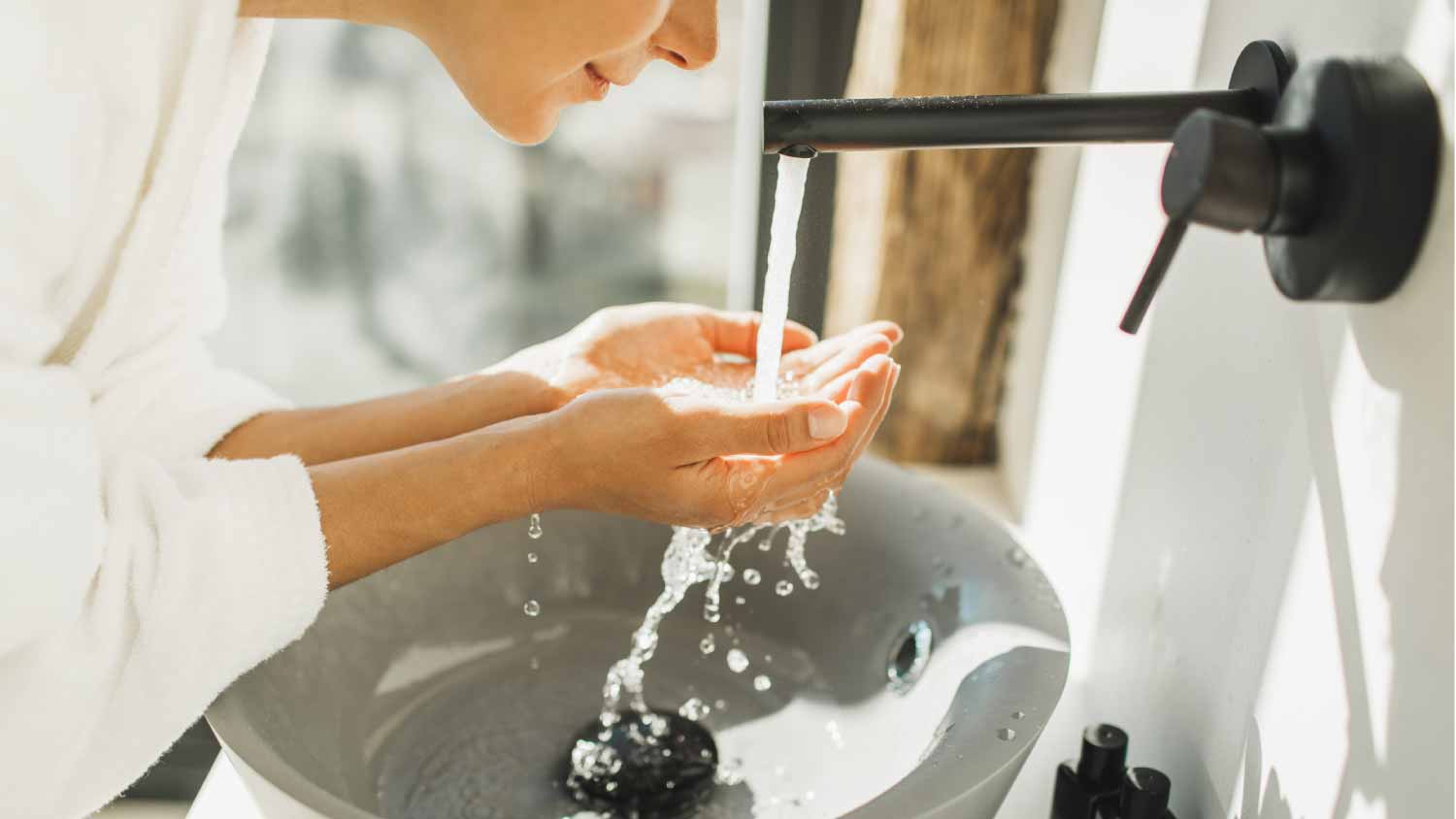
Learn the differences between hard versus soft water to see if you need to invest in a softener or if you can bask in the hard water.
It’s not you, it’s your water

Testing your water helps you determine whether you have hard or soft water, which affects everything from your skin to your appliances.
Expect to pay up to $400 for professional water testing services, while store-bought test kits cost less than $20 for at-home results.
You can test water hardness yourself using a simple soap test or by checking your local water authority's annual quality report.
Hiring a local water softener installation professional provides expert guidance on water testing and helps you choose the right softener for your home.
If your clothes are fading, your hair is flat, and you can’t get your tub and sink to look truly clean, don’t beat yourself up. Instead, try to find out if you have hard or soft water. Hard water, which causes mineral buildup, could be to blame for many of your problems. Here’s how to tell whether you have hard or soft water, including several tests to try.
Hard water is water that contains significant amounts of dissolved calcium and magnesium, which are naturally occurring minerals. Water hardness is measured in milligrams per liter (mg/L) or grains per gallon (gpg), with higher numbers indicating hard or very hard water (meaning the water has lots of minerals in it).
| Grains per Gallon (gpg) | Milligrams per Liter (mg/L) | Water Hardness |
|---|---|---|
| Less than 1 | 0–17 | Soft |
| 1–3.5 | 17–60 | Soft or slightly hard |
| 3.5–7 | 60–120 | Moderately hard |
| 7–10 | 120–180 | Hard |
| Over 10 | 180 and above | Very hard |
Most of the interior of the U.S. has hard water, according to data from the United States Geological Survey. You likely have at least some hard water in your area unless you live in a few places with soft water, such as parts of New England, the Gulf Coast, the Pacific Northwest, and Hawaii.
The high concentration of minerals in hard water can affect almost everything in your home, including yourself. If you notice the following, you may have hard water:
Water spots on your dishes
Mineral buildup on your sink and faucet
Stiff or faded laundry
Plumbing problems, including corrosion on your pipes
Soap scum on your tub or shower
Persistent problems with your appliances
Dull, dry hair
Flaky, itchy skin

While it’s rarer to have naturally soft water, it’s not completely unheard of, especially in portions of the Northeast, Southeast, and Pacific Northwest. When your home has soft water, you’ll notice different signs, including:
Slippery feeling when you bathe or wash your hands
Plenty of soap suds, foam, or lather
Crystal-clear glassware
Strong water pressure
Soft, manageable hair
A radiant complexion
Appliances that work properly
If you’re still not sure whether you have hard or soft water, you can test your water’s hardness yourself or have it tested by a third-party lab or local water softener company.

The easiest way to test your water yourself is by using the soap test. Fill a small lidded container (you finally have a use for that old Mason jar) with water and a few drops of dish soap and replace the lid. Give the container several strong, hearty shakes. Wait 20 seconds for everything to settle and any air bubbles to dissolve. If you have clear water topped by lots of bubbles and suds, you probably have soft water. If you don’t, you likely have hard water.
You can also buy at-home hard water test kits from a home improvement store or online retailer. These tests are easy to use. All you have to do is dip a test strip in water and compare the color result to a chart. Water test kits cost less than $20 and may test for chemicals, bacteria, and alkalinity, too.
You can also hire a private water testing service or local water softening company to test the hardness of your water. Some companies will test a sample that you send in, while others will send a technician to your home. Expect water testing services to cost up to $400.
It’s also worth checking with your local water authority for the results of their annual water quality testing. The report you request from your water authority should include hardness and may also show the results of testing for regulated and unregulated substances.
If your tests show that you have hard water, installing a water softener can treat the issue. A water softener draws out the calcium and magnesium and sends the softened water throughout your home. A local water softener installation company can help you figure out if you need a water softener and perform the installation for you.
If you’re good people wanting to do business with good people, hire Matt. He is a consummate professional and utterly competent. He installed a water heater in my home at a price that beat competitors by hundreds of dollars with a promise to support the unit for its life (even after its 6 yr...
 Greene's Plumbing Services
As usual with ECO, tech Jordan was outstanding, very professional, very knowledgeable, and very thorough with repairs made to tankless water heaters. Very highly recommend ECO!!!
 Eco Plumbers, Electricians, and HVAC Technicians
Did a great job replacing the ice maker and water regulator on my refrigerator. He was quick and thorough, very friendly and professional. If I needed a heart transplant I'd want him to do it!!!
We had a gutter blockage that was causing water to sheet down the side of the house and ultimately it started to come in at a window (need mortar people next). Called around 7:30am, and he responded by 8am. He was able to come out the same morning and do a look over and clean out. He also...
Scott checked our large crawl space for mold and water infiltration and recommended a viable solution. The crew was efficient and they cleaned up well after the job. The job was expensive but I am confident that I won't have to deal with the problem again. Highly recommend.
 AdvantaClean of Dublin
They were the most through inspecting the water system in my house. Even going the extra mile to get the water professionally tested for contamination.
 Hague Water Conditioning, Inc.
It went very well. The drain is absorbing all the access water. I had other estimates a year earlier and Hughes was right on. I will use them, again.
 Hughes Construction Co
Very well. Have already used them again to fix hot water heater
 Service Olympians
The Paul Davis team was very professional and went the extra mile to take care of my water damage. The work was very high quality and done in a timely manner. I would highly recommend their services.
 Paul Davis Restoration
Honesty is hard to find in business today. GBR met me today at a 3 story building regarding my being told that I needed to tuckpoint the brick because of water leaks. The owners took the time to evaluate the situation and advised me that I did not need their service at all. They pointed me...
 GBR Masonry Inc
From average costs to expert advice, get all the answers you need to get your job done.
Learn the differences between hard versus soft water to see if you need to invest in a softener or if you can bask in the hard water.
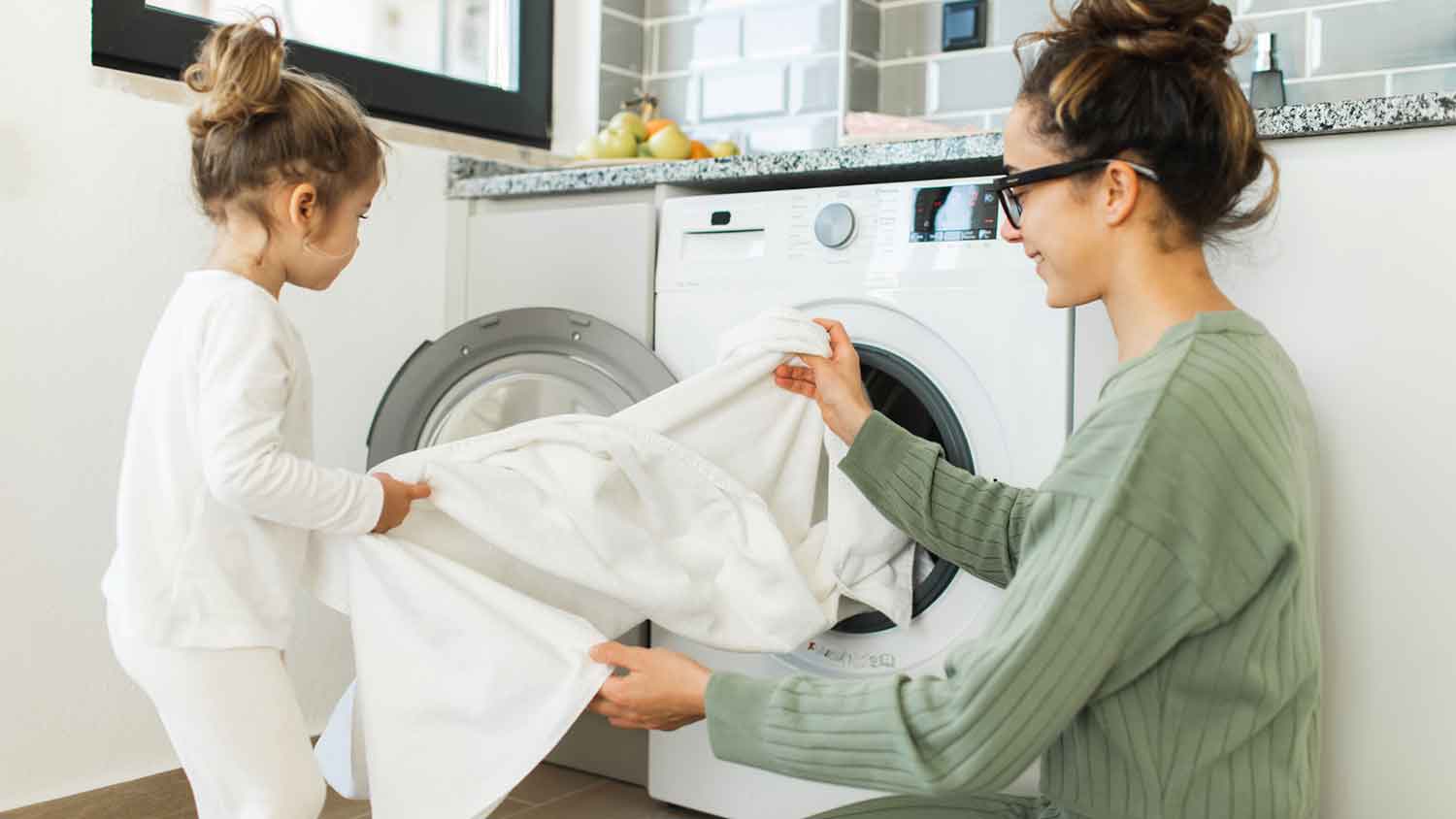
Looking for tips on how to treat hard water? This guide explains the best options, including installing a water softener, adjusting your water heater, and more.
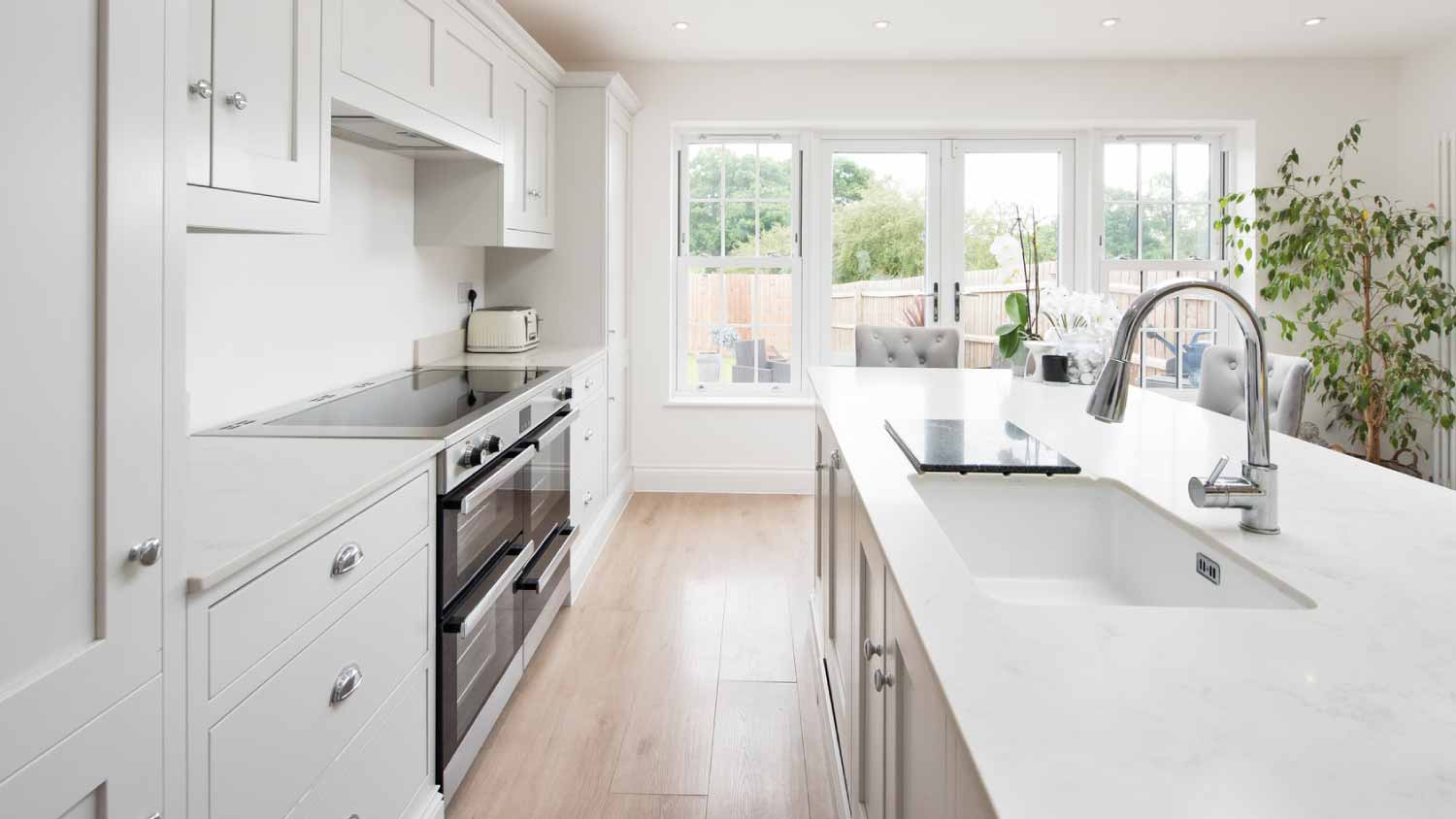
Tired of finding hard water stains around your home? Learn how to remove hard water stains from toilets, shower doors, counters, and more.
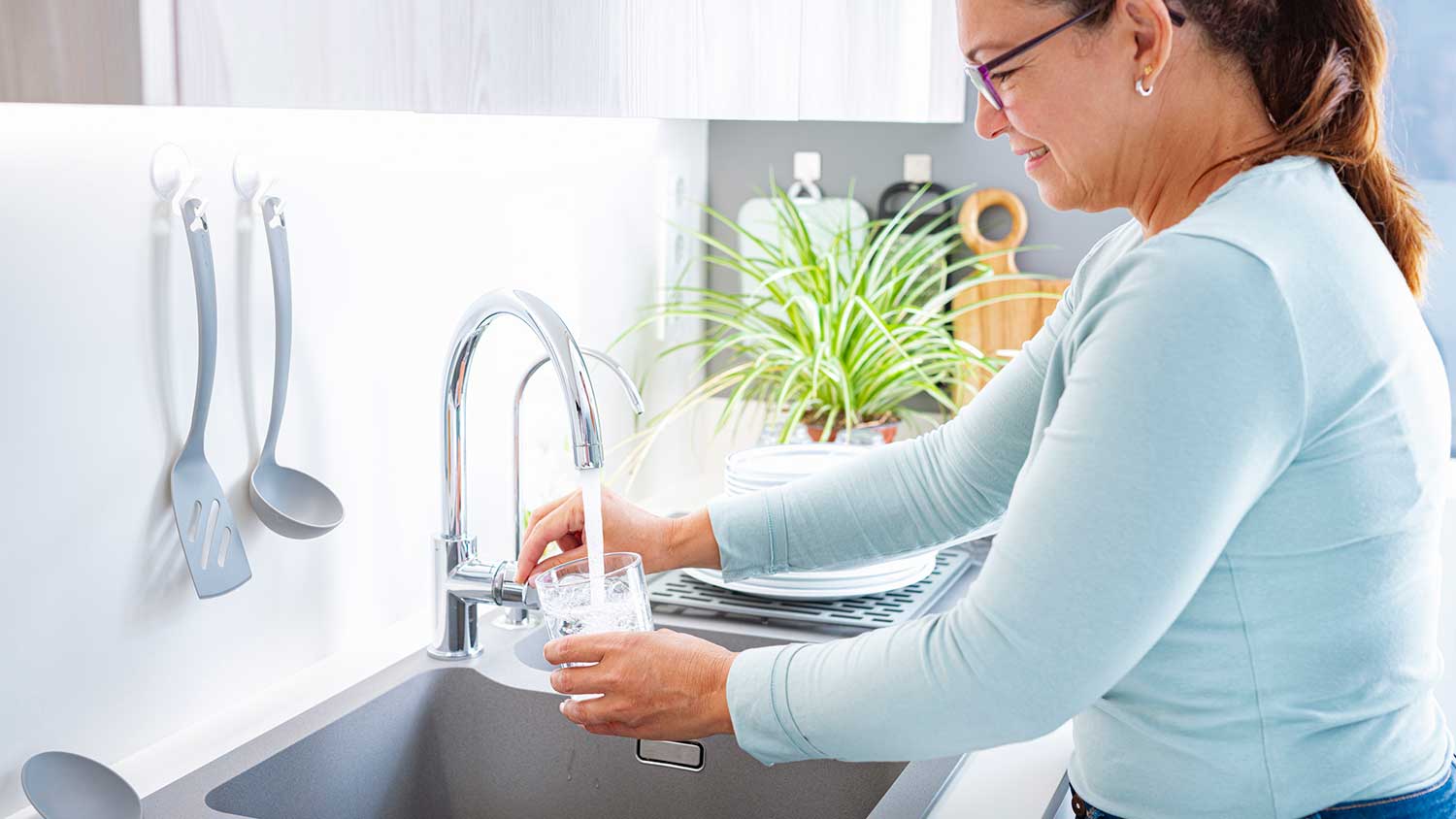
Is hard water bad for you? Not to drink, but it can dry out your skin and create problems for your household appliances. Here’s what you need to know.
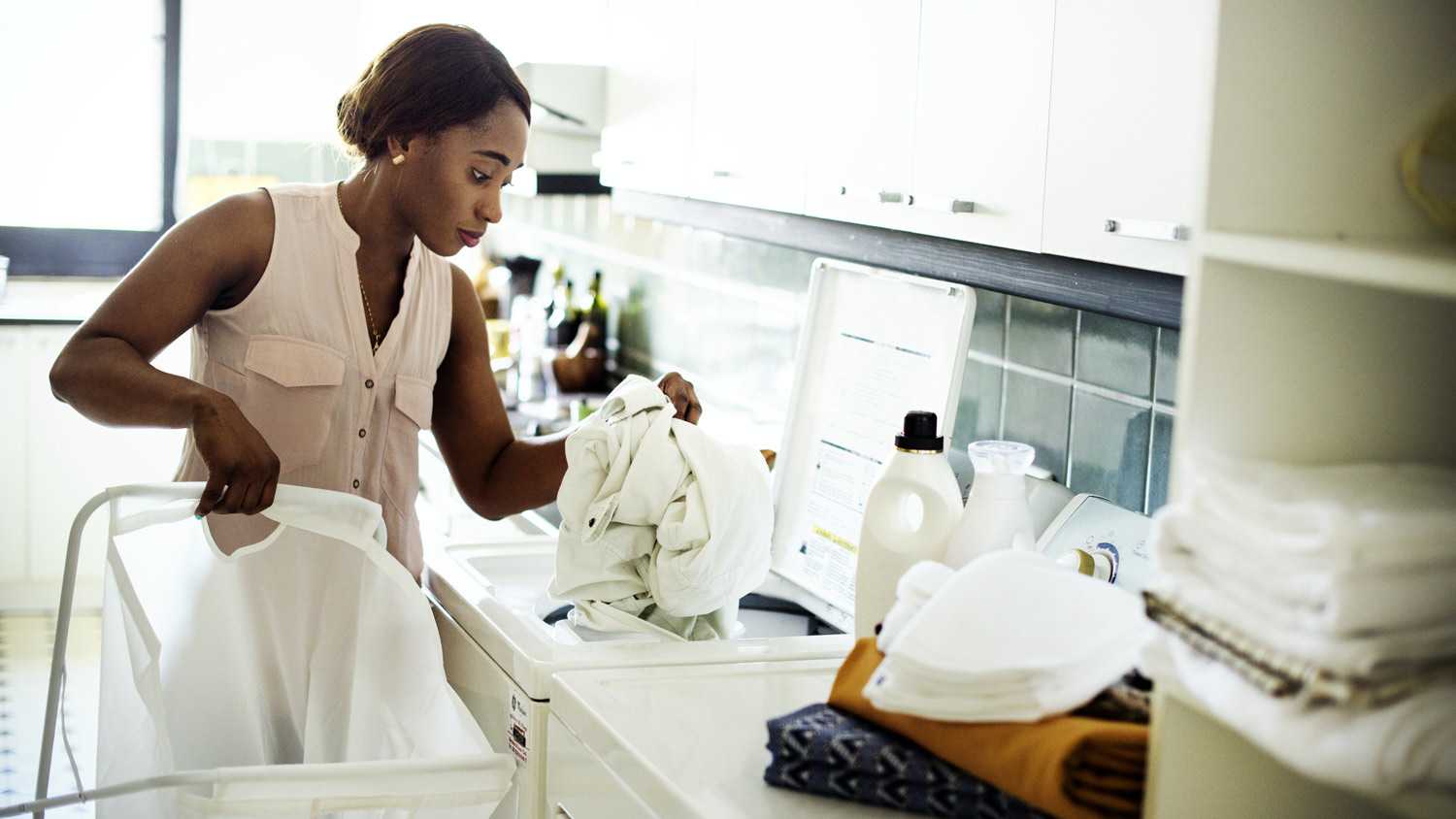
Learn if you should worry about hard water harming your appliances. Hard water can lead to repair and replacement costs for dishwashers, washing machines, water heaters, and more.
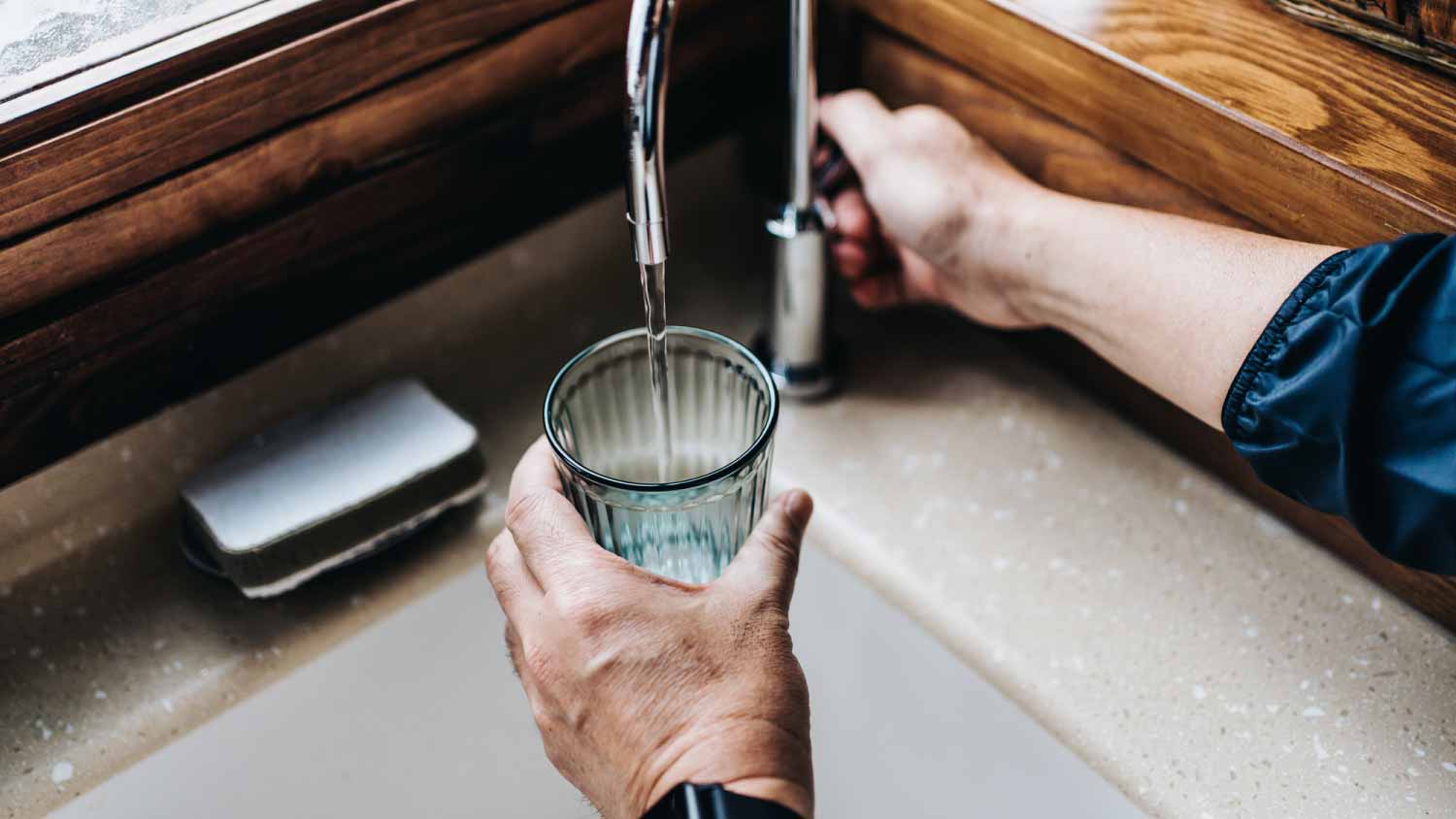
What is hard water? It contains high levels of minerals that dry skin and hair, stain dishes and clothes, and limit the life span of plumbing and appliances.