

How much does rewire house cost in Austin? Learn why your budget will need to be bigger if you live in this city and what factors influence the price.
Plumbing costs depend on your project and location. Check with a local pro for your specific job.

The cost to repipe a house in Austin is 2% lower than the national average.
Austin has the youngest houses in the country, which are more likely to have modern pipes that won’t require replacement.
Austin homes are large, however, if your house does need to be repiped, material and labor costs may be higher due to your larger home’s square footage.
You must hire an Austin plumber to repipe your house to ensure it’s in line with Texas building codes.
Repiping a house in Austin, TX, costs between $1,472 and $14,715, with the average Texan spending $7,358 for a whole-house repipe. These costs are about 2% lower than the national average. Because Austin has the youngest homes in the country, on average, houses are more likely to have modern piping, like CVPC and PEX; however, if your Austin home has older pipes—or these pipes were installed incorrectly when the house was built—it may be time to upgrade the plumbing throughout your home.
Home repiping costs in Austin, TX, can vary depending on a number of factors, including:
Large homes have more plumbing fixtures and require longer runs for pipes and drain lines, so they cost more to repipe. Additionally, multistory homes cost more to repipe than single-story homes because you'll need more piping material to reach plumbing fixtures between floors.
The median home size in Austin is roughly 200 square feet more than the national median. Theoretically, larger Texas homes have more complex plumbing setups that could require additional materials and labor, driving up repiping costs.
There are three main types of piping materials: copper, CPVC, and PEX. Costs vary with the material. For instance, copper ranges from $1.95 to $7.85 per linear foot, while CPVC costs $0.50 to $1 per linear foot.
Remember that local codes can dictate the types of pipes you can use. Your plumber can recommend the best material for your home.
| Piping Material | Average Cost per Linear Foot |
|---|---|
| PEX | $0.40–$1.95 |
| CPVC | $0.50–$1 |
| Copper | $1.95–$7.85 |
Proper piping is required for all of your home's fixtures, including toilets, sinks, and showers. The more fixtures you have, the more piping you'll need. Rough-in plumbing for a bathroom is costly, as getting pipes to precise locations is more labor-intensive than running plumbing behind walls. If you’re changing your home’s layout, expect to pay more for the total cost.
Austin has the youngest houses in the country, with an average age of only 19 years. Why does this matter? Newer homes are more likely to use PEX and CVPC piping—while these pipes may need to be replaced if they were installed incorrectly or have failed, the main concern for repiping is generally galvanized steel, cast iron, and lead pipes, which are common in much older homes. That means Austin homeowners are more likely to have plumbing problems isolated to a single fixture, rather than the whole house.
| Plumbing Fixture | Average Cost Range |
|---|---|
| Sink | $345–$785 |
| Dishwasher | $390–$785 |
| Washing machine | $345–$1,470 |
| Shower | $590–$1,570 |
| Water heater | $685–$1,760 |
The size, or diameter, of your pipes also affects costs. Pipes used for waste drainage are wider than pipes designed to carry water. For the same type of piping, larger diameters will be more expensive. However, most drain lines consist of PVC, which is less expensive than copper, so drainpipes should still be more affordable than water supply lines.
If your pipes are in a difficult-to-reach location, expect to pay more for repiping your house. For example, pipes under concrete are more difficult to access than pipes behind drywall, so they cost significantly more to remove and replace.
Repiping a house in Austin requires a permit from the city and reinspection after the work is done. When you hire a licensed plumber, they can obtain the permit and arrange the inspection on your behalf.
Generally, the plumber will bake the cost of the permit and inspection (usually between $200 and $500 in Austin for this type of work) into their quote.
The soil around your home can also affect the cost of repiping. For example, clay soil shifts over time, affecting the surrounding plumbing and leading to more costly installations. This is only a factor if you replace buried lines, like water mains, underground pool lines, and sprinkler lines.
On average, plumbers cost between $45 and $200 per hour. For a project of this size, you can expect to pay an average of $5,250 in labor charges.
In general, Austin plumbers may cost a little more than the national average due to the high construction demand in the city. However, the lack of state income tax in Texas is attractive to contractors, bringing more into the city of Austin and increasing competition (which lowers prices for consumers).
Although repiping a house won’t increase its value, you should still consider this project if your home has older pipes that are failing or posing a health risk. While galvanized steel, cast iron, and lead pipes aren’t as common in Austin (given the average age of homes), it’s still possible that your home may benefit from more modern plumbing options.
Any plumbing issues your home has will show up on an inspection report, which could cause a buyer to back out of the sale or renegotiate their offer. To avoid this headache, order up your own plumbing inspection (and address any issues) before listing your home for sale.
To help homeowners plan their next project, Angi provides readers with carefully researched cost data and upholds strict editorial standards. We start with national average project costs, which we collect by analyzing competitor information, retailer material costs, and input from professional contractors. We then apply local price index data to calculate location-specific estimates that reflect what homeowners typically pay in their local area. To do that, we use data from the U.S. Bureau of Economic Analysis (BEA), including its Regional Price Parities (RPPs), which measure price differences across cities. This helps us account for differences in labor, materials, and overall cost of living, so estimates in higher- or lower-cost areas better reflect real-world local pricing.
Every estimate undergoes a thorough editorial review to verify accuracy, consistency, and alignment with observed market conditions.
Want to help us improve our cost data? Send us a recent project quote to [email protected]. Quotes and personal information will not be shared publicly.
I've worked with Nathan with Piped Rite Plumbing extensively in three different capacities: for my own home, for my employer's properties, and as President of a 79-unit condominium community built in the 1960s. I can honestly say he's the best plumber I've worked with. Nathan...
 Piped Rite Plumbing Services LLC
Our experience with Bahenas Plumbing was exceptional. We had an emergency in our master shower and they provided same day service. They worked quickly to troubleshoot the issue and then promptly repaired it. We would use them again without hesitation.
 Bahenas Plumbing
Arrived on time as promised. Fast quality repair, and good cleanup on the work area. Also, polite and professional. On my next plumbing project I'll ask for Rodney @ JMR Services.
Johnny Pipes Plumbing was very responsive when I posted the job. His invoice showed a clear step by step and did not have any surprise fees or costs. He was very informative explaining the state of things and how they worked. He also gladly answered all my questions. It was a very smooth...
 Johnny Pipes Plumbing LLC
I had a couple of issues with my plumbing. Leaking faucets, slow drains, and a small leak in my master bedroom wall. Called We Plumb, Zach came out and diagnosed my issues, gave me options to fix and/or replace. All issues addressed, I called a week later and got my waterheater replaced. I...
 We Plumb
Hired Torres Plumbing to replace a water heater. They were on time and did a great job.
 Torres Plumbing, LLC
It was very clear to me that both Mike Morgan and Joel Barker with Copperhead Plumbing take their jobs and take plumbing very seriously. They showed up on time, both for the estimate and for the job, and they didn’t leave until they knew the job was done right. Finally, they were very...
 Copperhead Plumbing LLC
Very pleased. Luke was prompt, professional, thorough and courteous. Definitely recommend, and Crow’s Plumbing will be my first call if plumbing work is needed in future.
 Crow's Plumbing Service
Prompt service, reasonably priced and he is a really nice guy. 3 great reasons to have him fix your plumbing.
 All the Time Plumbing
Great company to do business with. Family-owned and family-operated , they were all great. The workmanship is outstanding and they fixed everything the first time. When they left, it was fixed. And the cleanup was great too - you couldn't even tell they were there. I will use Torres...
 Torres Plumbing, LLC
From average costs to expert advice, get all the answers you need to get your job done.
How much does rewire house cost in Austin? Learn why your budget will need to be bigger if you live in this city and what factors influence the price.
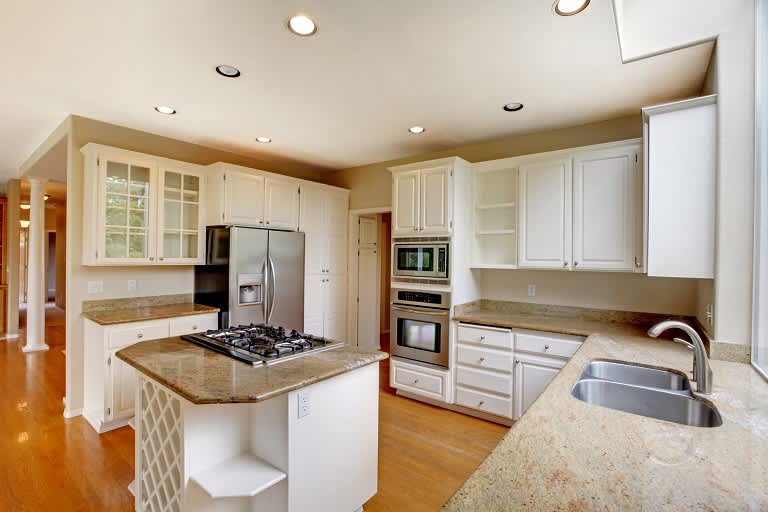
Discover the cost of resurfacing kitchen cabinets in Austin, TX, including average prices, key cost factors, and tips to help you budget and save on your next kitchen update.

Keeping hardwood floors damage-free can be tough, but the cost to refinish hardwood floors in Austin, TX is far less than the price to replace them.

Does repiping a house add value? While it may not up the asking price, it can help your house pass inspection and make buyers more likely to make an offer.
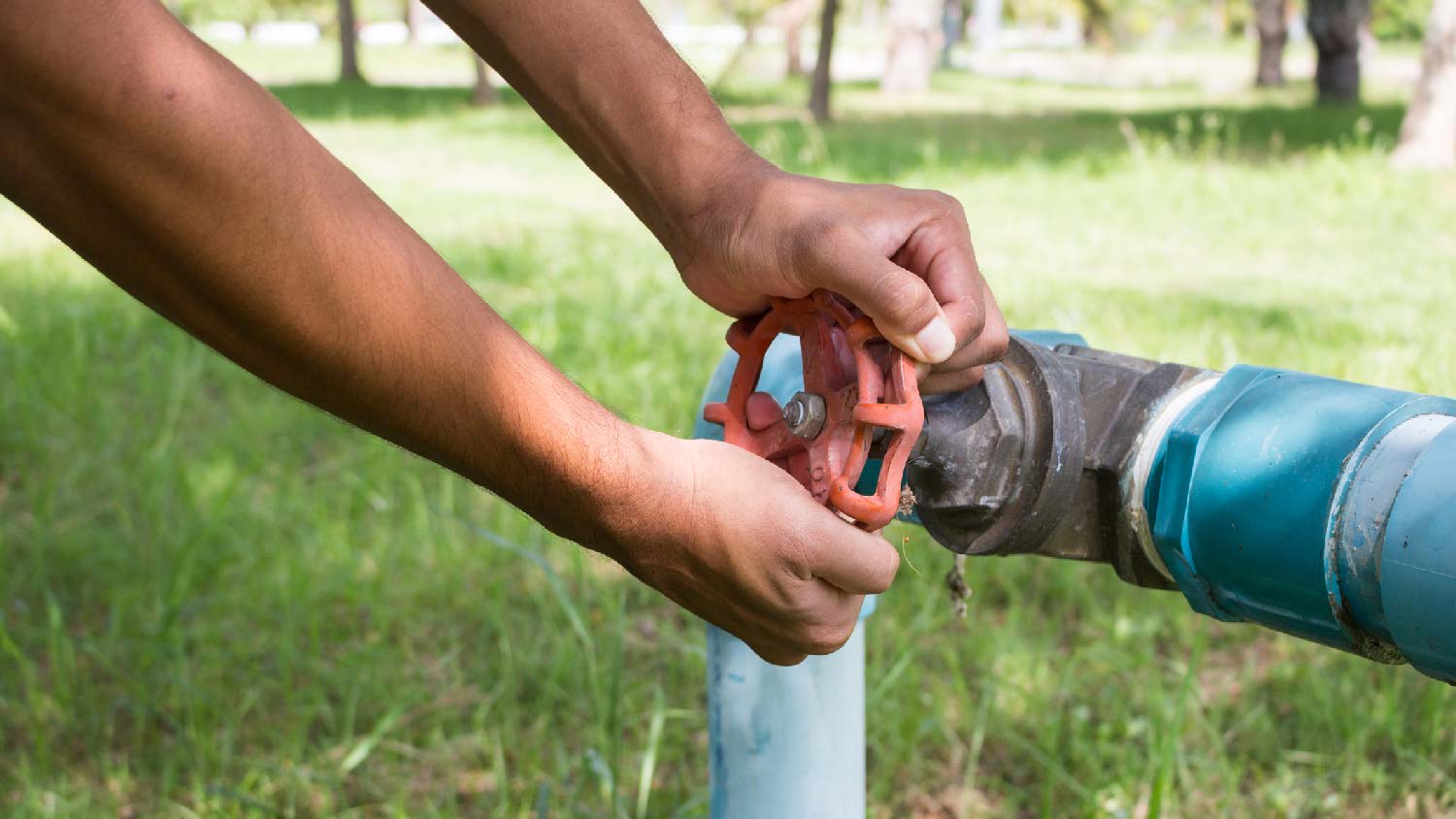
Choosing the wrong water main pipe size can lead to pressure issues and wasted money. Find out how to size it right for efficiency and long-term performance.
Get to know each part of a house before a home renovation or when breaking ground on new construction. Customize your dream design by starting with the basics.