

The cost to install a generator transfer switch in Boston, MA depends on several factors. Our guide will help you understand all of the costs.
Electrical service costs depend on your project and location. Check with a local pro for your specific job.

Installing a dedicated circuit in Boston, MA, costs $760 on average, with labor making up the majority.
The specific type of circuit you need depends on your appliances, with larger devices requiring higher amperage.
You should also account for local electrical inspections running $110 to $435 after the wiring is complete.
Hiring a local electrician in Boston, MA to install dedicated circuits keeps you and your household safe from electrical fires.
This article was created using automation technology and produced in accordance with our AI policy, which includes editorial quality standards.
A dedicated circuit installation in Boston, MA, costs $760 on average, and ranges from $620 to $1,090. The final price for your dedicated circuit depends on the distance from the main electrical panel to the new outlet and local labor rates for electricians. Before starting this electrical upgrade, understanding the cost helps you plan a project that fits your home and budget.
When planning for this upgrade in Boston, MA, homeowners should understand the various elements that influence the final price. Hiring a licensed electrician ensures the work is done safely, with overall expenses depending on the circuit size, required materials, and the complexity of the job.
| Factor | Local Average Cost | National Average Cost |
|---|---|---|
| Materials | $110–$165 | $100–$150 |
| Labor | $600–$1,060 | $550–$970 |
| Add-Ons | $545–$8,670 | $500–$8,000 |
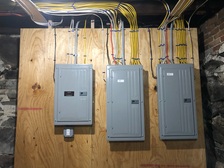
The amperage of the circuit you need directly impacts the overall price of the project. In Boston, MA, where cold, snowy winters require heavy-duty HVAC systems or space heaters, you frequently need a larger 30- to 50-amp circuit rather than a standard 20-amp line. Regardless of the size, the total project runs between $620 and $1,090, with most spending around $760 on average. If your current system cannot handle the new load, you must also factor in the electrical panel upgrade cost to safely accommodate the additional power draw.
The physical components required to establish a new line make up a small but essential portion of your budget. Sourcing these parts in Boston, MA, is sometimes delayed when nor'easters disrupt local logistics and availability. Budget $15 to $35 per unit for a new circuit breaker, while the necessary wiring typically runs about $5 per foot. Depending on the setup, your electrician will also perform a standard outlet installation to complete the circuit for your specific appliance.
| Materials | Local Average Cost | National Average Cost |
|---|---|---|
| Circuit breaker | $15 to $35 | $10 to $30 |
| Junction box | $15 to $25 | $10 to $20 |
| Connectors | $10 | $5 |
| Fasteners | $10 to $25 | $5 to $20 |
| Fittings | $10 | $5 |
| Wires | $5 per foot | $1 per foot |
Professional labor is the largest expense when adding a new electrical line to your home. Electricians in Boston, MA, navigate older, historic home structures, which extends the time needed to safely route wires, particularly during variable, freezing weather when exterior wall access is difficult. Labor rates run $600 to $1,060 per project for a licensed professional to handle the wiring, mounting, and connections. If you are preparing your home for severe winter storms, you will also need to budget for generator installation costs, which require a dedicated labor assessment.
Beyond the standard materials and labor, several other variables influence your final bill. In Boston, MA, older homes frequently require extensive modifications to meet modern building codes, especially if previous weather damage from coastal flooding has compromised existing systems. These add-on services range from $545 to $8,670 per project, depending on whether you need to open up walls, repair framing, or upgrade your main panel. Tackling a light fixture installation at the same time adds to these supplementary expenses but saves you money on multiple service call fees.
Hiring an electrician in Boston, MA, ensures your new dedicated circuit safely powers your heavy-duty appliances. Local experts typically charge between $600 and $1,060 per project for the labor required to route wires and install new breakers. Depending on the complexity of navigating older historic homes, some electricians may instead charge $50 to $150 per hour. When budgeting for this electrical upgrade, remember to account for the 6.25% state sales tax applied to materials.
Before hiring an electrician, verify they hold the required electrical license for Massachusetts or Boston, and ask for proof of liability insurance and workers' comp if they have employees. Hiring an unlicensed electrician can leave you with little protection if something goes wrong and may make it harder to recover payments or hold them accountable. To verify the type of licensing required, visit the Massachusetts government's official licensing board website for more information.
Hiring an expert electrician in Boston, MA ensures your home stays safe from electrical hazards while saving you valuable time. A pro brings great value by getting the wiring right the first time.
Professionals possess specialized tools to route new wires through your walls without causing damage.
An experienced Boston, MA electrician navigates older home wiring systems safely and effectively.
Licensed pros pull the required permits and guarantee the final installation passes municipal inspections.
To help homeowners plan their next project, Angi provides readers with carefully researched cost data and upholds strict editorial standards. We start with national average project costs, which we collect by analyzing competitor information, retailer material costs, and input from professional contractors. We then apply local price index data to calculate location-specific estimates that reflect what homeowners typically pay in their local area. To do that, we use data from the U.S. Bureau of Economic Analysis (BEA), including its Regional Price Parities (RPPs), which measure price differences across cities. This helps us account for differences in labor, materials, and overall cost of living, so estimates in higher- or lower-cost areas better reflect real-world local pricing.
Every estimate undergoes a thorough editorial review to verify accuracy, consistency, and alignment with observed market conditions.
Want to help us improve our cost data? Send us a recent project quote to [email protected]. Quotes and personal information will not be shared publicly.
Great experience upgrading my electrical service. Andrew was professional, clean, and got the job done right. Would definitely recommend them!
 Andrew J. Ronan - Licensed Electrician
We hired Champion Electrical Services for a variety of projects. They had great customer service. The pros they sent out were very knowledgeable, explained all the details and did great work. We really appreciate the care they took on our projects and would highly recommend the Champ.
 Champion Electrical Services Inc
Anthony is prompt in responding to customers. professional, knowledgeable, trustworthy qualified. He is informed on the latest most recent options regarding what is needed for the newest Technology,. I feel comfortable using him for any electrical needs complicated or simple.
 Meninno Electric LLC
Exceptional service provided by All-Tech Electric. Excellent work installing a new lighted switch for my attic light! Highly recommend!
Our condo building needed additional lighting installed in our parking area. the difficulty (as I saw it) was in bringing the power out from within the building. I got three (3) electrical contractor referrals thru Angi, contacted all three and had them quote the job. Matt Clark turned out...
Matthew came very promptly to view job and immediately provided a fair estimate. His estimate was slightly greater than others but his enthusiasm and professionalism wre superb. Job was done the same day. He remained oin the job until it was completed 8 hours later. Am very pleased with his...
 Matthew Clark
Ez Solar and Electric's service is a testament to the zenith of excellence in solar panel installation. Their team of consultants are consummate professionals, possessing a wealth of knowledge and experience that is unrivaled. The installation team demonstrated remarkable precision and...
 EZ Solar & Electric
Emmanuel was excellent. Super professional and personable. He did a great job and was good about finishing things so they looked nice. He was referred to me by a friend to help with some tasks around my apartment when I first moved in. Originally I had him over to take care of electrical...
Very positive experience with Laku Electric. Was able to schedule easily and they arrived on time. Completed the work without issue and good communication throughout. I recommend and will hire Laku Electric again.
 Laku Electric
Carmen and his team are top notch. I had received a few estimates and he was by far the most reasonable and prompt. It was nice hiring someone I felt I could trust. I have called him back again for another project. His workers are very respectful and they get the job done in a very timely...
 Carmen Colella Electric
From average costs to expert advice, get all the answers you need to get your job done.
The cost to install a generator transfer switch in Boston, MA depends on several factors. Our guide will help you understand all of the costs.
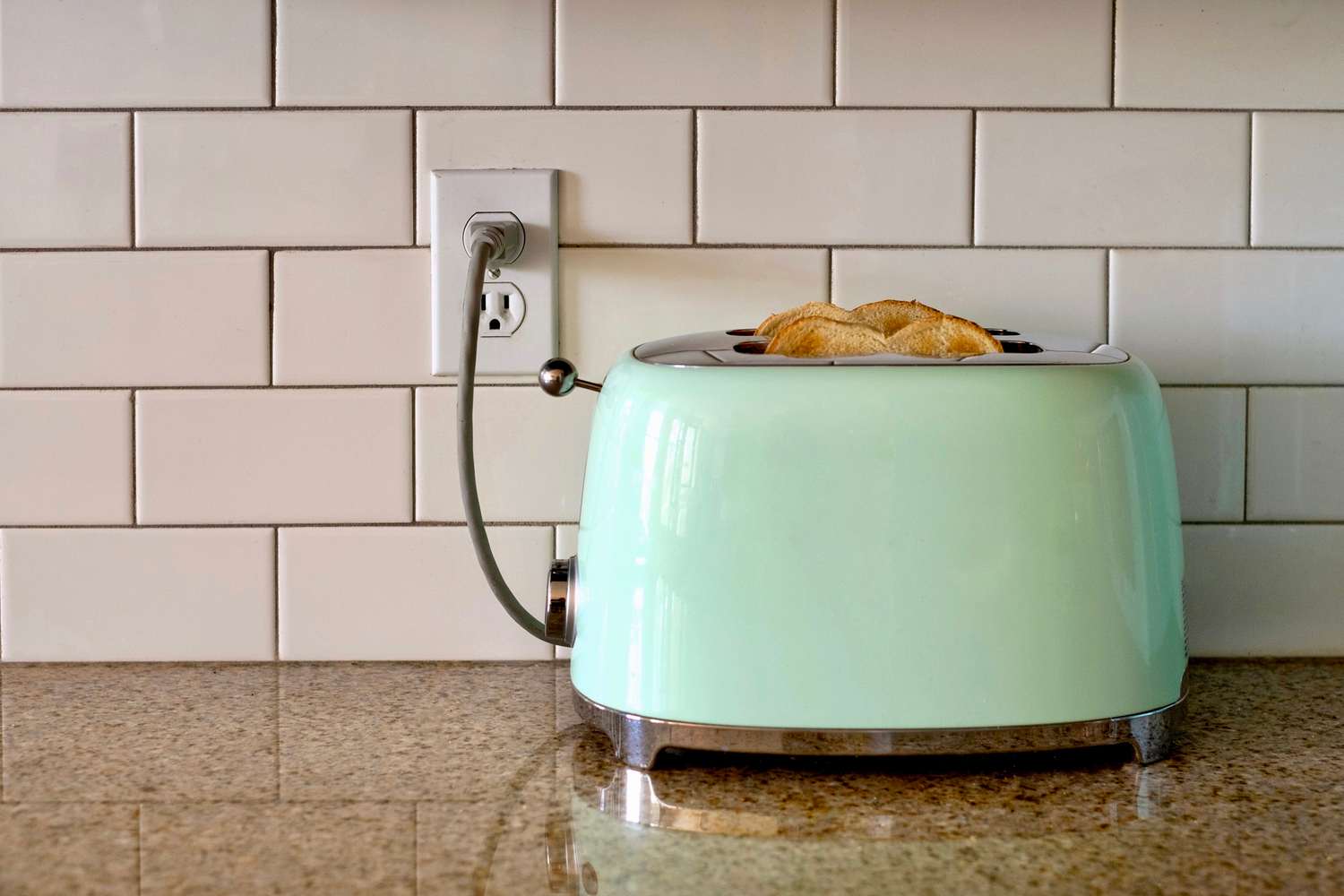
The cost to install an electrical outlet depends on many factors. Find out what impacts the cost of installing an outlet in Boston, MA.

The cost to install a 240-volt outlet in Boston, MA varies depending on the amperage and the home’s current wiring conditions. Use this guide to budget for your next project.

If your circuit breaker trips every time you turn on your washer or dryer, you may need a dedicated circuit. If electrical systems jargon makes your head spin, read this.
Thinking about adding an electrical outlet to your Boston house? Here’s what matters when you’re ready to get estimates and make a plan.

Keep pool-side dreams from getting short-circuited by being aware of pool electrical installation costs in Boston, MA, and how they can affect your overall budget.