
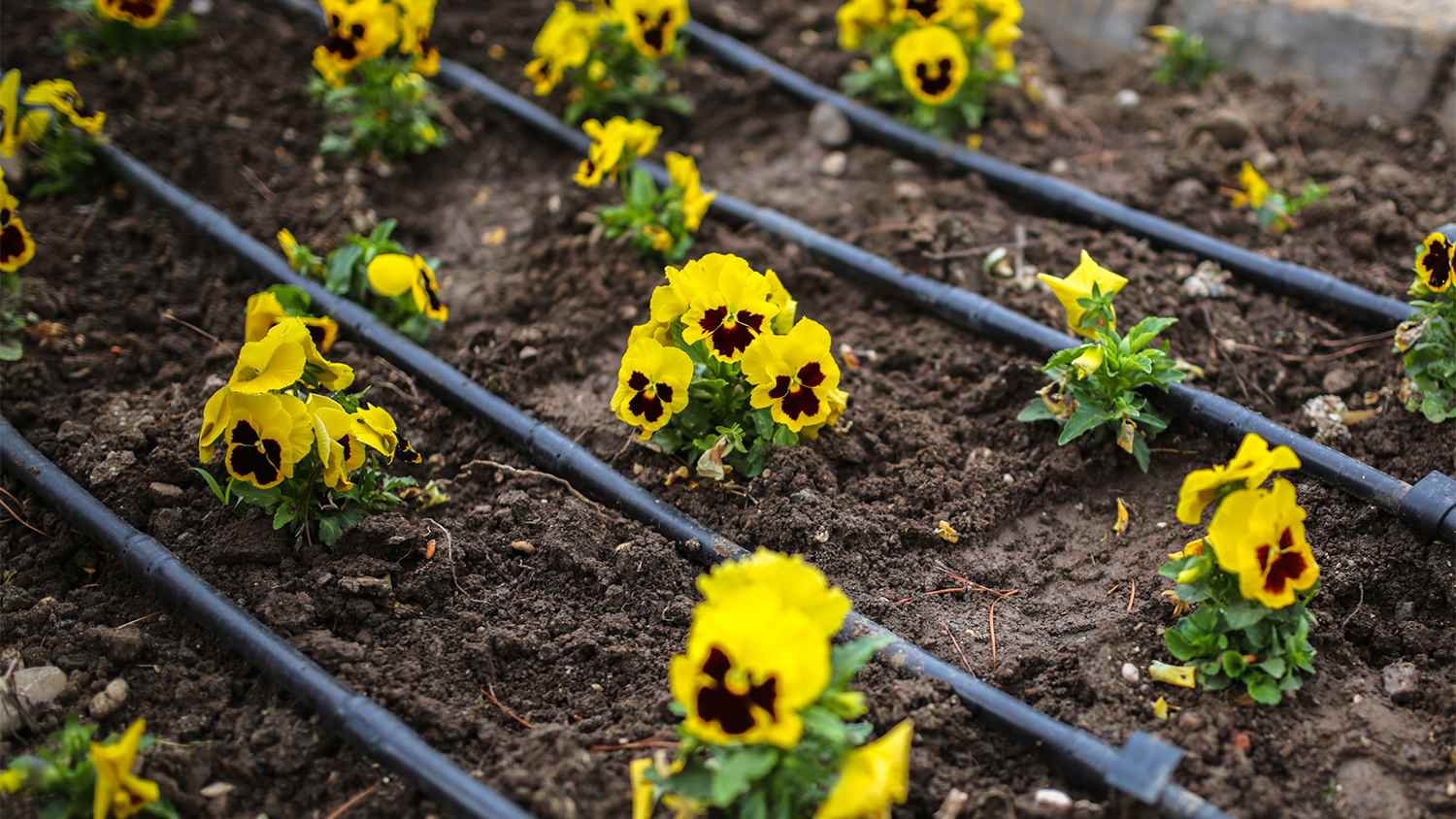
Discover drip irrigation system cost estimates, key price factors, and ways to save. Get transparent pricing to plan your home irrigation project confidently.
Conserve water, save money, and enjoy a lush lawn

If you’re a homeowner looking to conserve water while keeping your grass and plants hydrated, using drip irrigation is a wise choice. Our guide covers how to convert your existing sprinkler to drip irrigation. And we’ll also cover some of the drip irrigation pros and cons.
A drip irrigation system is a system that uses emitters in plastic tubing to slowly but consistently drip water into the root zone of the plants instead of inundating the lawn with water once or twice a day. One of the reasons so many homeowners switch to drop irrigation is it uses 70% less water than regular sprinkler heads, which will lead to lower-than-usual water bills, even in the dead of summer (yes, please). Learning how to install drip irrigation is simple, especially if you already have a sprinkler system installed.
Before converting your sprinkler to drip irrigation, follow these steps to prepare:
Look at a map with the locations of all your sprinkler heads.
Insert caps on the heads you aren’t replacing to prevent water from spraying out and to ensure more even water distribution.
Only run drip irrigation after finishing the conversion because the water flow is much slower and requires more time to water plants and grass.
Pay close attention to watering needs. For single plants, drip emitters work well. Multiple plants warrant a bigger drip manifold.
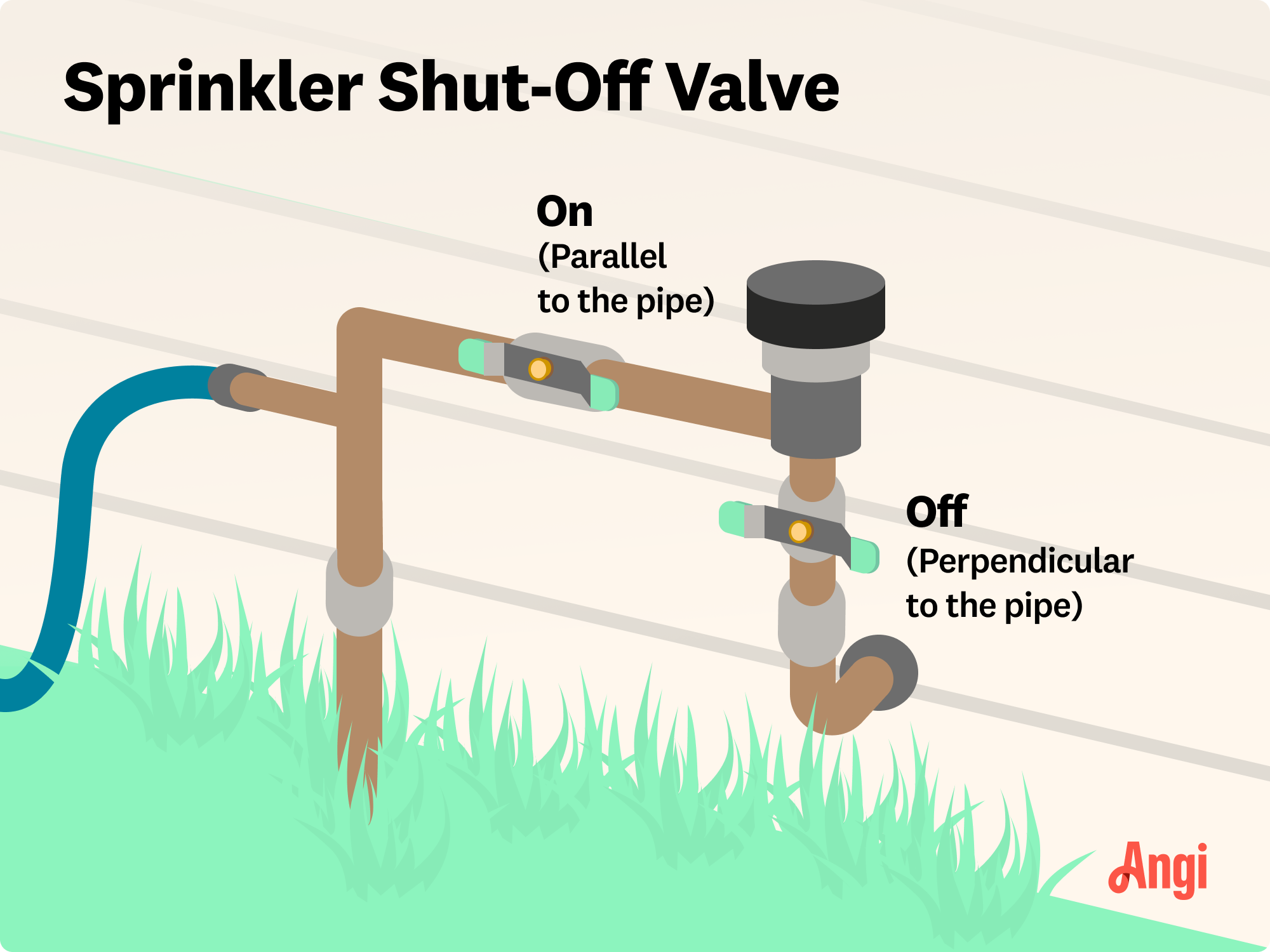
Before beginning the conversion, shut off the water supply to your sprinkler system so that you don’t get soaked while working. You’ll find the shut-off valve by following the water line from the sprinklers over to the side of your house. Typically, most homes have ball valves, featuring a handle. To shut off the water, turn the handle 90 degrees until it stops.
Now, remove each sprinkler head by turning it counter-clockwise until it is removed from the sprinkler head risers. Risers may be buried, requiring you to carefully shovel to expose them. If you experience this, use a coupler and threaded nipple to surface the riser.

Take the sprinkler-to-drip irrigation fitting and connect it to the riser. Also, pay close attention to the size of the pipe threadings—for risers, this tends to be half an inch. Match the fittings with the corresponding fitting for a secure fit. If you don’t have risers, secure the conversion fitting to the plastic tubing.
Unlike sprinkler heads, which can be below the ground’s surface, drip irrigators should be above the ground. If you don’t have risers, buy some to help with alignment. Risers are easy to install into the PVC pipe to direct water upwards and through the fitting.
Once installed and at the height you want, go around and remove the other sprinkler heads you won’t use. If they’re attached to a riser, cap the top off risers. You can also cap the sprinkler heads to ensure they don’t emit water after conversion.
After installation and capping, reprogram your system’s run times. Keep in mind that drip irrigation systems take much longer than sprinklers to water an area because they release water slowly, depending on your emitter’s capacity. If you have a high-flow emitter, it might only take 12 minutes to water an area. Low-flow emitters can take as long as 90 minutes.

Converting a sprinkler to drip irrigation is a simple process that should only take an hour or two. However, if you don’t feel comfortable doing the work, you can consult with your local sprinkler installer. Labor for these kinds of projects will run you $50 to $100 per hour. Hiring a pro may cost you, but you’ll have peace of mind in knowing the conversion is successful.
However, going the DIY route is simple and cost-effective. At most, you’ll spend around $100 for the conversion kit.
Cody did a great job!
 Itzelpainting
Wonderful. I am going to have them remove and replace my driveway in the spring.
 All Star Paving and Sealing
We had a 20+ year old landscape lighting system that needed replacement. Midwest Lightscapes worked with us to design a much improved lighting system, lighting the exterior of the house and the back yard. Installation of the 45 light system took one and one-half days, and went very smoothly....
 Midwest Lightscapes
Did an amazing job transforming my yard. Also installed sod in places, would recommend to everyone.
 Cardinal Landscaping & Construction LLC
Always been satisfied with the service work and how they have taken care of my pool.
Bill Gerhardt sold the company to his employees at the end of 2019, apparently without a workable succession plan and without notifying prospective customers of this fact. Most aspects of the maintenance contract have not been fulfilled: no installation of anual plantings per contract, no...
They show up and they did take us on as a client which seems to be a problem with other lawn care providers. We have multiple properties and this one was located close to downtown and no one really wants to mess with it.
I was very happy with the service provided by AK Irrigation. They responded quickly to my email, and the woman I spoke with was polite and professional. I was able to get an appointment that same week. <br /> The technician (Tyler) arrived on time. He was very knowledgeable, and worked...
 AK Irrigation
The worker came out when he was supposed to come. He informed me he would honor the Angie's List deal, but would not do any more work for me since my son in law owns lawn care company as well, even though they do not do the same type of work. He said he did not feel comfortable giving me...
 Bello Giardino LLC
E & L Lawn Care was super. They were very responsive before and after service. They were efficient and were able to complete the job within 1 day. I have had concern about one section of sod - the owner was pro-active and did a visit to evaluate. I have no doubt they will stand behind...
 E&L lawn care
From average costs to expert advice, get all the answers you need to get your job done.
Discover drip irrigation system cost estimates, key price factors, and ways to save. Get transparent pricing to plan your home irrigation project confidently.
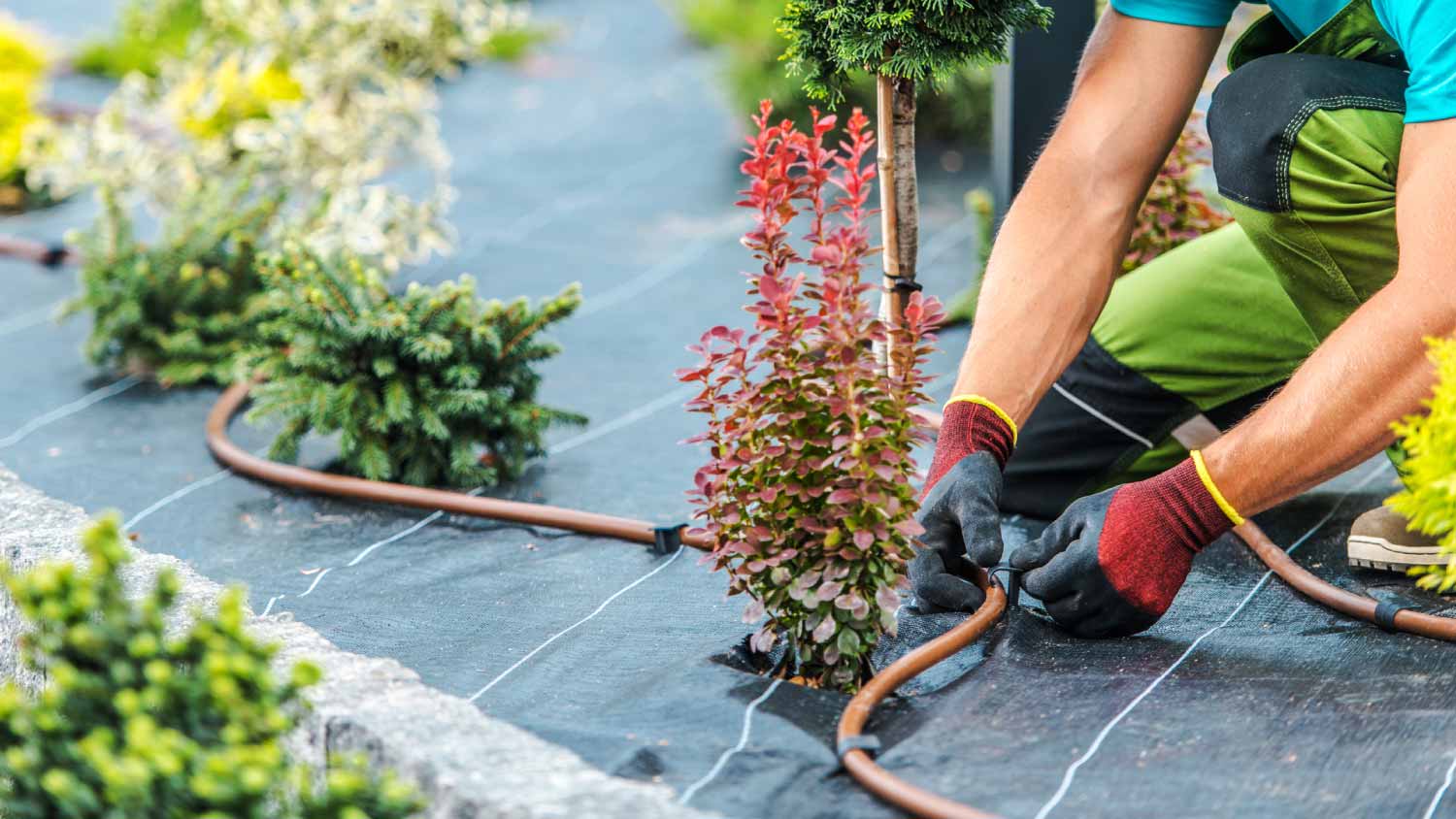
Need an effective solution for watering your garden? Here are four types of drip irrigation systems that can help you nurture your plants to perfection.
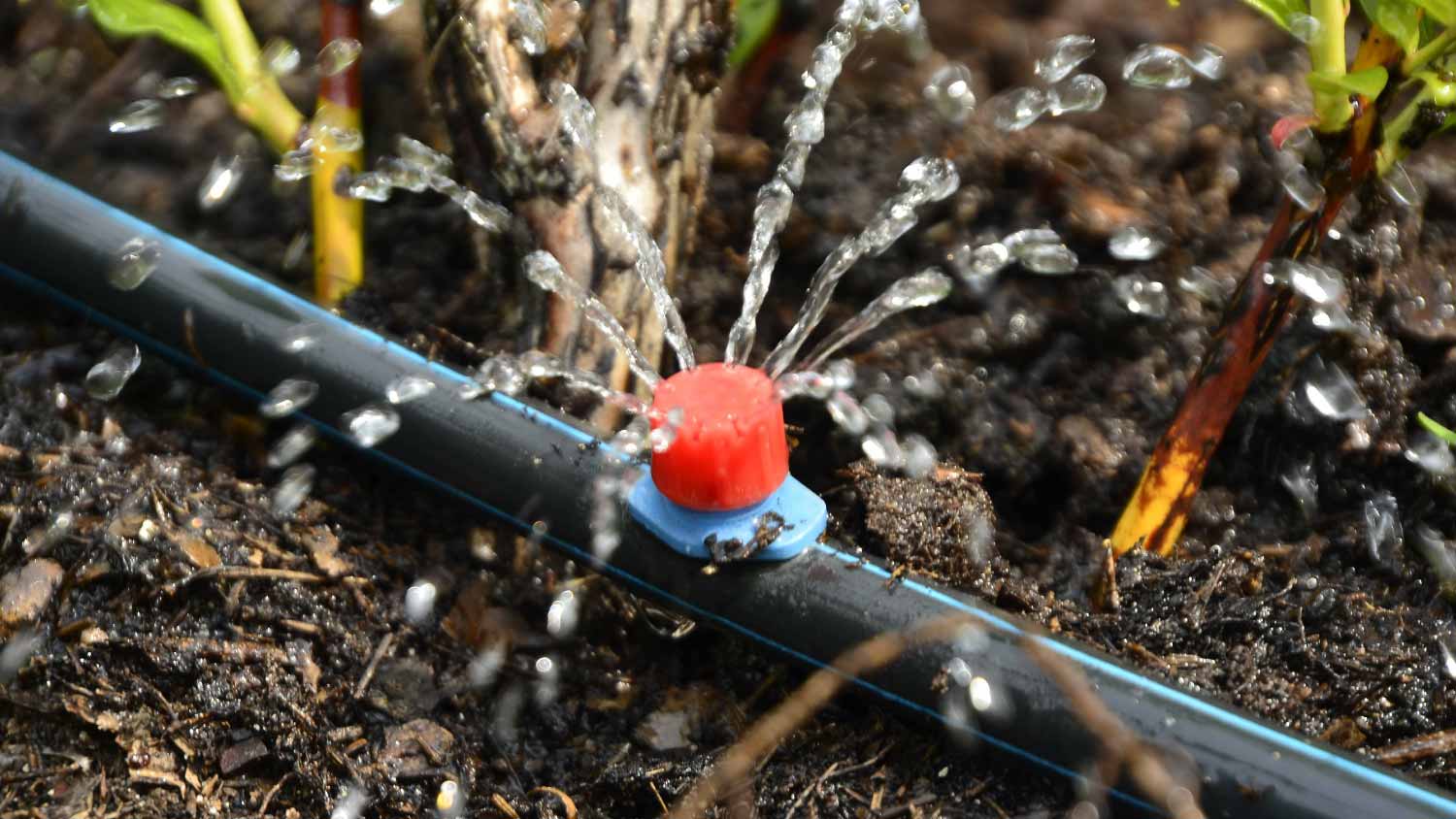
A sprinkler system saves time and money, but what are the pros and cons of a drip irrigation system? Here’s what you should consider.
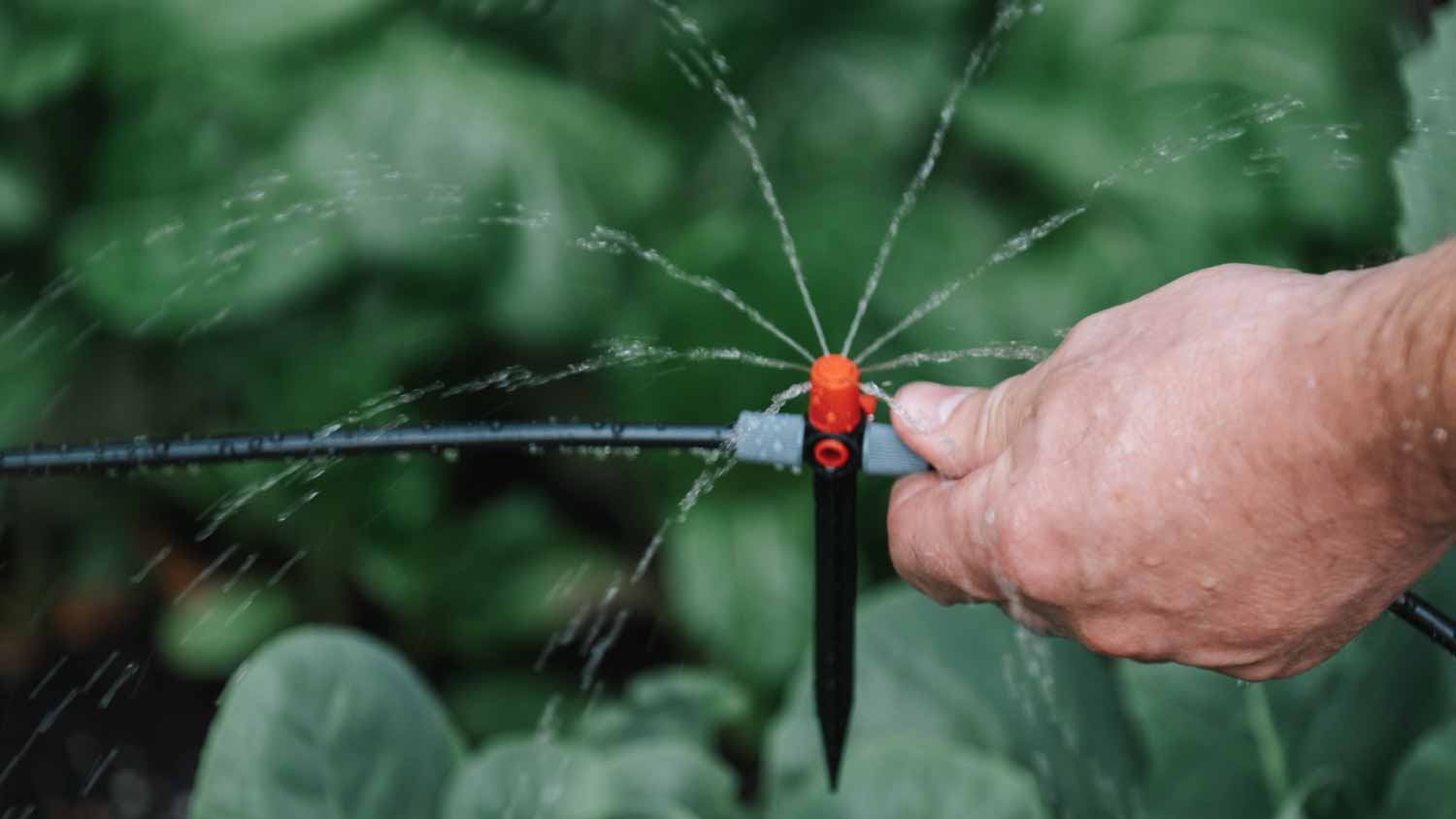
Drip irrigation is ideal if you want to conserve water while keeping your plants well-nourished. So, what is a drip irrigation system and how does it work?
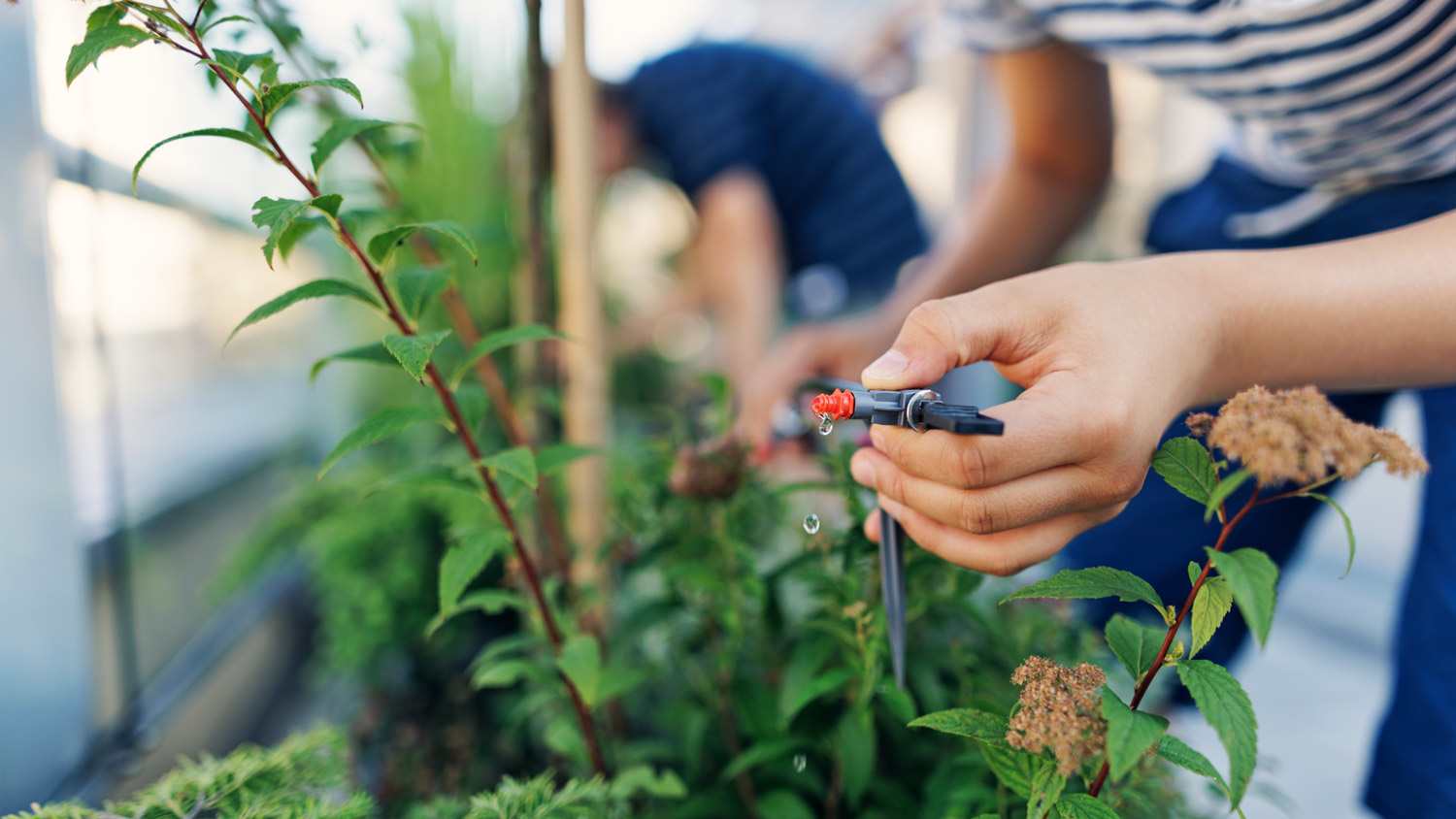
Drip irrigation vs. soaker hose: Which should a gardener choose? Here’s how to tell which of these watering options will work best for your landscaping needs.
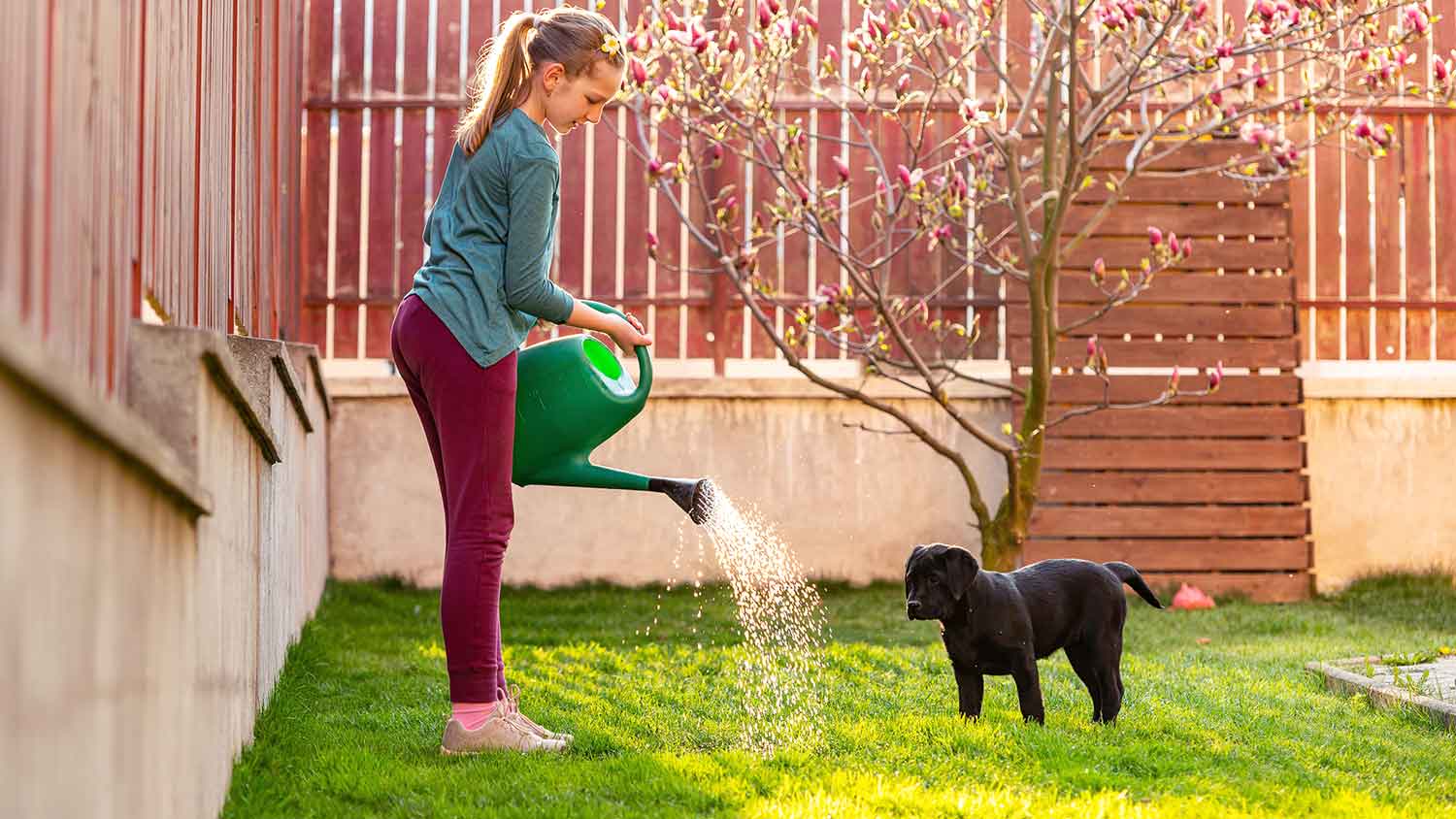
Can you keep your lawn healthy without a costly irrigation system? Absolutely. Learn the best way to water a lawn without a sprinkler system with this guide.