
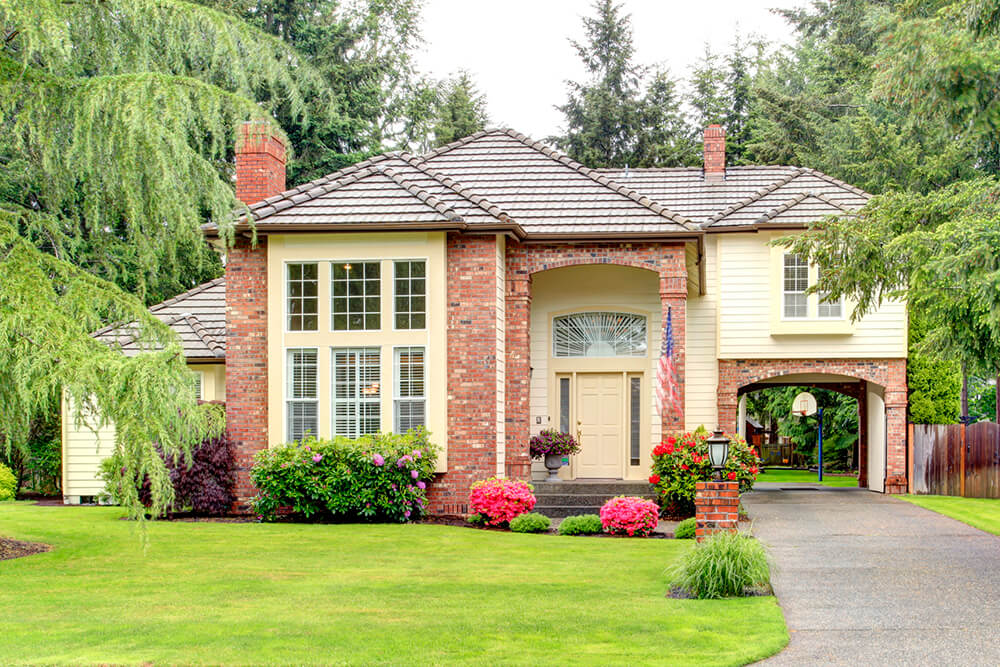
Brick veneer is a popular siding material that can boost your curb appeal. Learn all about how much this siding material costs based on factors like location and type.
Build your dream home brick by brick

Replacing vinyl siding with brick requires checking your home's foundation first, as brick weighs significantly more than vinyl and needs proper structural support.
Expect to pay $12 to $22 per linear foot for brick siding installation, plus $100 to $500 for building permits required for this exterior modification.
Your existing vinyl siding needs complete removal before brick installation, so plan for surface preparation, proper insulation updates, and moisture barriers for lasting protection.
Hiring a local siding professional keeps your brick installation on track with proper foundation assessments and permits, plus expert guidance on structural support needs.
Wondering whether you can replace your home’s siding with brick? The answer is yes, and it’s a great way to boost your home’s curb appeal. No matter whether you currently have vinyl, fiber cement, or any other type of siding, you can hire a local siding contractor to remove and replace it with brick. Use this guide to learn all about the key factors to consider before replacing your siding with brick, including durability, cost, and structural considerations.

The short answer is yes, a local siding contractor can often replace another siding material with brick. However, there are several factors to consider before doing so.
Since brick is considerably heavier than most other siding materials, it’s critical to consult a structural engineer to ensure your home can bear the weight of brick siding. In some cases, you might need a new foundation or additional structural support to accommodate the additional weight.
Building permits are often required for significant exterior modifications, such as updating your siding material. Permit costs vary by location, but they usually cost between $100 and $500. Often, the company you hire to replace your siding will handle the permit process for you.
You also need to ensure that the brick siding adheres to local codes and regulations, so make sure that the company you choose is familiar with local codes, which differ by location, and has a clear plan for adhering to them.
Replacing your siding with brick generally involves removing the existing siding, preparing the surface for proper adhesion, and installing the brick, piece by piece. The brick’s heavy weight, coupled with the precision needed to lay it properly, means that this is a job that’s best left to the professionals.
Brick siding generally has good insulation properties, but you may need to update your existing insulation to work most effectively with this new material. Additionally, if you live in an area with lots of moisture, it’s important to seal the brick and create proper drainage to prevent water damage.

Replacing your siding with brick can bring many benefits, but there are some drawbacks to consider as well. Here’s a breakdown of the pros and cons to help you make an informed choice for your home.
Highly durable
Long lifespan
Low maintenance
Classic appearance
Energy efficient
Potentially reduces outside noise
Expensive
Requires a strong foundation
Limited aesthetic options
Time-consuming installation
Expensive and difficult to repair
Brick is just one of several siding materials, so it’s helpful to consider the differences between brick and other materials before booking a siding replacement.
Brick is exceptionally durable and tends to last significantly longer than other siding materials. It’s also highly fire-, weather, and pest-resistant. The durability of other siding materials heavily depends on the material. Vinyl siding is fairly resistant to weathering and decay, but it’s more easily damaged by impact and extreme temperatures than brick.
Meanwhile, wood siding offers a classic appearance and more durability than vinyl, but it’s also fairly expensive, high maintenance, and susceptible to rot.
Aside from stone, brick siding costs the most to install, ranging from $12 to $22 per linear foot. Meanwhile, vinyl siding typically costs between $5 and $11 per linear foot, while wood costs $5 to $15, and aluminum and steel siding costs between $5 and $9 per linear foot.
Brick is among the most low-maintenance siding materials you can install. Its exceptional durability and weather resistance mean that you almost never need to maintain it aside from an annual cleaning and the occasional mortar repair.
Other siding materials usually require more maintenance. For instance, wood siding requires regular painting and staining. Vinyl siding doesn’t usually require new paint, but it tends to accumulate dirt, algae, and mold, which calls for regular cleanings and, in some cases, replacements.
Brick offers a classic, timeless appearance that many people value, so updating your siding to brick can boost your home’s curb appeal and increase its value to potential buyers. However, other siding materials offer more variety in terms of appearance. For instance, vinyl siding comes in many more colors and sizes than brick.
The guys at PaveWay are top notch. From the estimate to the job being completed,all was done in a timely and professional manner. I myself was a DOT Engineer Inspector(know what to look for) and got to talking with Cameron and he himself was a Contract inspector for a few years,same job as...
 All Star Paving and Sealing
I highly recommend KTM construction! I will look no where else for anything that needs to be done, in or out side of our property. The level of craftsmanship is 5 star service across the board! The level of detail, knowledge and professionalism is 5 star service across the board! Ken is a...
 KTM Construction, LLC
I purchased the "Big Deal": $199.00 for exterior pressure-washing of one- or two-story home up to 2,000 square feet. They cleaned the siding only. I wasn't aware when I bought the Big Deal that they would not do any other surfaces other than the siding (i.e. sides of the gutters or stucco). I...
 Complete Home Services
This brownstone is historical and the carpentry work is very detailed. I was very happy to secure a company in NY and living in OH to complete the request. Wood work on this brownstone has been existing since approximately 1888 and West side did a GREAT JOB. I will not be able to...
 Westside Home Improvement
Nice group of workers, very friendly. Day 1 covered everything before starting, seemed very organized. Things seemed to be going great. Day 2 they didn't show up until around 10:00a.m. and work crew was cut in half, was told they had another job. Day 3 they didn't show up until around...
 CertaPro Painters of Columbus
The work went great! Couldn't ask for better. Joel set a work start date. About the time of the storms that may have been associated with Sandy. He was half a day late. They set up on a Thursday. On Friday they had a full crew at work. By Monday they were finishing up. Now, the best...
 NJW Construction
A few months ago, a tree branch fell across my car, leaving a series of dents across the hood and driver's side fender. I took it to Rife's after reading the Angie's List reviews. Rife's did a great job! My car looks like new. And they made the process as easy as possible. When I came in...
 Rife's Autobody Inc
I received an email from Angie's List offering Car Detailing 4 U's services for $99. Coming from Angie's List, I expected this to be a highly dependable and qualified company that was known for doing exceptional work. I set the appointment for them to come to my home. They were arrive at...
We first had Mark fix the back patio and liked his work so much we had him make a brick patio on the side of the house. When we decided to change our concrete walkway to brick, we wanted Mark to do the job because his prices were fair and he did such good work on t he other two projects.
 Mark Monnette Masonry
I was very pleased with the cost and end result. I truly expected this job to cost me 50% more than it did. When you factor quality and cost, I would highly recommend Mark's services and plan to use him in the future. The best part was, I asked Mark to match the paint color in one section...
 Fresh Touch Custom Painting Inc.
From average costs to expert advice, get all the answers you need to get your job done.
Brick veneer is a popular siding material that can boost your curb appeal. Learn all about how much this siding material costs based on factors like location and type.
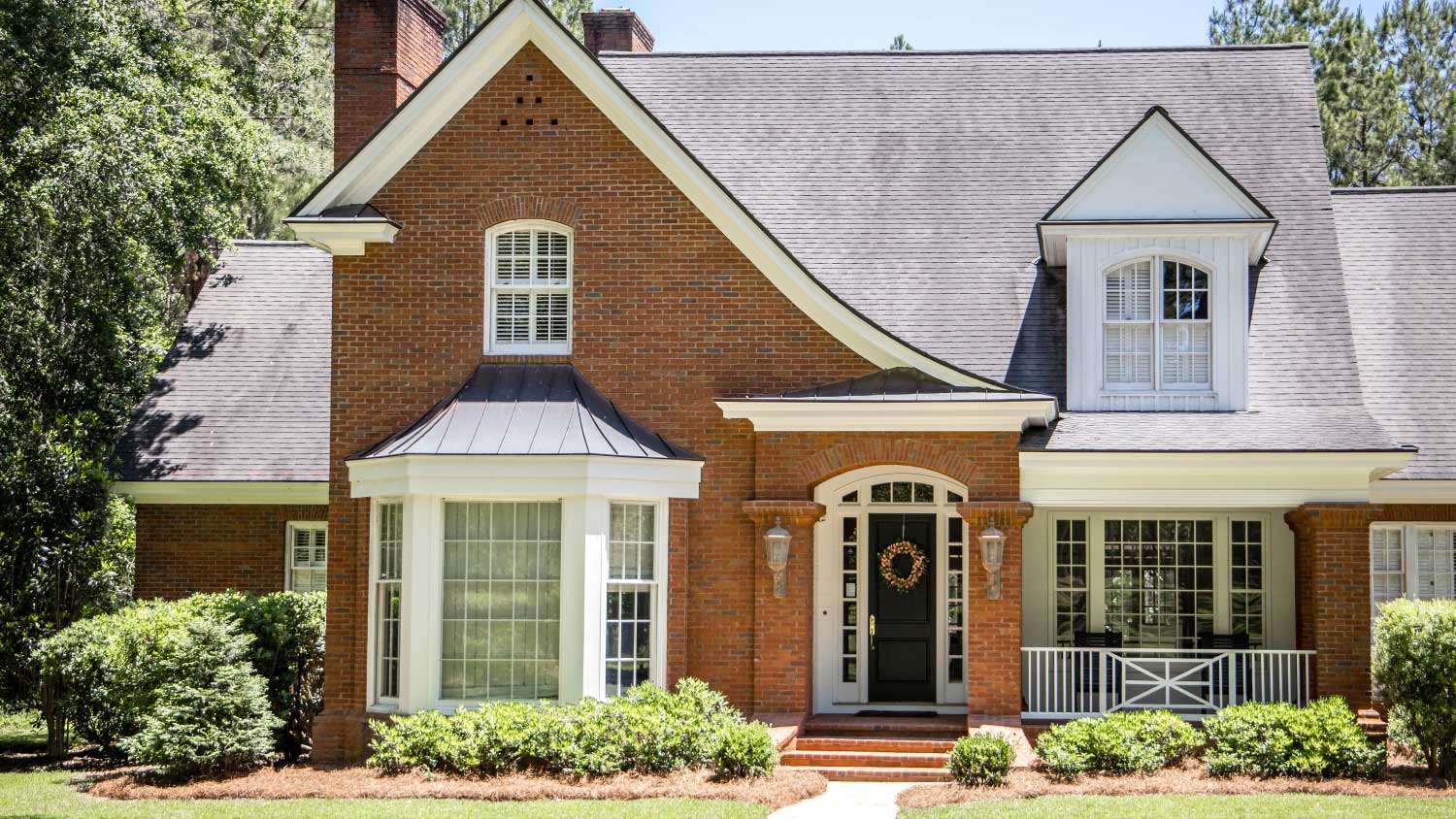
The cost to replace brick front steps depends on the type of brick, square footage, pattern, and more. Learn how much you may spend on this project.
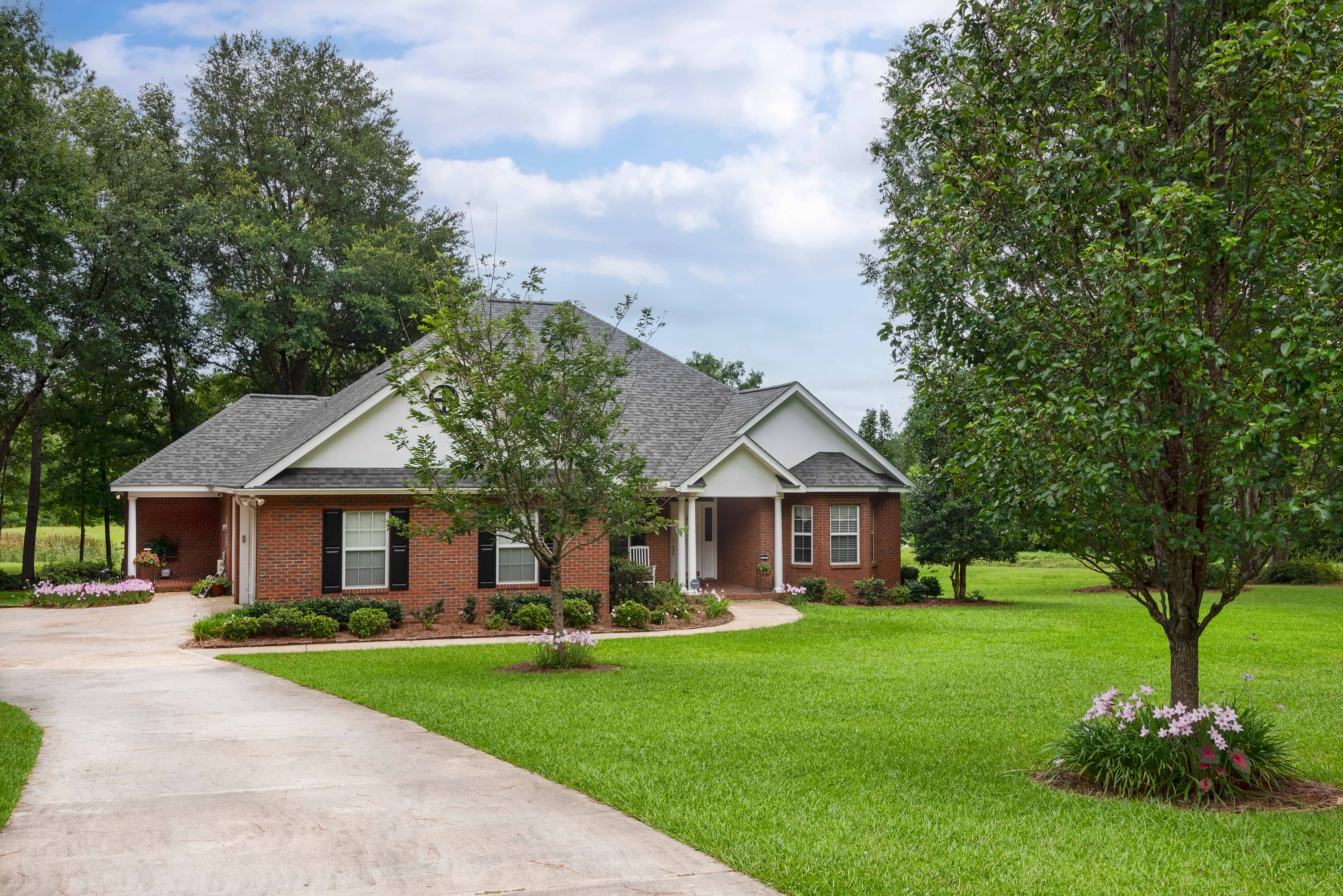
The cost to brick a house depends on several factors, like labor costs, home size, and brick types. Use our guide to estimate your bricking costs.

Can you put siding over brick? In many cases, yes. Our guide walks you through when and how—and when you shouldn’t.
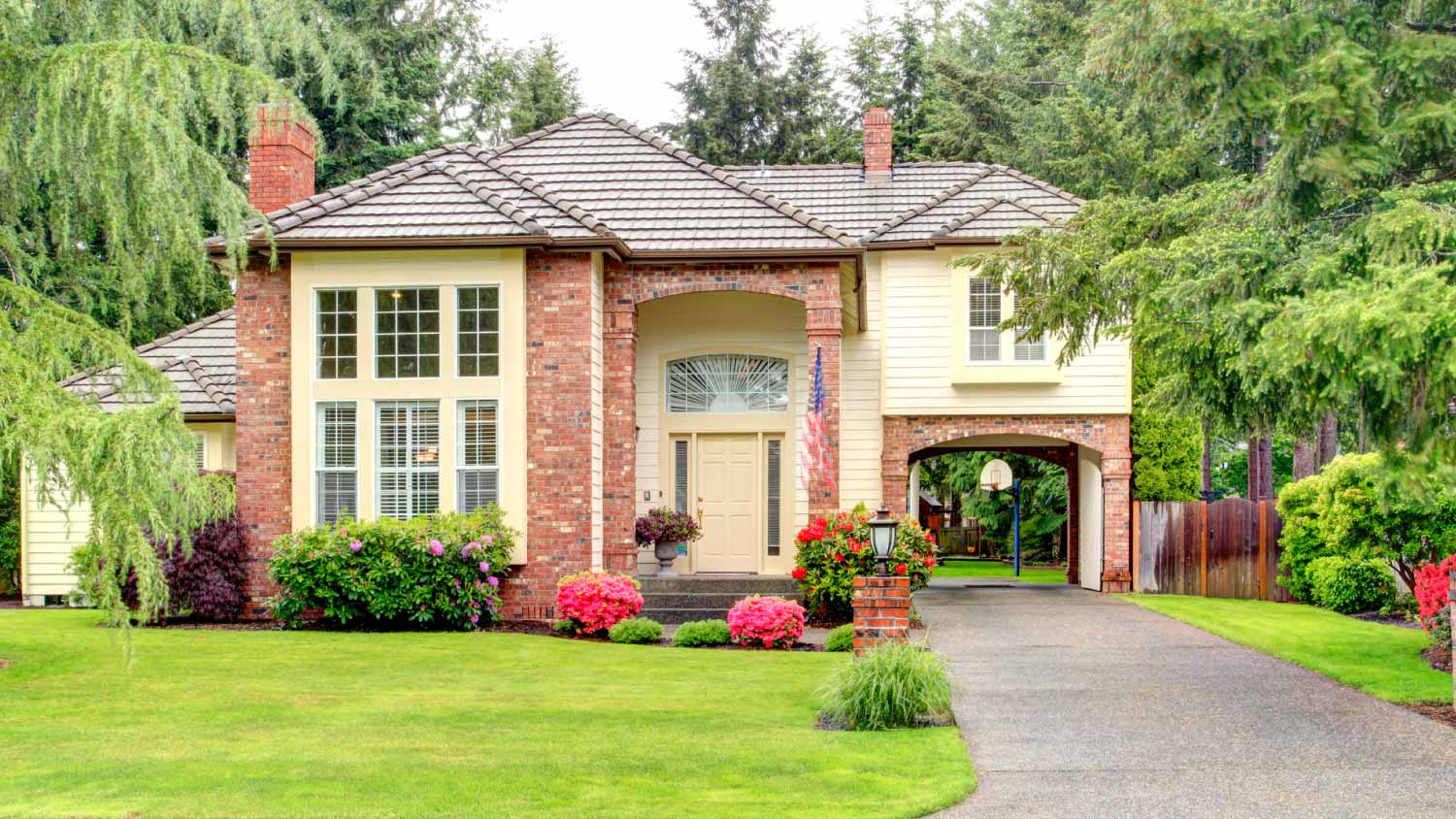
Which type of veneer is best for your home: stone vs. brick siding? We’ll explore the pros and cons of both.
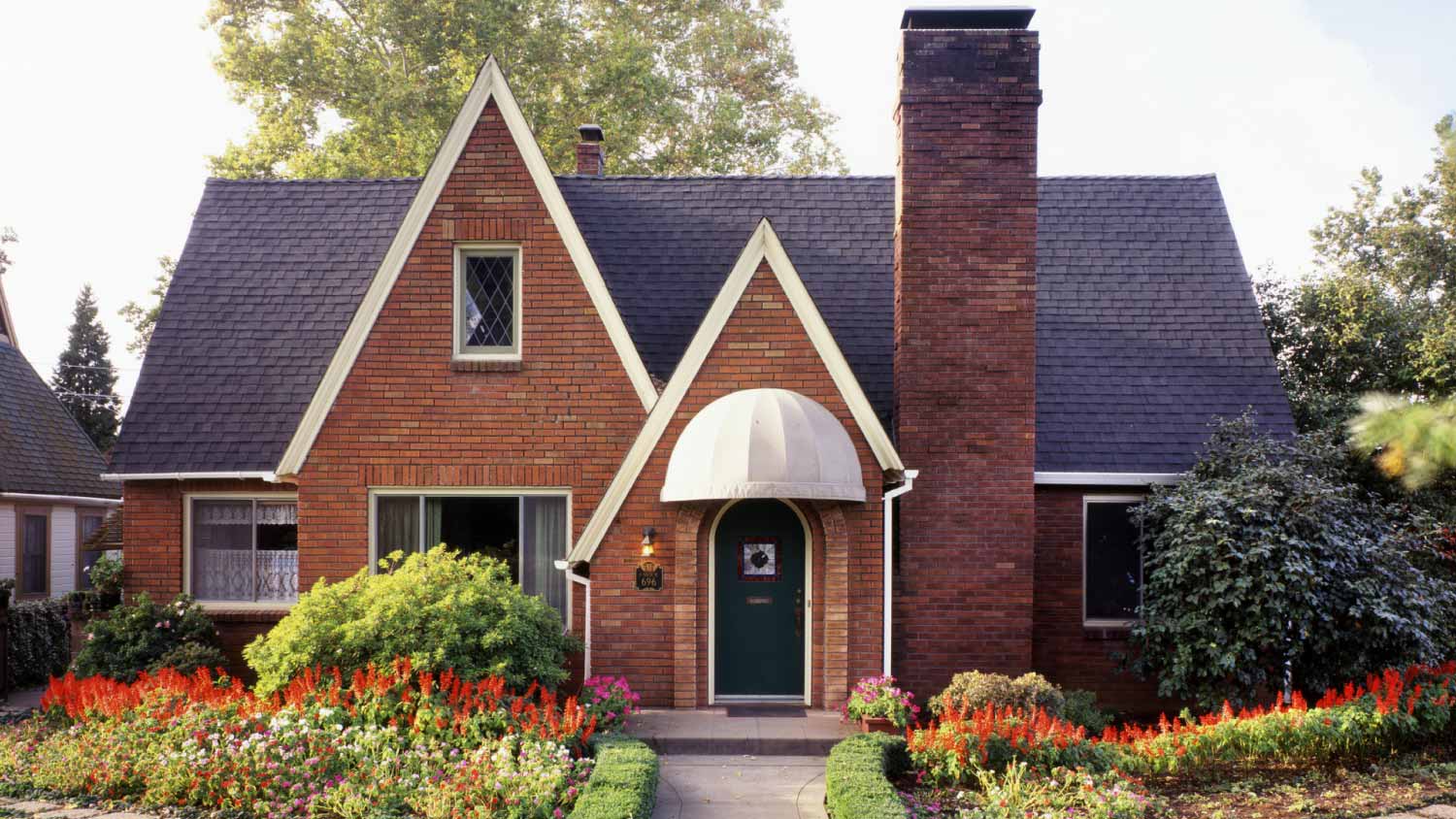
Not sure who to hire to do brick or stone siding? Learn when to call a mason, which pros handle installation, and take the next step with confidence.