
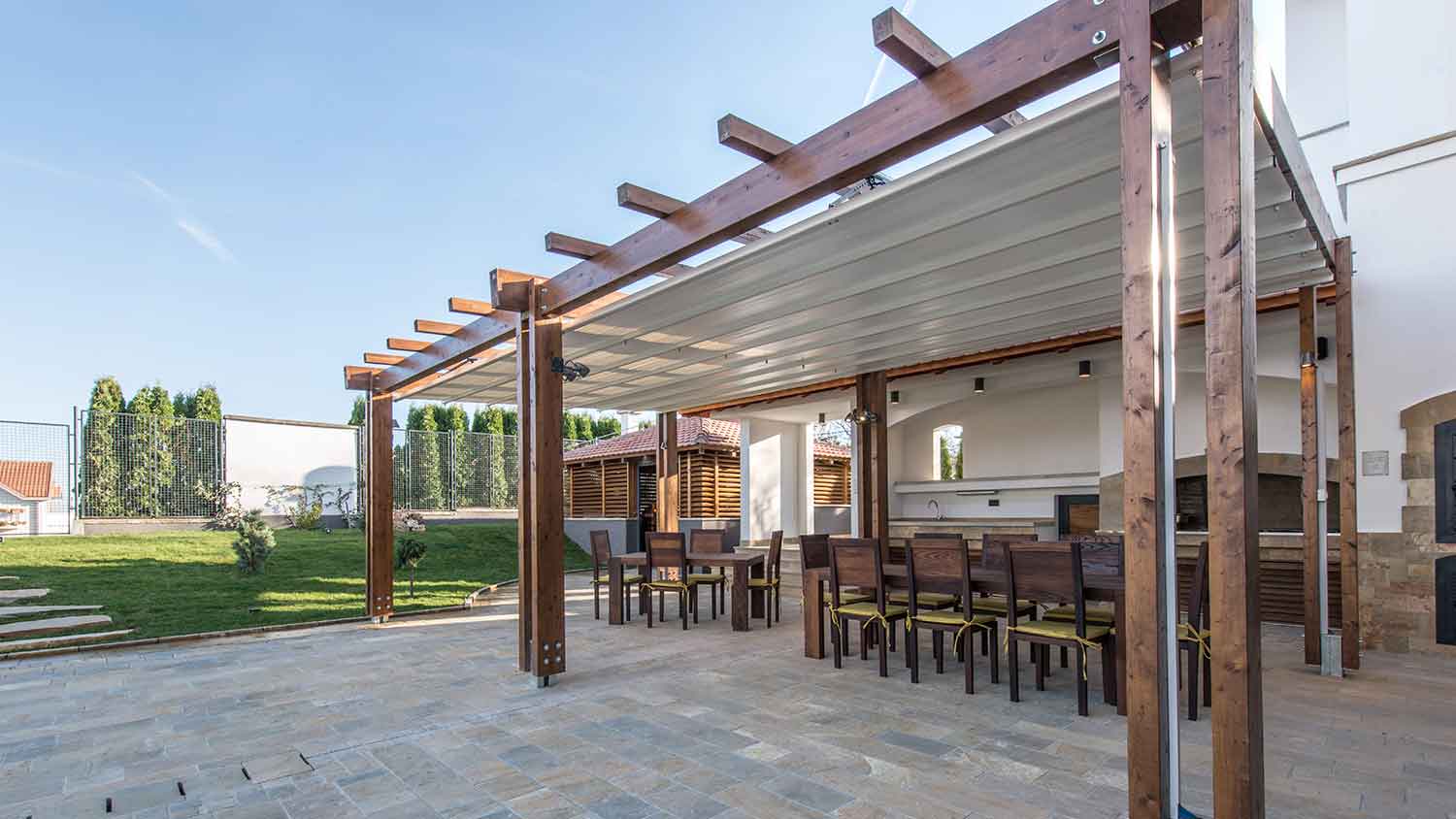
Thinking of adding a pergola to your backyard space? Find out motorized pergola costs by size, material, and add-on features with this guide.
Not to throw shade, but these woods are your best options for this project

Western Red Cedar and redwood offer the strongest wood pergola construction with natural oils that resist rot and insects, giving you decades of durability.
Cedar pergolas last 15 to 20 years, while redwood extends that to 20 to 40 years, helping you plan for long-term outdoor enjoyment.
Your climate plays a key role in wood selection, as humid areas benefit from cedar or redwood while dry regions work well with Douglas fir.
Hiring a local pergola professional removes guesswork from wood selection and installation, matching the right material to your budget and climate for lasting results.
A pergola can offer you a bit of respite from bright, hot sunshine or cool rain showers while also making your backyard space feel more complete. But when you’re considering building a pergola for your deck or patio, how do you know what material is right for the project? Wood is one of the most common options, especially for DIYers. Here are the best woods for a pergola.
| Wood Type | Life Span in Years |
|---|---|
| Western Red Cedar | 15–20 |
| Redwood | 20–40 |
| Douglas fir | 10–35 |
| Oak | 15–40 |
| Southern yellow pine | 10–40 |
| Teak | 30–40 |
| Ipe | 25–75 |

Western Red Cedar is one of the best woods for outdoor pergolas and other structures, like decks or even siding for your home or garage. Found in the Pacific Northwest, this wood is long-lasting thanks to its natural oils, which help make the material more resistant to rot and insect infestations.
Western Red Cedar has a relatively soft surface that can be vulnerable to scratching or denting, so be careful when building with this wood to not damage it in the process. But on the plus side, it has a beautiful color, even after years of wear. Cedar is also easy to paint or stain and seal if you want a look that’s more unique to you and your home.
One thing to keep in mind, though, is that the natural oils that make this type of wood so durable against decay and pests can also cause staining when in contact with iron nails. Instead, pergola installers will use adhesive or stainless steel nails when building a wood pergola with cedar.
| Pros | Cons |
|---|---|
| Easy to stain or paint | Higher cost |
| Insect- and rot-resistant | Easy to scratch or dent |
| Long-lasting | Can’t use iron nails |
Best for: Areas with extreme weather

Similar to Western Red Cedar, redwood is a long-lasting and naturally insect- and rot-resistant type of wood that is great for pergolas. Its natural deep, reddish tone is highly sought after for woodworking projects, including pergolas. Because of its attractive look and high durability, keep in mind that pergola costs will be higher if you opt for redwood.
While worn redwood still looks great and can be stained or painted, regular cleaning and annual sealing are important if you want to keep your redwood looking fresh. Again, a professional installer will have to build the structure using epoxy-coated outdoor screws. Otherwise, the metal screws may interact with the oils in the redwood, which can change the color or cause staining.
While redwood is beautiful for a pergola and less vulnerable to insect damage and rot, one thing to keep in mind is that this type of wood is more difficult to obtain since it comes from a vulnerable and protected species of wood. That means it can be more expensive and less sustainable than other types of wood.
| Pros | Cons |
|---|---|
| Attractive appearance | Higher cost |
| Insect- and rot-resistant | Less sustainable |
| Unlikely to warp | High maintenance |
Best for: Humid climates

Douglas fir trees are native to North America, making them a more budget-friendly wood for pergolas. Because they are widely available, Douglas fir trees also provide a more sustainable option for wood.
Douglas fir wood can come in many tones, including yellow, light brown, or even red that will turn to a more gray color over time. But keep in mind that if you’re hoping to change the look with wood stain or paint, Douglas fir is porous and won’t take finishes as easily as other woods, like cedar.
Douglas fir is fairly lightweight compared to its incredible strength, which makes it great to build with. Just be careful not to scratch or dent this softwood while constructing your pergola, or make sure to hire a pro for an expert’s touch. Once your Douglas fir pergola is installed, seal it as soon as possible. You’ll want to reseal it annually, as this type of wood can be vulnerable to insect damage.
| Pros | Cons |
|---|---|
| Strong and sturdy | Hard to stain or paint |
| Less expensive | Vulnerable to insects |
| More sustainable | Easy to scratch or dent |
Best for: Dry climates

European green oak is one of the best woods to use for pergolas for many reasons. If you want something that requires very little maintenance, holds up well against moisture and pests, and is incredibly strong, oak is a good choice for your pergola.
This type of wood comes in brighter, light yellow to light brown tones that turn silver over time. Fortunately, you won’t need to constantly finish this wood, either, thanks to its natural rot- and insect-resistant properties.
There are some things to consider before you start building a pergola with oak, though. A wood this easy to maintain and this durable comes at a higher price than some other types of wood, like Douglas fir.
Especially for beginner DIYers, oak can be challenging to work with. Fresh oak can be prone to cracking, especially when you try using tools on it. It’s also heavy, meaning you should leave constructing an oak pergola to a local pergola contractor to avoid improper installation or injury.
| Pros | Cons |
|---|---|
| More resistant to moisture | Harder to work with |
| Low-maintenance | Heavy |
| Strong and durable | More expensive |
Best for: Humid climates

When used for pergolas, pine is typically pressure-treated for added durability. This process adds chemical preservatives to make the pine less vulnerable to decay and pest damage. Pressure-treated wood can be a good option for outdoor structures like pergolas, but if you opt for southern yellow pine, note that you won’t be able to paint over the natural yellow- to green-toned wood for at least a few months after construction, as the lumber needs to fully dry out first.
Pressure-treated wood is popular because it comes at a lower price point than some other woods, like cedar, redwood, or tropical hardwoods. This wood is also easy to work with, making it more accessible for DIYers who want to build a pergola for their home.
A pressure-treated pine pergola will require a lot of maintenance, including regular power washing and finishing, to maintain its resistance to pests and moisture. If you live somewhere humid, plan to seal your pergola about once per year to extend the life span of the pressure-treated wood.
| Pros | Cons |
|---|---|
| Lower cost | High-maintenance |
| Easy to work with | Must wait to stain or paint |
| Versatile | Vulnerable to warping or splitting |
Best for: Dry or humid climates

Naturally resistant to moisture and even pests, teak is a tropical hardwood worth considering for a pergola. Teak is durable and less likely to split compared to other pergola wood options, such as pressure-treated pine. Thanks to the high amount of natural oils in teak, it works well in environments with high humidity or a lot of rain.
To keep teak in its prime, you’ll need to oil or reseal it frequently, about once per year. This higher maintenance, in addition to the higher upfront cost of teak, means this is one of the more expensive material options for a pergola.
Part of the reason for its high cost, aside from its highly coveted properties, is that teak takes a long time to mature. It can take about 60 years before the teak can be harvested, so availability for this hardwood may be limited.
| Pros | Cons |
|---|---|
| High moisture resistance | Higher cost |
| Less likely to split | High maintenance |
| Durable | Limited availability |
Best for: Humid climates

Ipe is a type of tropical hardwood from trees found in Central and South America. It’s highly durable and naturally insect- and rot-resistant. This wood also has more resistance to fire than many other woods and has earned a Class A fire rating (that doesn’t mean it can’t catch fire, though, so be careful with open flames beneath or around your pergola).
Ipe wood can feature a variety of rich, brown tones that vary from beam to beam, and this wood isn’t easy to paint or stain. If you’re looking for a uniform color, consider a different wood for your pergola. Otherwise, the varying tones of ipe can offer a unique look, perfect for creative pergola ideas.
Some ipe tree species are considered vulnerable to or threatened with extinction, though, and sourcing the wood may require clearing rainforests. Working with a trusted pro can come in handy if you choose ipe wood, as they can help determine if the wood is being sourced responsibly and often have reliable retailers on call.
Editor’s note: Three genera in the ipe family (Handroanthus, Roseodendron, and Tabebuia) have officially been submitted for the CITES Appendices of endangered species. Their inclusion goes into effect in November 2024, after which trade of ipe will be more strictly regulated and prices will likely increase.
| Pros | Cons |
|---|---|
| Class A fire rating | Higher cost |
| Insect- and rot-resistant | Difficult to work with |
| Durable | Less sustainable |
Best for: Humid climates
One of my old tall evergreen trees was suddenly leaning toward the busy street in front of my house. I submitted a request for an emergency tree inspection, and Alejandro, owner of Cajete Tree Service, contacted me immediately and arrived to look at it just 20 minutes later. We agreed the...
 Cajete Tree Service LLC
Mitchell and the crew were top tier i am so happy with my new roof
 Home Genius Exteriors
1 tree was cut down and 5 others including a large willow tree were trimmed. The Grant Tree Service men were professional and cleaned up afterwards. The cost of the 6 trees were affordable. I am very happy with the results. I would hire them again.
 Grants Tree Service
Archie did a good job cleaning up the driveway before he laid down the sealer. It looks good. He was gracious and even helped me bring up my groceries. His rate was comparable to another company who came out to give me a quote and he talked to me personally rather than just text me a quote...
 Pro Seal Roofing & Paving
We have bought and sold numerous times over the past 50 years. Sherman Hall and Top Line are top notch. Thorough and detailed, he explains every possibility, probability, and eventuality. High class and pleasant. The best.
 Top Line Home Inspections, LLC
D1 Roofing delivers outstanding service from beginning to end, backed by a strong warranty and expert teams. I highly recommend them for their excellence in meeting and surpassing expectations with unmatched communication. Choosing D1 Roofing was flawless decision
 Division 1 Roofing LLC
Supreme Brick & Chimney did an excellent job restoring the brick and mortar joints on my home. Their team was professional, knowledgeable, and completed the work on time. I highly recommend them and will hire them again in the future! Thanks!
 Supreme brick & chimney
Window Depot did an amazing job on my deck. I wasnt sure what I wanted to do, but their composite decking was affordable and will last a long time. I am excited to have family over, and I am no longer embarrassed by my backyard. Jeff and the ground crew were polite, respectful, and caring for...
 Window Depot USA of Central Ohio
We were having 2”x 2” tile installed . There was a small installation error and the new additional replacement tile was from a different lot and the colors didn’t match. Joe assured us that he would rectify everything , which he did without hesitation. We decided to go with the 18” x 36” tile...
 CarifaTile
Maple Tree Service should serve as a mentor for other business! Customer service was superior and beyond expectation. Response to request was prompt. The representative was very courteous and proud of the company. Quote was given during initial visit and work date established. A follow up...
 Maplewood Tree Service
From average costs to expert advice, get all the answers you need to get your job done.
Thinking of adding a pergola to your backyard space? Find out motorized pergola costs by size, material, and add-on features with this guide.
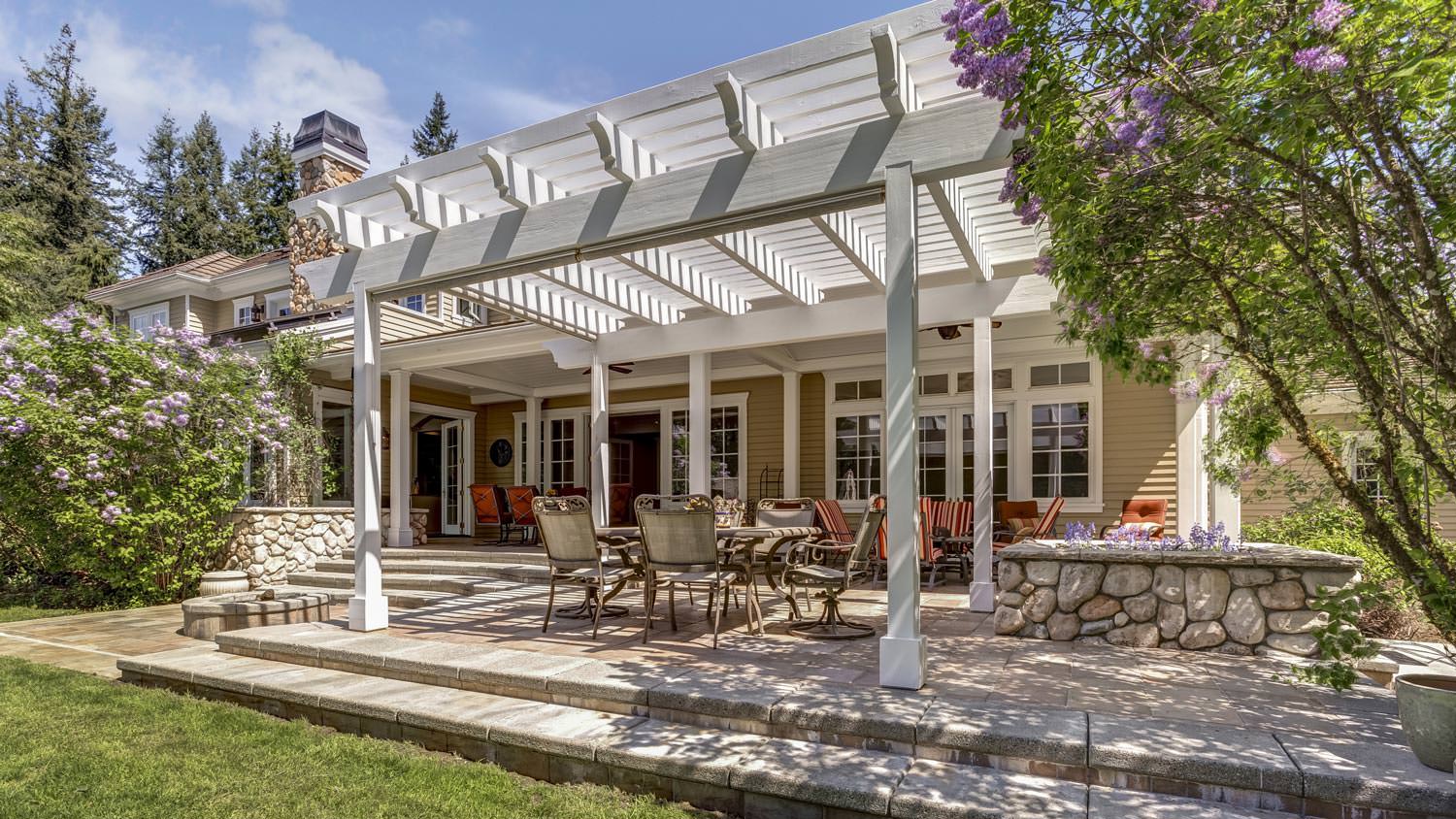
Is installing a pergola in your backyard renovation budget? Learn about the average cost to build a pergola, as well as ways to make it more affordable.
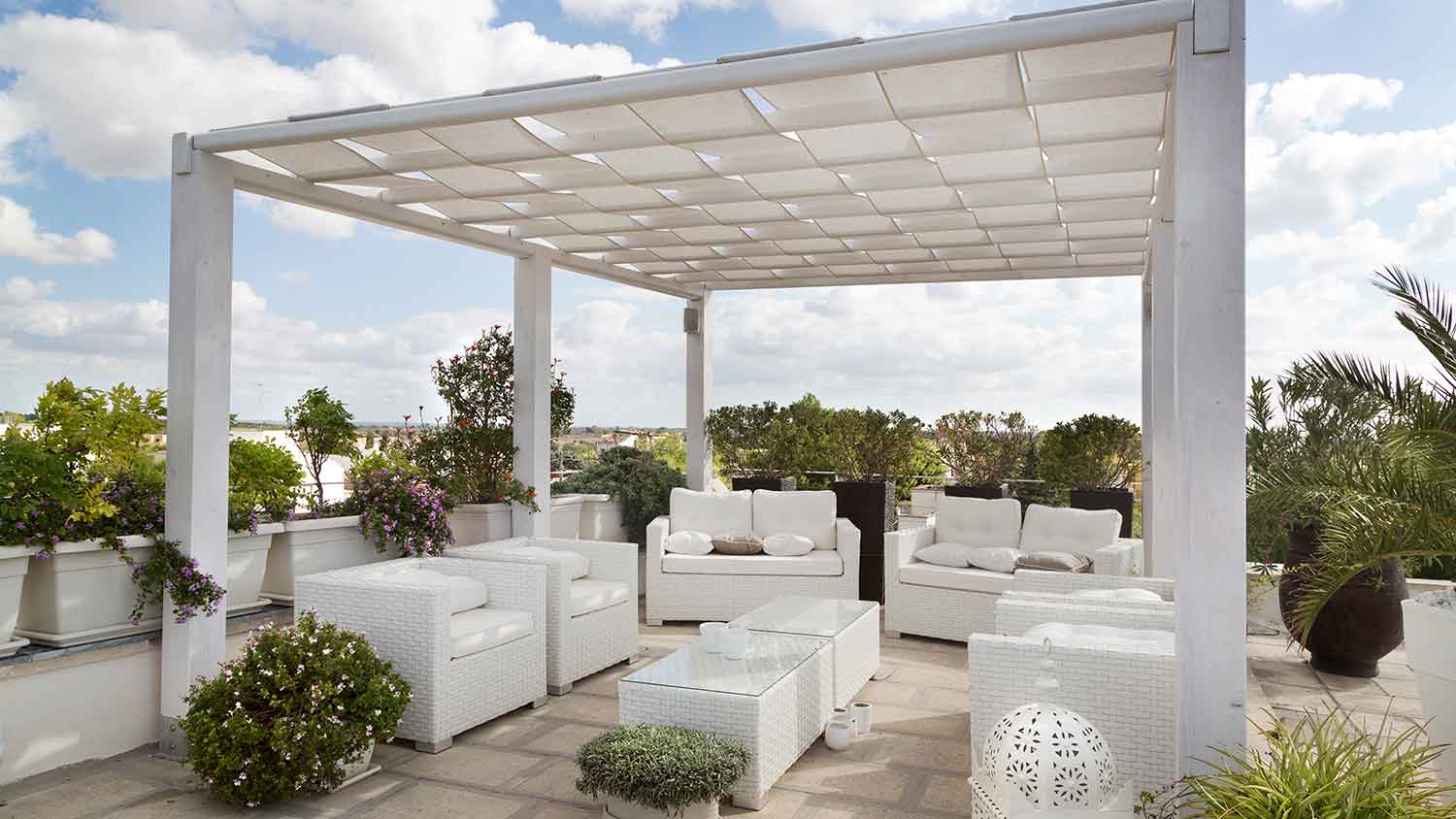
If you’re looking to upgrade your outdoor living space, a pergola is a great feature. We discuss five types of pergolas as well as the best materials to use.
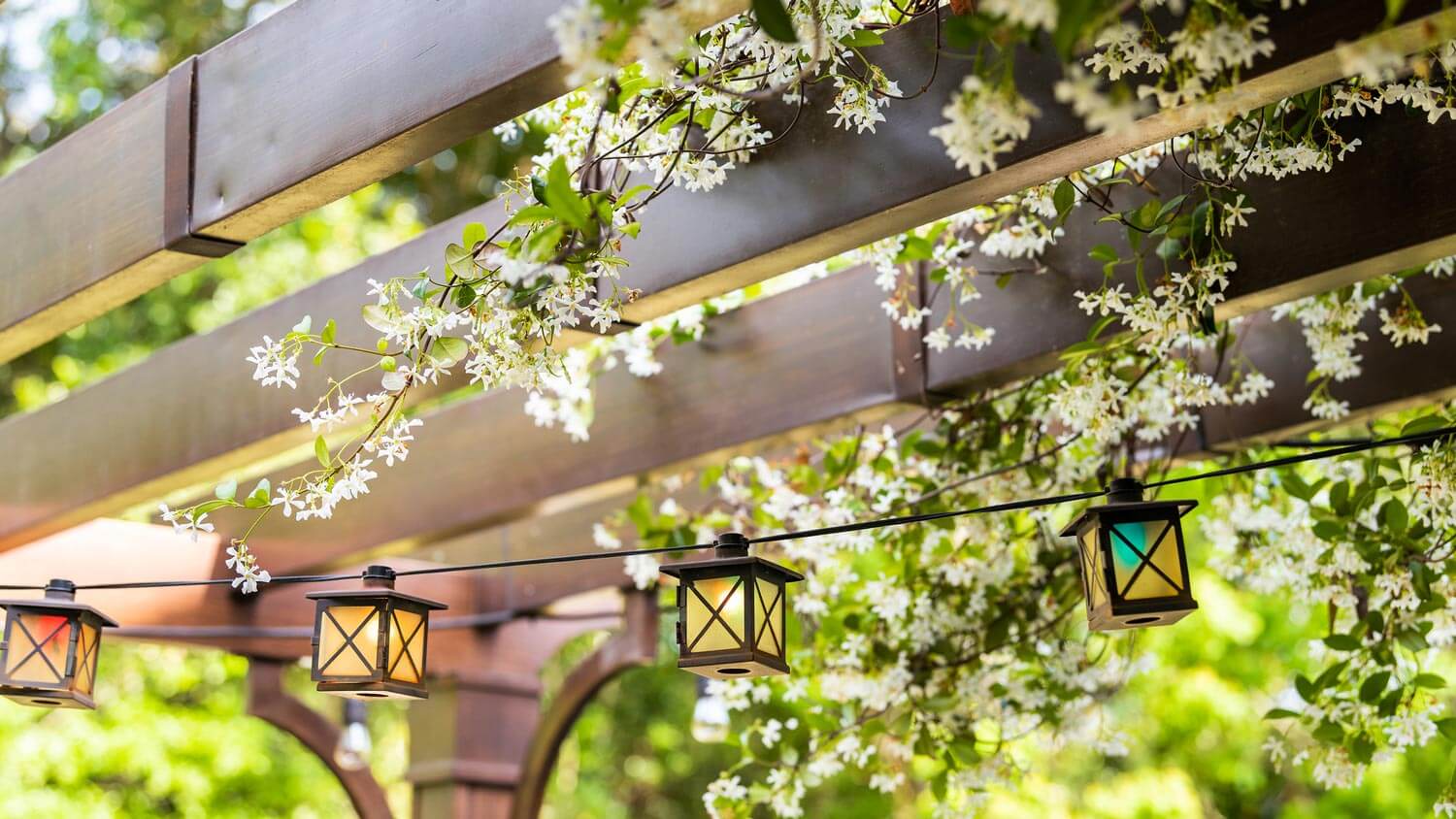
Climbing plants range from flowering morning glories to the colorful bougainvillea. Here are 13 top annual and perennial picks to climb up your pergola.
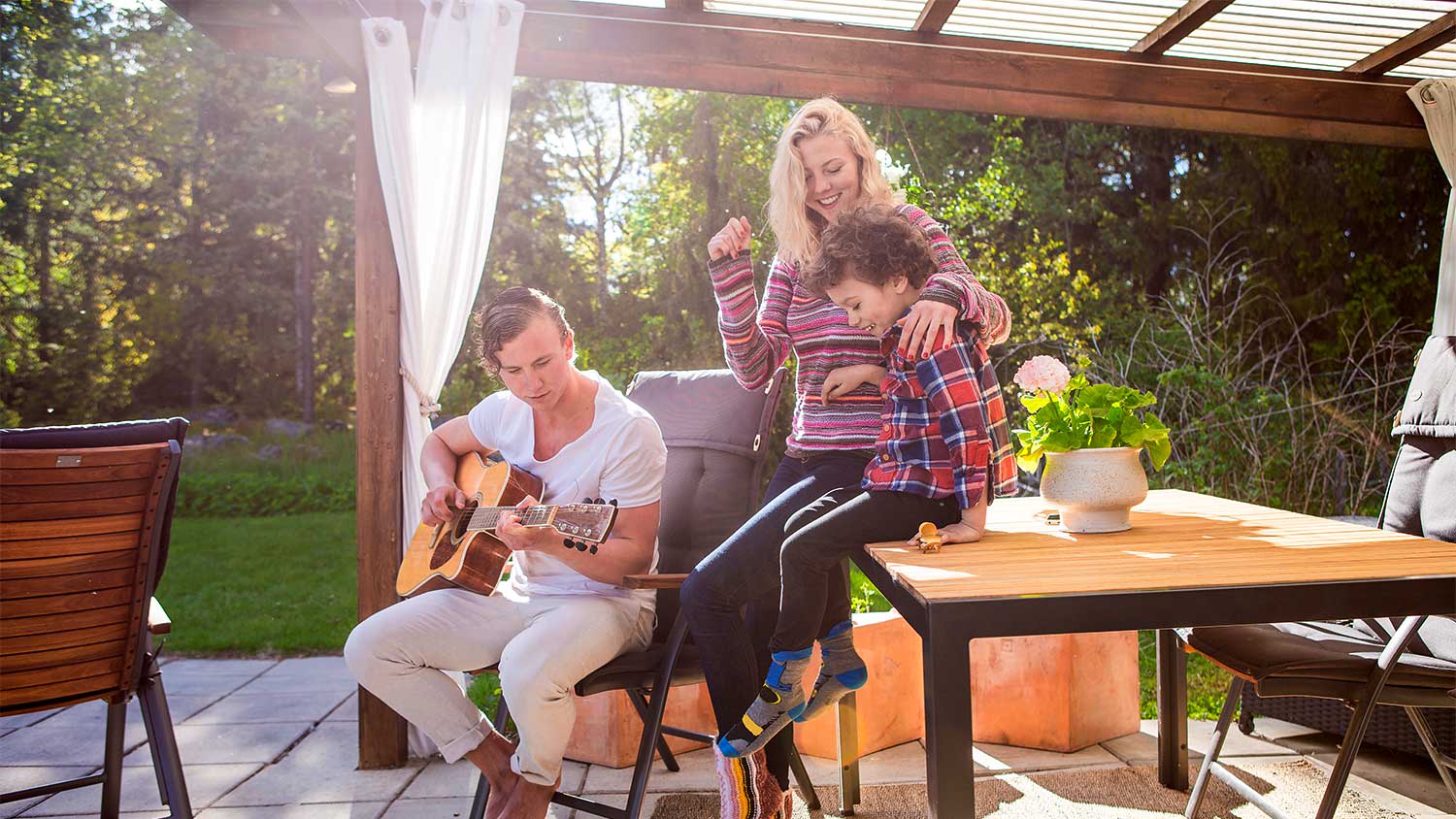
Building a pergola around a tree is one way to add even more shade to your yard. Here’s everything you need to know about adding a pergola to your property.
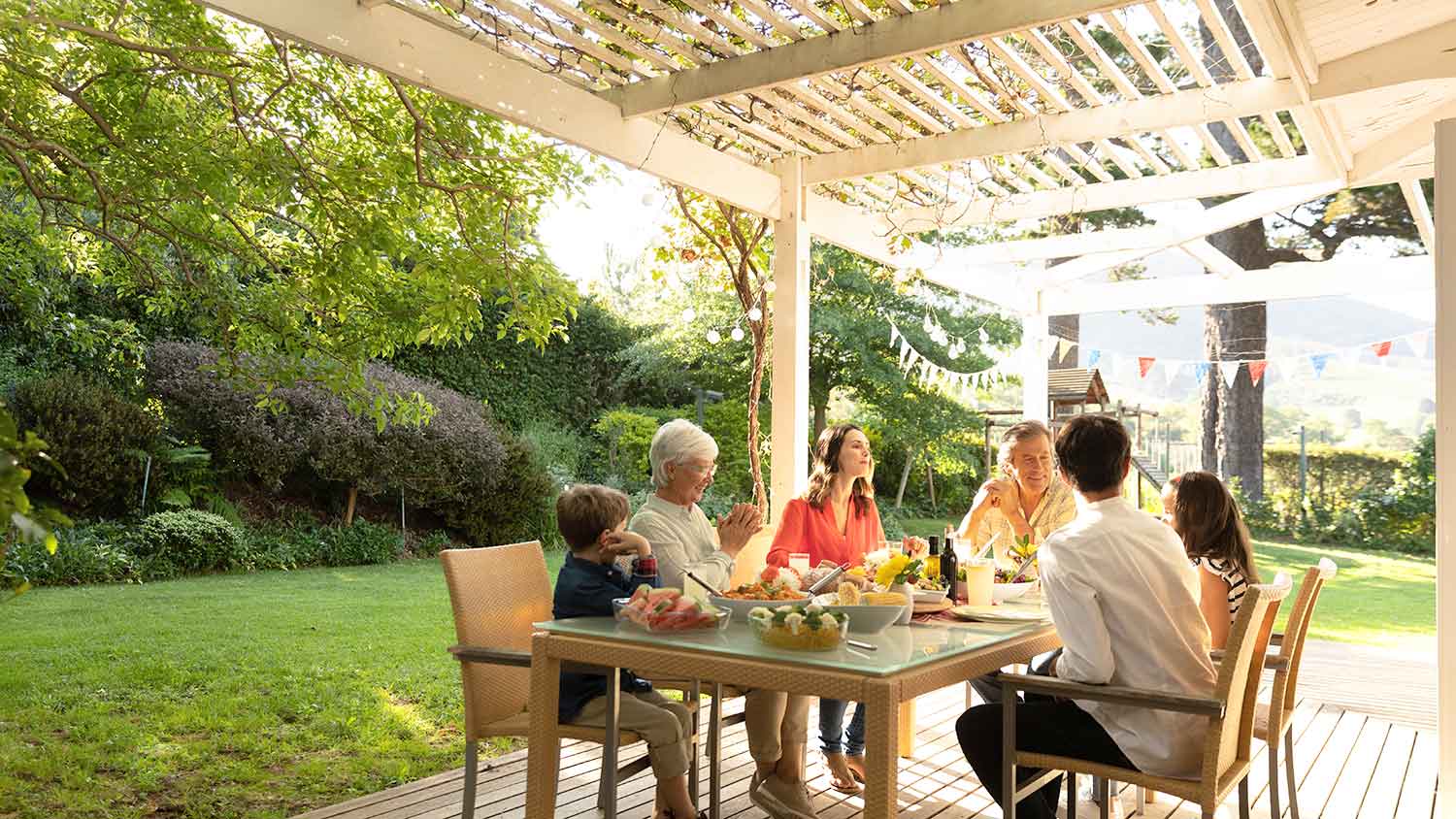
Looking for a covered structure to add to your garden or patio? Find out whether an arbor vs. a pergola is right for your dream backyard.