

Thinking about switching to solar? Consider the pros and cons of solar energy to decide if it’s right for you. We shine a light on the upsides and downsides.
The best states for solar energy, from Arizona to Florida

Federal solar tax credits of 26% to 30%, plus rebates and electric bill credits, help you offset your solar installation costs.
Expect to pay $19,000 to $37,700 for solar panel installation depending on your state, with average costs around $27,200 for a complete system.
Your solar energy payback period ranges from 5.5 to 14.5 years depending on sunlight exposure, state incentives, and local electricity rates in your area.
Hiring a local solar panel installation professional keeps electrical work safe, matches panel type and quantity to your home, and helps you claim tax credits.
If you’ve been thinking about going solar, you’re not alone. Solar energy is a phenomenal way to transition from a traditional electrical service to producing your own power. Start by evaluating the cost of going solar and whether your system will pay for itself in your state. Here are the 10 best states for solar energy.

Installing solar panels and introducing solar energy into your home is an eco-friendly decision that will pay off over time. It helps save you money through financial returns and lower utility bills. Not only is it good for the environment, but it’s good for your wallet.
Installing a solar panel system costs an average of $27,200, but it’s a great long-term investment for homeowners and a selling point for buyers. Here’s a look at the 10 best states for solar energy, solar panel cost, ROI, and more.
California consistently ranks at the top of solar energy lists for good reason. With mostly sunny days, it’s a prime state for solar power to boom. According to the Bureau of Land Management, the The Crimson Solar Project invested $550 million for solar energy on public lands in the state, making it one of the best states as far as solar energy goes.
Solar provides more than 20% of electricity to the state of California, and that number is rising. The cost to install solar panels in California is $19,000 to $32,700.
Here’s a look at California solar energy facts, courtesy of Solar Energy Industires Association® (SEIA):
Time to see return on investment: 5.5–6.5 years
Enough solar installed to power 8,548,370 homes
Solar companies in the state: 2,144
Nevada is a great place to install solar—just ask its residents. There are more solar panels installed in this state than any other. This is likely due to the fact that Nevada has the third highest number of clear, sunny days annually in the country. Plus, the cost of solar installation in the state is reasonable.
Here are some solar facts about Nevada:
Out of every 1,000 homes in Nevada, over 420 have solar
The state has 158 clear, sunny days every year
27.7% of the state’s electricity is generated from solar panels
When you get over 260 to 300 days of clear, sunny days every year, going solar in Arizona seems like an easy decision. The cost savings offset the expense of running nonstop air conditioning over time. You can expect to pay slightly below the national average for a solar installation.
Here’s a look at solar energy facts about Arizona, courtesy of SEIA:
Time to see return on investment: 7.1–8.7 years
Enough solar installed to power 810,751 homes
Solar companies in the state: 315
New Mexico is one of the best states for solar panel installation. Ideal conditions for oslar are common in this state, with 160 clear, sunnys per year. The cost to install solar is slightly above the national average, but considering the extreme weather that requires homeowners to run their HVAC for most of the year, it’s a worthwhile investment.
Check out these solar facts about New Mexico:
10% of the state gets its electricity from solar panels
The state aims to have 50% renewable energy by 2030
An average homeowner will break even on solar panel installation costs in 13 years
Although Colorado doesn’t get as many clear, sunny days as the states higher up on this list, this state still gets 115 clear days and 130 partly cloudy days annually. Even with snowfall in the winter, you can expect to get plenty of power to make solar panels worthwhile.
These are a few solar facts about Colorado:
There are over 149,600 solar installations in the state
Colorado is projected to increase their solar by 3,372 megawatts in the next five years
Utility companies with more than 500,000 customers are required to have 100% renewable energy by 2050
If you go solar in Utah, you can take advantage of the 125 sunny, clear days, plus 101 partially sunny days, every year. The price to install a system in Utah is slightly less than the national average, so the solar panels will eventually pay for themselves.
Here are some interesting solar facts about Utah:
The state gets 16% of its electricity from solar systems
There are over 76,200 solar installations
The Utah Renewable Energy Systems Tax Credit gives residents a state tax credit of up to $800
Texas is unique in that it has its own power grid, making it a prime candidate to become the best state for solar energy. Because Texas does not regulate its electric utilities, there is a lot of variation in solar incentives, depending on where you live.
However, this state’s economy is growing fast, so the state needs renewable energy to match that growth. The cost to install solar panels in Texas is $22,800 to $37,700.
Here’s a look at solar energy facts in Texas, courtesy of SEIA:
Time to see solar panel return on investment: 7.5–9.1 years
Enough solar installed to power 1,082,407 homes
Percentage of the state's electricity from solar: 2.27%
Nicknamed the sunshine state, it's no surprise that Florida ranks high in solar energy. With only 3% of the state’s electricity coming from solar energy, renewable energy is quickly growing. Florida also offers property tax exemption and sales tax exemption for solar panels. The cost to install solar panels in Florida is $19,580 to $30,340.
Here’s a look at Florida solar energy facts, courtesy of SEIA:
Time to see return on investment: 11.9–14.5 years
Enough solar installed to power 842,897 homes
Solar companies in the state: 411
Rhode Island has 98 sunny, clear days and 103 partially sunny days every year, making it a great place to get solar panels. Going solar can potentially save Rhode Island homeowners $44,000 over 20 years. The Rhode Island Energy Renewable Energy Growth Program allows residents to get an electric bill credit of 28.75 cents per kWh of energy for the first 15 years.
These solar facts will give you a closer look at what’s happening in Rhode Island in this sector:
The state has invested $1.7 billion in solar
13.9% of the state’s electricity comes from solar
There are over 22,400 solar installations in Rhode Island
If you live in Massachusetts, your home might be a good fit for solar because there are almost 100 sunny days and a little over 100 partially sunny days annually. The average solar payback period is shorter than it is in other sunny states at only 8 years, which means you’ll get your investment back fairly quickly.
Here are solar facts about Massachusetts:
The state gets 24.6% of its electricity from solar
There are over 182,700 solar installations in the state
Massachusetts exceeded its solar power target for 2020 and continues to grow
Solar tax credits and incentives help you save money, which is key because solar installation is a big investment. These tax breaks and incentives can change from year to year, so it’s best to check the current offerings before committing to a solar system.
Federal solar tax credits range from 26% to 30%, depending on when you install the panels. You have to own the panels, so this won’t apply if you opt for a solar panel lease.
Many states offer their own tax credits on top of federal ones. These differ drastically from place to place, and they’re commonly in the form of a percentage of the costs up to a certain dollar amount. Some states offer incentives in the way of electric bill credits.
Whether you live in one of the best states for solar energy or not, harnessing the power of the sun can be an environmentally-friendly, money-saving choice for homeowners. This list is short, so you shouldn’t say no to solar just because your state isn’t on it.
You can benefit from solar energy even in states known for their rainy weather, like Oregon and Washington. Solar panels work during the winter and without direct sunlight, so don’t take your state for granted.
Keep in mind that it will take longer for you to get your investment back and you won’t save as much on electricity as you would in sunnier states. However, you will still save tens of thousands of dollars in the long run, so it’s worthwhile if you can finance it in a way that makes sense for your household. A solar panel pro in your area can discuss your options and estimate how much a solar system costs for your home.
1 tree was cut down and 5 others including a large willow tree were trimmed. The Grant Tree Service men were professional and cleaned up afterwards. The cost of the 6 trees were affordable. I am very happy with the results. I would hire them again.
 Grants Tree Service
As usual with ECO, tech Jordan was outstanding, very professional, very knowledgeable, and very thorough with repairs made to tankless water heaters. Very highly recommend ECO!!!
 Eco Plumbers, Electricians, and HVAC Technicians
I conferred with 2 other contractors before Armstrong Electric. Nick and his crew showed me that the project was not as convoluted as the other contractors made it appear to be. They completed the entire project on time. They were professional, friendly and cleaned up after at completion. I...
 Armstrong Electric LLC
Window Depot did an amazing job on my deck. I wasnt sure what I wanted to do, but their composite decking was affordable and will last a long time. I am excited to have family over, and I am no longer embarrassed by my backyard. Jeff and the ground crew were polite, respectful, and caring for...
 Window Depot USA of Central Ohio
The techs on my project, Shawn and Cliff, were great. They were prompt, courteous, and efficient. I am very happy with the results and would definitely contact Mr. Electric for any future electrical projects.
 Mr. Electric of Columbus
Wonderful. I am going to have them remove and replace my driveway in the spring.
 All Star Paving and Sealing
Look forward to them getting started in our basement here soon. Extremely professional, very detailed and was a pleasure to have around. Anything we needed to work on or change in the middle of the project, they were open and willing to work with me.
 Jones & Sons Construction LLC
Did an amazing job transforming my yard. Also installed sod in places, would recommend to everyone.
 Cardinal Landscaping & Construction LLC
Manuel Calvillo is the best option in the area for roofing and you won't be disappointed.
There were some unsatisfactory issues with the product quality, no fault of Panel Town. They were handled quickly and professionally and in the end, exceeded my expectations. I believe that is a measure of a quality merchant. <br />
From average costs to expert advice, get all the answers you need to get your job done.
Thinking about switching to solar? Consider the pros and cons of solar energy to decide if it’s right for you. We shine a light on the upsides and downsides.
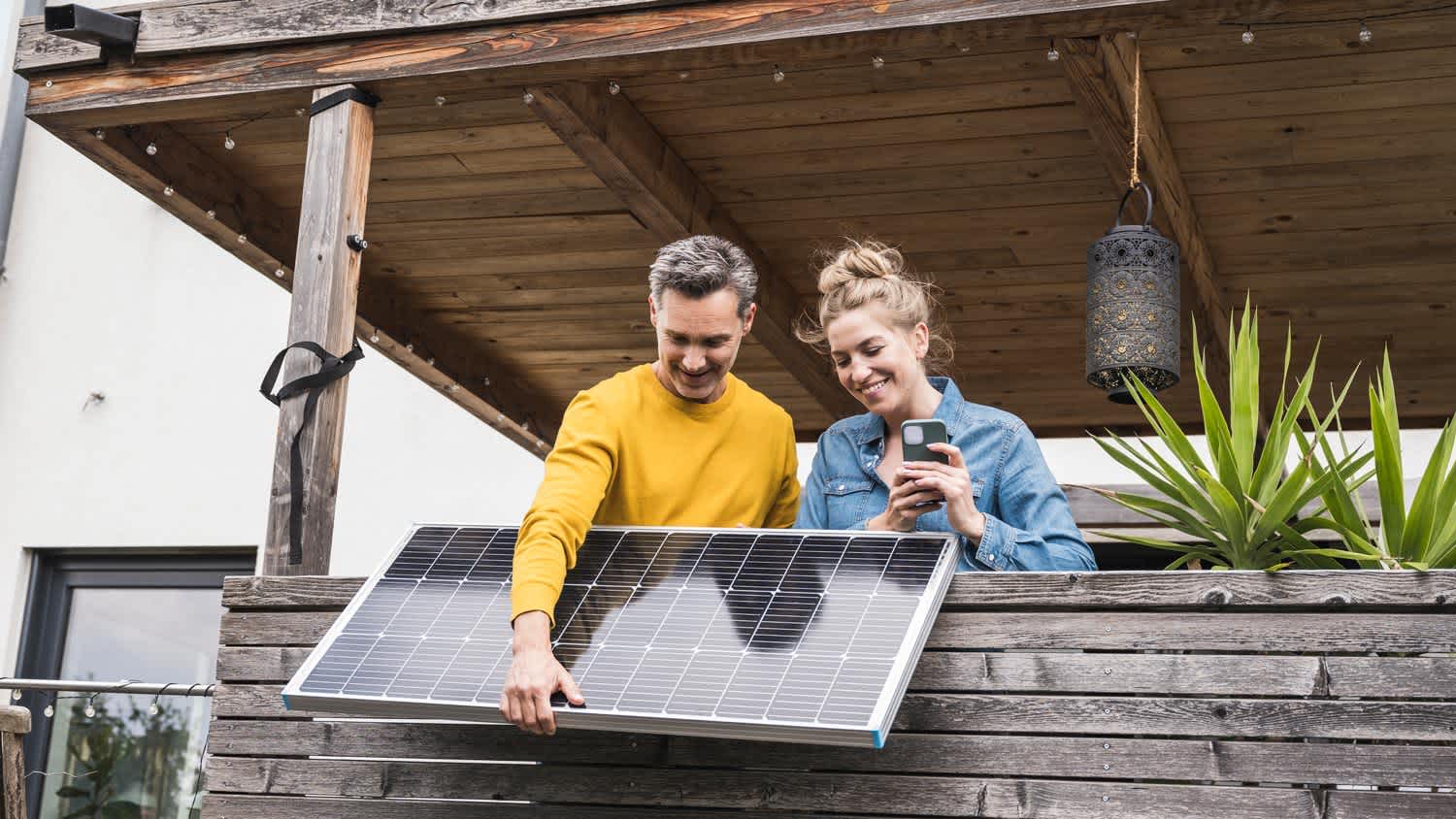
Are solar panels worth it? It depends on several factors—from the sunlight in your yard to local energy costs. This guide will help you decide.
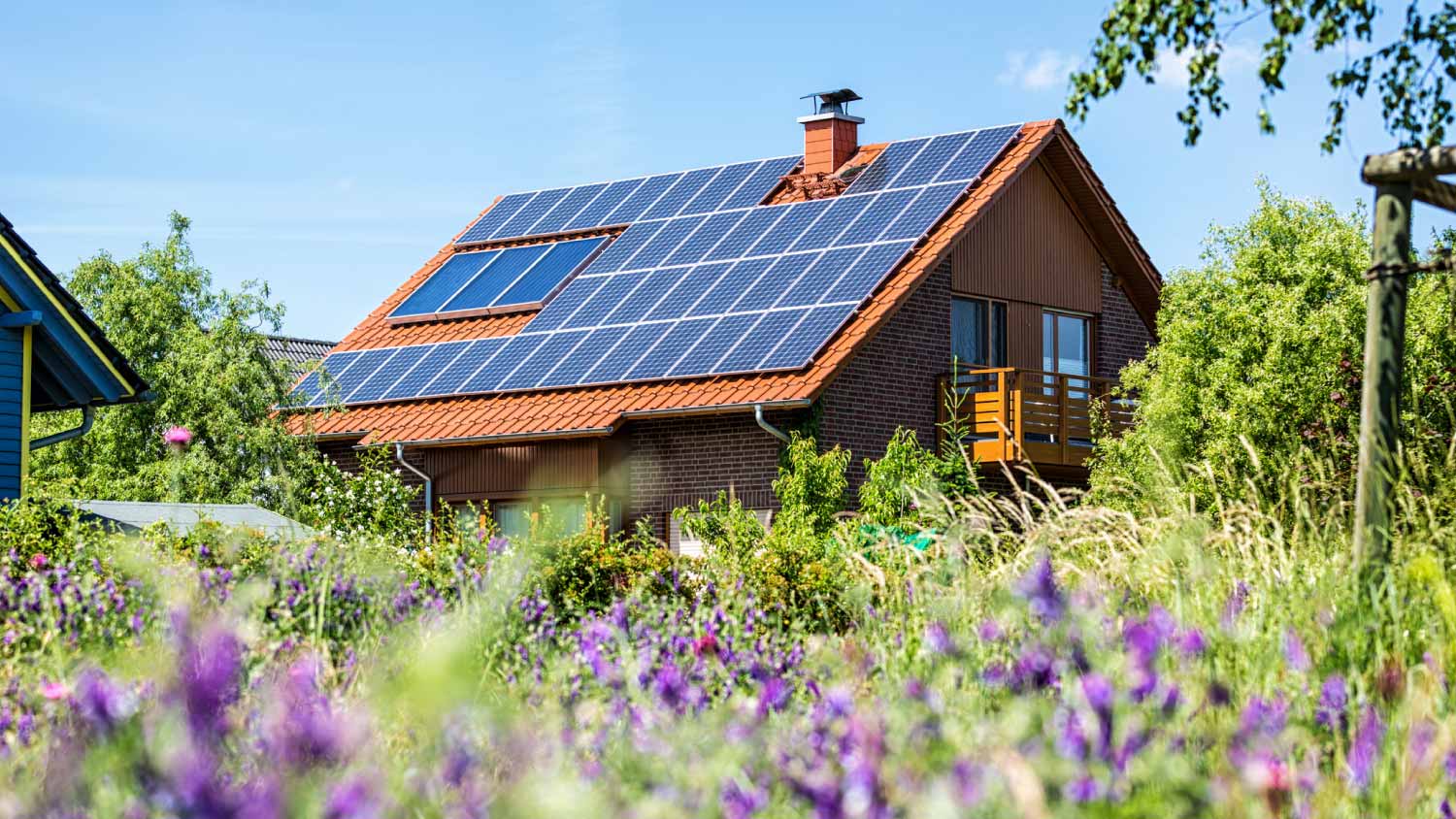
What direction should solar panels face? South-facing panels work the best in the U.S., but that’s not the only option. This guide will help you decide.
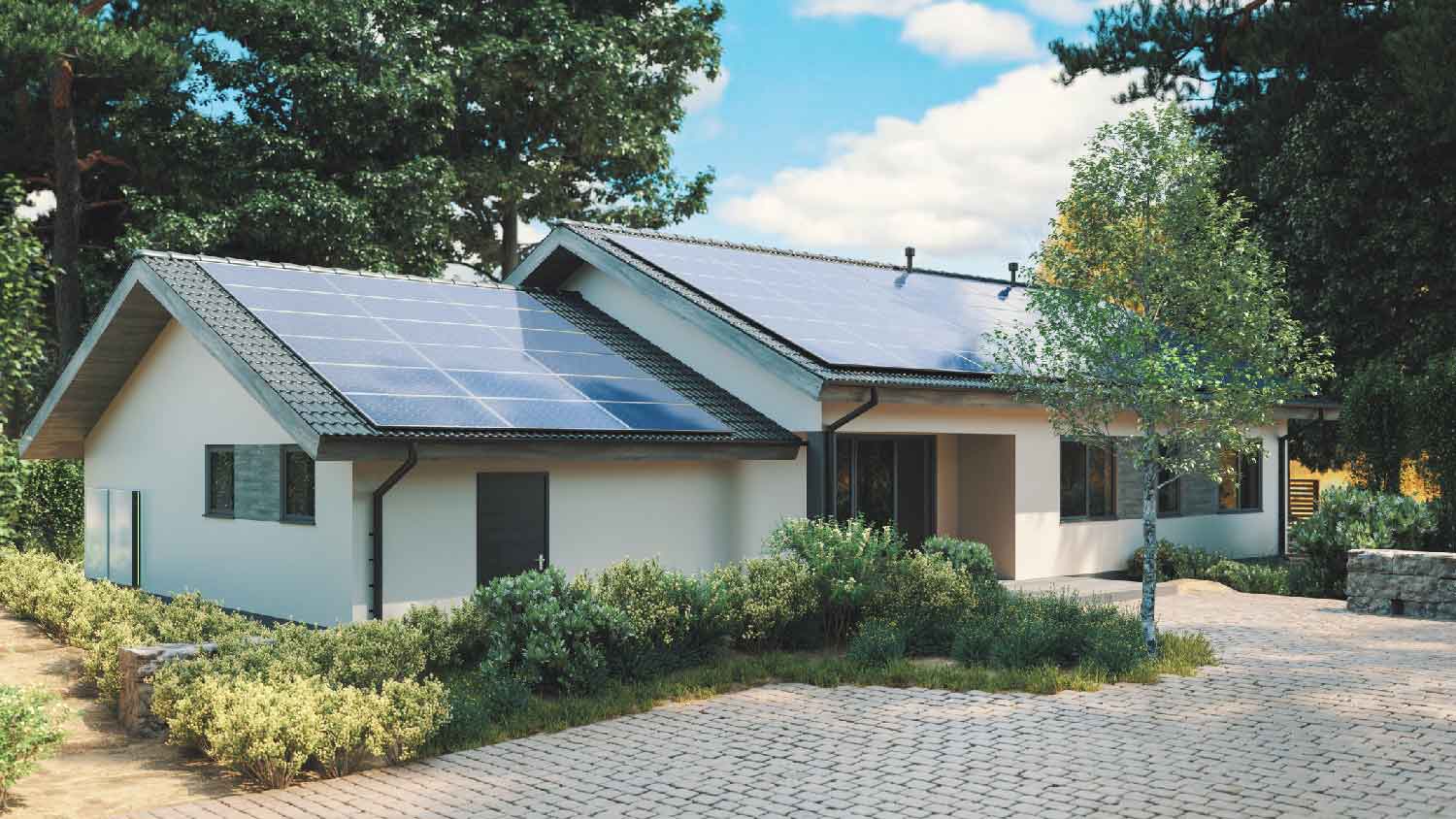
Solar panels offer instant savings on your monthly energy bill. But how much money do solar panels save, really? Learn about solar panel savings in this guide.
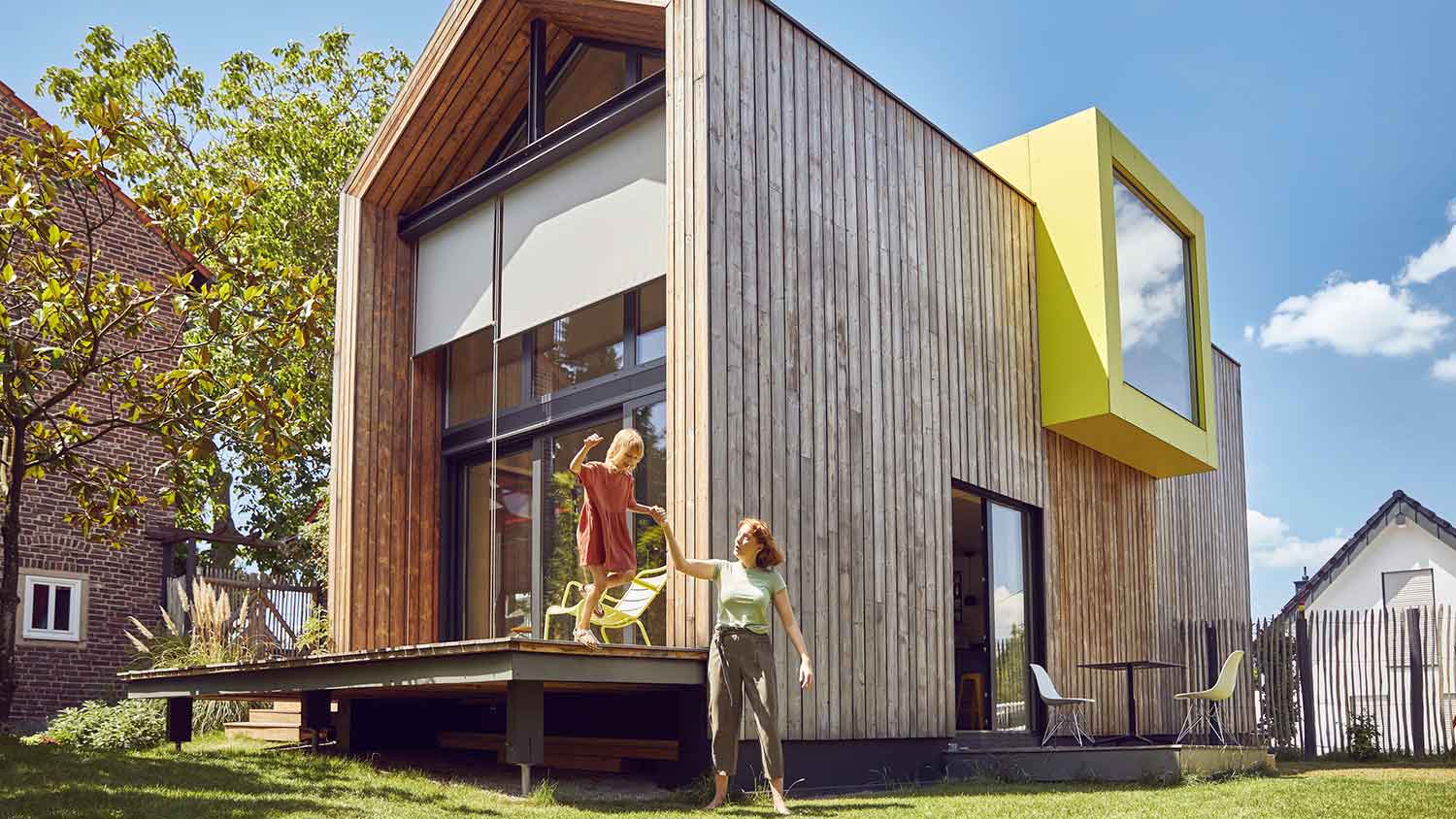
Understanding the differences between passive and active solar energy is key to deciding which route to take when planning an energy-efficient home.
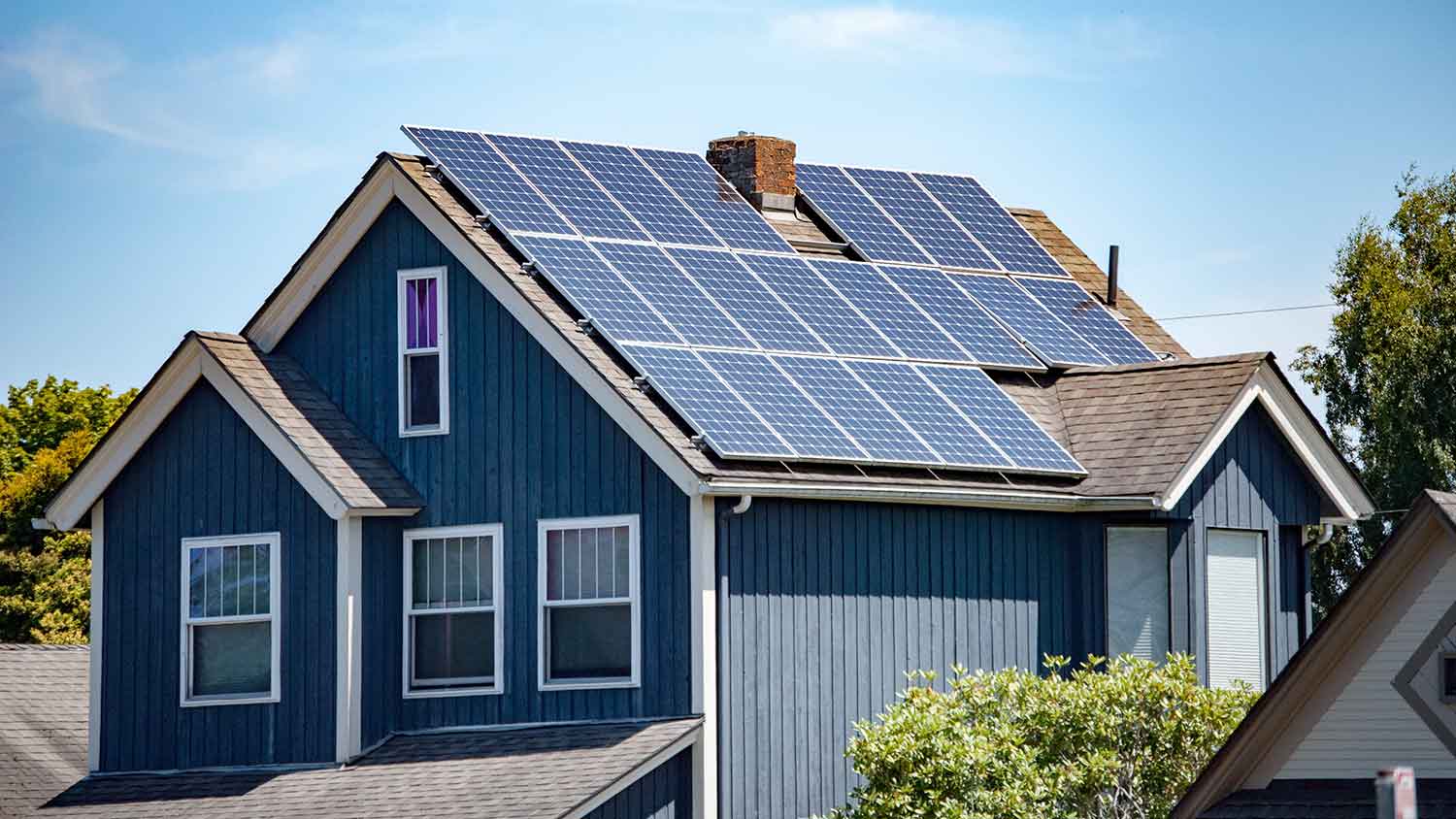
Solar panels are a growing trend among homeowners, but what is solar energy? This guide dives into the details about how solar technology works.