
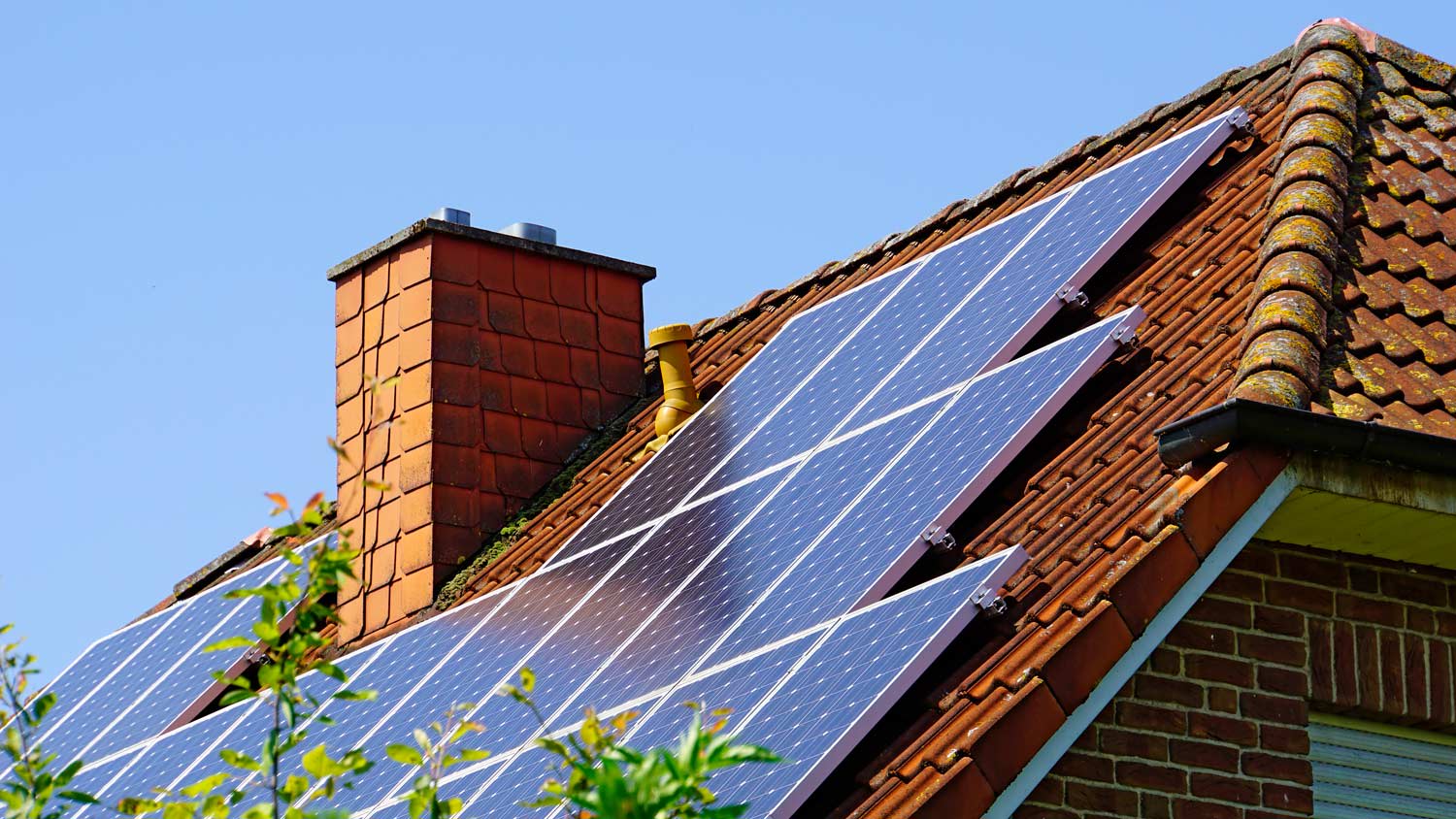
•
Discover the average solar panel installation cost, key price factors, and expert tips to help you budget for your solar project.
Solar panels can net you serious savings, but the switch isn’t always all that sunny

Solar panels as a good investment depend on your location's sunlight, local energy costs, roof characteristics, and available tax incentives or rebates.
Solar panel installation costs $18,400 to $36,400 before credits, and most homeowners save $1,380 per year on energy bills after installation.
You can increase your savings by participating in net metering programs that credit your electric bill when you send excess energy back to the grid.
Hiring a local solar panel installation professional provides reliable support with roof inspections and system sizing, helping you determine if solar panels suit your home.
If you’ve felt your stomach drop after receiving an unexpectedly high electric bill, you might be wondering if there’s a way to improve your home’s energy efficiency and save some cash. Solar energy is a growing trend for a reason—but with the high up-front cost, are solar panels worth it? This guide will help you weigh your options.
Simply put, solar power is energy generated from sunlight. Most residential solar energy systems use photovoltaic (PV) solar panels containing cells made from a semiconductor material like silicon. When sunlight (or, more specifically, the electromagnetic radiation from the sun) hits the cell, the semiconductor creates a direct electrical current. This current passes through a solar inverter, which transforms it into alternating current (AC) electricity that we use in our homes.
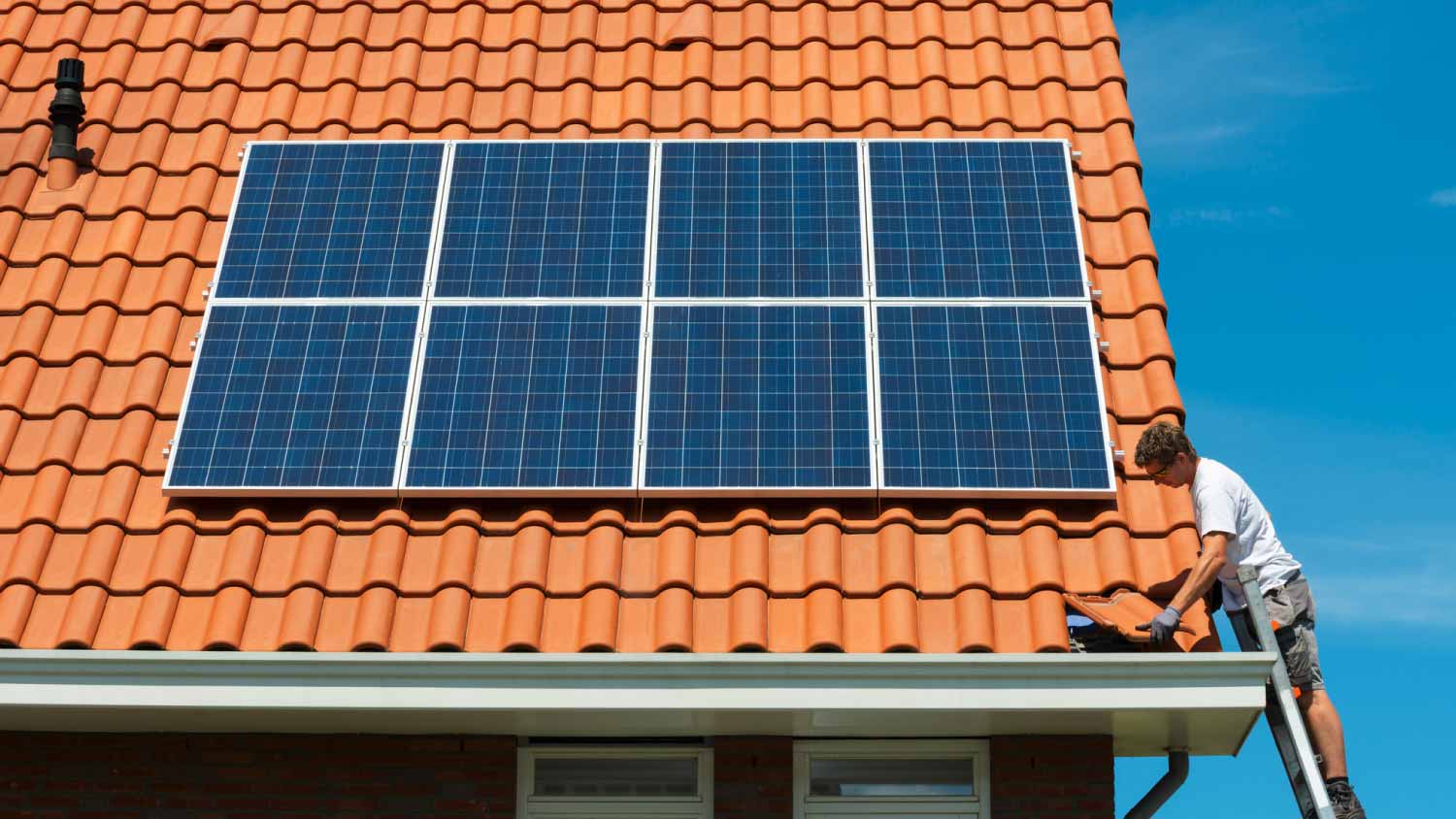
For most homeowners, solar panel installation costs $18,400 to $36,400 prior to tax credits or rebates. This is a sizable investment, but on average, homeowners with solar panel systems end up saving $1,380 per year on energy costs. Most residential solar energy systems pay for themselves in six to 10 years and last about 25 years with proper maintenance.

The ROI of a solar panel installation is a delicate balance of up-front costs and long-term savings. Most of the time, the benefits of installing residential solar panels make up for the large price tag, but solar isn't a good fit for every home. You’ll need to consider the following factors. A professional solar panel company in your area can also help you weigh the pros and cons.
Solar panels work best in areas of the country with the most sunlight. If you live in a sunny area like Arizona, you could get more out of your solar panels than in an area like Alaska, which has longer periods of darkness during the winter months.
Areas with higher energy costs will recoup the cost of solar panel installation faster than areas with lower energy costs. However, if energy costs are particularly low, solar panels may not be worth it—even if you live in a very sunny state.
You should also factor in the amount of energy your household uses. If you don’t use much energy and have relatively low overall energy costs, solar panels may not make enough of a positive impact on your household bills. On the other hand, if you have a large house and consume a lot of energy, you’ll need a larger solar energy system, which comes at a higher cost.
Solar panels perform best with an unobstructed view of the southern sky. For this reason, most people mount them on the south-facing portion of their roof. If cloudy weather, tall buildings, and trees obstruct the sunlight in your yard, you’ll see lower energy savings. The same is true if you have a north-facing roof.
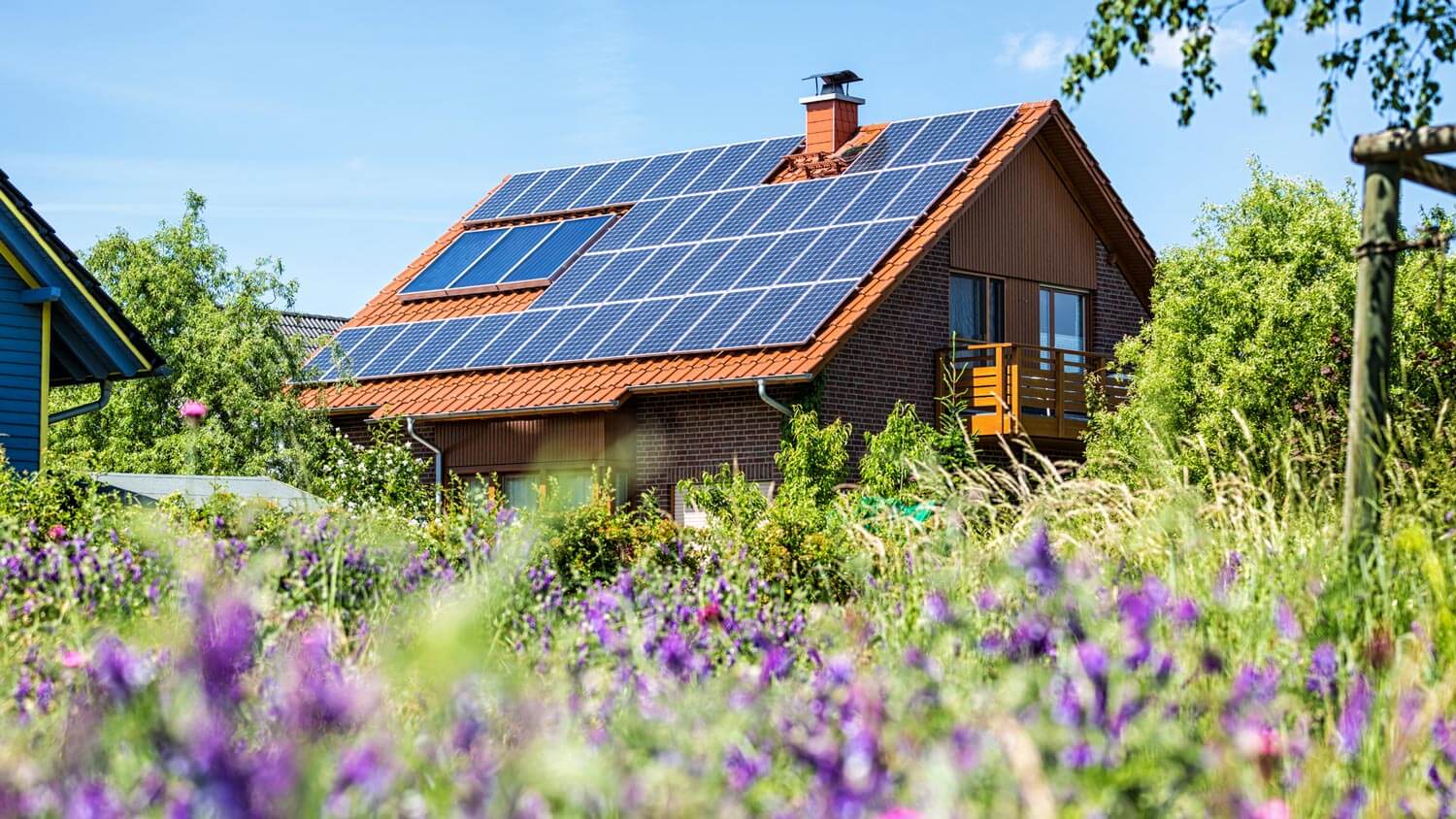
Roofing—including the material, slope, surface area, and orientation—can make the biggest impact on the overall value of a solar energy system. Ideally, your roof:
Faces south
Is made from a strong roofing material
Has a slope between 15–40 degrees
Has plenty of unobstructed surface area for solar panels
Is free from obstructions like chimneys and skylights
Is not shaded by tall buildings or trees
Installing solar panels on a steep roof is challenging and costs more. Smaller roofing may require monocrystalline panels, which are higher efficiency and have a higher price tag. You may struggle to install solar panels on flat roofing or roofing made from weaker materials like thatch.
Some financing options may make solar panel installation more affordable. There are three routes you can take:
Self-financing: If you have the budget, self-financing has the largest ROI because you’ll likely qualify for tax credits and won’t pay interest.
Solar loans: You’ll still qualify for tax credits if you take out a solar loan, but you’ll pay interest (around 4%–7%) on top of the cost of the panels.
Solar leases or power purchasing agreements (PPAs): With these options, you won’t pay for the panels up front. Instead, you’ll lease the panels (via a solar lease) or pay based on the power you use (in a solar PPA). This has a lower ROI because you’re paying perpetual rates through the length of a contract rather than owning solar panels for the entire life of the system.
If your solar energy system is tied to the main power grid, you might be able to participate in a net metering program. These programs allow homeowners to send excess energy back to the grid for public use in exchange for credits on your electric bill. The savings are significant in some areas.
If you live in an area with frequent power outages, you’ll need to consider investing in the extra cost of a backup battery to help ensure that you’ll have power during outages.
You can save on the price of solar panel installation by taking advantage of tax credits, incentives, and rebates. One of the main incentives is the federal solar tax credit, or Investment Tax Credit (ITC), which allows you to claim 30% of the cost of a PV solar energy system as a credit on your federal tax return. You could qualify for localized incentives depending on where you live.
You’ll need to weigh the pros and cons of solar energy before deciding if it’s specifically worth it for your home. That said, there are some signs that your home is likely a good fit for solar panel installation (in addition to the roof characteristics listed above):
You live in an area with high or average energy costs
You live in a sunny state without frequent cloudy weather or fog
Your utility company offers net metering programs
You qualify for solar tax credits, incentives, and rebates that help offset the cost
You live in an area with limited access to the main power grid
There are a few instances where solar panels won’t actually have much of a benefit—if you can even install them at all. A pro can inspect your roof for solar panels and help you understand your options, but there are some signs your home may not be the best fit:
You already have low energy costs and won’t see much savings
You have a flat roof
Your roof is made from a fragile material (such as a thatched roof)
Your roof has a slope of more than 40 degrees
Your roof faces north
Your roof is obstructed by shade
You live in a state with lower-than-average sunlight
Your roof is aging and will need a replacement in a couple of years
You plan to move in the next few years
You’re not prepared to maintain or upkeep your system
Before installing solar, check the age and condition of roof shingles. If your roof is 20 years or older, you might want to consider replacing the roofing before installing the solar panels.


Homeowners who live in the sunniest states have the highest potential for solar energy savings, while those who live in darker states that receive less sunlight may see fewer rewards. Savings also depend on local energy costs and incentives. A local solar panel installation pro can help you determine whether or not solar panels will perform well in your area.
Below are the states with the most potential for solar panels and states with the least potential.
| States With the Most Solar Power Potential | States With the Least Solar Power Potential |
|---|---|
| Nevada | Alaska |
| Arizona | Washington |
| New Mexico | Pennsylvania |
| California | Ohio |
| Wyoming | New Hampshire |
If you’re good people wanting to do business with good people, hire Matt. He is a consummate professional and utterly competent. He installed a water heater in my home at a price that beat competitors by hundreds of dollars with a promise to support the unit for its life (even after its 6 yr...
 Greene's Plumbing Services
1 tree was cut down and 5 others including a large willow tree were trimmed. The Grant Tree Service men were professional and cleaned up afterwards. The cost of the 6 trees were affordable. I am very happy with the results. I would hire them again.
 Grants Tree Service
As usual with ECO, tech Jordan was outstanding, very professional, very knowledgeable, and very thorough with repairs made to tankless water heaters. Very highly recommend ECO!!!
 Eco Plumbers, Electricians, and HVAC Technicians
I conferred with 2 other contractors before Armstrong Electric. Nick and his crew showed me that the project was not as convoluted as the other contractors made it appear to be. They completed the entire project on time. They were professional, friendly and cleaned up after at completion. I...
 Armstrong Electric LLC
Window Depot did an amazing job on my deck. I wasnt sure what I wanted to do, but their composite decking was affordable and will last a long time. I am excited to have family over, and I am no longer embarrassed by my backyard. Jeff and the ground crew were polite, respectful, and caring for...
 Window Depot USA of Central Ohio
The techs on my project, Shawn and Cliff, were great. They were prompt, courteous, and efficient. I am very happy with the results and would definitely contact Mr. Electric for any future electrical projects.
 Mr. Electric of Columbus
Wonderful. I am going to have them remove and replace my driveway in the spring.
 All Star Paving and Sealing
Look forward to them getting started in our basement here soon. Extremely professional, very detailed and was a pleasure to have around. Anything we needed to work on or change in the middle of the project, they were open and willing to work with me.
 Jones & Sons Construction LLC
Manuel Calvillo is the best option in the area for roofing and you won't be disappointed.
There were some unsatisfactory issues with the product quality, no fault of Panel Town. They were handled quickly and professionally and in the end, exceeded my expectations. I believe that is a measure of a quality merchant. <br />
From average costs to expert advice, get all the answers you need to get your job done.
Discover the average solar panel installation cost, key price factors, and expert tips to help you budget for your solar project.

Find out how much it costs to remove solar panels, including average prices, key cost factors, and tips to save money on your solar panel removal project.
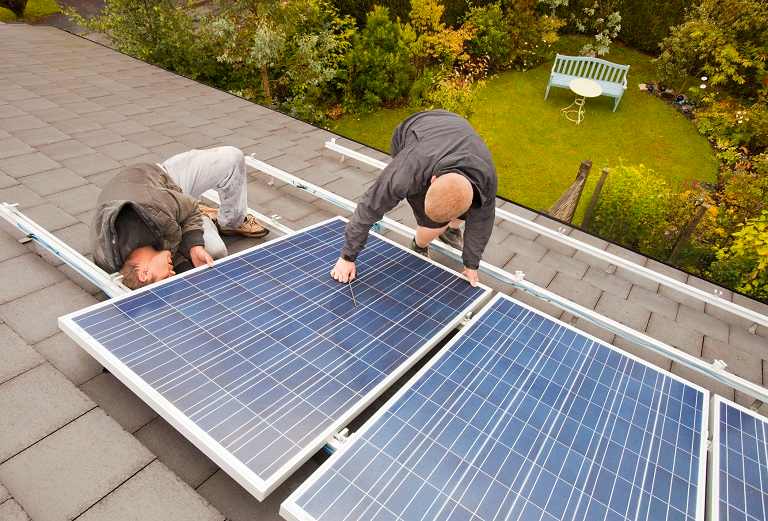
There are a few factors to consider when it comes to solar panel repair costs. This guide breaks down the prices of solar panel removal, repair, and replacement.
Installing solar panels helps you save on energy bills while adding value to your home. Here’s a look at solar panel ROI and what makes them attractive to buyers.
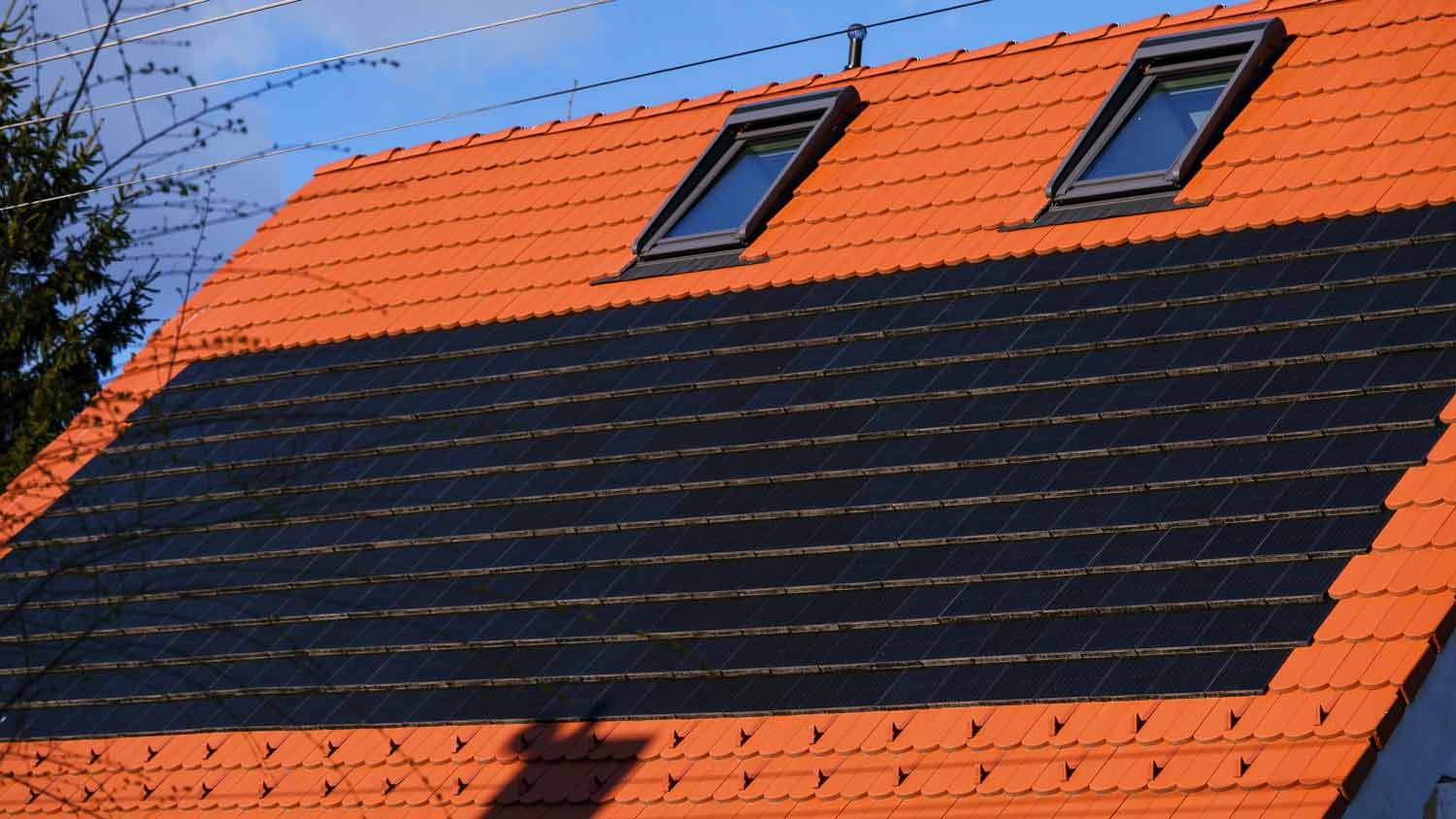
Solar shingles are an unobtrusive alternative to solar panels. Learn more about them to decide if solar shingles are worth installing on your roof.
A solar panel system is a great way to lower energy bills, but it can be expensive to install. Here's what to know about solar panel finance options.