
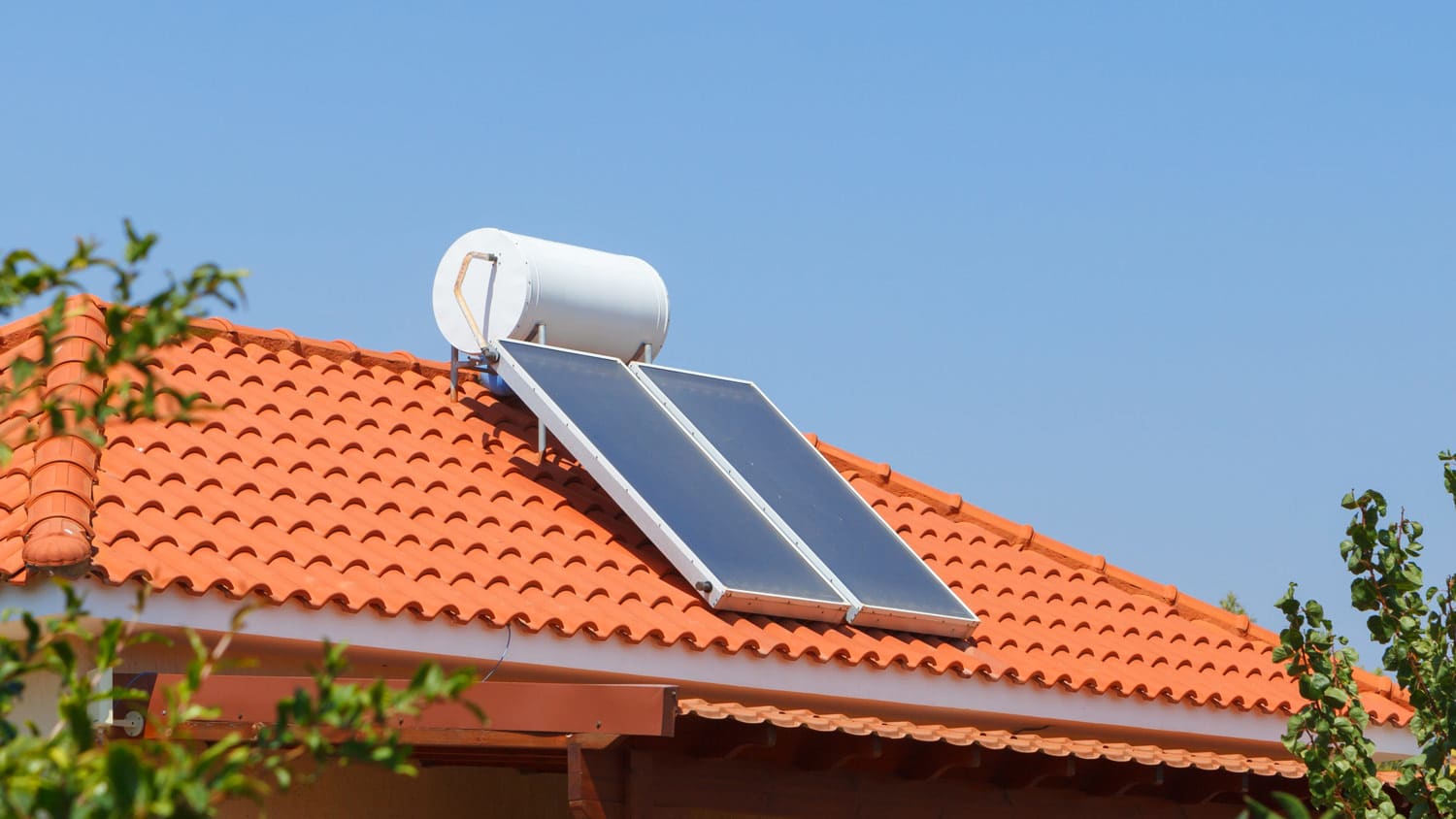
While solar water heater costs are a bit higher than a standard system, this energy-saving option could pay for itself in a few years. Here’s what you need to know.
The different ways to go solar

Passive solar energy uses your home's design and building materials to capture natural sunlight for heating and cooling without special equipment.
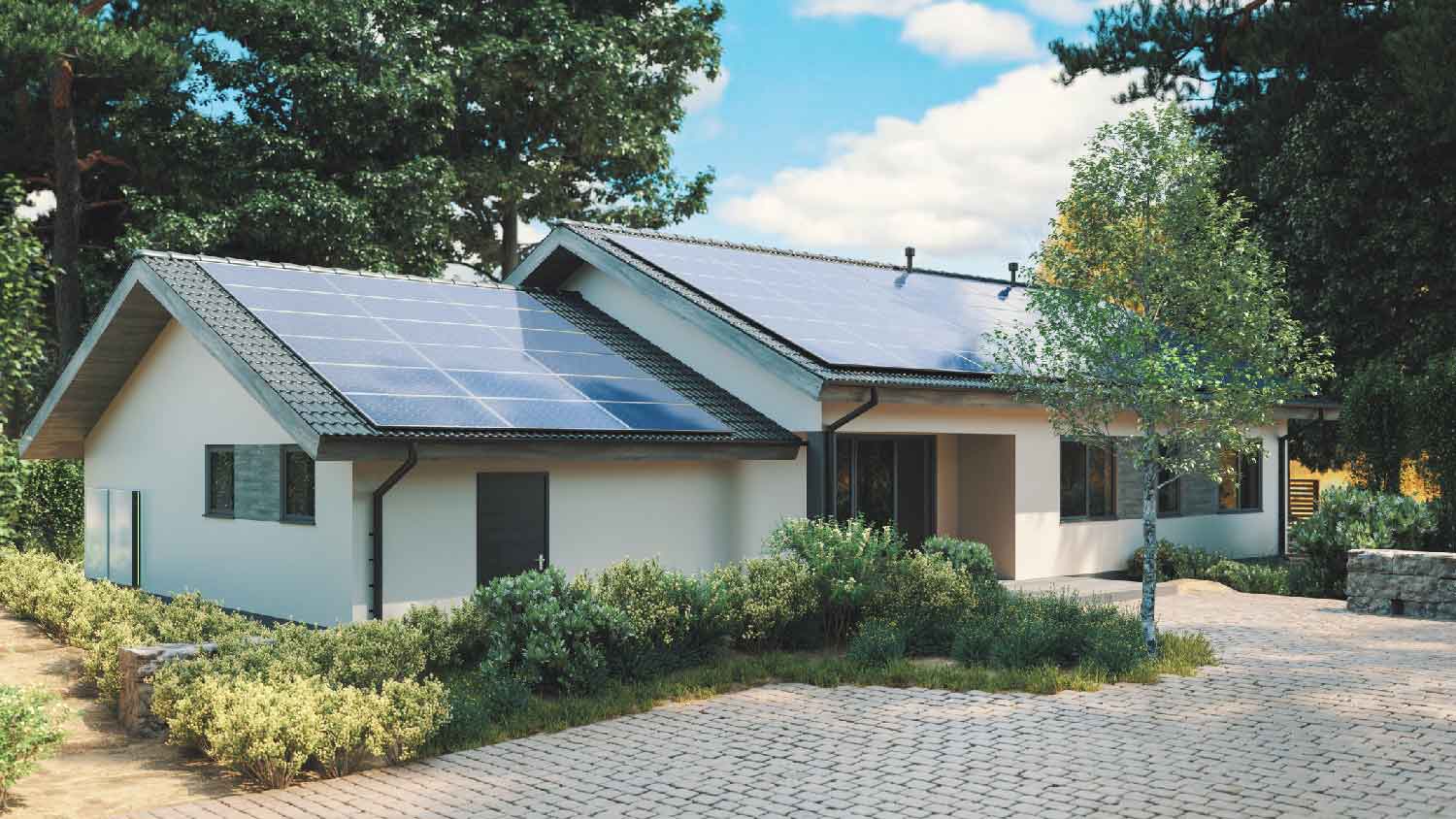
Active solar energy systems convert sunlight into electricity or heat using equipment like solar panels, with installation costs averaging $27,200 for panels.
Passive systems work best in sunny climates with moderate weather, while active systems provide more reliable energy production in varied conditions.
Hiring a local solar panel installation professional keeps planning and equipment setup on track, helping you choose between passive design or active systems.
When looking into solar options, you’ve likely come across passive versus active solar energy. Whether you go with passive or active depends on the climate in your area and whether you need a solution for a new build or an existing home. Read on to discover all the similarities and differences, narrow down your choices, and better understand how solar energy works.
Passive solar energy refers to natural sunlight. Passive homes harness passive solar energy via specific choices with building materials, windows, shade, and ventilation to heat and cool the home. In comparison, active solar energy is captured with equipment that converts sunlight into electricity or heat and stores it.


Passive solar energy, or natural sunshine, might be something you don’t think much about beyond window placement when building a home. However, home designers and builders harness the sunshine with specific building choices.
For example, passive homes use materials with thermal mass, including concrete, stone, brick, and tile. When a material has thermal mass, it can absorb, store, and release heat. In the winter, these materials absorb heat from sunlight, which helps your home stay warm. In the summer, the thermal mass absorbs heat from the inside of the house to help it stay cool.
Additionally, windows are oriented toward true south and shaded during the cooler months. Thermal pane windows, like triple-paned windows, offer extra insulation.
Effective insulation helps prevent thermal bridging, which occurs when heat escapes the home through weak points. Passive homes are also airtight, meaning air barriers in the walls prevent air from leaking out.
Using passive solar energy doesn’t require special solar equipment and works best in areas with moderate weather and plenty of sunshine.
| Pros | Cons |
|---|---|
| Minimal maintenance | Requires sunshine |
| Zero ongoing costs | Potential for overheating or not enough heat |
| Natural solution for heating and cooling | Requires planning before breaking ground |
Best for:
Smaller homes
Homeowners in the planning stages of building a house
Supplementing other energy sources for heating and cooling
The best thing about using passive solar energy in your home is that it doesn’t need special maintenance. You’ll want to keep your south-facing windows clean and replace them as needed, trim the shrubbery and trees that provide shade, and maintain the thermal mass building materials like tile, concrete, and brick. Since all the costs of a passive solar energy system are paid for when you build the home, there are no ongoing costs.
Since harnessing passive solar energy means using natural sunlight, it’s as environmentally friendly as it gets. Even if your area only gets sunshine for a third of the time in the winter, like in the Pacific Northwest, a passive solar system can still be advantageous and help reduce energy consumption. In these scenarios, passive solar energy supplements other heating systems like heat pumps, electrical heat, and boilers.
The amount of sunshine you get annually is challenging to predict, depending on where you live. This can make the effectiveness of your passive solar system fluctuate monthly and year to year. You’ll also want to consider how much sunshine you get. In areas with a lot of sun, an improperly designed passive solar energy system can cause a home to overheat. Conversely, a house in an area with cold weather and not much sun may not get warm enough for comfort.
Unlike active solar energy, making the most of passive solar energy requires planning before breaking ground on your new home. If your home already has components of active solar energy, you can make some changes to an existing building. However, a passive solar energy system should be planned before construction starts.

Using active solar energy requires using equipment to capture sunlight for a home’s heating or electrical needs. Equipment includes solar panels and active solar heating systems. Solar panel systems work by absorbing sunlight and converting it into usable electricity. Solar heating systems use water (called hydronic collectors) or air collectors to capture sunshine through liquid or air and turn it into energy.
| Pros | Cons |
|---|---|
| Equipment can be installed on most buildings | Proper maintenance is required |
| More reliable than passive systems | Equipment takes up large amounts of space |
| Savings on energy | Requires sunshine |
Best for:
Adding solar to existing buildings
Those wanting to lower their energy bills
Areas with plenty of sunshine
Equipment for capturing active solar energy can be installed on most buildings, so it’s the go-to choice for anyone who wants to go solar. You can also tie it into the electrical grid to supplement your current energy or heating systems. While it still requires sunshine to work, these systems are more reliable and consistent than passive ones.
Additionally, the energy cost savings with solar panels can be quite significant. An average home can save over $1,500 annually on heating and cooling costs.
Active solar energy systems are costly to install. Keep maintenance costs in mind, with solar panel cleaning costing $10 to $20 per panel. These systems are also bulky and take up a lot of space, so not all homes are a good fit for solar.
You’ll need sunshine to produce active solar energy. On average, you should get the equivalent of four peak sun hours per day. A peak sun hour is when sunlight is most intense during the middle of the day.
Here are more factors to consider when choosing between passive and active solar energy.
Guests are unlikely to notice when a home is built with a passive solar energy system. But if you add active solar energy to your home, you’ll need to install bulky and potentially unsightly equipment.
Both passive and active solar energy offer options and customizations. Passive homes all use the same building principles, but you can choose between different materials and methods. Active solar offers different options, from solar panels to water or air collectors.
Since harnessing passive solar energy requires specific building choices, the result is a whole-home system that can last for the lifetime of your house. Of course, you must maintain your home and replace triple-paned windows periodically, but overall, the system is highly durable.
In comparison, active solar energy systems are less durable. While solar panels and heating systems are designed to last for decades, they won’t last as long as a well-built home. Additionally, extreme weather can damage these systems due to high winds, falling tree limbs, and hail.
The cost of your solar energy system depends on your needs. While many believe that active solar energy costs more than passive, this is not always the case. For example, solar panels cost an average of $27,200, while active solar water heaters cost $2,000 to $4,000.
On the other hand, building a home costs $150 per square foot, which is the starting cost of building a home with passive solar energy. However, depending on who you hire and the scope of your project, your home with a passive system can cost 10% to 30% more than a traditional build.
Both passive and active solar energy require professional installation. While an advanced DIYer can plan and install the necessary components of a passive home, it’s better to pass the job off to an experienced builder. There are several moving parts to juggle when planning a home, and hyper-focusing on passive solar energy could lead to big mistakes.
Likewise, the installation of equipment for active solar systems should be handled by pros. The electrical work required is complex, and the equipment is heavy and challenging to handle. Hiring a solar panel installer near you will help ensure a safe and correct installation.
Repairing active solar energy requires calling in a pro to troubleshoot. From wiring issues to equipment damage and failure, figuring out what went wrong can be tricky. On the other hand, fixing a passive solar energy system component is easier, like fixing a cracked window or repairing missing mortar on brick.
Passive solar systems don’t require specialized maintenance, while active ones do. You should clean solar panels two to four times a year, get a professional inspection annually, and keep a log of your energy production levels.
A well-planned passive solar energy system will last as long as your home. On the other hand, solar panels last 20 to 30 years, after which you’ll need to replace them with a new set.
1 tree was cut down and 5 others including a large willow tree were trimmed. The Grant Tree Service men were professional and cleaned up afterwards. The cost of the 6 trees were affordable. I am very happy with the results. I would hire them again.
 Grants Tree Service
As usual with ECO, tech Jordan was outstanding, very professional, very knowledgeable, and very thorough with repairs made to tankless water heaters. Very highly recommend ECO!!!
 Eco Plumbers, Electricians, and HVAC Technicians
I conferred with 2 other contractors before Armstrong Electric. Nick and his crew showed me that the project was not as convoluted as the other contractors made it appear to be. They completed the entire project on time. They were professional, friendly and cleaned up after at completion. I...
 Armstrong Electric LLC
Window Depot did an amazing job on my deck. I wasnt sure what I wanted to do, but their composite decking was affordable and will last a long time. I am excited to have family over, and I am no longer embarrassed by my backyard. Jeff and the ground crew were polite, respectful, and caring for...
 Window Depot USA of Central Ohio
The techs on my project, Shawn and Cliff, were great. They were prompt, courteous, and efficient. I am very happy with the results and would definitely contact Mr. Electric for any future electrical projects.
 Mr. Electric of Columbus
Wonderful. I am going to have them remove and replace my driveway in the spring.
 All Star Paving and Sealing
Look forward to them getting started in our basement here soon. Extremely professional, very detailed and was a pleasure to have around. Anything we needed to work on or change in the middle of the project, they were open and willing to work with me.
 Jones & Sons Construction LLC
Did an amazing job transforming my yard. Also installed sod in places, would recommend to everyone.
 Cardinal Landscaping & Construction LLC
Manuel Calvillo is the best option in the area for roofing and you won't be disappointed.
There were some unsatisfactory issues with the product quality, no fault of Panel Town. They were handled quickly and professionally and in the end, exceeded my expectations. I believe that is a measure of a quality merchant. <br />
From average costs to expert advice, get all the answers you need to get your job done.
While solar water heater costs are a bit higher than a standard system, this energy-saving option could pay for itself in a few years. Here’s what you need to know.
Get a clear estimate for solar water heater repair cost. Learn what impacts pricing and how to budget for your solar water heater repair.
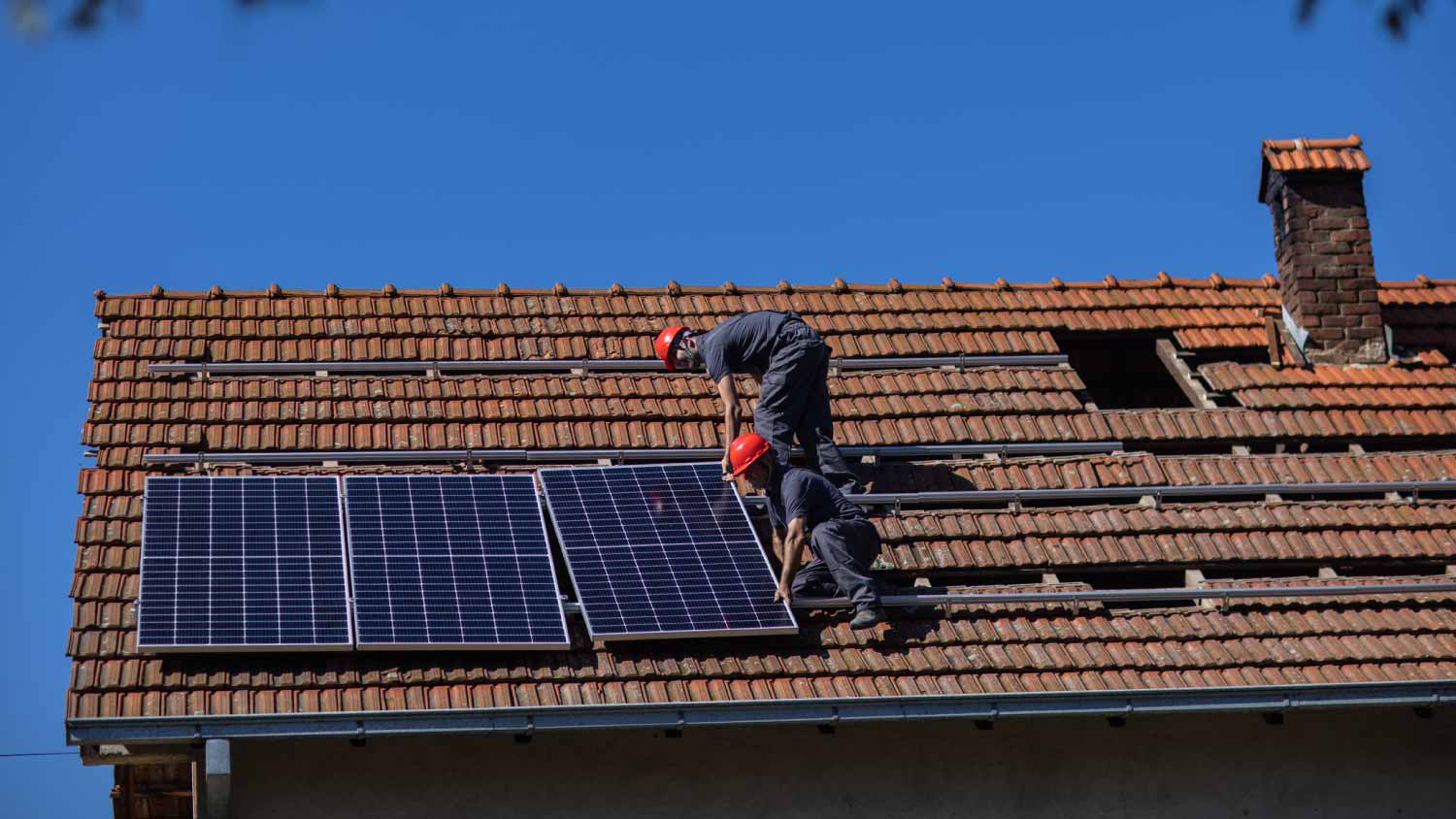
Solar inverters are a crucial part of your solar energy system. This guide breaks down solar inverter costs so you can estimate the price of your project.
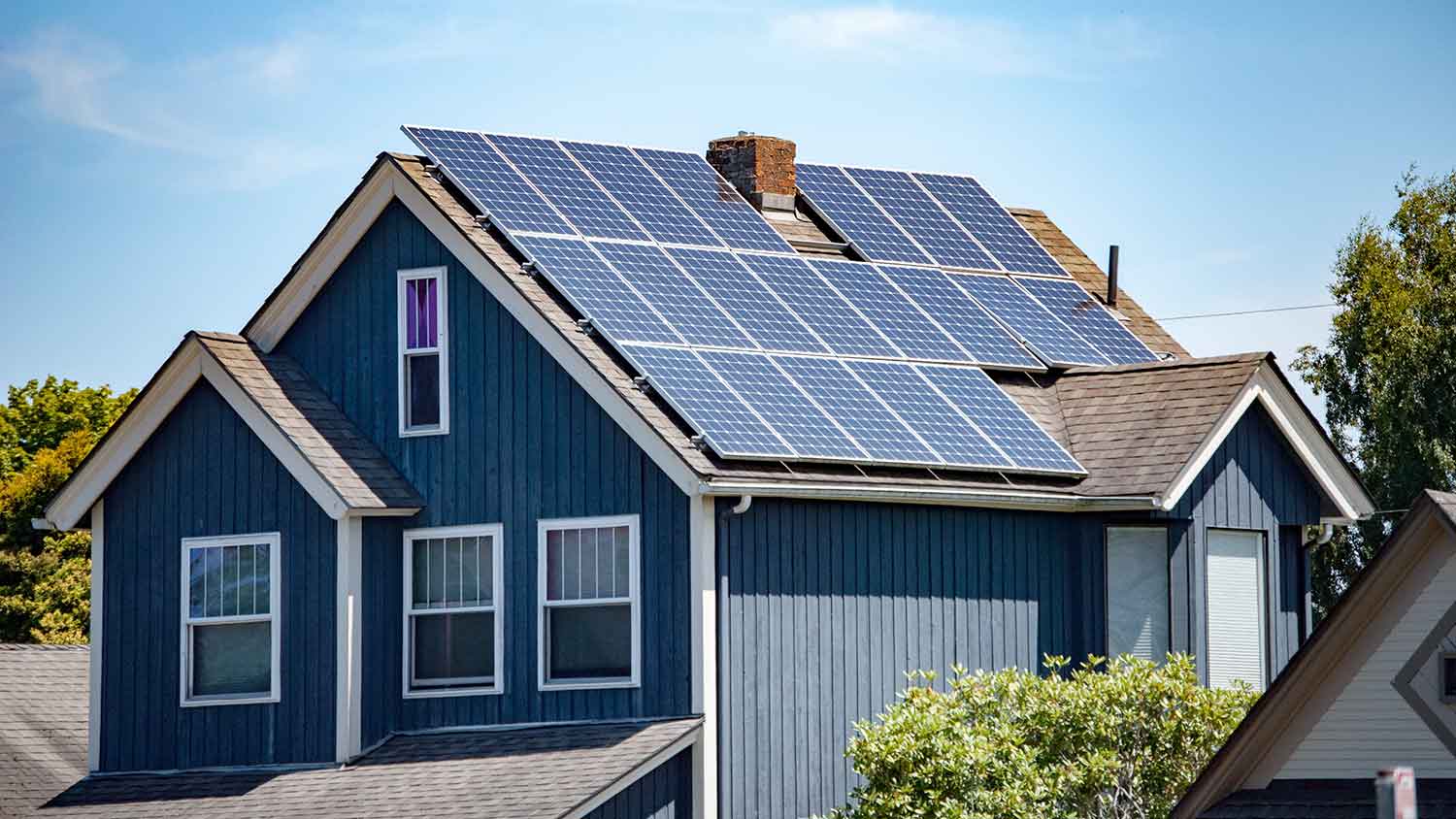
Solar panels are a growing trend among homeowners, but what is solar energy? This guide dives into the details about how solar technology works.

Thinking about switching to solar? Consider the pros and cons of solar energy to decide if it’s right for you. We shine a light on the upsides and downsides.
Solar panels offer instant savings on your monthly energy bill. But how much money do solar panels save, really? Learn about solar panel savings in this guide.