
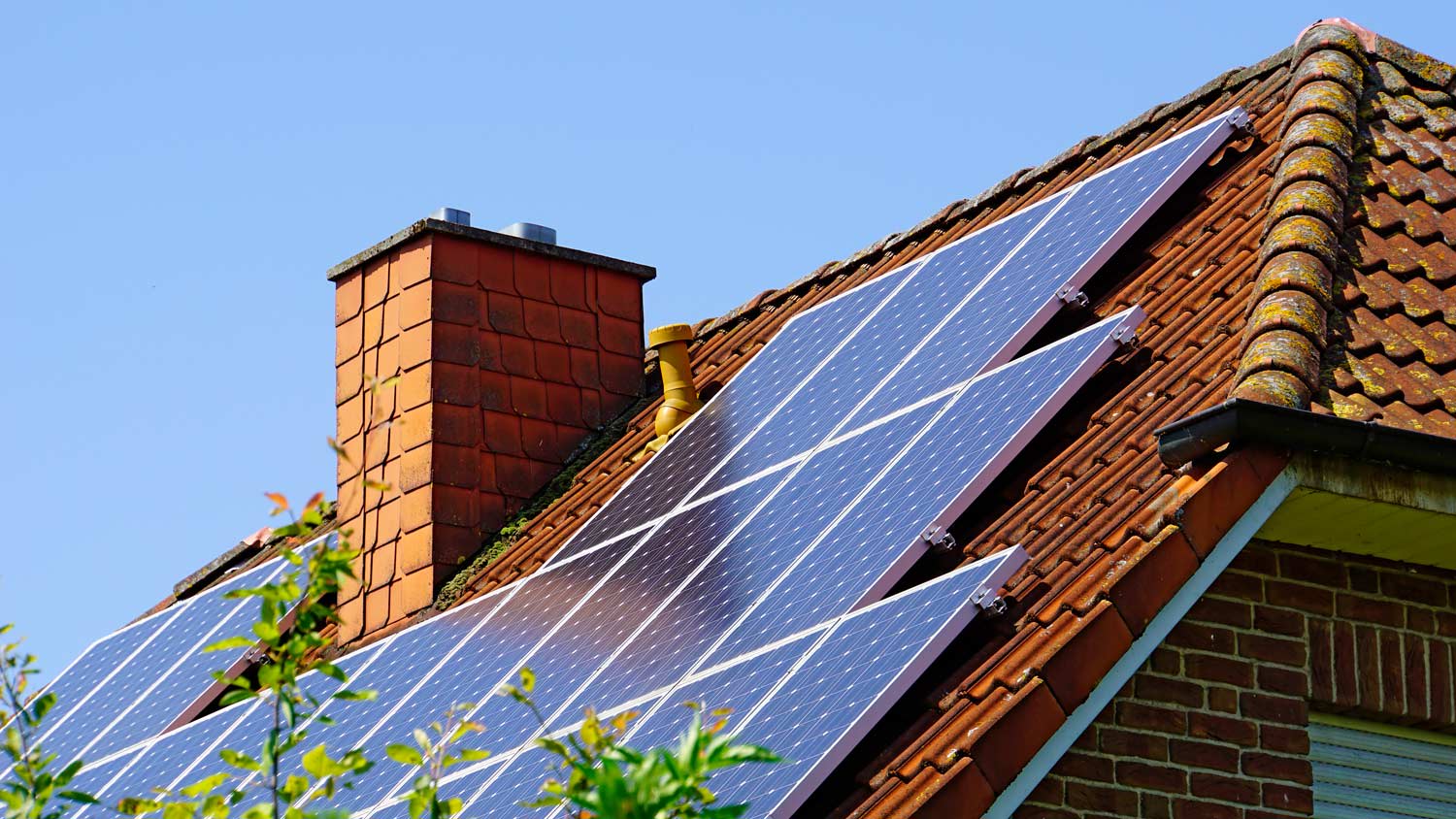
•
Discover the average solar panel installation cost, key price factors, and expert tips to help you budget for your solar project.
Reduce your tax bill while boosting your home’s energy efficiency

The federal solar tax credit for 2026 lets you claim 30% of your solar installation cost, reducing your federal taxes dollar for dollar.
Solar panel installations cost $20,000 to $30,000, and the 30% tax credit saves you $6,000 to $9,000 on average when you file.
You must own your solar system and file IRS Form 5695 the year your panels become operational to claim your credit successfully.
Hiring a local solar panel installation professional keeps you off the roof and handles electrical work, ensuring your system qualifies for the tax credit.
Looking to power up your savings while powering your home with renewable energy? If you’re a homeowner considering solar, now is a great time to take advantage of federal solar tax credits. Switching to solar with this credit can save thousands on a solar panel installation. Here’s everything you need to know about how solar tax credits work, who qualifies, and how to tap into this valuable incentive.
According to Energy Star, the federal solar tax credit, or Investment Tax Credit (ITC), lets taxpayers claim up to 30% of the cost of a photovoltaic (PV) solar energy system as a credit on their federal tax returns. It offers a major financial incentive to switch from fossil fuels to renewable energy systems.
If you choose a renewable energy system for your home—like solar panels, solar water heaters, wind turbines, or geothermal heat pumps—you can save money through the Residential Clean Energy Credit. According to the Internal Revenue Service (IRS), the program offers a tax credit of up to 30% of the costs of certain clean energy systems installed in homes.
Tax credits for both programs were originally set to expire in 2022, but, as the White House Inflation Reduction Act Guidebook explains, they now last through 2034. However, the credit percentage for both programs will drop to 26% in 2033 and 22% in 2034 before phasing out entirely in 2035. So, you’ll need to install your renewable energy system by 2032 to claim the full credit.
Solar tax credits are a dollar-for-dollar reduction of your federal taxes. This is more valuable than deductions—which reduce taxable income, whereas tax credits directly lower the amount you owe for a given year—or rebates, which some solar dealers account for by raising sticker prices.
Some kinds of solar panel ROI, like energy savings and increased home value, take time. But the solar tax credit applies to your taxes the same year you install your panels, which can help offset initial costs and solar panel financing.
There is no maximum dollar limit to the tax credits. Additionally, if the tax credit exceeds the taxes you owe for the year you install your solar energy system, you can roll over the unused portion to future tax years.

To qualify, you must own the solar energy system, not rent it. You will not qualify if you lease your solar panels or sign a power purchase agreement like those outlined by the U.S. Department of Energy.
The solar installation must be installed and used at your primary residence for full credit. All types of dwellings qualify, including homes, houseboats, and solar panels on mobile homes. If you install a solar array on a vacation home, secondary home, or rental property, you may qualify for partial credit.
You can only claim the credit for the year your system becomes operational. For example, if you hire a local solar panel company to install your system in 2024 but don’t activate it until 2025, you can claim the credit on your 2025 tax return.
The federal solar tax credit for homeowners applies to more than just solar panels, including the following:
Solar panels and related equipment, including inverters, wiring, and mounting hardware
Other renewable energy systems including wind and geothermal for homes
Labor costs for installation, including permit and inspection fees
Energy storage systems, including batteries, with a capacity of at least 3 kilowatt-hours (kWh)
Sales tax on eligible expenses
Expenses that do not qualify include roof repairs or replacement, tree trimming, and upgrades to roofing components like trusses and shingles—unless they specifically help with solar energy generation. Installing solar shingles would apply, but replacing traditional shingles would not.
Before installing solar, check the age and condition of roof shingles. If your roof is 20 years or older, you might want to consider replacing the roofing before installing the solar panels.

Federal solar tax credits allow homeowners and businesses to deduct 30% of the cost of solar and other renewable energy systems from their federal taxes. On average, solar panel installations in the U.S. cost between $20,000 and $30,000, which means homeowners save between $6,000 and $9,000 on average with the current renewable energy tax credits.
The installation of solar panels and other types of renewable energy systems can boost your investment right away with tax savings. Considering additional long-term energy savings, solar panel installation could be worth it for your home.
Along with federal solar tax credits, you can benefit from state and local incentives, including rebates and exemptions. Additionally, many utility companies offer net metering that credits you for excess electricity your solar system generates and sends back to the grid. You can also sell renewable energy certificates (RECs) in some areas.
Here are additional ways to save when you install solar:
Utility rebates: Utility companies sometimes offer rebates on the cost of your solar installation.
Net metering: You might be able to get credit for excess energy that your solar system generates and exports to the local grid.
State tax credits: Many states offer solar tax credits separate from federal credits.
RECs: Earn money from renewable energy certificates for electricity your solar panels generate.
You’ll need to complete IRS Form 5695 for Residential Energy Credits and include it with your federal tax return for the year you install your system. If a tax professional files your taxes for you, tell them about your solar installation and ask if you qualify for state and federal tax credits.
1 tree was cut down and 5 others including a large willow tree were trimmed. The Grant Tree Service men were professional and cleaned up afterwards. The cost of the 6 trees were affordable. I am very happy with the results. I would hire them again.
 Grants Tree Service
As usual with ECO, tech Jordan was outstanding, very professional, very knowledgeable, and very thorough with repairs made to tankless water heaters. Very highly recommend ECO!!!
 Eco Plumbers, Electricians, and HVAC Technicians
I conferred with 2 other contractors before Armstrong Electric. Nick and his crew showed me that the project was not as convoluted as the other contractors made it appear to be. They completed the entire project on time. They were professional, friendly and cleaned up after at completion. I...
 Armstrong Electric LLC
Window Depot did an amazing job on my deck. I wasnt sure what I wanted to do, but their composite decking was affordable and will last a long time. I am excited to have family over, and I am no longer embarrassed by my backyard. Jeff and the ground crew were polite, respectful, and caring for...
 Window Depot USA of Central Ohio
The techs on my project, Shawn and Cliff, were great. They were prompt, courteous, and efficient. I am very happy with the results and would definitely contact Mr. Electric for any future electrical projects.
 Mr. Electric of Columbus
Wonderful. I am going to have them remove and replace my driveway in the spring.
 All Star Paving and Sealing
Look forward to them getting started in our basement here soon. Extremely professional, very detailed and was a pleasure to have around. Anything we needed to work on or change in the middle of the project, they were open and willing to work with me.
 Jones & Sons Construction LLC
Did an amazing job transforming my yard. Also installed sod in places, would recommend to everyone.
 Cardinal Landscaping & Construction LLC
Manuel Calvillo is the best option in the area for roofing and you won't be disappointed.
There were some unsatisfactory issues with the product quality, no fault of Panel Town. They were handled quickly and professionally and in the end, exceeded my expectations. I believe that is a measure of a quality merchant. <br />
From average costs to expert advice, get all the answers you need to get your job done.
Discover the average solar panel installation cost, key price factors, and expert tips to help you budget for your solar project.
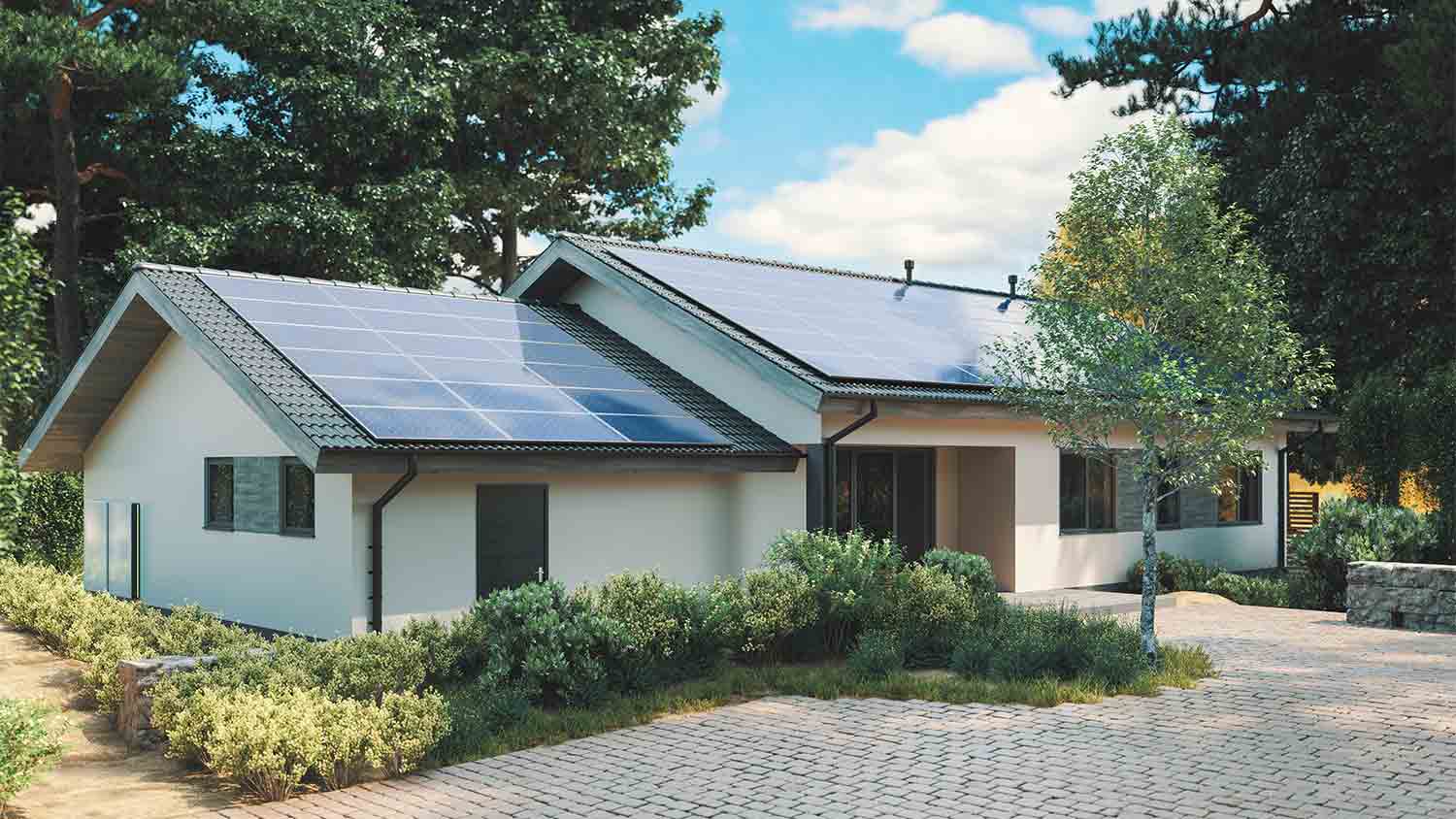
Solar battery costs depend on the size of your system, labor, and capacity. Learn how much you could pay for batteries for home solar systems.
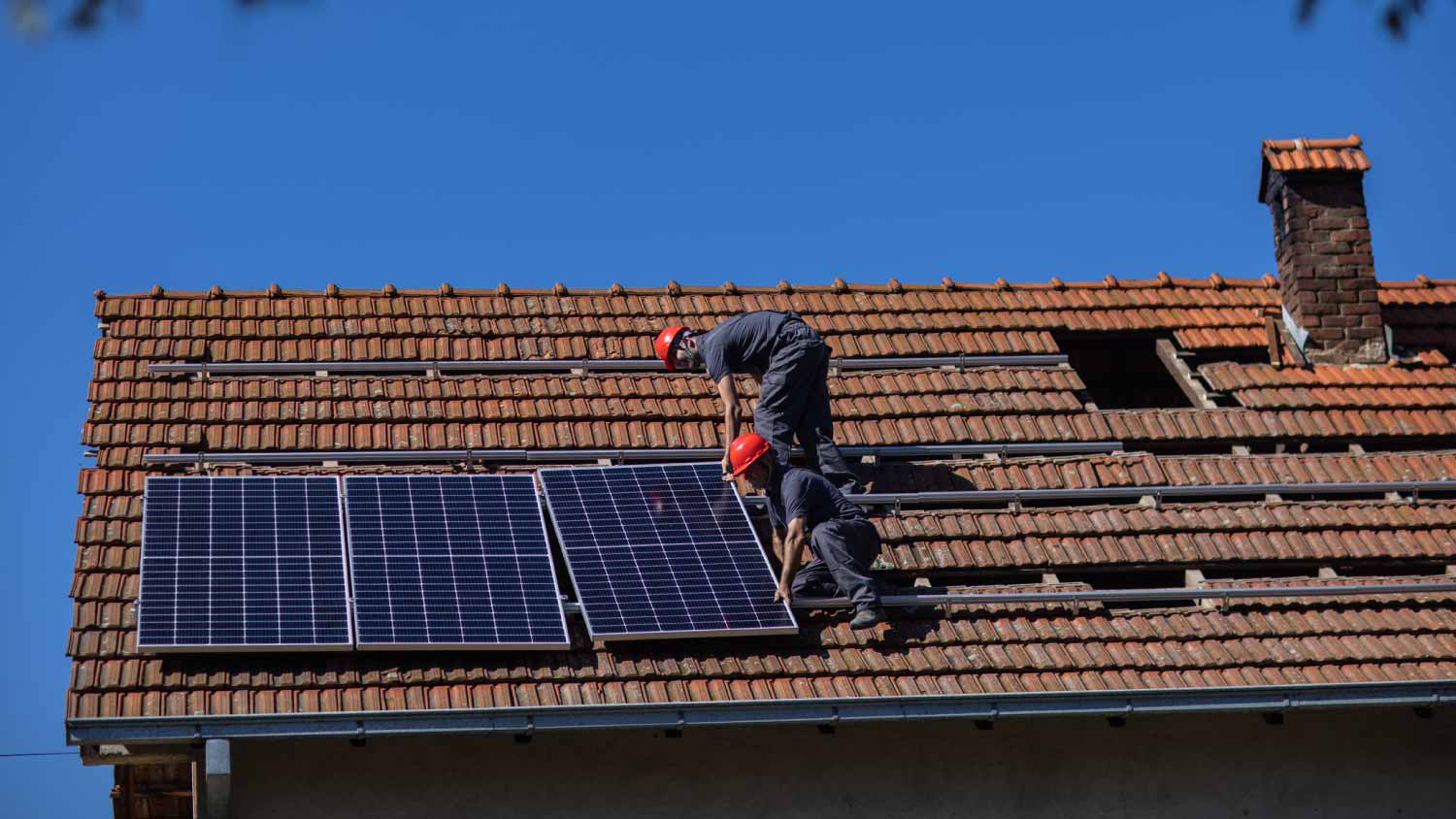
Solar inverters are a crucial part of your solar energy system. This guide breaks down solar inverter costs so you can estimate the price of your project.
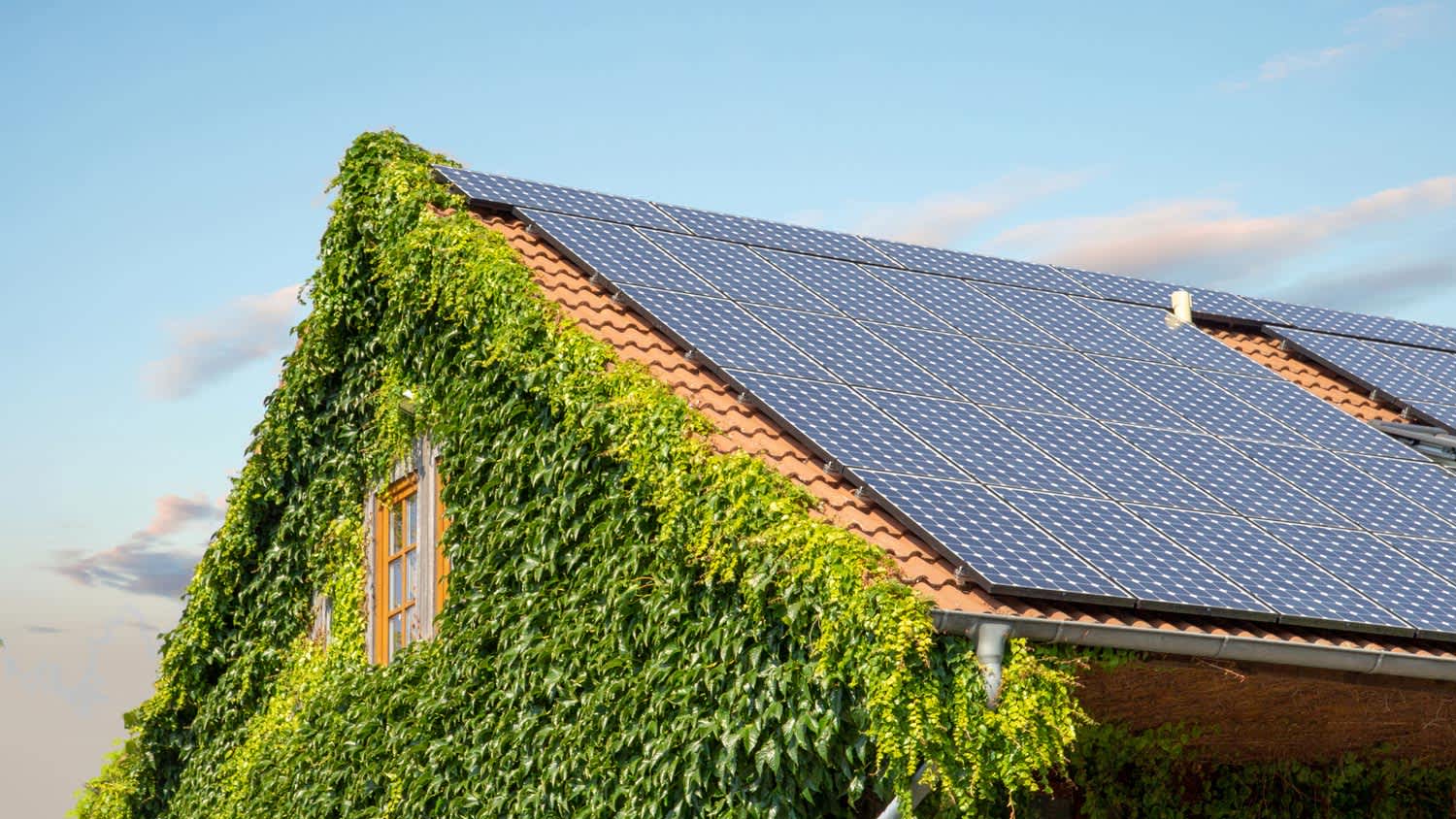
Tax incentives for solar panels and energy-efficient home upgrades can save you money now and later. Here, we detail what home improvements qualify for tax credits.
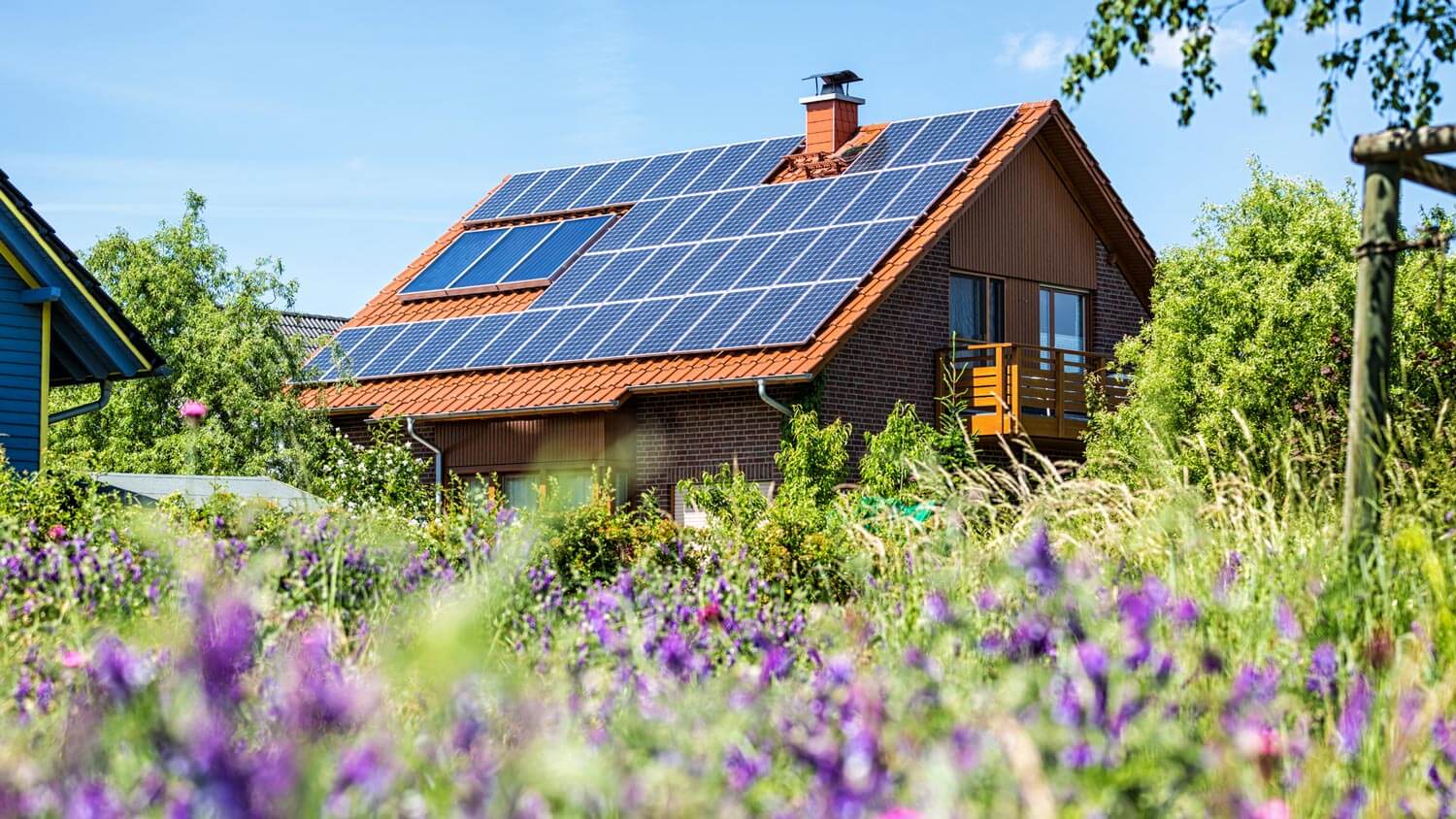
A solar panel system is a great way to lower energy bills, but it can be expensive to install. Here's what to know about solar panel finance options.
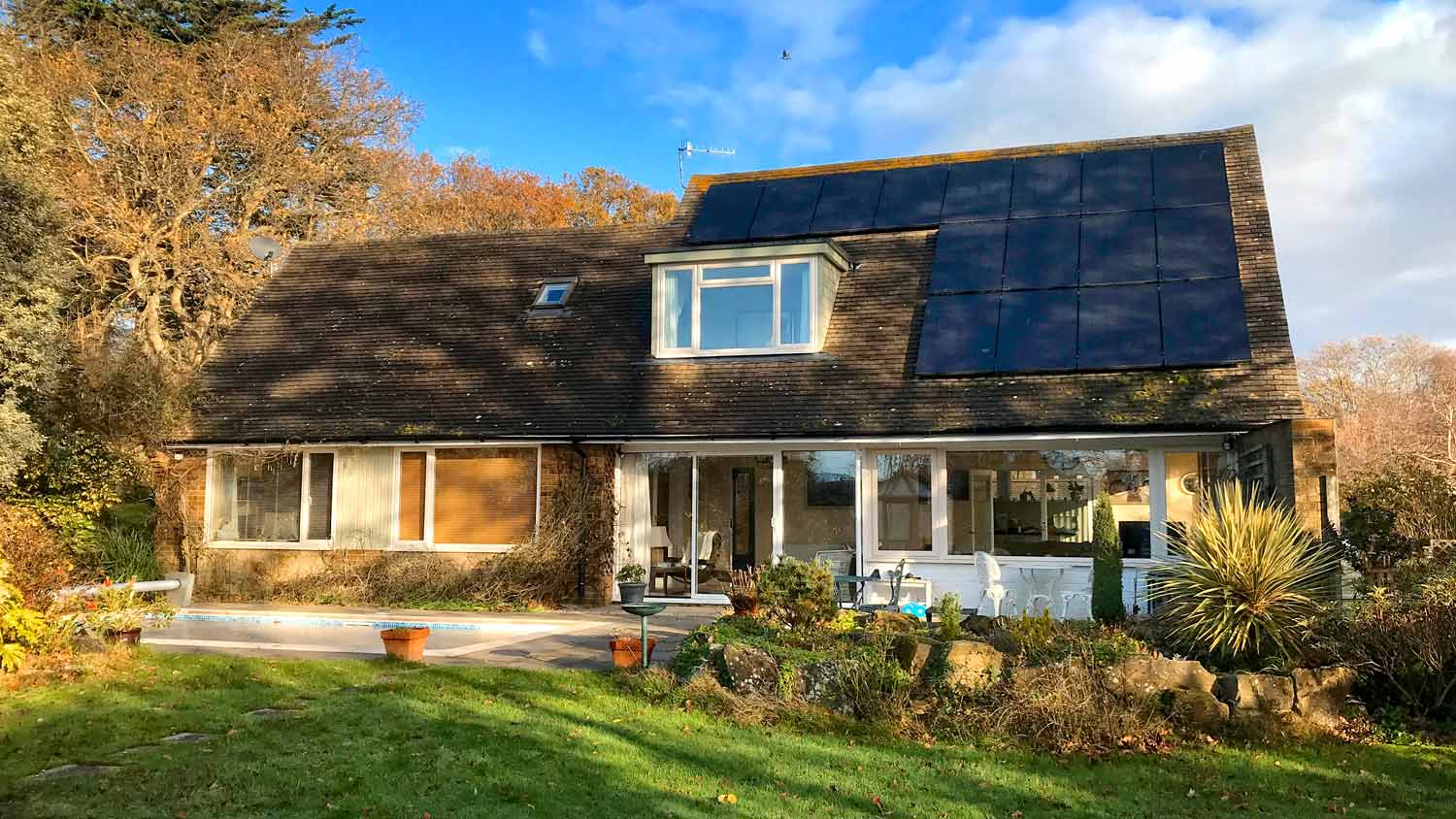
Discover the top 10 states with the best infrastructure for solar panels and find out if solar will work for your home.