
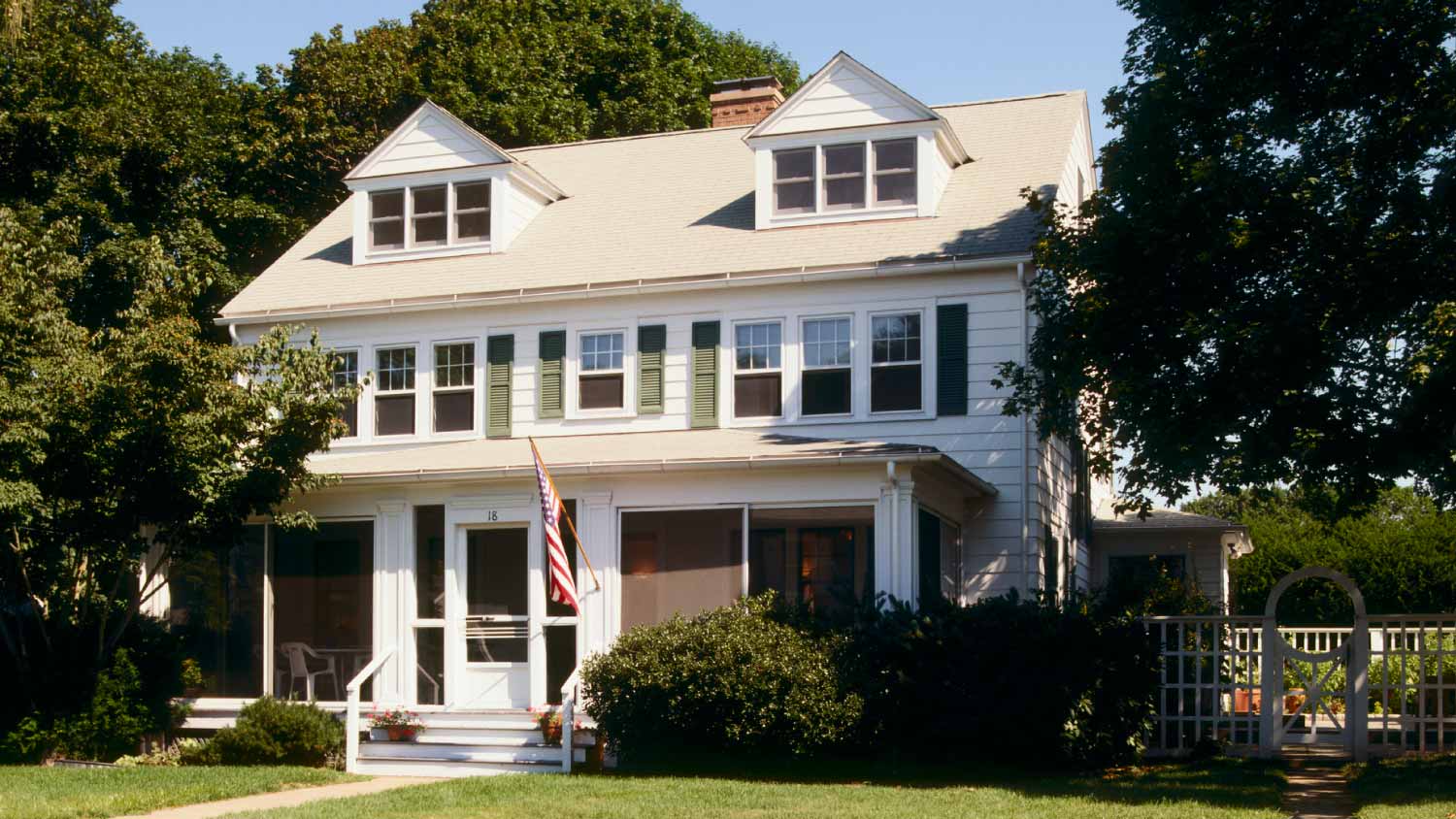
The cost to paint trim on a house depends on several factors. This informative cost guide will help you budget for your upcoming paint project.
Find the foolproof formula for a flawless paint finish for your home’s trim

Semi-gloss is the best paint for baseboards and trim because it balances durability with a contemporary look while resisting moisture and cleaning easily.
Your trim paint choice depends on the finish's sheen level, the room's traffic and moisture exposure, and whether you prefer oil-based or acrylic-latex formulas.
Sand your trim smooth, patch holes, wash the surface, and apply primer before painting to ensure a professional, long-lasting finish on every baseboard.
Hiring a local interior painting professional keeps your trim work neat and polished, especially when cutting in edges and applying multiple coats for durability.
It’s easy to overlook the importance of interior trim when mapping out the many elements of a room makeover, but determining the best paint for trim is an essential step. These finishing touches can be a secret design weapon—millwork like trim frames, floors, doors, walls, and windows cover the gaps between building transitions for a softer, more polished look.
Durable gloss was the go-to paint sheen level for interior trim a few decades back. However, formulas have advanced significantly in recent years, meaning while semi-gloss is still the most popular choice, other finish options aren’t off-limits when painting trim. Whether you’re tackling baseboards, crown molding, or door or window casing, the type of paint you use on trim depends on your desired aesthetic, practical function, and budget. Follow these tips to find the best paint for trim in your home.

High-gloss sheen might be the most durable option, but that doesn’t mean it’s ideal for painting trim. This paint’s highly reflective finish can brighten a small space and highlight the trim, but it can also look dated and show imperfections in the trim and brush strokes. Check out the pros and cons of using this type of paint on your home’s trim.
| Pros | Cons |
|---|---|
| Durable, hard finish | More expensive |
| Moisture-resistant | Takes 48 hours to dry |
| Easy-to-clean | Reflective surface shows imperfections |
| Resistant to yellowing and sagging | Difficult to apply |
| Can withstand temperature fluctuations | Can look dated |
High-gloss paint brands:
Valspar® Ultra High Gloss Paint + Primer
Benjamin Moore® ADVANCE High Gloss Interior/Exterior Paint
Sherwin-Williams® ProClassic Waterborne Interior Acrylic Enamel

Semi-gloss paint is the most popular paint finish for trim. It shares many high-gloss qualities but strikes a better balance between appearance and functionality. Semi-gloss is a popular paint for doors, cabinets, and trim due to its durability. This finish is easy to clean and will highlight imperfections in trim less than high-gloss paint. Its surface is still reflective enough to brighten a room and it has a more contemporary feel than high-gloss paint.
| Pros | Cons |
|---|---|
| Durable | Difficult to apply |
| Moisture-resistant and easy-to-clean | More expensive than satin or matte paint |
| Less expensive than high-gloss paint | May still show imperfections and brush strokes |

Now more durable, not-too-shiny satin paint formulas can work on trim, especially if it isn’t a high-traffic area, like crown molding or picture rails. Satin paint won’t reflect light as much as high-gloss or semi-gloss paint, so it’ll show fewer imperfections but won’t add the same brightness and contrast that higher gloss finishes do.
| Pros | Cons |
|---|---|
| Affordable | Difficult to clean |
| Easy to apply | Less durable than gloss paints |
| Won’t show imperfections | Not ideal for baseboards |
Satin paint brands:
Wattyl® Aqua Trim Satin
Valspar® Signature Paint + Primer

Traditionally, resin-light matte (low-sheen) or flat (no-sheen) paints weren’t tough enough to handle the scuffs, stains, and moisture that heavy-traffic baseboards and door and window frames experience. However, if you are set on using this finish, some more pricey, durable matte finish formulas are marketed as suitable for use on trim.
| Pros | Cons |
|---|---|
| Hides flaws and imperfections | Less durable than other finishes |
| Easy to apply | Difficult to clean |
| Quick-drying | Prone to mildew buildup |
Flat/matte paint brands:
ECOS Matte Paint
Sherwin-Williams® Premium Interior Latex Matte Finish

It’s not just about working out what finish you want. Let’s look at the other ingredients that influence your paint selection for trim in your home.
Durable, moisture-resistant oil-based rather than latex paints were once the only way to go for trim. The longer drying time and thick formula helped to prevent unsightly, streaky brush strokes and sagging.
However, more acrylic-latex (water-based) formulas are now available for use on trim. They have additives that help ensure a durable, smooth, stroke-free finish. These options are safer, more environmentally friendly, quicker to dry, and easier to clean up. Unlike oil-based paints, they are free from volatile organic compounds (VOCs) that emit harmful fumes, and you won’t need to pull out the harsh paint thinners to clean the brushes or get rid of accidental drips or spills.
White might be the most common color when painting trim, but it doesn’t have to be the only option.
White: You can’t go wrong with versatile and neutral white on trim. Select the shade that complements your room's wider decor, colors, and light. If you’re unsure, pick a white paint shade with cool or warm undertones to match your wall colors.
Dark Trim: Using a paint on trim darker than the shade on your wall can add depth to your room. Black trim in a room with white or light-colored walls can add a luxe, dramatic vibe.
Match your walls: Try matching your wall and trim paint to create a clean, contemporary aesthetic. It can also make the space look bigger in a low-ceiling space.
Most quality, modern trim paints contain additives to prevent your woodwork from turning an unsightly yellow. This factor is especially important in rooms exposed to bright UV rays. You don’t want your window frames yellowing while your crown molding remains a crisp white.
If you want the best finish, follow these tips for how to paint trim like a pro.
Clear the area and cover any nearby furniture. If you're painting baseboards with carpets, pull back the carpet to protect it from drips.
Sand off imperfections and peeling paint first.
Patch any holes in your trim and sand again for a perfectly smooth surface.
Box in your trim with painter’s tape to achieve neat edges.
Wash the trim to promote good paint adhesion and allow it to dry fully before getting the paintbrushes out.
Apply primer if you are working with bare trim, you want to help prevent stains from seeping through, you’re going from a dark to light shade, or you just want to guarantee the most uniform, long-lasting finish.
Apply at least two coats of paint for a durable, even finish, and avoid the common painting mistake of overloading your brush.
Wait for the final coat to be tacky but not fully dry before removing the painter’s tape.
And, if your brush skills aren’t up to much, consider hiring an interior painter near you. The average cost to paint the interior of a house trim is $1 to $3 per linear foot—money well spent for a neat, long-lasting finish.
Custom Paint Jobs LLC is the go-to choice for all your painting needs. They painted both the interior and exterior of my house flawlessly. Their work speaks for itself!
 Custom Paint Jobs, LLC
Beginning with the estimate, Larry and Peyton were super helpful in getting my new condo's interior re-painted. Not only was the job well done, but also done in a super timely manner as promised.
 Five Star Painting of Plain City and Powell
From average costs to expert advice, get all the answers you need to get your job done.
The cost to paint trim on a house depends on several factors. This informative cost guide will help you budget for your upcoming paint project.
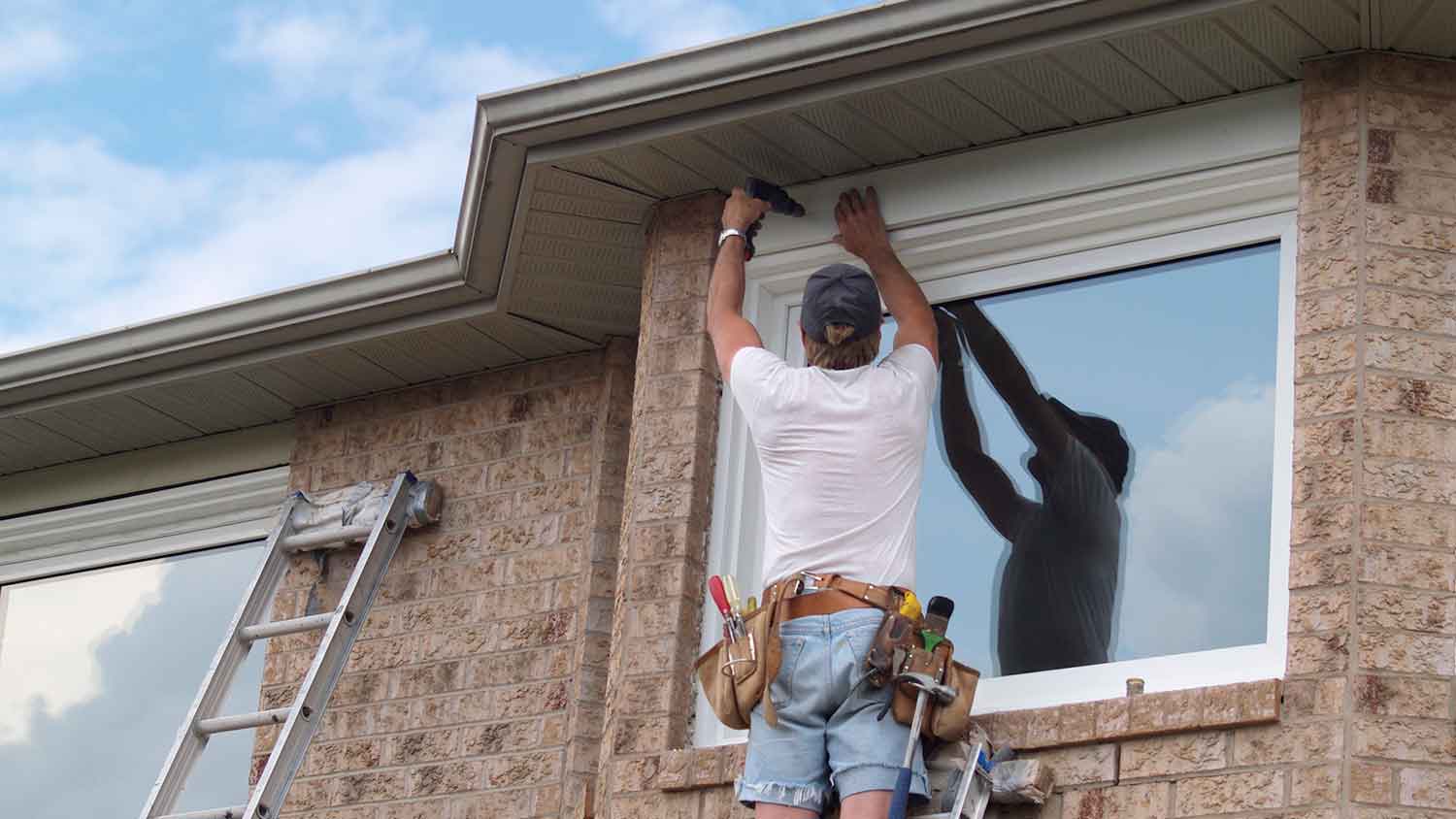
Discover the cost to install window trim. Learn about price factors, labor, materials, and tips to save on your window trim installation project.
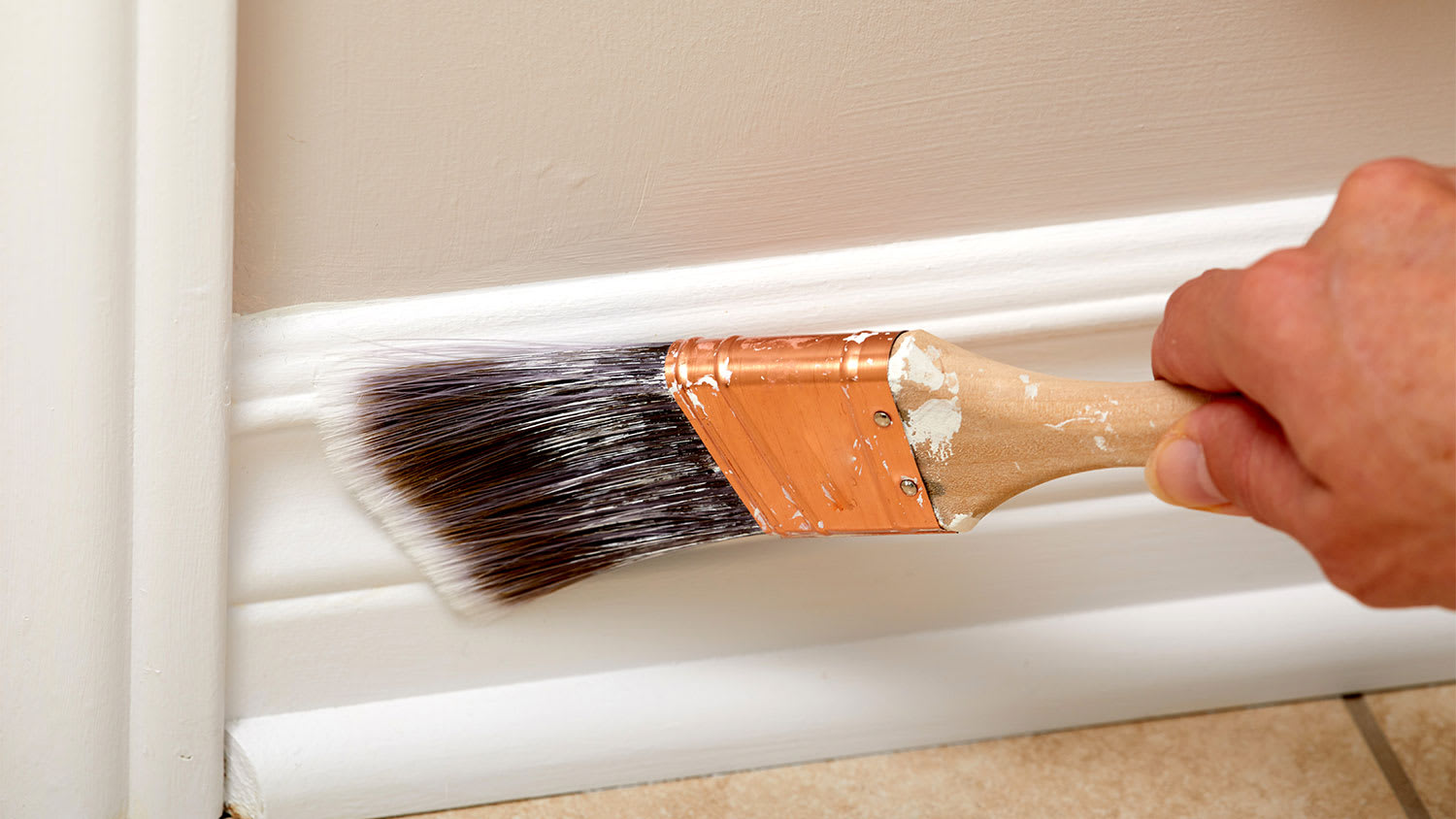
Is there a huge difference between stained trim vs. painted trim? The right choice for your molding and baseboards depends on your home.
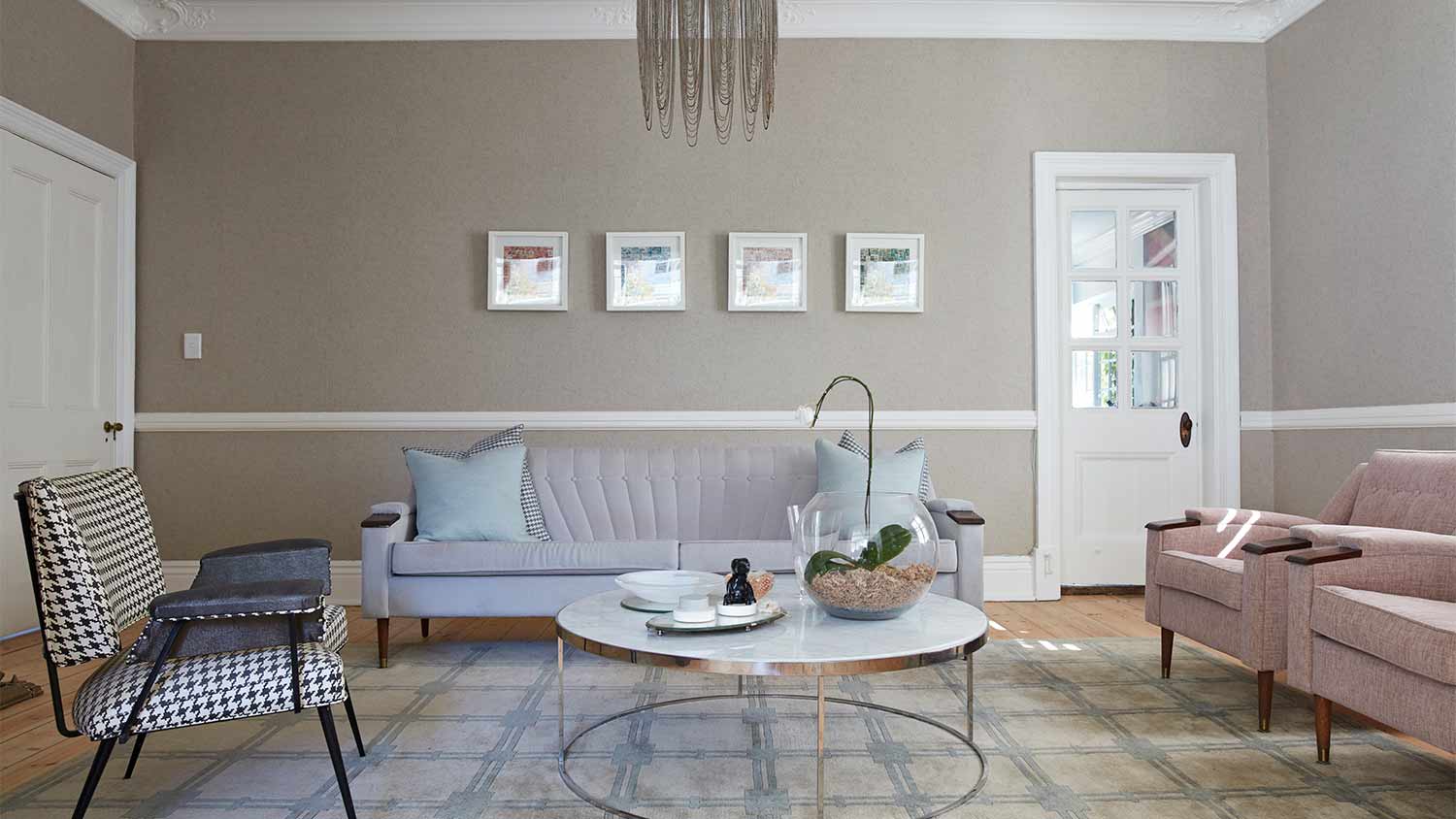
You can use several kinds of brushes for baseboards and trim painting. Discover which brush is best to paint trim work in every situation.
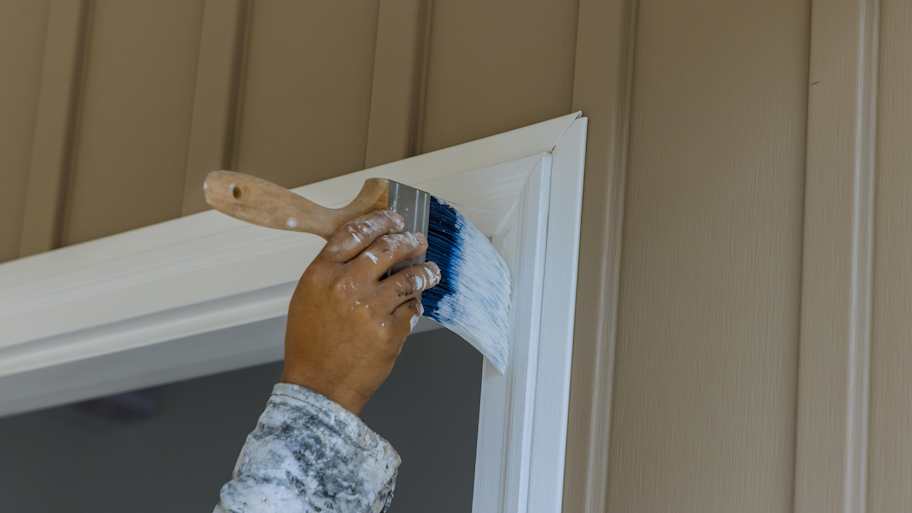
Painting trim is an exacting process where mistakes are costly. Here are some useful tips for painting trim that will save you time and frustration.

Looking to create a cohesive look with the accents in your living space? Learn about the paint colors that go well with wood trim to nail the aesthetic.