
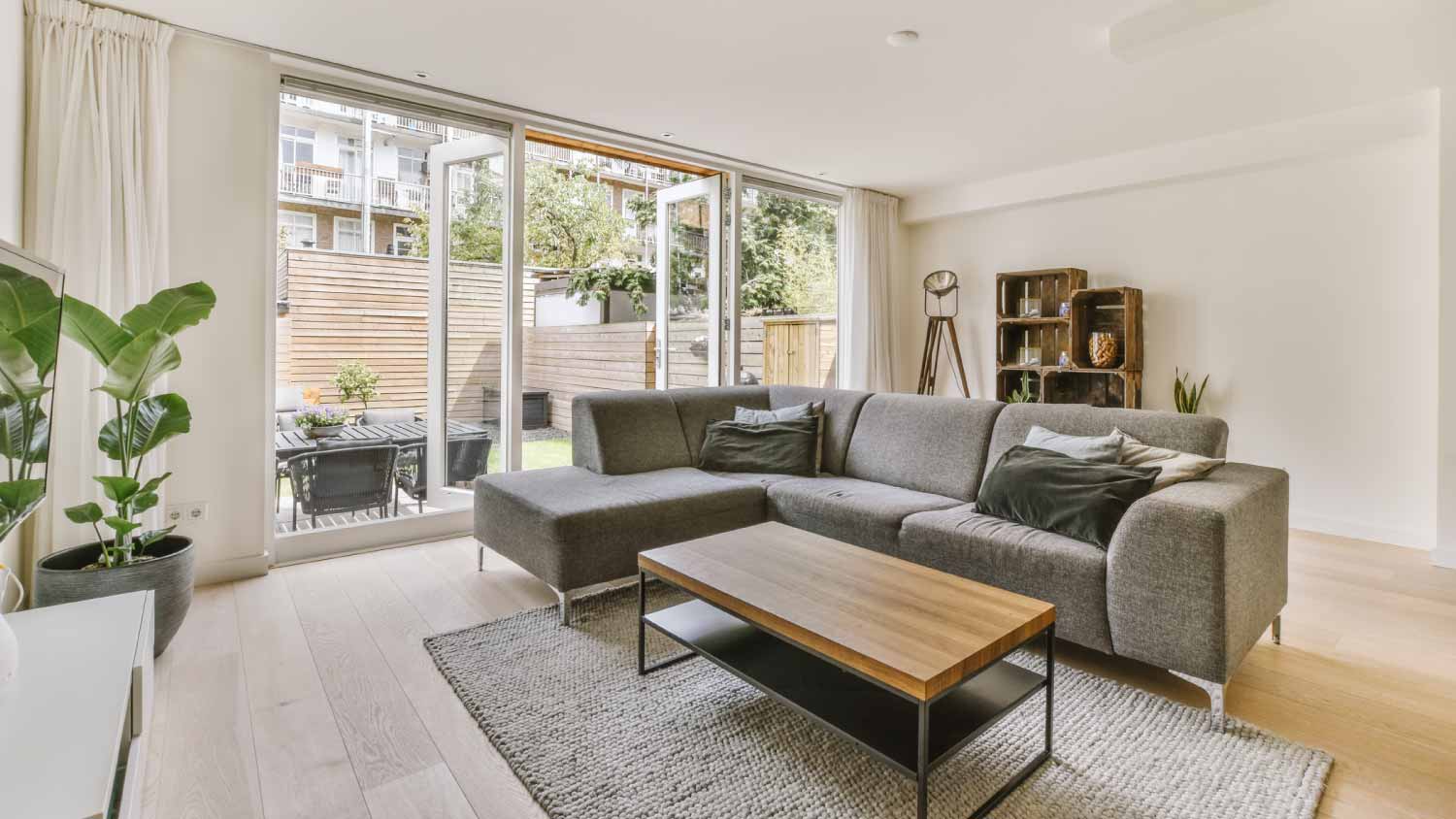
Eggshell paint is a medium-sheen paint that resists wear and tear nicely. Decide if this popular paint option is a good choice for your home by learning about the pros and cons of eggshell paint.
Make sure you finish that project beautifully by picking the right kind of paint

Eggshell paint and satin paint both offer low to mid-level sheen, but eggshell is more matte while satin has a glossier finish.
Eggshell paint costs $25 to $28 per gallon, while satin paint costs $27 to $30 per gallon, making eggshell the more affordable option.
Your choice between eggshell and satin finishes depends on your room's traffic level, wall condition, cleaning needs, and whether you prefer less sheen or more durability.
Hiring a local interior painting professional keeps your project on track with proper surface prep and flawless application, especially for larger rooms or detailed work.
Out of all the many available paint sheens, two of the most commonly selected finishes are eggshell and satin. They’re neither the most matte nor the most glossy, which may account for their popularity. But how do you choose between the two? Let’s examine some of the pros and cons of each finish.
Eggshell and satin are both in the lower to middle end of the reflectivity spectrum, neither too shiny nor the most matte. That’s probably why, for so many homeowners, the paint finish choice comes down to these two options.
Eggshell paint is slightly less reflective than satin. The lower reflectivity means it hides flaws in the wall and the application better, and it’s also a bit more affordable. Satin’s higher sheen level makes it easier to clean and a bit more durable, but it comes at a higher cost. Satin paint will hide stains a little better, but it will showcase imperfections on your wall.
Depending on the features that are most important to you, one might be better suited to your project than the other.
| Type of Difference | Eggshell Finish | Satin Finish |
|---|---|---|
| Appearance | Low sheen | Higher sheen |
| Cost per gallon | $25–$28 | $27–$30 |
| Application | Hides imperfections | Shows imperfections |
| Ease of cleaning | Harder | Easier |
| Durability | Lower | Higher |
Whether eggshell or satin paint is right for your project comes down to personal preference. If you prefer less sheen on your walls or ceilings, eggshell is the better option. You should also consider that eggshell paint hides wall imperfections better, so it’s the superior option if your walls aren’t perfectly smooth. Eggshell paint also hides painting mistakes a bit better.
On the other hand, the more intense sheen of satin paint can brighten up your room a bit and make it feel larger, so it’s a popular option for cramped spaces, like hallways or small bedrooms.

For every level you climb on the paint finish reflectivity scale—like going from eggshell to satin or satin to semi-gloss paint—you can expect to pay $1 to $2 more per gallon. Eggshell paint costs between $25 and $28 per gallon, while satin paint is slightly more expensive at $27 to $30 per gallon.
According to the National Association of Home Builders, the average size of a newly constructed living room ranges from 250 to 400 square feet, depending on the size of the home. Given a median living room size of 325 square feet, a coverage rate of about 400 square feet per gallon, and a two-coat application, you’re not spending a great deal more for satin than for eggshell—around $4 more in total.
You probably won’t notice much difference between how easily eggshell paint glides on compared to satin paint. As noted above, though, eggshell is slightly more forgiving of painting errors, so if you’re not a very experienced interior painter, eggshell might be a better choice.
If you’re at all nervous about a DIY paint job, regardless of which type of paint you choose, you can always hire a local interior painting company to take care of your project from start to finish.
The glossier finish of satin paint makes it easier to clean than eggshell. Thanks to that slicker surface, you’ll find it somewhat easier to wipe off surface dirt, mildew, mold, and food or drink.
What’s more, eggshell paint has a bit more pigment than satin paint, which can mean you’ll have to work harder to wipe off hand and fingerprint smudges and other kinds of dirt. If the room you’re painting will see a lot of use and potentially attract a lot of dirt, like a kitchen or a child’s playroom or bedroom, you might want to choose a satin paint finish.
Satin finishes have a slight edge over eggshell finishes in terms of durability. That’s primarily because of its lower concentration of pigment particles and its higher concentration of binders. It’s the better choice in those playrooms and other rooms that get a lot of rough use, as you’re likely to have to repaint or touch up less often.

Eggshell paint is a better option for hiding dents or unevenness on your walls and painting mistakes because there will be less light reflecting off of the imperfections. The lower sheen, though, also makes it a harder paint to keep clean, so it may not be ideal in high-traffic areas. While it’s less expensive, it’s also a bit less durable, so you’re more likely to have to touch up and redo your paint project more often.
Finally, it doesn’t resist moisture as well as satin paint, so you may want to avoid using an eggshell finish in areas where steam and humidity are concerns. For example, eggshell isn’t the best paint finish for a kitchen or bathroom.
| Pros | Cons |
|---|---|
| Hides imperfections | Less durable |
| Easier to apply | Harder to clean |
| Less expensive | Best for dry areas |

The higher sheen level of satin paint makes it more durable and allows it to stand up better to moisture, making it a better option in bathrooms, kitchens, and laundry rooms. It’s also more durable and easier to clean, so it’s the superior finish for high-traffic areas. Satin paint’s shine can also brighten up a room, so it’s a popular option in cramped areas of your home.
On the other hand, satin paint will bring more attention to imperfections in the wall and application, so it may not be ideal if you don’t have perfectly flat walls or if you’re concerned about your ability to paint properly and you don’t plan on hiring a painter. It’s also a touch more expensive.
| Pros | Cons |
|---|---|
| Brightens rooms | Shows imperfections |
| Better durability | Tricker to apply |
| Easier to clean | More expensive |
Custom Paint Jobs LLC is the go-to choice for all your painting needs. They painted both the interior and exterior of my house flawlessly. Their work speaks for itself!
 Custom Paint Jobs, LLC
Beginning with the estimate, Larry and Peyton were super helpful in getting my new condo's interior re-painted. Not only was the job well done, but also done in a super timely manner as promised.
 Five Star Painting of Plain City and Powell
From average costs to expert advice, get all the answers you need to get your job done.
Eggshell paint is a medium-sheen paint that resists wear and tear nicely. Decide if this popular paint option is a good choice for your home by learning about the pros and cons of eggshell paint.
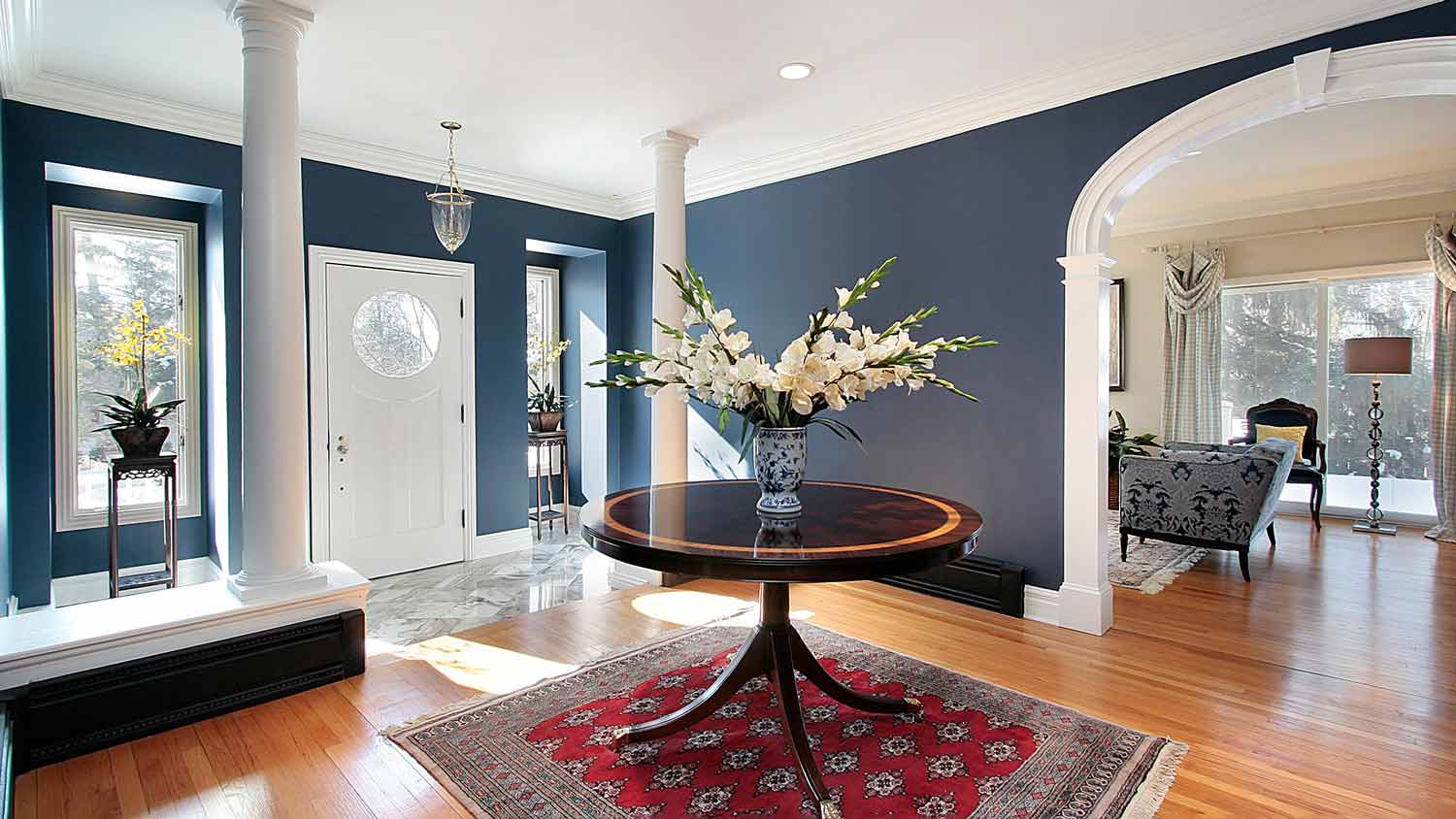
Matching the perfect paint sheen to the project you’re doing is easier when you understand the differences in eggshell versus matte paint finishes.

Satin paint is a popular choice for painting projects due to its durability and medium-glossy finish. Learn everything you need to know about satin paint.
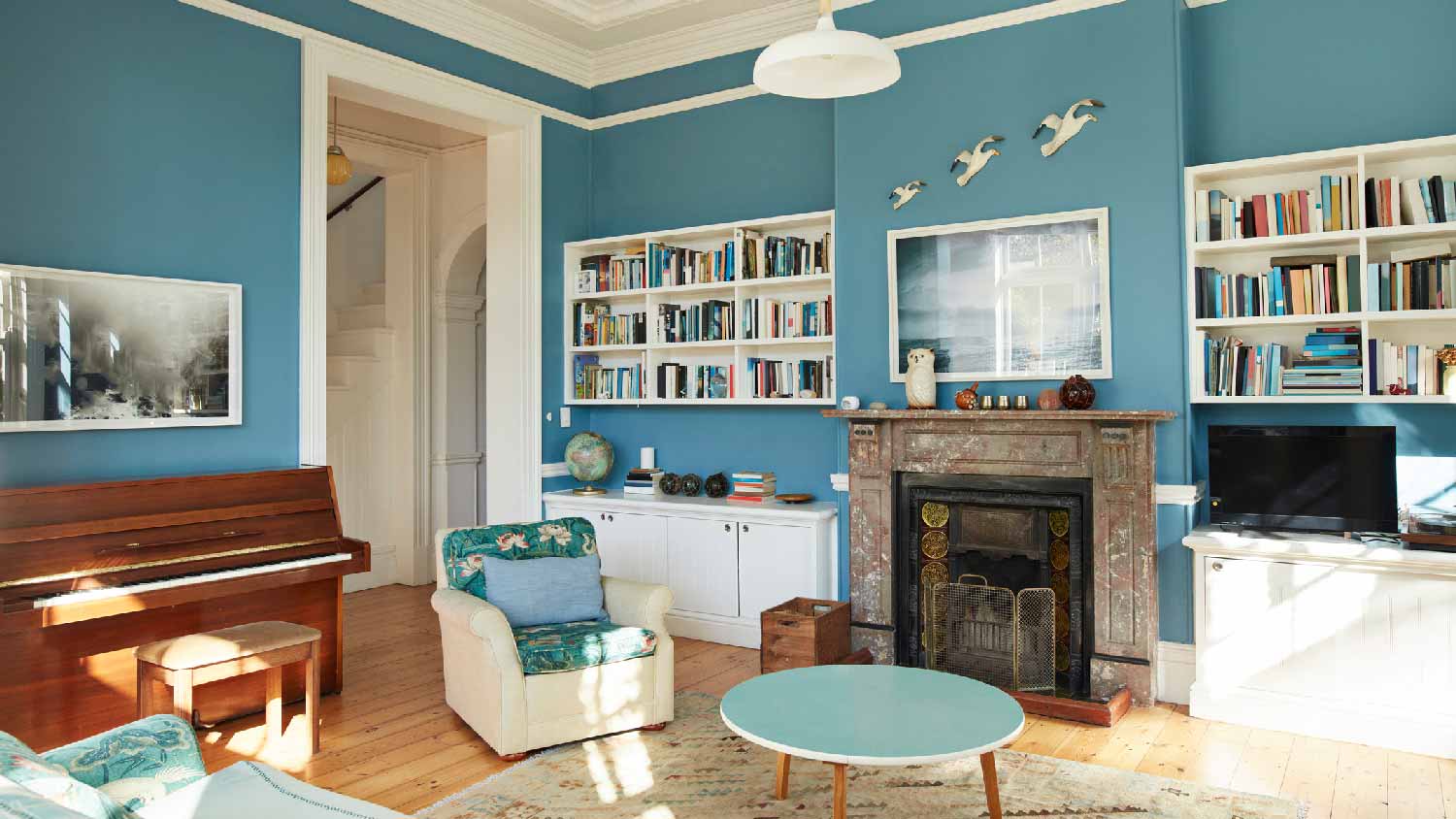
Picking the right paint matters, so here’s a guide to the difference between eggshell and semi-gloss paint so you can choose the sheen that’s right for your project.

When comparing eggshell vs. flat paint, consider your desired look, maintenance level, and budget. Use this guide to decide which is best for your project.
Learn the benefits and drawbacks of the types of paint finishes and which option works best for different surfaces in your home.