

When budgeting for possum removal costs, consider number of animals, location, method of removal, and whether you do it yourself or hire a professional.
An essential ingredient for successful possum trapping is picking the right menu

The best way to catch a possum starts with selecting smelly, sweet bait like wet pet food, fish, or overripe fruit to attract them into your trap.
Professional opossum removal costs range from $150 to $350, helping you handle trapped opossums legally and safely without relocation risks.
Pre-baiting the area for a few days before setting your trap lowers the opossum's suspicion and increases your chances of successful capture.
Hiring a local opossum removal professional provides peace of mind with humane trapping and legal disposal, keeping your family safe from handling wild animals.
Opossums are mild-mannered marsupials that rarely cause problems passing through your yard. However, trapping a nuisance individual perpetually pestering your poultry or living in your attic might be necessary. To help quickly contain the critter, you’ll want to select the best bait for opossum traps.
Check out our list of lush lures to find out if you already have something palatable in your pantry, along with other helpful possum baiting and trapping advice.
Opossums are opportunistic omnivores who enjoy a wide variety of foods, but they’re especially big fans of stinky and sweet snacks. It’s also handy that opossums aren’t the smartest species and are less wary of traps than some wildlife.
Below are some of the most tempting bait options for opossum traps.
Wet food works better than dry kibble, but if there are roaming cats around, they could end up as unintended captives.
Opossums regularly feed on carrion, so strong-smelling old meat, chicken entrails, and smoked bacon are tempting.
The distinct, pungent odor is enticing for opossums. Oily, tinned sardines, herring, or mackerel can work wonders, and these are the things you might have at the back of your pantry.
Opossums appreciate cracked raw chicken eggs, and, handily, this bait doesn’t have the strong odor of fish or meat that might attract other unintended animals to the traps. They’ll even be drawn to rotten eggs for the smell.
If you have overripe bananas, apples, melons, or grapes on hand, they make tempting treats cut up in opossum traps.
Try smearing peanut butter or jam onto a piece of bread.
Some trappers swear by using a piece of stale bread soaked in this strong-smelling oil as an irresistible opossum bait.

It’s not just the best bait you have to consider to get these critters into the cages. Some other trapping tips include:
Pre-bait the area: Lay out some tasty treats in the area for a few days before you set the trap to lower any suspicions the opossum has once the trap is in place.
Leave a bait trail: This can help attract opossums (who aren’t the smartest) toward and into the trap.
Pick the best bait position: Lay the bait at the back of the trap to ensure the opossum goes right inside and triggers the closing mechanism.
Screen the trap: Covering the trap with a screen helps disguise the cage, and the opossum is less likely to be able to grab the bait from outside the trap.
Switch up baits: Try a different type of food if the opossum hasn’t entered the trap after a few days.
Trapped animals can be dangerous, no matter their size. Do not attempt to handle them—call in a pro for safe removal instead.

Once the opossum is in the trap, you can’t just take it to a rural area and set it free. Relocating is typically illegal without a special license, as this increases the chance of spreading diseases or the opossum getting injured or dying in an unfamiliar place.
You can re-release trapped nuisance opossums in the immediate vicinity (while also taking steps to keep them from reentering your property), or, where state rules allow, humanely euthanize them. In the latter circumstance, consider hiring a local opossum removal specialist to handle the job safely, legally, and efficiently. The average professional opossum removal costs range from $150 to $350.
Unless an opossum is a major nuisance, prevention is a better long-term strategy than repeatedly trapping them. Some practical ways to get rid of possums from your yard include:
Exclusion: Introduce or repair opossum-proof fencing, trim trees to keep these animals off your roof, and seal up entries to potential den spaces such as attics, crawl spaces, and under decks.
Habitat modification: Prune overgrown shrubs and remove leaf litter, hollow wood piles, and yard debris that make good hiding spots.
Remove food sources: Seal trash cans, keep pet food indoors, and clean up fallen fruit and scattered birdseed. These all make attractive, easy meals for opossums.
Deterrents: Motion-activated outdoor lights, sprinklers, and repellents like predator urine can help. However, they’re best used alongside the techniques above, as opossums can become habituated.
One of my old tall evergreen trees was suddenly leaning toward the busy street in front of my house. I submitted a request for an emergency tree inspection, and Alejandro, owner of Cajete Tree Service, contacted me immediately and arrived to look at it just 20 minutes later. We agreed the...
 Cajete Tree Service LLC
Wonderful. I am going to have them remove and replace my driveway in the spring.
 All Star Paving and Sealing
Lyle did a great job removing asbestos shingles from our front porch roof. They worked together with our roofer to make sure that the new roof was able to be installed on the same day that Lyle removed the asbestos shingles.
 Lyle Environmental
Involved an extensive bathroom remodel, including removing tub & installing walk in shower, new drywall, custome tile work to ceiling, plumbing, etc. Overall, job was done on time and on budget. Nick & his team were very professional and had high attention to detail. Quality was great. Highly...
 Stamos Flooring and Remodeling LLC
Extremely well. Ohio Tree Care is my go to company for all tree care and snow removal services. they are professional, knowledgeable and affordable. I manage five camps in 33 counties and Ohio Tree Care has serviced every one of our properties. Highly recommend.
 Ohio Tree Care Inc
A team of 2 spent 5 hours, cleaning top to bottom (removed all light fixture and cleaned.... impressive!!!)
 Luzia's Cleaning
I would have given an "A" rating were it not for the devil being in the details. 1. The van rear doors, when open, expose the track area and that had not been cleaned. Noticeable only when you look for it and then it's obvious. 2. Was able to get 99.5% of the dog hair out of the cargo area...
 614 Detail
Great Job!!! Martin called me after I requested a estimate on Home Advisor. He was very professional and actually went the same day and looked at the tree I needed removed gave us a estimate and I felt it was very aggressive so I did not even call for any other bids. I asked him how soon he...
 Reyes Tree Service LLC - Home Facebook
Mike and his crew did a great job working through a very challenging task. The job required a full demolition of our ceiling, removing the blown in insulation and removing all the material from the site daily. It involved multiple inspections from the city and many challenges to get the...
 Rising Height Unlimited
Removed various items (furniture, lamps, other junk) from my home. They were on time, personable, professional, etc. I can't say enough positive things about this company. <br />
From average costs to expert advice, get all the answers you need to get your job done.
When budgeting for possum removal costs, consider number of animals, location, method of removal, and whether you do it yourself or hire a professional.
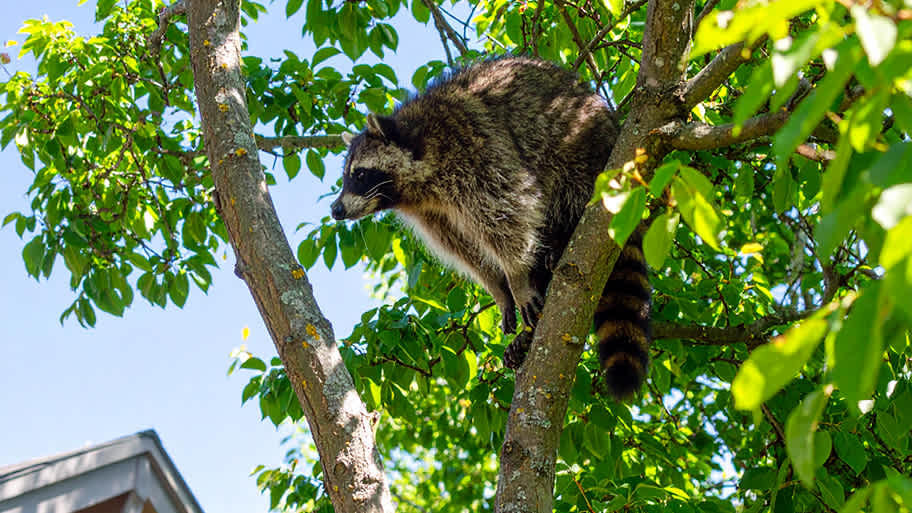
Tired of raccoons raiding your garbage can or taking up residence in your attic or crawlspace? Check out this list of the best raccoon baits to find the foods that will help you trap these pesky creatures so you can relocate them.
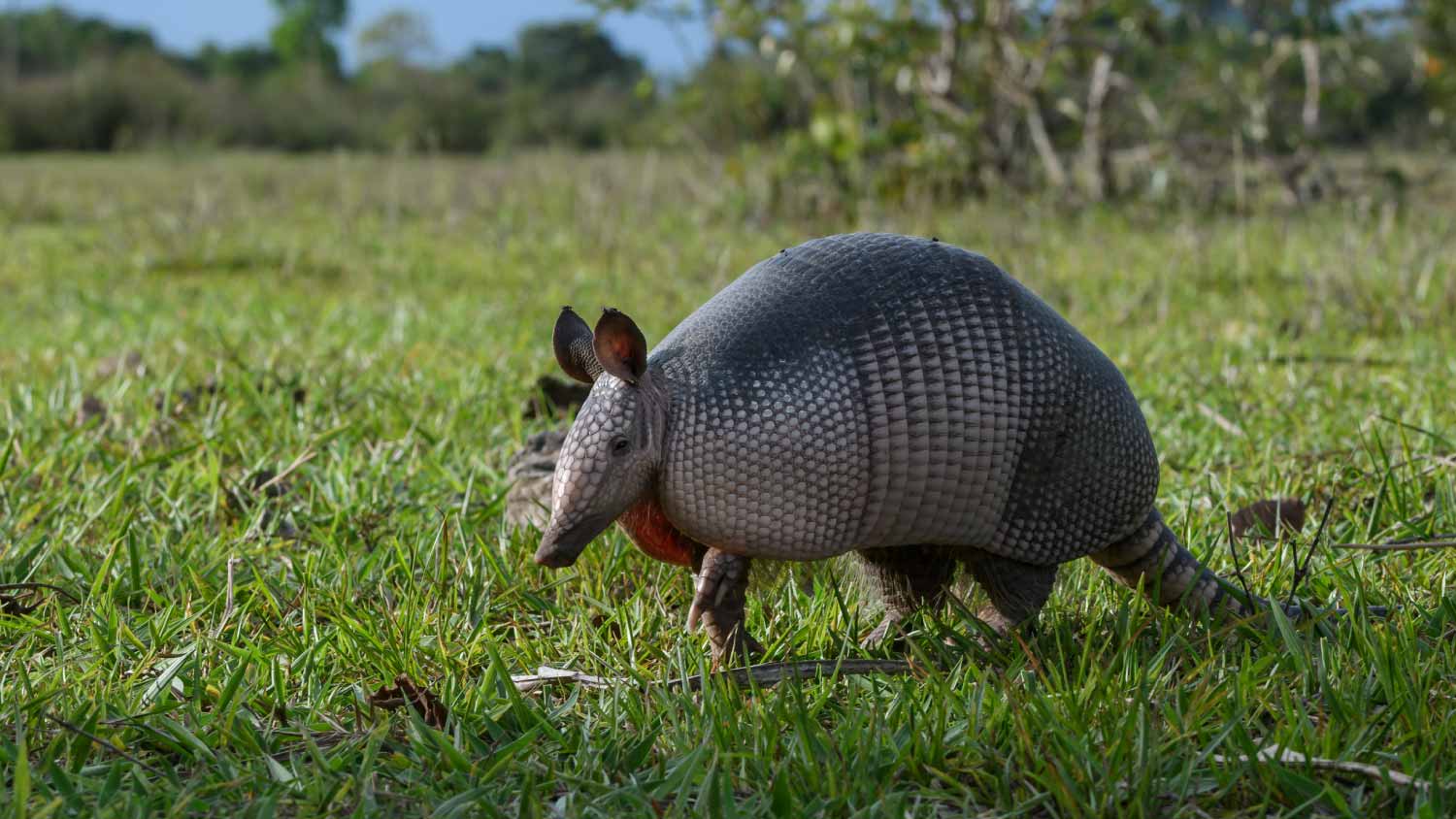
Armadillos often damage yards, gardens, and other property when digging for food. Here are the best bait ideas to get rid of armadillos.
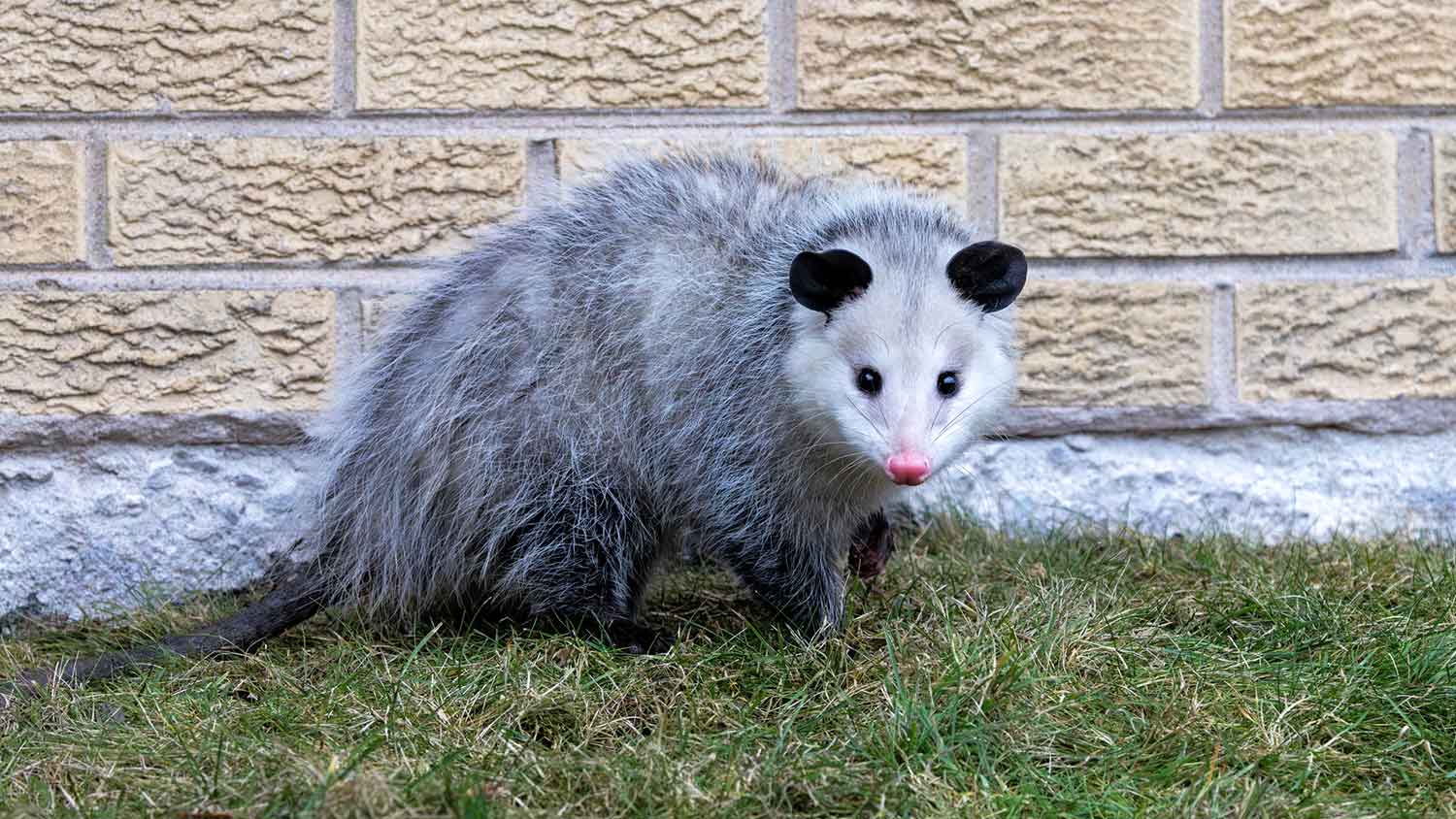
There is a lot to consider if you’re thinking about how to trap a possum. This step-by-step guide walks you through the process.
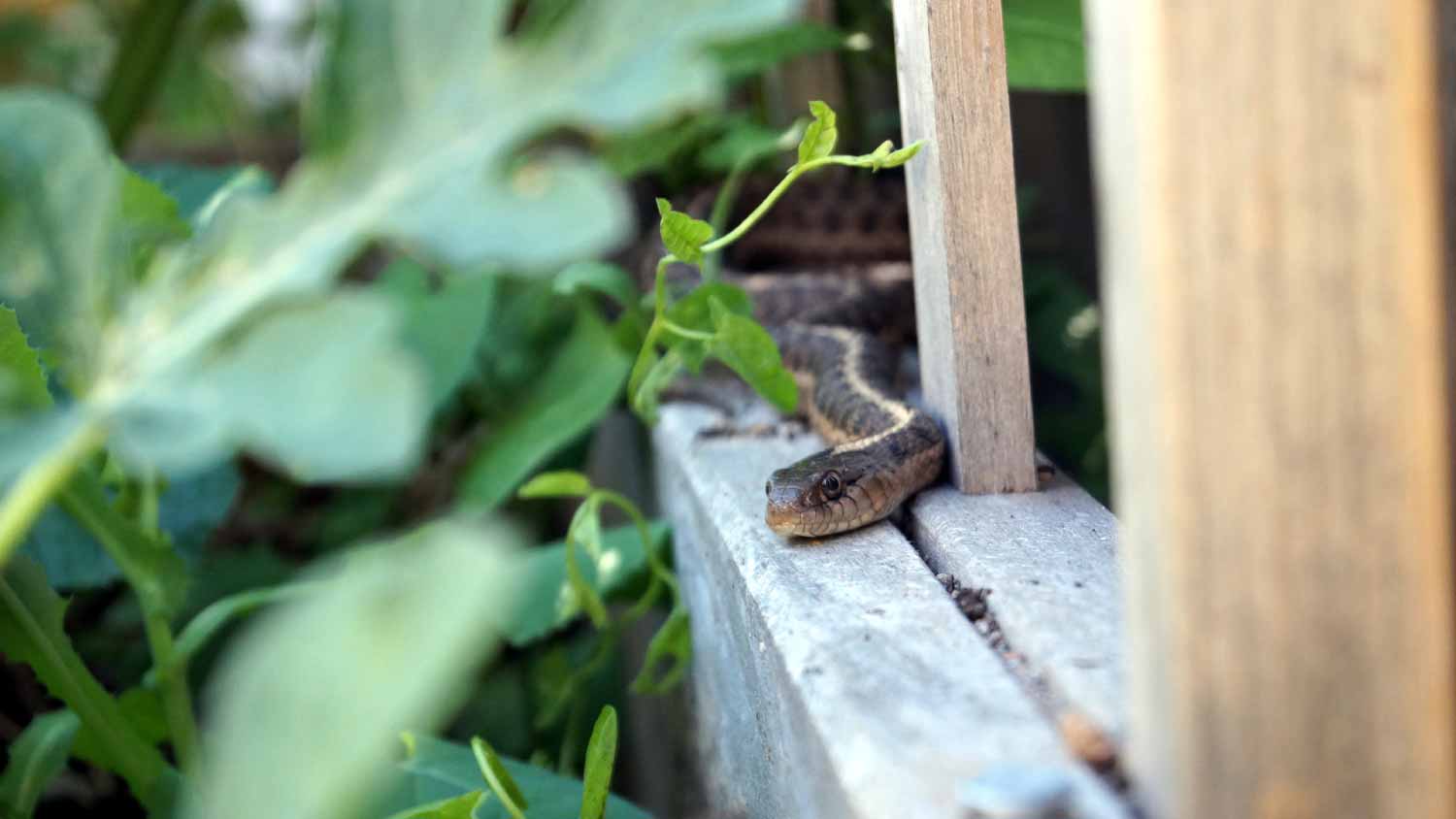
When picking the best bait for snakes, first identify the type of snake to learn more about its natural diet, then choose one of these.
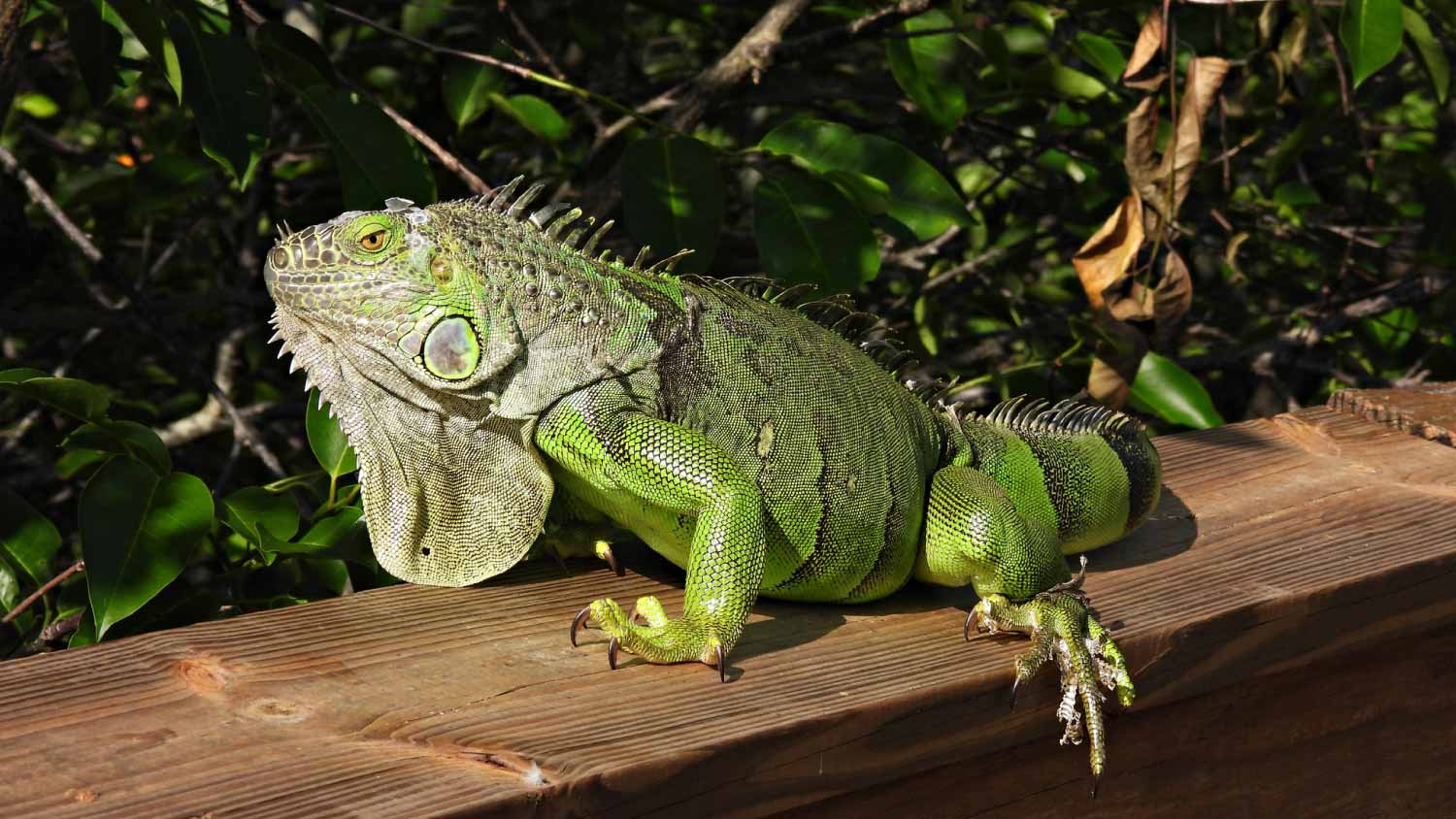
Learn the best bait for iguana traps to help you capture and remove nuisance individuals causing damage in your yard.