
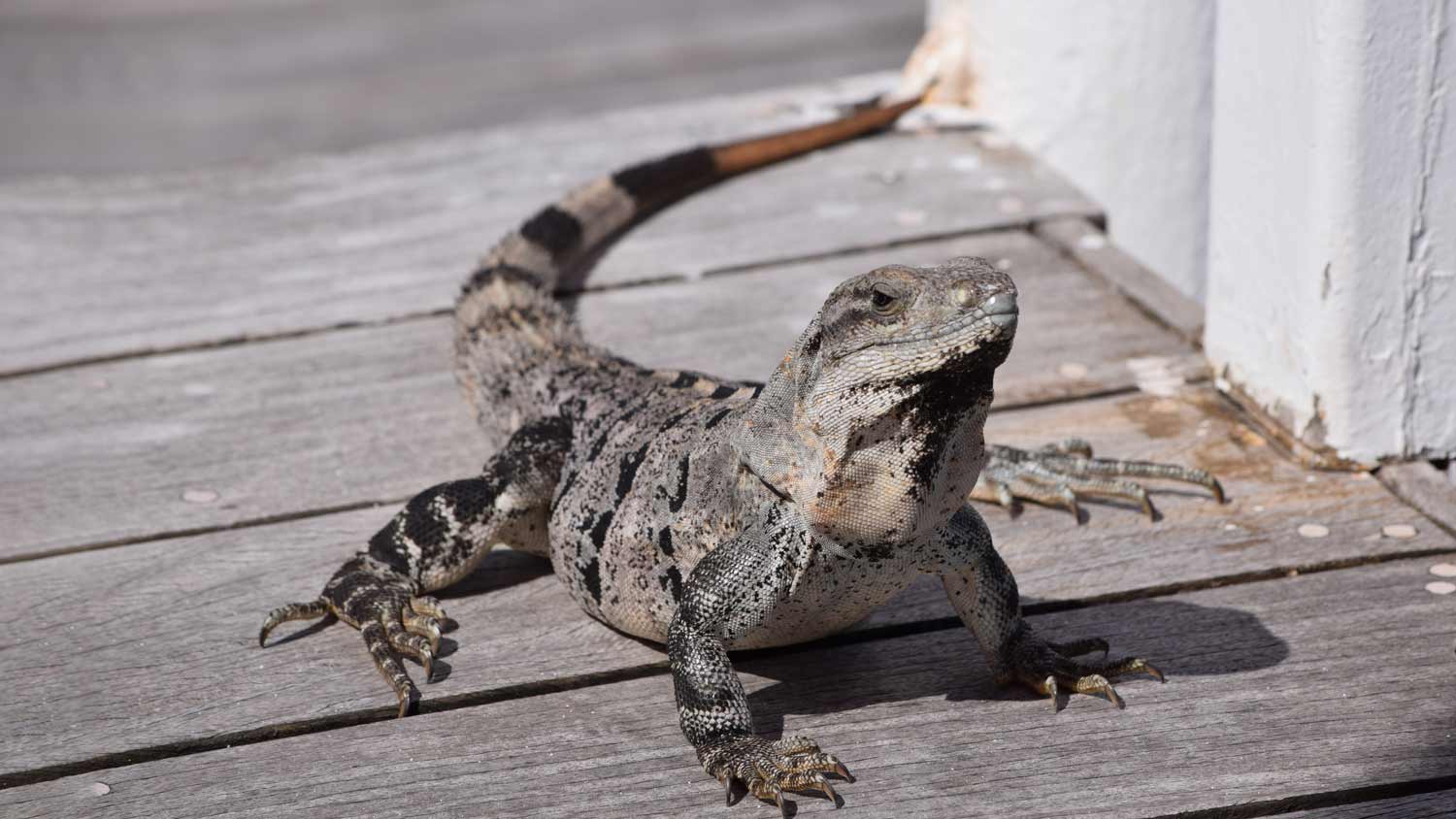
If iguanas are plaguing your home and destroying your property, proper removal is key. Learn the costs to expect from an iguana removal service.
Provide fruity fare to lure these lizards into the trap

Iguana traps work best with ripe, sweet fruits like bananas, mango, watermelon, and strawberries, which attract these reptiles more effectively than citrus or savory foods.
Professional iguana removal costs average $1,250, making early trapping a cost-effective approach when you handle the capture yourself and call in help for removal.
You can improve your trap success by pre-baiting the area, creating a fruit trail leading to the trap, and positioning bait at the back to trigger the door.
Hiring a local wildlife control professional keeps you safe from sharp claws and salmonella while ensuring legal, humane removal and proper disposal of trapped iguanas.
In recent years, there has been an explosion in the population of invasive green iguanas in Florida. While many people choose to live peaceably with these exotic reptiles, you might be considering trapping nuisance individuals that damage your landscape, leave a mass of droppings, or burrow under your home’s foundation. You’ll want to use the best bait for iguana traps to increase the likelihood of containing these creatures.
Check out this list of tasty temptations, additional trapping advice, and other suggestions for keeping iguanas out of your yard.

Green iguanas sometimes eat insects, snails, bird eggs, and even dead animals, but they won’t entice them into the trap the way their favorite snack will. Here are some of the best baits for iguana traps:
Ripe non-citrus fruits: Bananas, mango, strawberries, watermelon, grapes, and papaya are some of the best baits for iguana traps. Avoid citrus fruits, which can naturally deter these reptiles.
Flowers: Add hibiscus, jasmine, orchids, nasturtiums, or bougainvillea to the traps alongside some fruit.
Veggies: Try kale, broccoli, beets, collard greens, and lettuce if the iguanas don't fancy the fruit baits.
Where and how you position the food is as important as selecting the best bait for an iguana trap. Some other considerations include:
Pre-bait the trap: Put bait around and in front of the trap for a few days before setting it to help habituate wary lizards to this new object in their environment.
Create a bait trail: Lay out a line of enticing fruit leading up to the trap to increase the chance of scent-driven iguanas finding it and entering.
Protect the bait: Cover the trap, or at least the area where the bait is, to prevent wily iguanas from stealing the bait from outside the trap.
Position the bait carefully: Place the fruit at the back of the trap so the iguana fully enters and triggers the door-closing mechanism.
Experiment with baits: If mashed bananas or melon cubes don’t tempt the iguana, switch things up after a few days. They might be bigger fans of veggies or flowers.
Once you’ve got a green iguana in the trap, you can’t just take it to the local lake and let it loose. Relocating these invasive species is illegal, and Florida’s wildlife control also discourages keeping these animals as pets.
Green iguanas are only protected by anti-cruelty laws, meaning homeowners are encouraged to euthanize the trapped animals humanely in most cases. It’s best to hire a wildlife control company near you that specializes in iguana removal to handle the job safely. Iguanas are powerful animals with sharp claws, and their droppings can contain salmonella bacteria.
While you wait for the professionals to arrive, keep the trap in a shaded position and consider covering it with burlap to reduce the iguana's stress. On average, professional iguana removal costs $1,250, but if you trap the lizard yourself first, the cost will be significantly less.
Trapping should always be a last resort for getting rid of nuisance iguanas. Often, no sooner have you gotten rid of one than another becomes a regular yard visitor. Using the following techniques is the best long-term strategy is to keep these lizards out of your yard:
Exclusion: Install cages around prized plants and sheet metal around tree bases to prevent climbing. Consider electric fencing and underground L-shaped barriers to discourage digging under structures.
Habitat modification: Avoid planting species iguanas love and consider growing thick-leaved plants or iguana-repellent milkweed or oleander. Also, fill in holes that act as burrows and trim overgrown shrubs that offer attractive coverage.
Hazing: Things like wind chimes, hanging CDs with reflective surfaces, and motion-activated sprinklers can help when used alongside the above strategies. Mix up where and how you use hazing techniques so the iguanas don’t get habituated.
Repellents: You could try applying a commercial iguana repellent near prized plants, but don’t expect miracles, and reapply regularly.
One of my old tall evergreen trees was suddenly leaning toward the busy street in front of my house. I submitted a request for an emergency tree inspection, and Alejandro, owner of Cajete Tree Service, contacted me immediately and arrived to look at it just 20 minutes later. We agreed the...
 Cajete Tree Service LLC
Wonderful. I am going to have them remove and replace my driveway in the spring.
 All Star Paving and Sealing
Lyle did a great job removing asbestos shingles from our front porch roof. They worked together with our roofer to make sure that the new roof was able to be installed on the same day that Lyle removed the asbestos shingles.
 Lyle Environmental
Involved an extensive bathroom remodel, including removing tub & installing walk in shower, new drywall, custome tile work to ceiling, plumbing, etc. Overall, job was done on time and on budget. Nick & his team were very professional and had high attention to detail. Quality was great. Highly...
 Stamos Flooring and Remodeling LLC
Extremely well. Ohio Tree Care is my go to company for all tree care and snow removal services. they are professional, knowledgeable and affordable. I manage five camps in 33 counties and Ohio Tree Care has serviced every one of our properties. Highly recommend.
 Ohio Tree Care Inc
A team of 2 spent 5 hours, cleaning top to bottom (removed all light fixture and cleaned.... impressive!!!)
 Luzia's Cleaning
I would have given an "A" rating were it not for the devil being in the details. 1. The van rear doors, when open, expose the track area and that had not been cleaned. Noticeable only when you look for it and then it's obvious. 2. Was able to get 99.5% of the dog hair out of the cargo area...
 614 Detail
Great Job!!! Martin called me after I requested a estimate on Home Advisor. He was very professional and actually went the same day and looked at the tree I needed removed gave us a estimate and I felt it was very aggressive so I did not even call for any other bids. I asked him how soon he...
 Reyes Tree Service LLC - Home Facebook
Mike and his crew did a great job working through a very challenging task. The job required a full demolition of our ceiling, removing the blown in insulation and removing all the material from the site daily. It involved multiple inspections from the city and many challenges to get the...
 Rising Height Unlimited
Removed various items (furniture, lamps, other junk) from my home. They were on time, personable, professional, etc. I can't say enough positive things about this company. <br />
From average costs to expert advice, get all the answers you need to get your job done.
If iguanas are plaguing your home and destroying your property, proper removal is key. Learn the costs to expect from an iguana removal service.
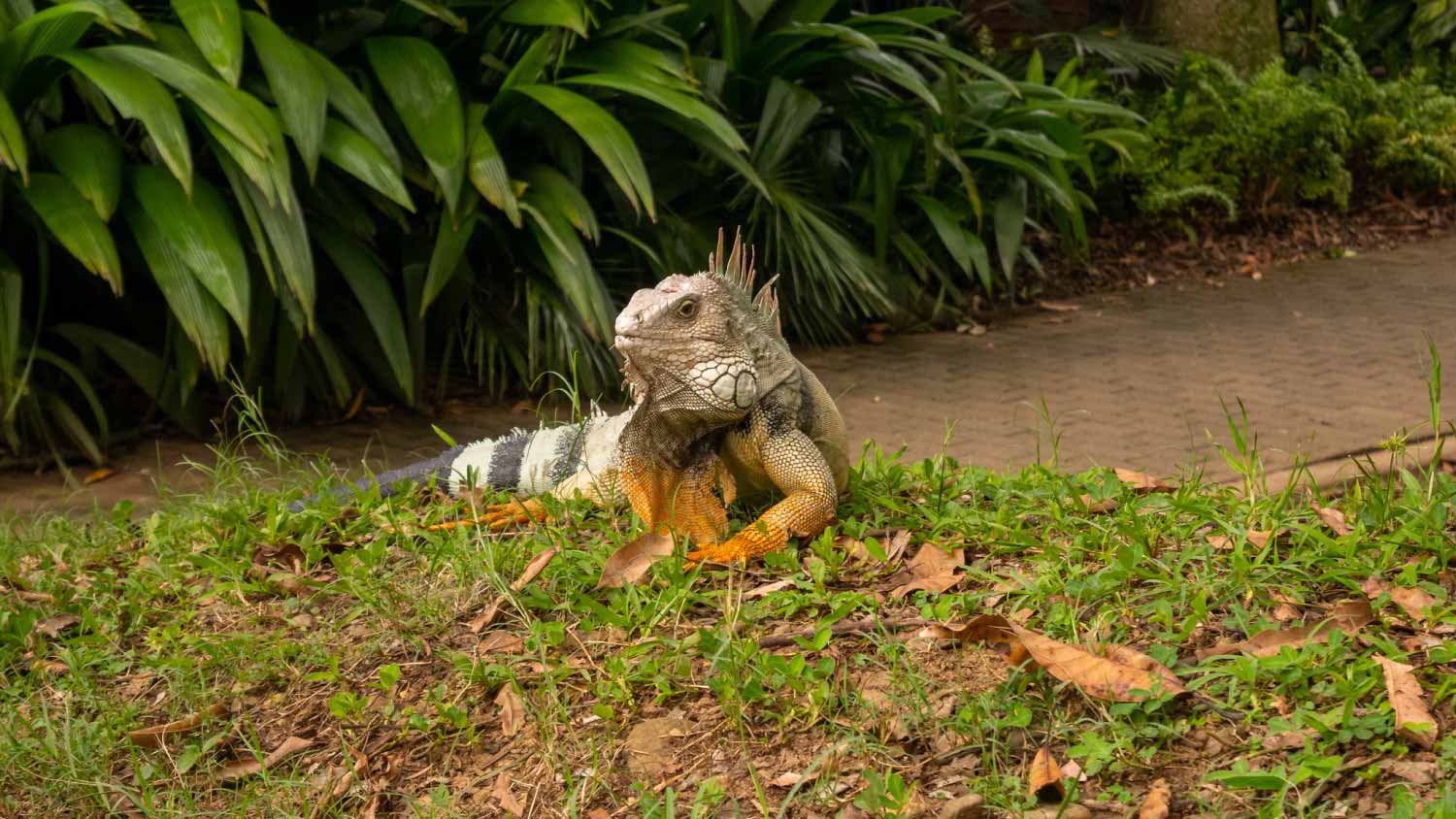
There is a lot to consider when wondering how to get rid of iguanas. Here’s your guide to effective humane trapping and legal removal.
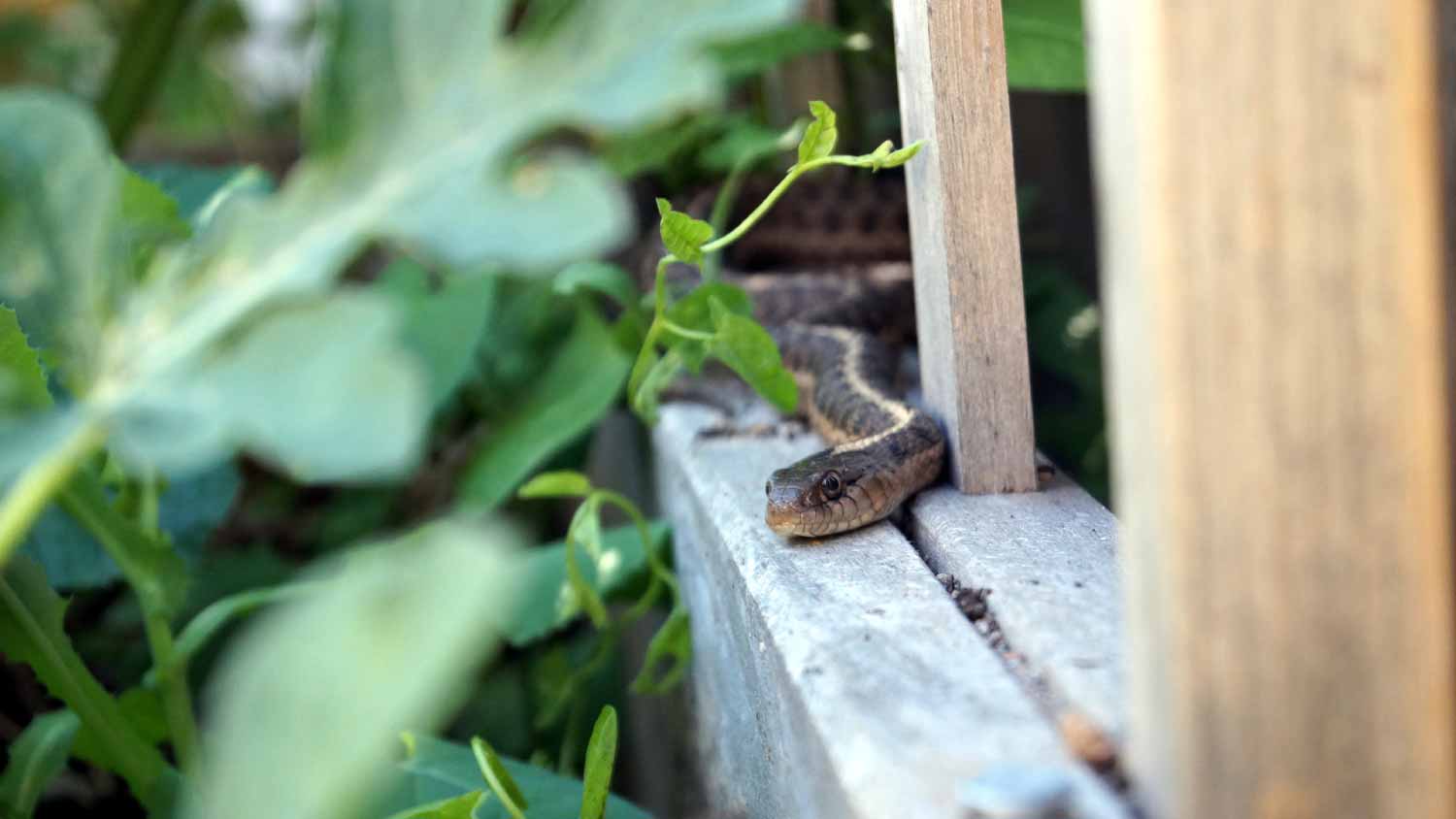
When picking the best bait for snakes, first identify the type of snake to learn more about its natural diet, then choose one of these.
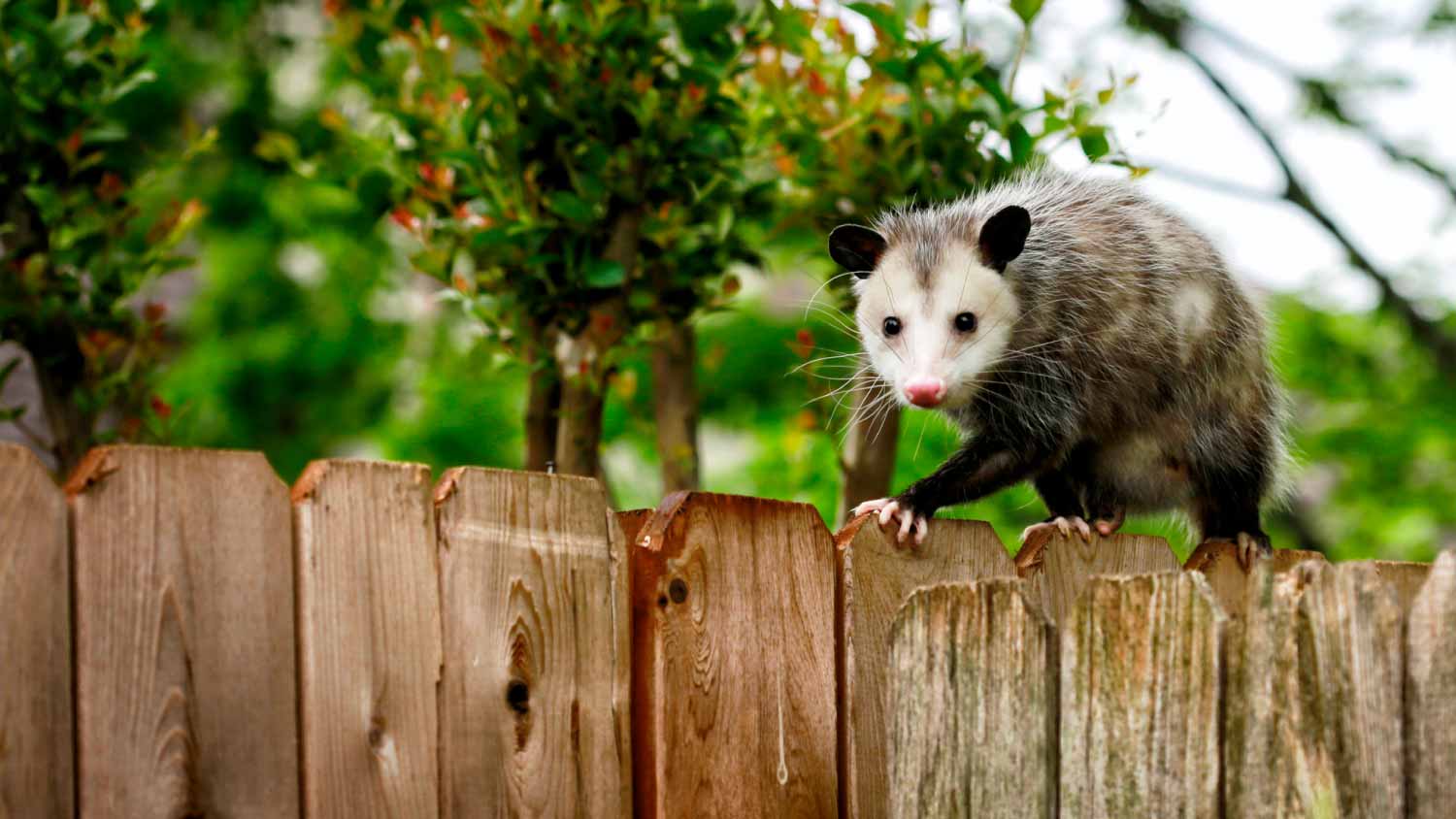
Learn what the best baits for opossum traps are to help you remove a nuisance individual that is causing problems in your home or yard.
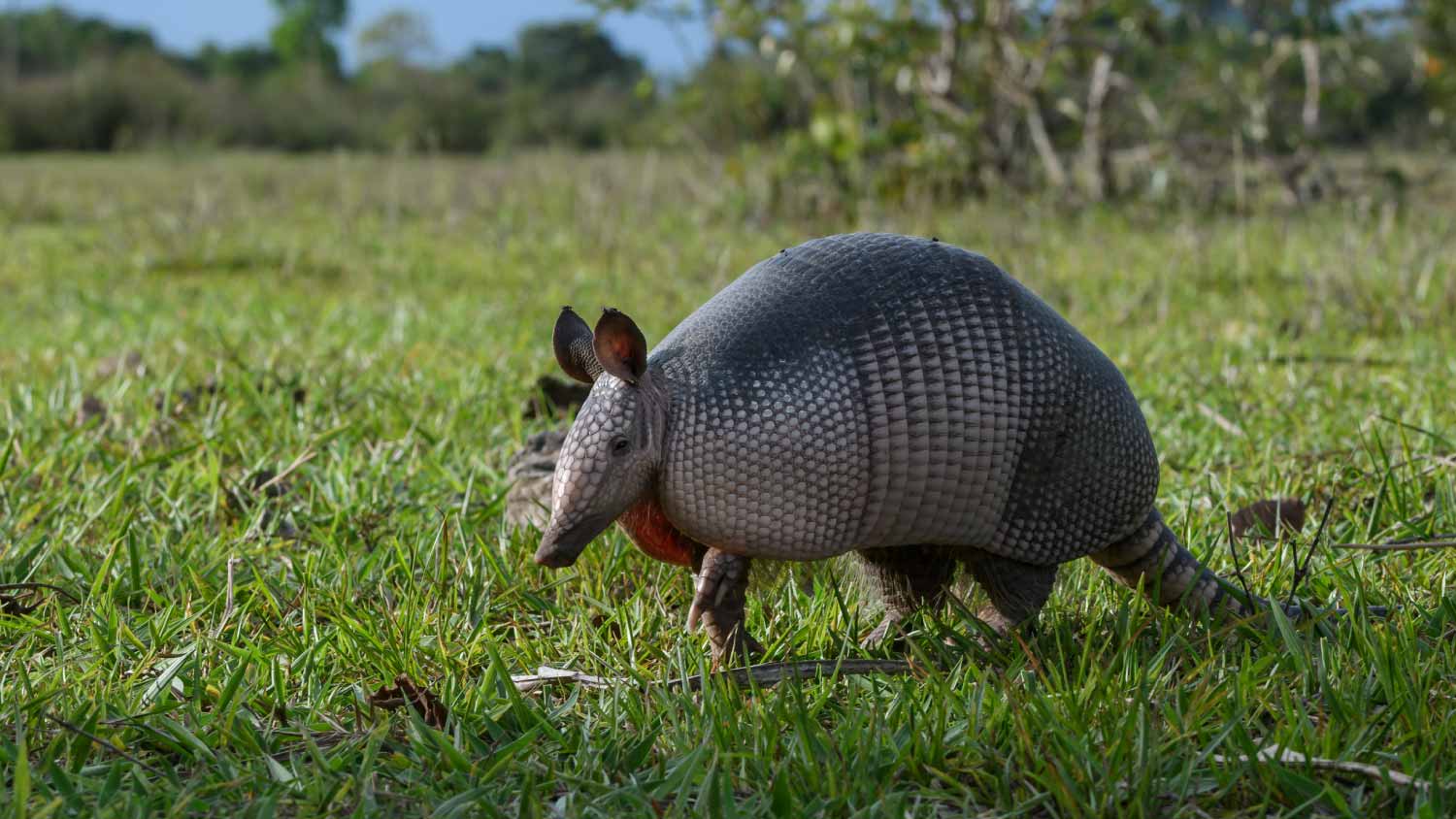
Armadillos often damage yards, gardens, and other property when digging for food. Here are the best bait ideas to get rid of armadillos.
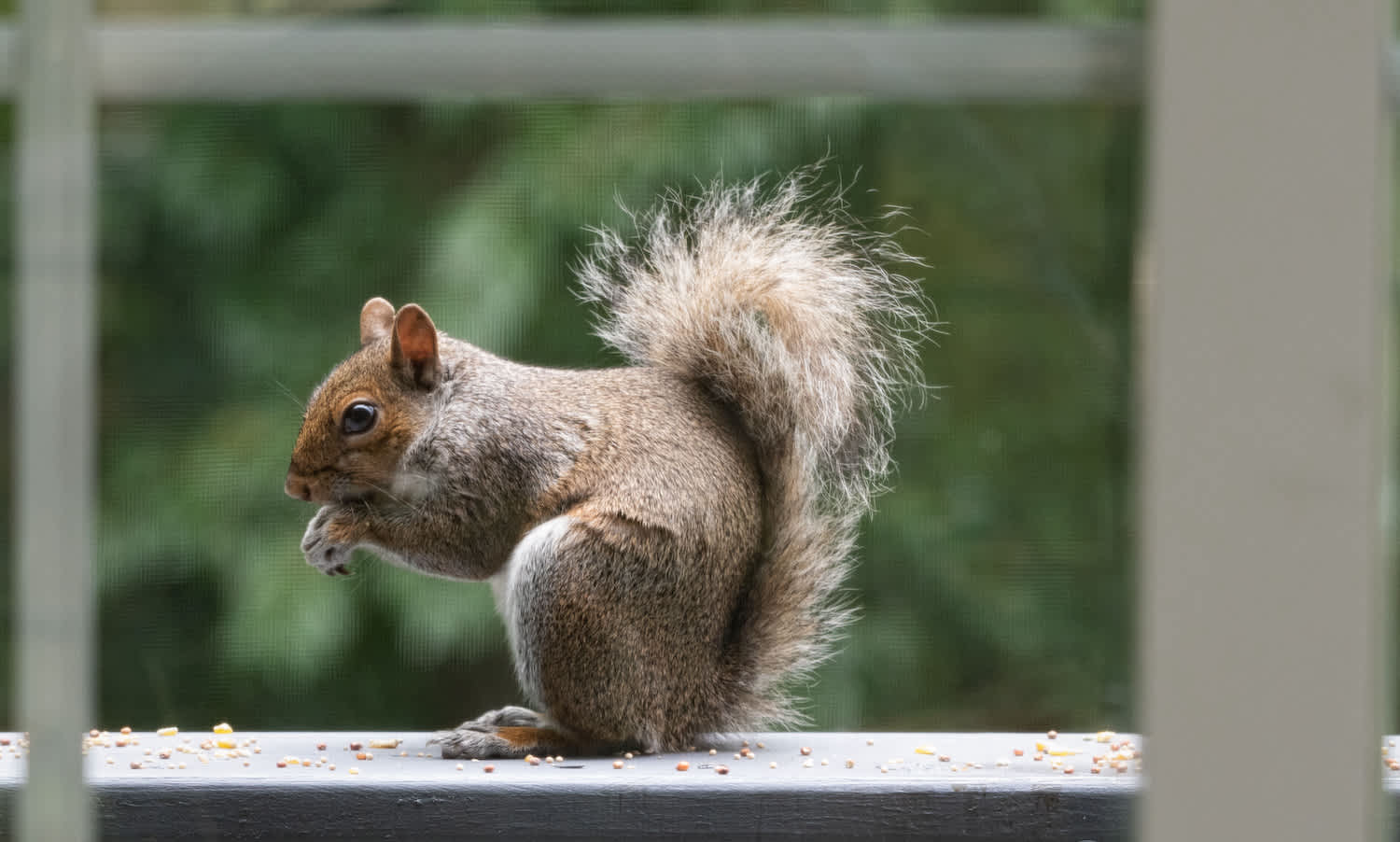
Removing squirrels humanely from your yard can be tricky if you’ve never done it before. Here’s what you need to know about using bait for a squirrel trap.