
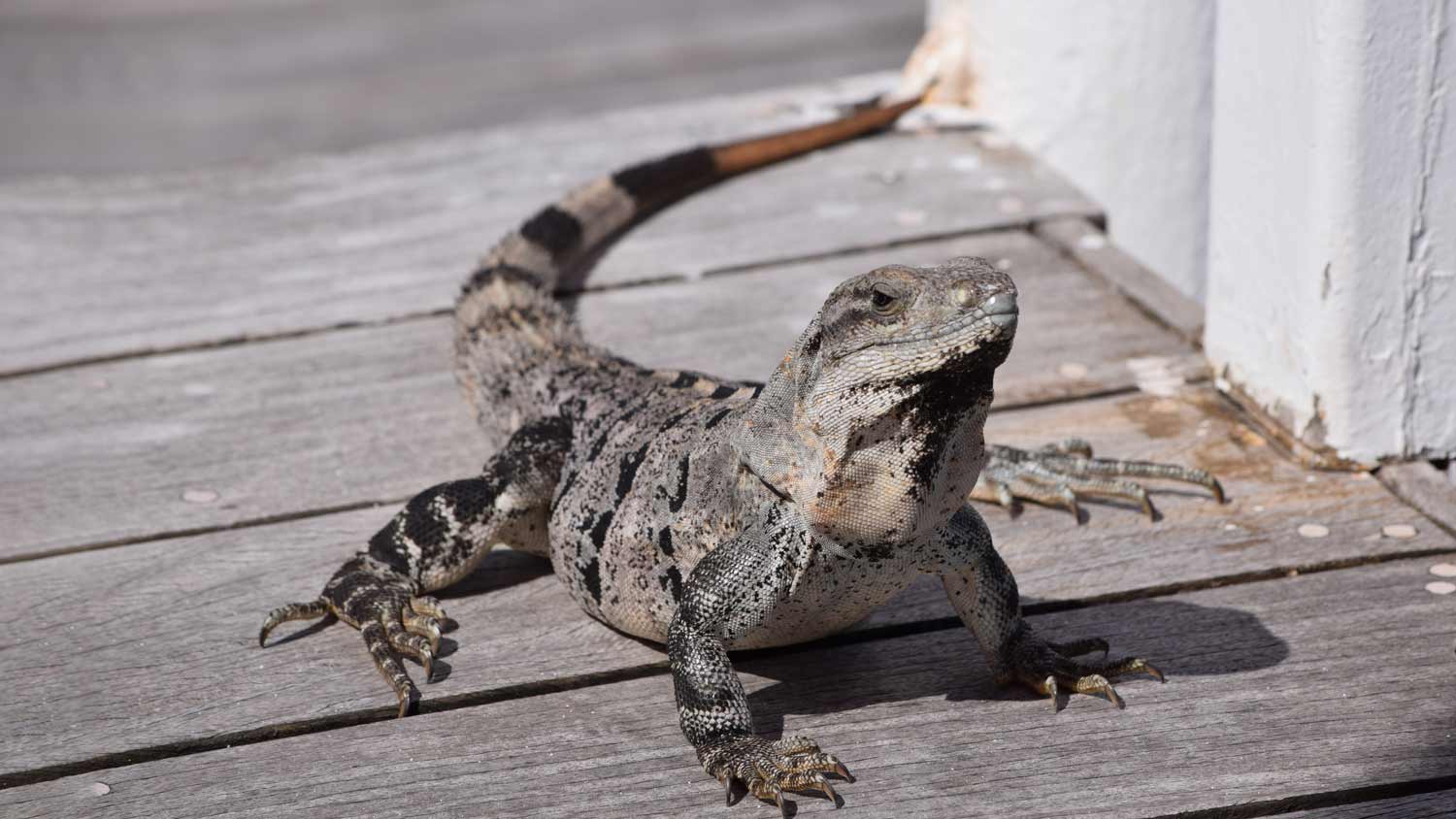
If iguanas are plaguing your home and destroying your property, proper removal is key. Learn the costs to expect from an iguana removal service.
Get to know your scaly neighbors

The four different types of iguanas include green iguanas and spiny-tailed iguanas, which are invasive and harm ecosystems, plus native desert iguanas and chuckwallas.
Green iguanas damage your sidewalks and buildings through burrowing, raid your crops and gardens, and pose health risks through their droppings to you and pets.
Make your property less inviting to invasive iguana species by removing food sources, trimming trees and shrubs, installing burrow-proof fencing, and sealing wall openings.
Hiring a local wildlife control professional provides safe identification and removal of invasive iguanas while offering prevention advice to keep your property protected long-term.
The U.S. has many different types of iguanas, each with unique characteristics and habitats. Some are native to the arid regions of the southwestern states, while others are invasive species introduced through the pet trade that wreaks havoc on local ecosystems. The most common types of iguanas are the green iguana, desert iguana, chuckwalla, and spiny-tailed iguana. If you're wondering which type of lizards crawl in your yard, here’s what you need to know about these creatures.
| Iguana Type | Species Status |
|---|---|
| Green Iguana | Invasive |
| Desert Iguana | Native |
| Chuckwalla | Native |
| Spiny-Tailed Iguana | Invasive |

The green iguana is perhaps the most well-known iguana species here in the States. It hails from Central and South America.
Green iguanas can grow up to 6 feet long and are known for their green color, but this can change with age, sex, and temperature. Young iguanas are usually bright green, while adults vary from vibrant green to olive or brown, sometimes developing black bands on their sides and tails. During breeding season, males often turn orange, and their jowls and neck fans enlarge to attract mates.
Temperature also affects their coloring. In cooler weather, green iguanas darken to absorb more heat from the sun. This color-changing ability helps them adapt to their surroundings and regulate their body temperature.
Green iguanas are invasive lizards that thrive in warm, tropical climates, making places like Florida, Texas, and Hawaii their home. These creatures are arboreal, preferring to live alone in trees, where they feel most at home. However, they are also known to burrow and camp out in shrubs.
Green iguanas munch on native plants and reproduce rapidly. Their burrowing can damage sidewalks and buildings, causing collapse. Additionally, they often raid crops and gardens, causing headaches for farmers and homeowners. Their droppings can also pose health risks to humans and pets.

Desert iguanas are native to the United States and do their part to maintain a healthy ecosystem.
The desert iguana is a medium-sized lizard with a roundish body that is typically 10 to 16 inches long, including the tail. Its sandy white and light gray scales provide excellent camouflage in desert environments. Its long, slender tail has a distinctive pattern of light and dark bands, aiding in balance and swift movement.
Their habitat is usually far from human development. They thrive in the Southwest’s hot, arid, desert environments with sandy soils and sparse vegetation. Their range includes southeastern California, southern Nevada, western Arizona, and southwestern Utah.
Desert iguanas contribute positively to their ecosystem through their feeding behaviors. They consume leaves, flowers, and fruits, assisting in seed dispersal and helping maintain plant diversity in the desert. They also occasionally eat bugs, which helps control insect populations. When the temperatures get too extreme, they burrow to escape the heat.

The chuckwalla is a large, herbivorous lizard native to the Southwest. Five different species exist, and they tend to live in similar habitats.
The chuckwalla is a sturdy, flat-bodied lizard that can grow up to 16 inches long and has distinctive loose skin folds along its sides. Its coloring varies with age and sex. Adult males usually have black heads and forelimbs, with body colors ranging from black and red to orange, gray, or yellow, while females and younger chuckwallas display more subdued shades of brown or gray.
Chuckwallas generally avoid human-populated areas. They thrive in the hot, dry regions of the Southwest, including Arizona, Nevada, Utah, and the Mojave Desert in California. They are particularly fond of rocky, sandy habitats with plenty of crevices and boulders where they can hide from predators.
Chuckwallas play a key role in keeping ecosystems healthy. They consume a diet of leaves, flowers, cactus fruit, and buds from desert plants like the creosote bush, spreading seeds around. Occasionally, they will ingest insects. Plus, they are cuisine for native animals like hawks, snakes, and coyotes, keeping the local food chain in balance.
For defense, chuckwallas rely on rocks. When they sense danger, these flat-bodied lizards quickly dash into a crevice and inflate their bodies by gulping air, making it nearly impossible for predators to extract them.

The spiny-tailed iguana is a non-native species to the U.S., originally from Central America. Two different species are currently in the States.
Male spiny-tailed iguanas can reach up to 18 inches, plus another 18 inches for their tails, and they are typically larger and more colorful than females. During the breeding season, males may develop vibrant orange around their head and throat, with blue and peach highlights on their jowls. Males also have small dewlaps or chin flaps.
Females are smaller, about 14 inches, with more subdued grayish-brown coloration. Both sexes have the characteristic spiny tails, though the spines are more pronounced in males.
Spiny-tailed iguanas prefer rocky, sunlit habitats with plenty of crevices for hiding and basking. Introduced to the U.S. in the 1970s, this invasive species has spread along Florida's east and southwest coasts and nearby islands. They tend to avoid densely populated human areas, favoring more natural, undisturbed environments.
These lizards outcompete native species for food and habitat. For example, spiny-tailed iguanas consume plants that endangered butterflies rely on, potentially threatening those butterfly populations.
The lizards' burrowing behavior damages infrastructure such as sidewalks and seawalls and displaces native species like owls and gopher tortoises. Additionally, the spiny-tailed iguana's rapid reproduction rates allow their populations to proliferate, making mitigating their environmental impacts difficult.
Homeowners looking for how to get rid of iguanas can take steps to manage their presence. Start by making your property less inviting: remove food sources like fruits and pet food, trim trees and shrubs, and install burrow-proof fencing around gardens and yards. Additionally, seal any openings in walls.
Humane traps using the best bait for iguanas are a good DIY solution—place traps where iguanas are frequently seen and follow local regulations for relocation.
Alternatively, you can hire a reputable local animal removal service to ensure safe and effective removal. These professionals can also provide invaluable advice on long-term prevention, equipping homeowners with the necessary knowledge to prevent future lizard infestations.
One of my old tall evergreen trees was suddenly leaning toward the busy street in front of my house. I submitted a request for an emergency tree inspection, and Alejandro, owner of Cajete Tree Service, contacted me immediately and arrived to look at it just 20 minutes later. We agreed the...
 Cajete Tree Service LLC
Wonderful. I am going to have them remove and replace my driveway in the spring.
 All Star Paving and Sealing
Lyle did a great job removing asbestos shingles from our front porch roof. They worked together with our roofer to make sure that the new roof was able to be installed on the same day that Lyle removed the asbestos shingles.
 Lyle Environmental
Involved an extensive bathroom remodel, including removing tub & installing walk in shower, new drywall, custome tile work to ceiling, plumbing, etc. Overall, job was done on time and on budget. Nick & his team were very professional and had high attention to detail. Quality was great. Highly...
 Stamos Flooring and Remodeling LLC
Extremely well. Ohio Tree Care is my go to company for all tree care and snow removal services. they are professional, knowledgeable and affordable. I manage five camps in 33 counties and Ohio Tree Care has serviced every one of our properties. Highly recommend.
 Ohio Tree Care Inc
A team of 2 spent 5 hours, cleaning top to bottom (removed all light fixture and cleaned.... impressive!!!)
 Luzia's Cleaning
I would have given an "A" rating were it not for the devil being in the details. 1. The van rear doors, when open, expose the track area and that had not been cleaned. Noticeable only when you look for it and then it's obvious. 2. Was able to get 99.5% of the dog hair out of the cargo area...
 614 Detail
Great Job!!! Martin called me after I requested a estimate on Home Advisor. He was very professional and actually went the same day and looked at the tree I needed removed gave us a estimate and I felt it was very aggressive so I did not even call for any other bids. I asked him how soon he...
 Reyes Tree Service LLC - Home Facebook
Mike and his crew did a great job working through a very challenging task. The job required a full demolition of our ceiling, removing the blown in insulation and removing all the material from the site daily. It involved multiple inspections from the city and many challenges to get the...
 Rising Height Unlimited
Removed various items (furniture, lamps, other junk) from my home. They were on time, personable, professional, etc. I can't say enough positive things about this company. <br />
From average costs to expert advice, get all the answers you need to get your job done.
If iguanas are plaguing your home and destroying your property, proper removal is key. Learn the costs to expect from an iguana removal service.
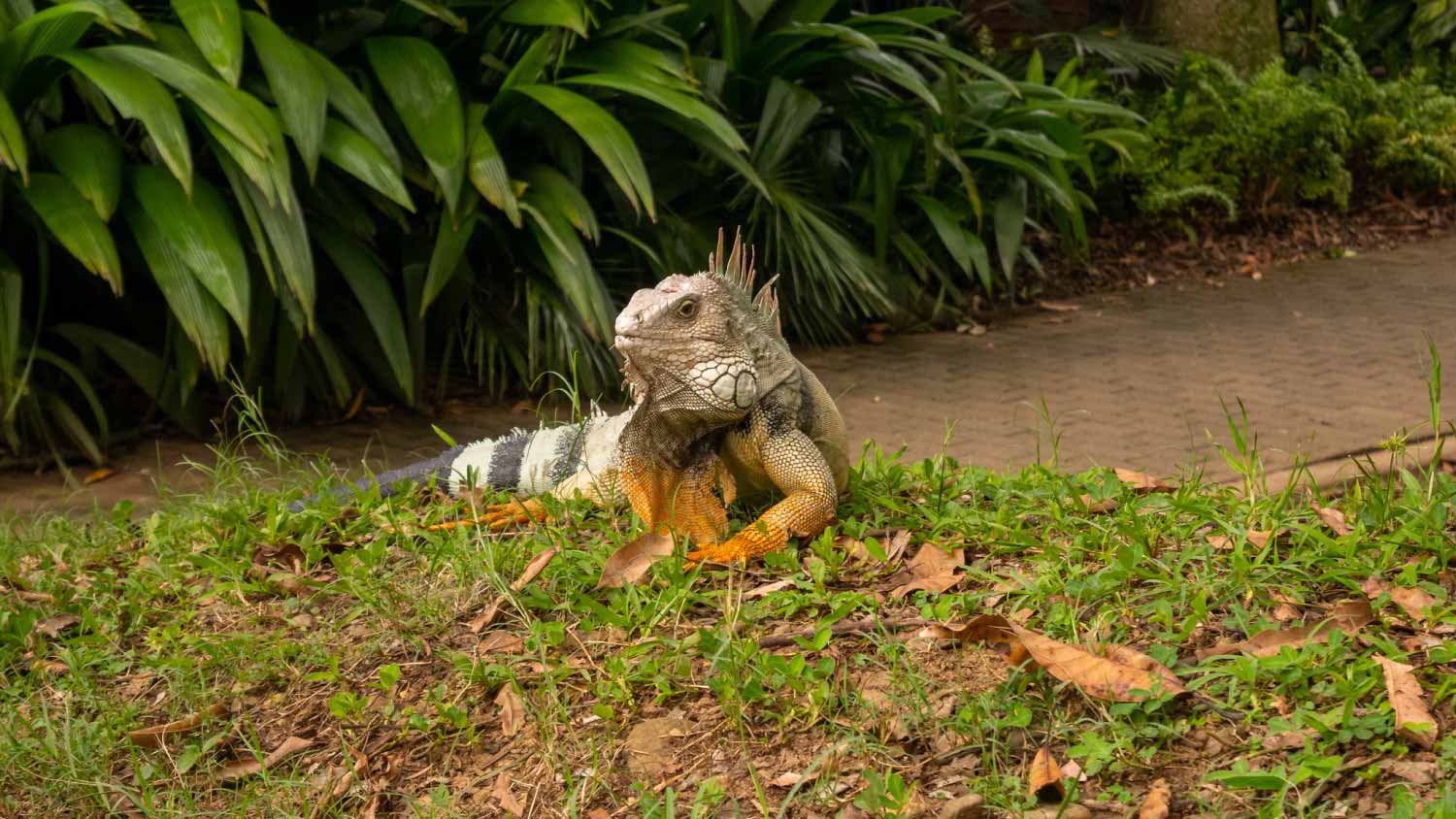
There is a lot to consider when wondering how to get rid of iguanas. Here’s your guide to effective humane trapping and legal removal.

Different types of carpet suit different rooms, traffic patterns, and overall use. Learn the best type of carpet for your home renovation project.
Keep your sloped property safe and functional by building a retaining wall. Learn about different types of retaining walls and which is best for your yard.

While both Type C vs Type X drywall are fire resistant—the two should not be used interchangeably. Use this guide to help you choose the drywall for your next project.

There are three main types of solar batteries, but which one is best for your home? We’ll walk you through the different types and how to make your decision.