

If your metal roof needs a repair, it’s best to hire a roofing professional to handle it safely. Stay tuned to learn about cost factors for metal roof repair.
Act quickly to protect yourself and your home after a storm

.png?impolicy=thumbnail)
Roof storm damage from wind, rain, and hail affects shingles, flashing, and gutters differently, and understanding your roof's specific damage helps you respond quickly.
Roof repairs cost $400 to $1,900, with average costs around $1,140, so documenting all damage with photos early helps support your insurance claim.
You should inspect your attic for water stains, check shingles for cracks or missing pieces, and look for damaged flashing around chimneys after every storm.
Hiring a local roofing professional provides peace of mind through thorough damage inspections and reliable repairs that keep your home protected and insurance claims on track.
After hours of howling winds and lashing rains, you may be afraid to look at what a storm has done to your home. But the first step to take for roofing storm damage repair is to assess the problem. These tips will help you identify storm damage and walk you through the process of getting your home back to its old self again.
Heavy rain, high winds, and hail are just a few examples of extreme weather that can harm your home. Different weather conditions will have different effects on your home, so it's vital that you know what you're looking for and where to look once things have calmed down. After a storm, check the following areas for signs of damage:
Roof
Windows
Gutters
Walls
Since hail, wind, and water hurt your home in different ways, look for several things when inspecting your property:
Damage from wind can happen as soon as winds reach 45 miles per hour. At this speed, wind can damage shingles—especially if they’re already worn out—or can cause a few weak tree branches to fall.
Once winds hit 50 miles per hour, they can do some serious harm. Sometimes, high, dangerous winds will uproot trees, rip off shingles, and even flip stationary objects. The latter is more common during hurricanes when winds reach 70 mph or higher.
Rain and snow seem like common weather occurrences, but either in excess can be very detrimental to your home. Days of rain can wear your shingles down, and ice or snow can cause expansion in your roof materials so the roof cannot catch additional water.
Over time, this might cause irreparable damage, with the only solution being a new roof. In addition, clogged gutters can cause rainwater to get stuck under your shingles, letting moisture penetrate the underlayment or the roof deck and potentially leading to mold and mildew.
The amount of damage hail can inflict upon your roof (as well as your car—be sure to park it in the garage before a storm) depends on the wind speed as well as the size and density of the hail. Hailstones can be as small as a pea or as large as an orange, and all kinds have rough edges, making them excellent at wreaking havoc on your property. Hail can affect various types of roofing and building materials differently. Aluminum is prone to denting, while the impact of hail can cause cracks in vinyl siding.
It’s important to get storm-damaged roof repairs as soon as possible. Your roof is your home's first line of defense. After a storm, it should be one of the first areas you inspect for signs of damage. If you notice any signs of storm damage on your roof, make sure to have repairs done as soon as possible. Call a local roofing professional if you suspect roof damage but can’t see any from the ground. Your safety is the most important priority, and some areas of your home might seem fine when they have sustained damage from the storm.
Sometimes, shingle damage following a storm is obvious. You may see shingles scattered across your yard or missing from the roof's surface. Loose, bent, or cracked shingles are also cause for concern. You may notice missing tiles or cracked edge tiles if you have a tile roof.
Call a local roofing company as soon as possible if you spot damaged or missing shingles or tiles.
Also inspect the flashing, soffits, and gutters following a storm. Wind or heavy rains can cause flashing to shift out of place and even break off, and hail can cause dents, cracks, or loosening in these roof components. Branches, sent flying by storms, can hit gutters and knock them out of place.
Storms can lead to problems with the sealant around your chimney, causing the chimney to sit at a crooked angle. The shift in angle probably won’t be super decipherable—it’s not going to look like the Leaning Tower of Pisa—so if in doubt, it’s always best to call a local chimney inspector to check.
If you have water pouring in through your ceiling after a storm, that’s a pretty obvious sign of damage. However, signs of moisture penetration are often more subtle, and even small pools of standing water or minor damage to shingles can lead to water damage.
After a storm, head up to the attic with a flashlight. You might notice discoloration or dampness on walls, ceilings, insulation, or lumber. Ignoring slow water ingress can lead to problems with dangerous mold and mildew formation and can compromise the integrity of the roof supports.
Note that you’ll likely always get small amounts of water blowing in through the roof ventilation—if you see that, don't be alarmed. You should look closely for water drops around fixtures like the chimney and valleys. If the roof has different levels of ventilation, it is also possible that the roof will suck in snow during a storm.
If a major storm causes an entire tree to collapse onto your roof, it isn’t something you’ll miss. However, tree limbs or other natural debris can get thrown onto your roof during high winds, and this may not be as obvious without a thorough visual inspection. Aside from the wreckage being a safety hazard, the impact can cause shingle damage or even major structural issues for your roof.
The debris could strike your roof and then blow elsewhere during the storm, so you might have to look for evidence of its impact rather than the object itself. Broken shingle patterns, holes, or dents are all red flags. Rather than getting on the roof yourself, you should hire a pro to look into these issues.

Act quickly to repair your roof and other areas of your home after a storm, but not so quickly that you go outside before the danger has passed. Wait for the all-clear from authorities before you start inspections or begin contemplating the repair process.
Walk around your home and look for any damage to your house. Take photos of everything in case you need to file an insurance claim. Even small dents and chips can lead to bigger problems, so don’t be afraid to note the smallest changes caused by the storm.
As you walk around your home, take safety precautions, even if the storm has passed. Avoid standing water, watch for broken nails and glass, and wear heavy boots to protect your feet.
Contact your insurance company so they can assess the damage and hopefully help pay for the cost of roof repairs. If your home is unlivable, you’ll need to save all receipts from any hotels and other travel expenses for reimbursement.
Your insurance company will send an adjuster to your home to inspect the damage and may ask you to hire a local roofing repair company to complete the full inspection.
If a “storm chaser” knocks on your door asking to do the inspection for free, don’t sign anything until you have researched them and believe them to be a trustworthy company—it’s important to avoid any potential roofing scams.
Remember, don't try to make any long-term repairs to the roof yourself. You need to hire a professional to do this for safety's sake and to ensure the repairs are done well.
Once you’re ready to select a roofing contractor, get estimates from a few trusted companies. Most roof repairs cost between $400 and $1,900, or $1,140 on average. Ask for referrals from families and friends for companies they trust, and make a short list of ones to contact. It's also worthwhile to check out any roofing company's online reviews and ratings. Ask for proof of credentials and insurance, and remember that the most inexpensive option isn’t always the best option.
Filing a roof storm damage claim can involve a lot of details, move slowly, and follow a very specific process, so here’s an idea of what to expect:
You take photos of all the damage you can see (videos can’t hurt, too)
You call your insurance company to file a claim
The insurance company will send out an adjuster to review the damage
The adjuster will approve the damage and then write the claim
Your insurance will ask you to hire a qualified local roof contractor
The contractor will do a thorough roof inspection, review the claim, and note any supplementary work, if necessary
You’ll send the final claim with supplementary repairs to the insurance company for approval
Insurance will then (hopefully!) approve your claim for reimbursement
The process outlined above assumes that your policy covers the damage that has occurred. The adjuster can also deny your claim for various reasons—they might say that an incorrect roof installation was the true cause of the damage, not the storm. If your insurance rejects your claim, you can ask them to send a different adjuster to your home for a second look.
Mitchell and the crew were top tier i am so happy with my new roof
 Home Genius Exteriors
D1 Roofing delivers outstanding service from beginning to end, backed by a strong warranty and expert teams. I highly recommend them for their excellence in meeting and surpassing expectations with unmatched communication. Choosing D1 Roofing was flawless decision
 Division 1 Roofing LLC
This place took $25,000 for a flat roof job with a five-year warranty and never returned to fix the leaks that were caused by their work. These people are not professionals and should not be doing this type of work. They incorrectly changed the pitch of the roof, and caused more damage than...
The technician was very professional and friendly. He answered all my questions and was very thorough. He left the fireplace area very clean . He inspected from the roof and advised me as to other work that might need to be done. There was no pressure there. I was very satisfied with the...
 Supreme brick & chimney
I am really impressed with their timeliness and turnaround. Mitchell came out, and we decided to move forward with their pricing. Our roof was on within a week, and we could not be happier with their team! Amazing company, great prices and honest, dependable craftsmanship. I highly recommend...
 Window Depot USA of Central Ohio
Manuel Calvillo is the best option in the area for roofing and you won't be disappointed.
They damaged multiple items on my property, including a marble slab used as a table top, tried to hide it, and refused to pay or replace. Arrived day one without a ladder to access roof & delayed a day. Left a mess in back yard; didn't wear face masks; no show by owner to property to see damages
 Grants Tree Service
I've hired Gary/Cherokee Roofing for two different homes, work quality, responsiveness, and completion have been great both times. And the prices quoted were very competitive. I would definitely hire again.
Lyle did a great job removing asbestos shingles from our front porch roof. They worked together with our roofer to make sure that the new roof was able to be installed on the same day that Lyle removed the asbestos shingles.
 Lyle Environmental
Bradley Builders did a good job replacing the roof on our front porch. They color-matched the existing shingles on the rest of the house and installed a metal ridge roll since we live in a historical neighborhood. They did the job while we were out of town. When we got back, everything was...
 Bradley Builders, Inc.
From average costs to expert advice, get all the answers you need to get your job done.
If your metal roof needs a repair, it’s best to hire a roofing professional to handle it safely. Stay tuned to learn about cost factors for metal roof repair.
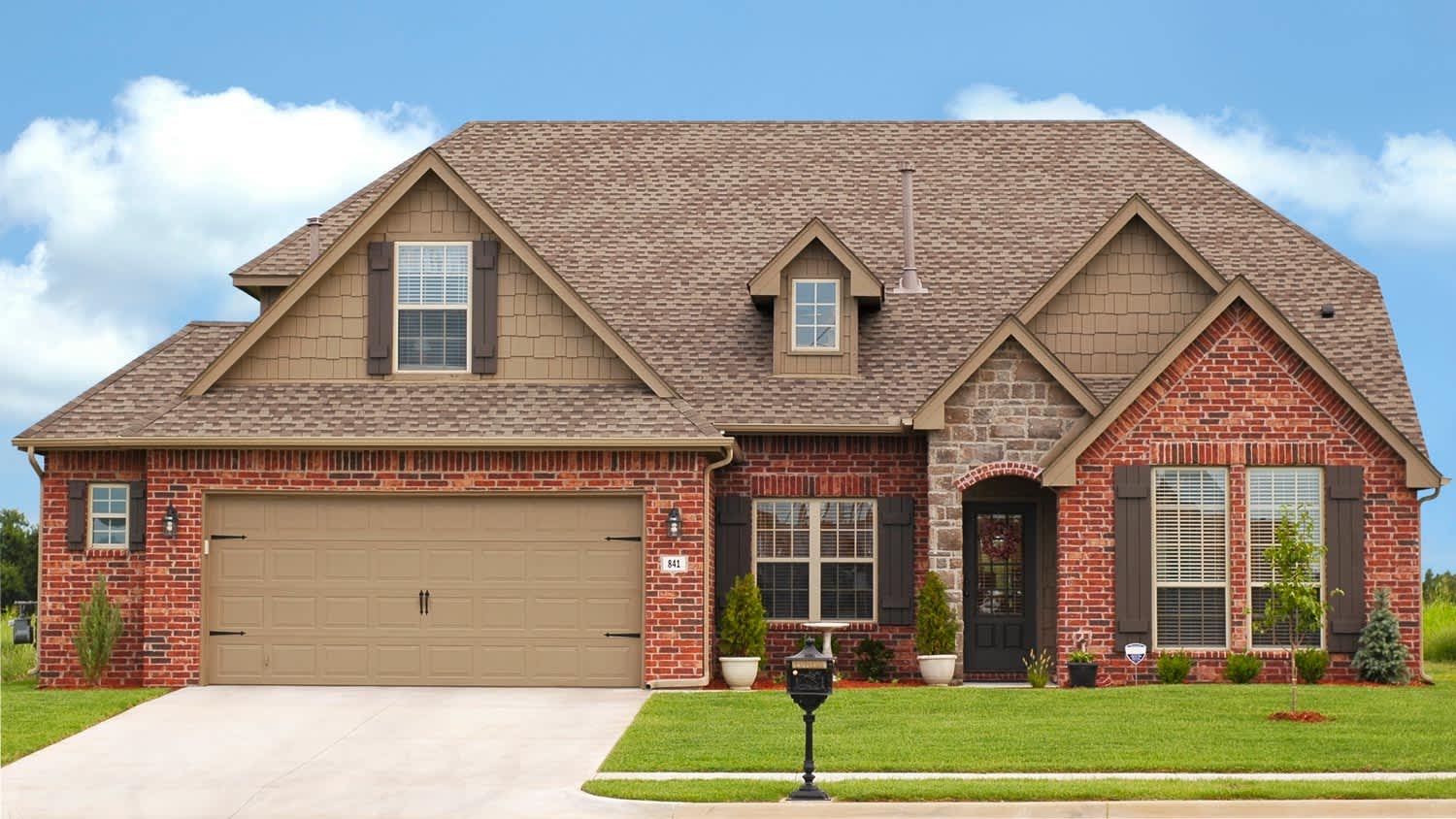
Hailstorms can cause extensive, costly damage to your roof. On average, hail damage roof repairs cost $4,250, depending on the damage and materials needed.
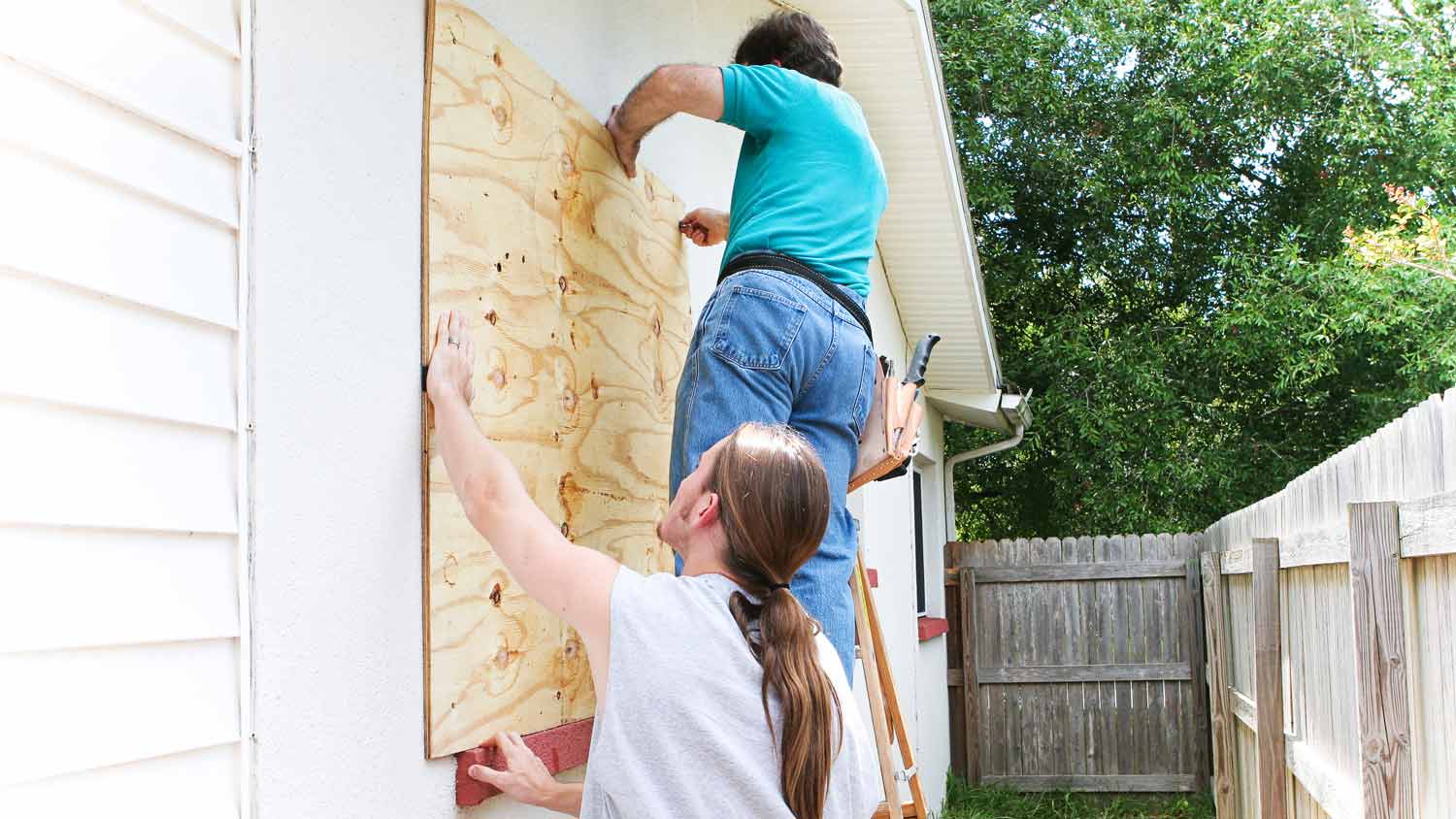
Discover storm damage repair costs, key price factors, and ways to save. Get transparent estimates to plan your home repairs with confidence.
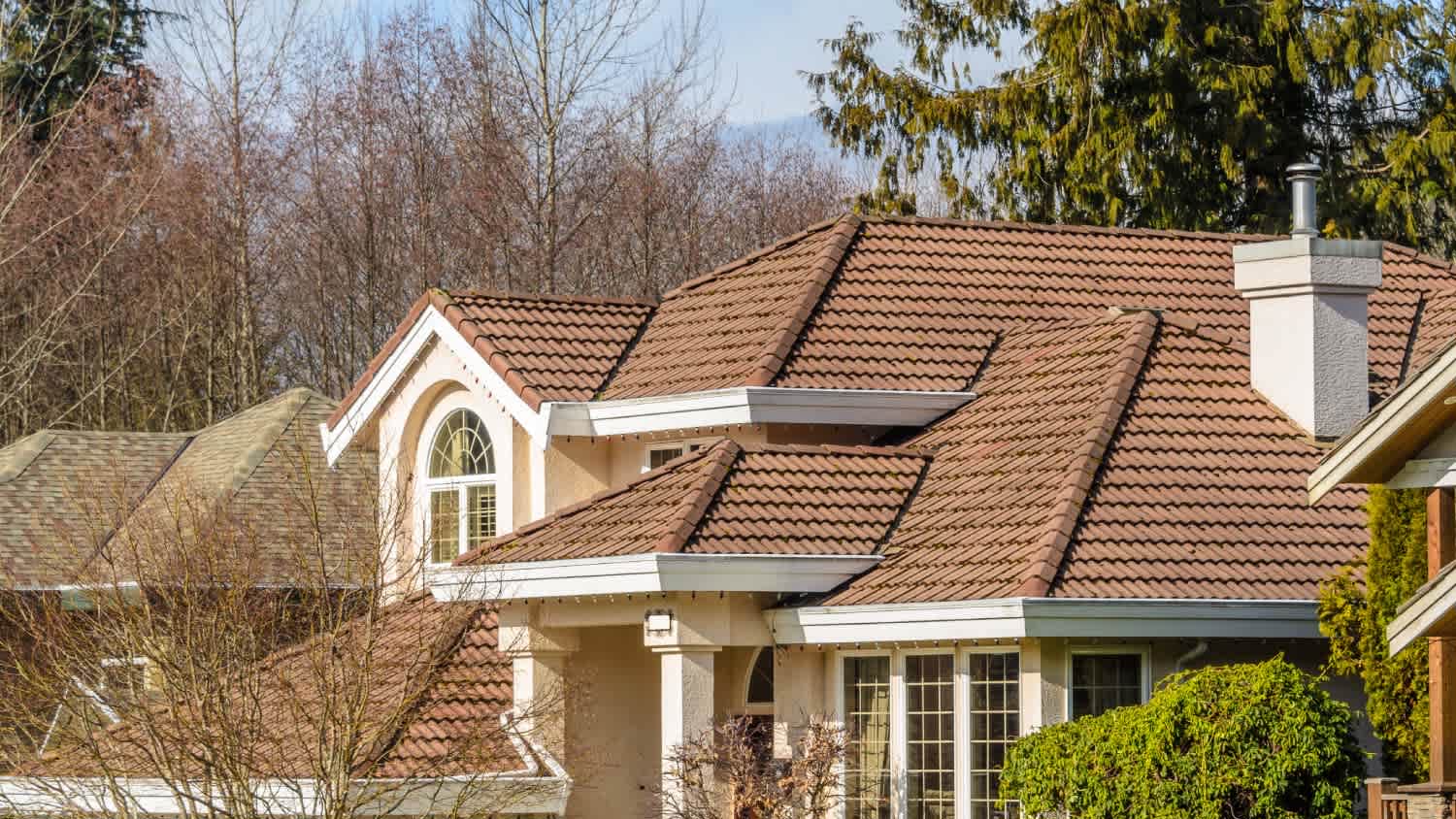
It’s never fun to find out that you have roof storm damage. If bad weather has gotten the best of your roof, explore this guide to see what you should do next.
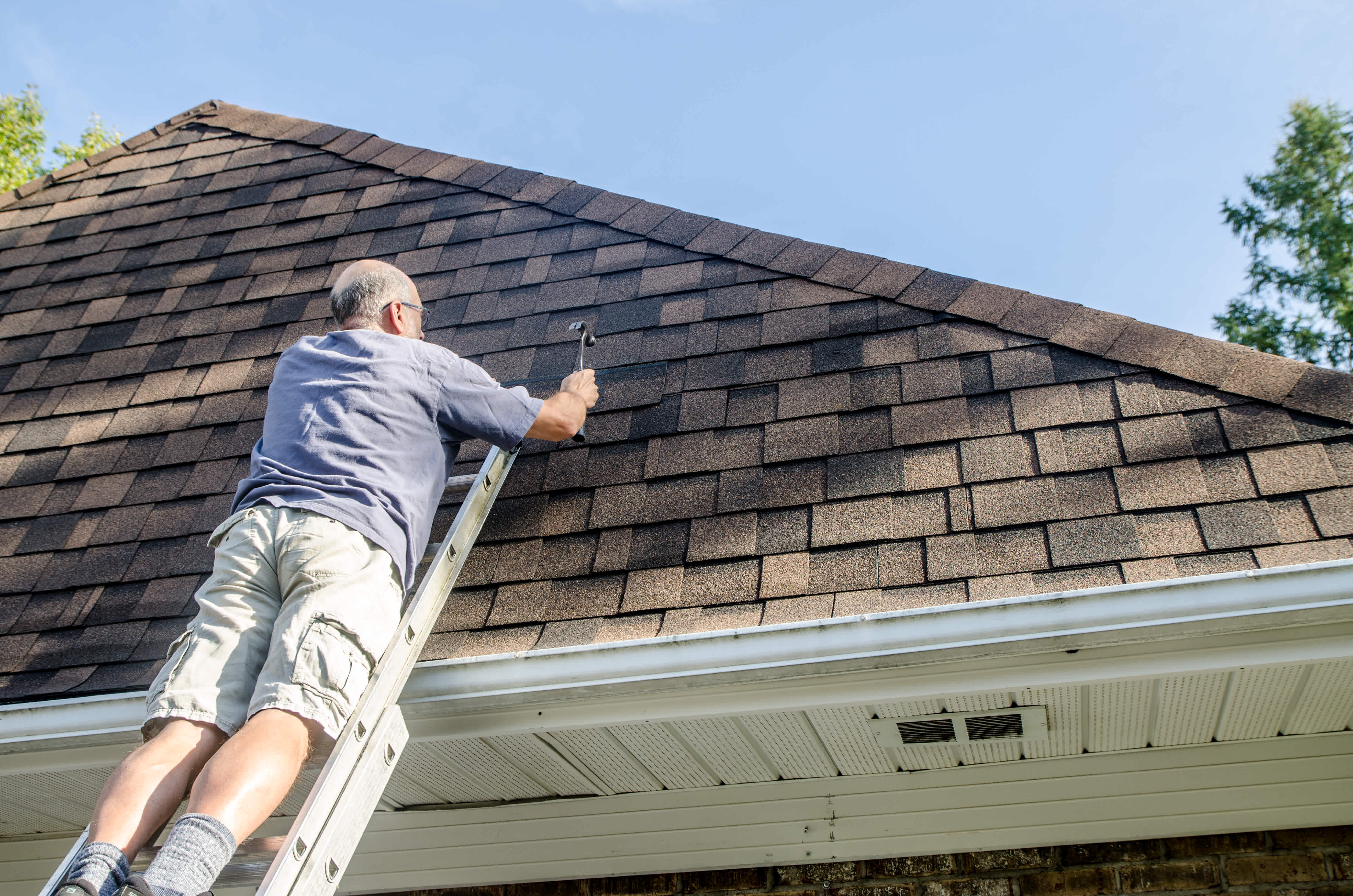
Need to assess your roof's condition? Our comprehensive roof storm damage checklist will help you identify problems and prioritize fixes before they worsen.
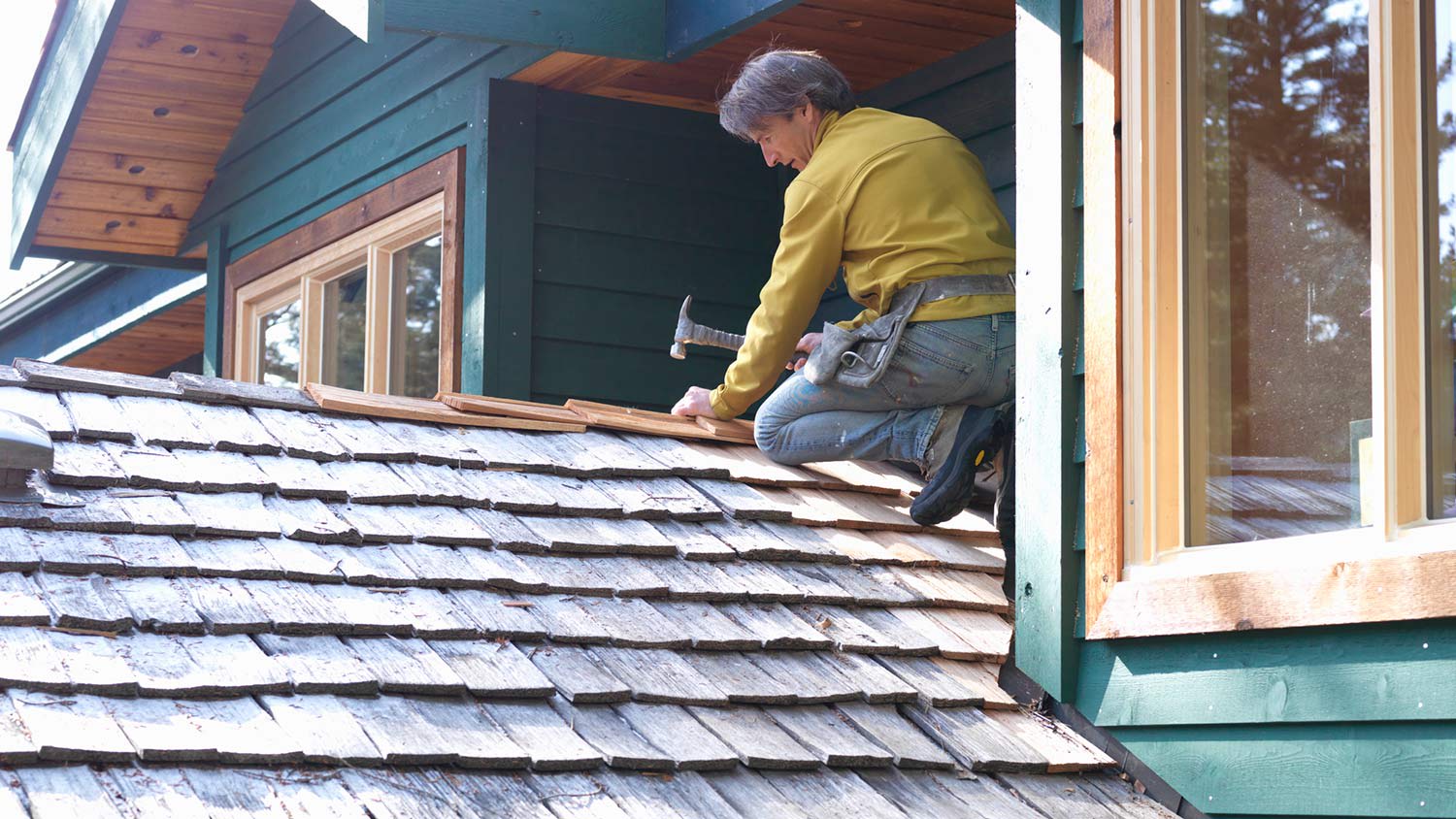
Some roof damage requires emergency repairs. Learn what kinds of problems need emergency roof repairs and what to do when your roof gets damaged.