
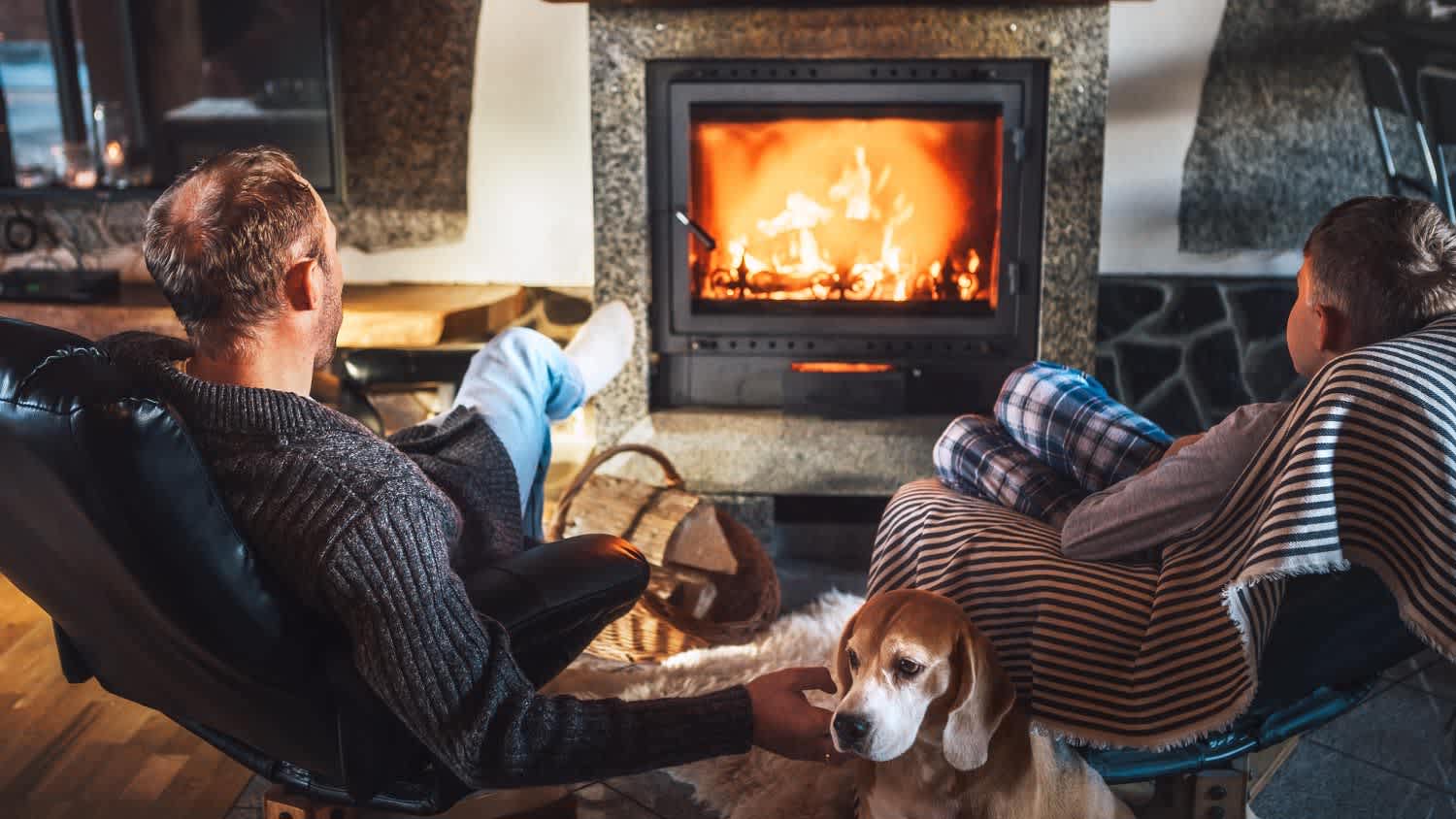
Want a safer, cleaner alternative to your traditional fireplace? Use this guide to determine the cost to convert a fireplace to gas in your home.
Ventless fireplaces are not dangerous, as long as safeguards are in place

Ventless fireplace safety depends on proper installation and functioning sensors, as these units release minimal combustion byproducts into your home rather than venting them outside.
Expect to pay $1,500 for a ventless gas fireplace installation, while vented models cost around $5,000, with potential gas line additions ranging from $260 to $820.
Your ventless fireplace needs oxygen sensors and carbon monoxide detectors to monitor air quality, automatically shutting down if oxygen drops below 18% or dangerous gas levels appear.
Hiring a local fireplace installation professional ensures your ventless fireplace meets local codes and includes required safety features, keeping your home compliant and protected.
If your home doesn’t have a chimney, but you want to enjoy the comforting glow of a fireplace, ventless fireplaces are a popular option. But, are ventless fireplaces safe to use? They are, but you’ll want to hire a pro to install one for you. After a proper installation and with functioning safety systems in place, you can use the ventless fireplace to enjoy worry-free warmth and coziness on a cold night.
Vent-free or ventless fireplaces are heating sources that don’t require a chimney or venting system. Unlike traditional vented fireplaces, ventless models combust indoor air and radiate heat back into your living space. During this process, the fireplace also releases low levels of combustion byproducts into your home.
The term “ventless fireplace” refers to a vent-free fireplace that runs on natural gas or propane. However, there are other types of ventless fireplaces, as well, including electric and ethanol-powered models.
A ventless fireplace doesn’t use a chimney or a vent pipe, but it is able to run without filling your home with smoke or fumes. So how can a ventless fireplace be safe to use?
Technically, a ventless gas fireplace does release combustion byproducts—including carbon monoxide and water vapor—into your home. However, these fireplaces burn so efficiently that the emissions released back into the room are minimal. Plus, ventless fireplaces have certain safety features to keep you and your family safe.
Install carbon monoxide alarms on every level of your home, in central locations, and outside bedrooms. Check all of your carbon monoxide detectors every month, and replace the batteries on a set schedule according to the manufacturer’s instructions.

When installing a ventless fireplace, you must include a few features that deal directly with safe operation.
Oxygen sensor: This sensor measures the oxygen in the room near the fireplace. If oxygen levels drop too low, usually below an 18% concentration level, the unit will shut down automatically.
Carbon monoxide detector: As gas burns, it creates carbon monoxide, which is toxic for humans at a high enough concentration level. Should carbon monoxide escape from the ventless fireplace during operation, having a detector near the fireplace can warn you.
Limited heating power: Most ventless fireplaces operate safely by placing a limit on the number of BTUs they can generate. A limit of 40,000 BTUs is common, but in certain rooms of the home, the limit could be far less.
One of the biggest advantages of ventless versus vented gas fireplaces is the cost. In short, vented models are more expensive since they often include the price of building or repairing a chimney. On average, a ventless gas fireplace costs around $1,500, while a vented version is closer to $5,000. However, you could pay an additional $260 to $820 if you need to run a gas line to the fireplace.
If you’d rather install a non-gas ventless fireplace, here’s how much you’ll pay:
Cost to install an electric fireplace: $200–$2,200
Cost to install a bioethanol fireplace: $700–$1,400
By comparison, installing a wood-burning fireplace costs between $700 and $6,500. However, if you must build the structure from scratch, including all of the ventilation, you could pay around $30,000. Otherwise, if you already have a wood-burning fireplace, the cost to convert a wood fireplace to gas is $500 to $5,500.
The majority of residential fireplace projects involve hiring a pro to replace or alter an existing fireplace. The second most popular project is the installation of a new fireplace. The choice between a vented and ventless fireplace could affect whether you want to remodel your fireplace or install a new one. For example, you’ll need a chimney to run a vented fireplace, while ventless fireplaces are more efficient and fit into more spaces—but they’re prohibited in some areas.
A gas fireplace professional can advise on the best option for your home and safely install it.
Even though ventless fireplaces are safe to use with the right protective measures in place, you still may be unsure whether or not you want to install one. Comparing the pros and cons of ventless fireplaces may help you decide.
Ideal for apartments or homes where chimneys are not available.
Burns at a highly efficient level.
Less expensive than installing a vented fireplace.
No need to maintain or clean a chimney.
Delivers plenty of heat to create a cozier space.
Requires multiple safety features for operation.
Some states and municipalities do not allow them.
Can increase humidity in the room by emitting water vapor.
The extra humidity can amplify any odors that already exist in the room.
Could cause breathing issues for people who are susceptible to irritants in the air.
Your state or local city/county may have specific rules about the installation of ventless fireplaces. Some states and cities/counties have banned the installation and use of these types of fireplaces over safety and gas emission concerns.
Before purchasing or installing a ventless fireplace, be sure to check with your local municipality to see if ventless fireplaces are allowed, the safety measures required, and whether or not you need a building permit for the installation.
Due to potential safety concerns, the installation of this appliance should not be a DIY project. A local fireplace contractor can give you advice about placement and power limits, helping you to keep your ventless fireplace operating safely while following local regulations.
Terrible experience. Walls/trim/floors/cabinets/doors all have drip marks, overspray, etc. Tiling at the fireplace had to be redone by another vendor due to incorrect and shoddy install by Profect. Contractor had his children in our house while he was on site without prior authorization or...
 Profect painting & exteriors
Supreme Brick & Chimney did a great job with a cleaning and inspection of the fireplace! He was efficient, on time, and very pleasant. The space was kept very clean, and the fireplace was spotless when he was done. He also performed a thorough inspection, and did a great job talking us...
 Supreme brick & chimney
Ace Fireplace Services came to the rescue for my chimney repair. They were quick to pinpoint the issue and worked their magic to fix it. My chimney is now in excellent shape, and I'm a satisfied customer.
 Ace Fireplace Services
Custom Paint Jobs LLCs custom murals brought life to our childrens rooms. They love it!
 Custom Paint Jobs, LLC
Storms Mobile Welding was great to work with. They were prompt, professional and did an overall excellent job on the project. I highly recommend.
On time, clean and finished fast. Windows seem sturdy and the finish is good. Caulking was done with no smudges. Would recommend.
 Window Depot USA of Central Ohio
The team is awesome!! I can generally pick up and clean throughout the week, but they CLEAN! Windows, stair rails, microwave. All the things I can’t ever seem to get to regularly. The house looks and smells great after they leave.
Bought a half a cord of firewood from Pitzer with stacking last month. I waited to report so I could see how the wood burned. <br /> <br /> I have three pet peeves regarding landscapers, but Pitzer scored "A"s regarding all three. First, rather than having customers "leave a message" and...
 Pitzer Landscaping
We decided to update our partially finished basement, with a budget. Gerald worked with me on the lighting and chair rail selections, and produced an end product that was everything we wanted and within our budget. The work was done quickly, and he and his crew were always prompt and...
Outstanding! The granite and the installation went so well that we had the remaining slabs of the granite put into our new house. The 2ND kitchen/wet bar installation went as well as the 1ST, so we had them put granite on our master bath counter top, shower seat, ledge and kick plate for...
 LIND STONEWORKS
From average costs to expert advice, get all the answers you need to get your job done.
Want a safer, cleaner alternative to your traditional fireplace? Use this guide to determine the cost to convert a fireplace to gas in your home.

The average cost to remove a fireplace is $4,500, but your overall cost will depend on the type of fireplace, its condition, and other factors.
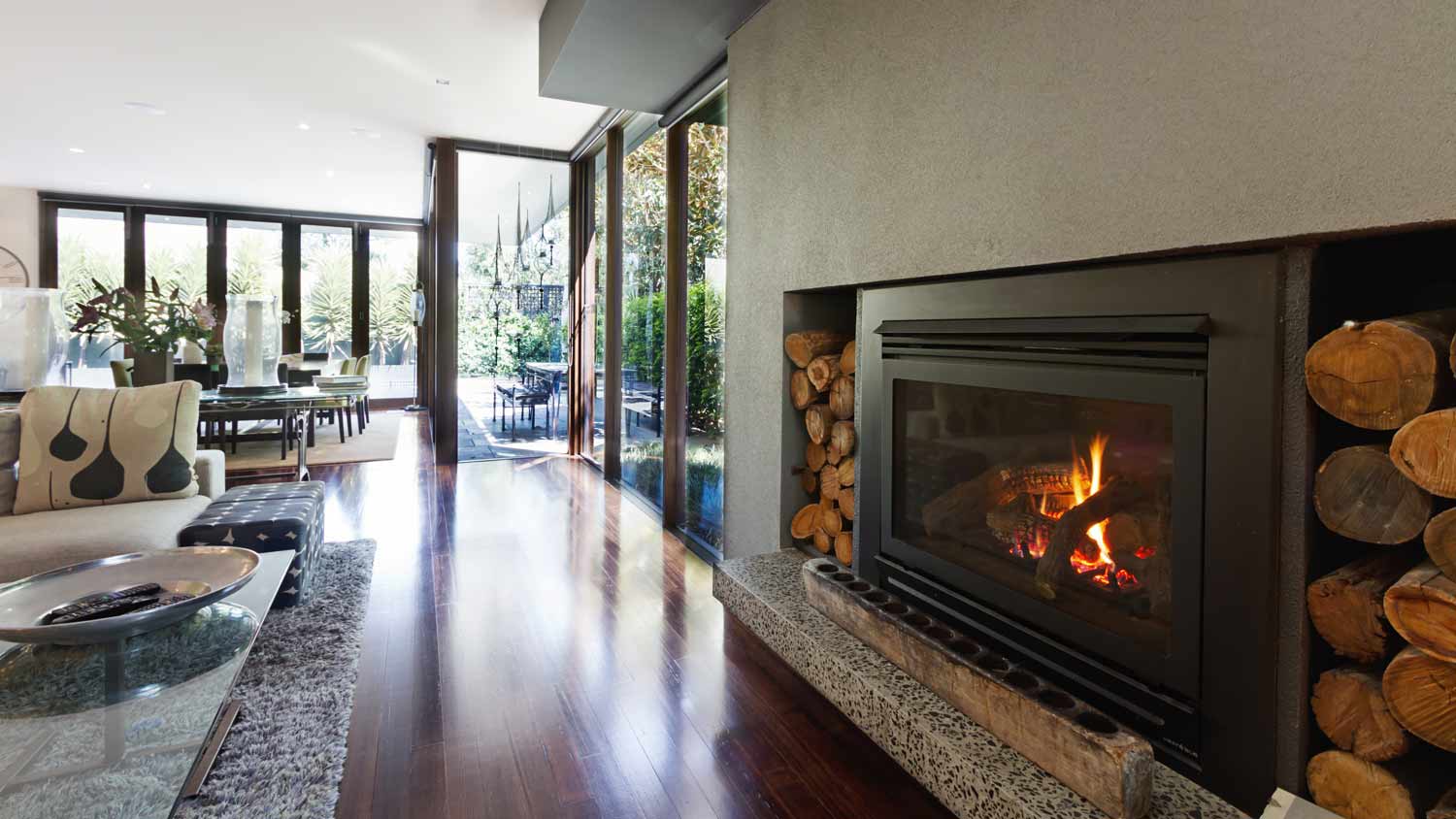
With a gas fireplace, it’s important to stay up-to-date on your inspections. Learn more about how much gas fireplace inspections cost before you book one.

Ventless gas logs serve the same purpose as vented gas logs. But that doesn’t mean they’re interchangeable. Find out more on whether you can use ventless gas logs in a vented fireplace or not using this informational guide.
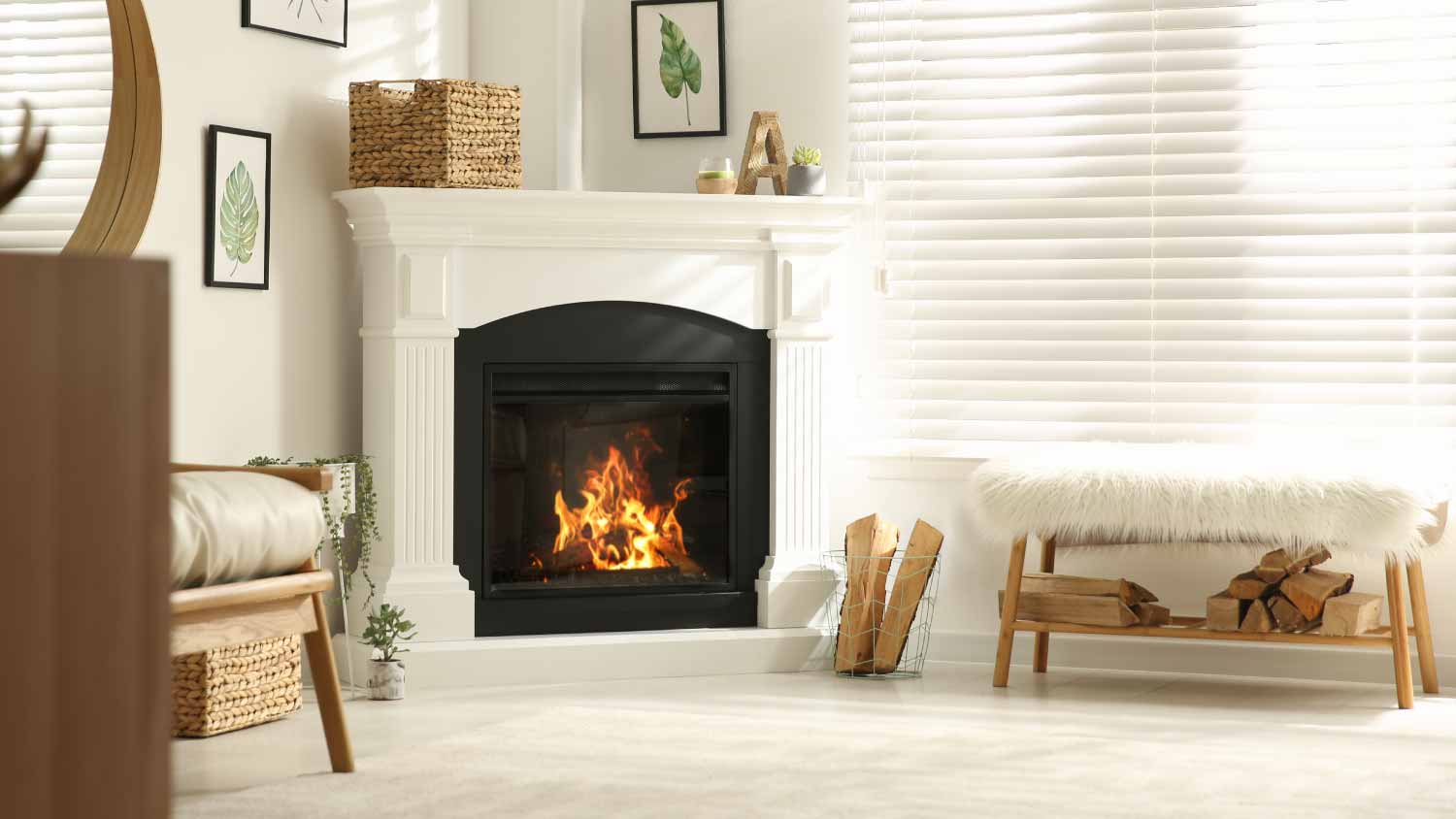
Considering adding a ventless fireplace to your home? Keep reading to learn about the pros and cons of ventless gas fireplaces.

In the heated battle of ventless versus vented gas fireplaces, which one comes out on top? Let’s explore the pros and cons of each type.