
•
Discover wallpaper installation cost. Learn about material, labor, and project factors to estimate your budget and make informed choices for your home.
Say buh-bye to boring walls

Painting textured paintable wallpaper creates depth in your space, and testing a sample panel first helps you confirm the texture shows through your paint.
You'll spend $50 to $200 on DIY materials for paintable wallpaper and paint, making this an affordable way to customize your walls.
Let your wallpaper cure for 36 to 72 hours after hanging, so the adhesive firms up and prevents bubbling or wrinkling when you paint over it.
Hiring a local interior painting professional keeps your project on track with smooth wallpaper application and flawless paint coverage that lasts.
When faced with the choice between wallpaper and paint, you don’t have to decide one way or the other. Meet in the middle with paintable wallpaper, which provides a beautifully textured surface you can paint in whatever colors you choose. While paintable wallpaper makes it simple to customize your space, getting a wow-worthy result isn’t as easy as plastering and painting. But if you follow these tips for how to paint wallpaper, you can bring a dynamic look to any lackluster room.
Standard wallpaper can soak up paint and go bubbly, but the material of paintable wallpaper promotes paint adhesion and a smooth finish. This blank textured surface is ideal for hiding imperfections or adding depth and dimension to your walls. You can select the perfect paint shade to match your decor, and it’s available in a wide range of subtle or striking embossed designs.
It’s certainly possible to use paintable wallpaper on every wall in the room. However, it tends to produce a strong, eye-catching effect that might detract from the rest of the space’s decor if it covers all four walls.
Instead, restrict your paintable wallpaper to one accent or part of your walls. Cover the top third of a wall above some wainscoting to create a dramatic impact or add excitement to smaller alcoves, powder rooms, or half-bathrooms.
You can find paintable wallpaper in dozens of different designs and textures, perfect for just about any interior paint. However, your chosen combo might not produce the effect you’re picturing.
Create a test panel to see the result to avoid disappointment and costly do-overs. You don’t want to realize after you’ve painted the entire wall that the texture virtually disappears underneath the paint you chose.

Hanging and painting wallpaper is an involved process. To ensure it lasts, take the time to prepare your walls first. Use spackle to patch up any dents, holes, or nicks, which can cause air pockets that look not-so-great underneath your wallpaper. Sand those spots down until they’re smooth.
Don’t worry about applying primer to your wall before hanging paintable wallpaper, as this can flatten out the design and cost you some of the lovely texture that you want.
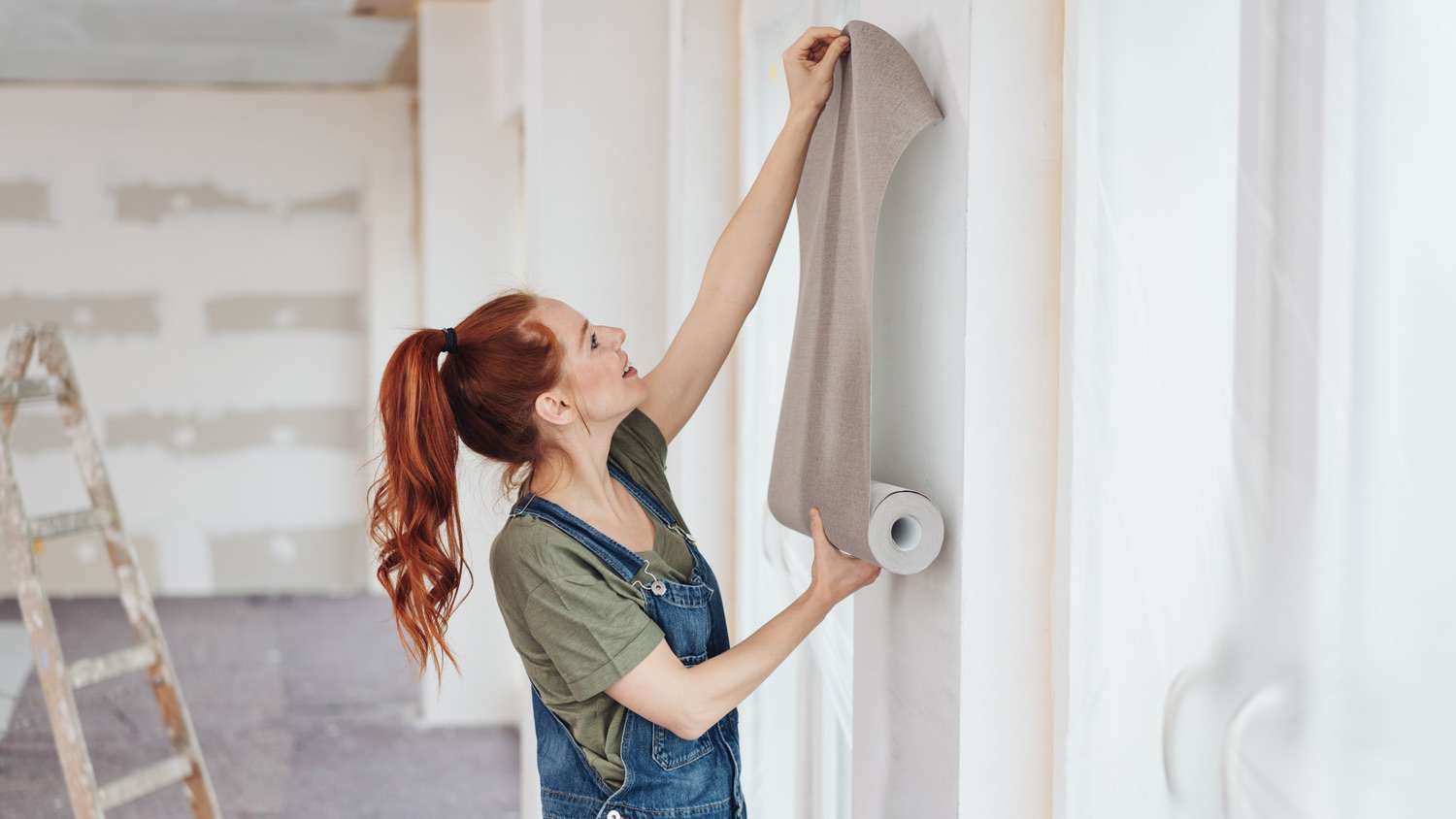
Carefully measure out and hang the paintable paper before you get stuck in with paint. A big bonus is that most paintable wallpaper comes pre-pasted, making it easy to attach to the wall.
Cut your paper to size, allowing a few inches of overhang at the top and bottom to trim after hanging. Measure and map out carefully—the fewer seams, the better.
Draw a line down the wall (a plumb line) from the ceiling to the baseboard. Use a level so that the first sheet of wallpaper goes on perfectly straight.
Attach the wallpaper, starting from the top. Use a smoothing tool to release any bubbles that might form, being careful not to pull on the paper.
Trim away excess paper at the baseboard with a razor.
Achieving a perfectly even bubble-free finish can be a challenge for anyone. On top of that, painting textured wallpaper can also create a wrinkled appearance.
While using a smoothing knife will help remove air pockets as you hang, let the wallpaper rest for 36 to 72 hours before painting. This will help the adhesive firm up, keeping the wallpaper in place while you work with a brush or roller. The colder the conditions, the more patient you will have to be during this curing process.

After the wallpaper has cured in place and dried completely, paint it with your fave color.
Mask the wall edges to prevent paint from overlapping your baseboards or ceiling.
Pick a medium or deep pile roller if you’ve selected a pronounced pattern on your paintable wallpaper. A shallow pile won’t get right into the grooves, and you’ll end up with a patchy finish.
Even if you use a roller with a deeper pile, you might still have to go over certain areas with a brush or dab it with a sponge to get complete coverage on heavy embossing.
Don’t forget to wipe off excess paint from the roller to prevent drips from forming in textured wallpaper's curves and promote even coverage.
Always let the previous coat dry before applying a second or third coat.
If you cringe at the thought of a DIY wallpaper project, hire a professional interior painter near you or a local wallpaper hanger. A skilled pro can hang your wallpaper and paint it in your desired color. This way, you don’t have to stress about those pesky air bubbles, either.
The cost to paint paintable wallpaper is similar to the cost to paint any interior walls. If you hire a painter, expect to pay $2 to $6 per square foot. A minimum charge could apply if the job only involves one accent wall. If the painter also applies the wallpaper, total costs could range from $3 to $10 per square foot.
If you’ve got the time and enthusiasm, this is a straightforward DIY job. You could do it yourself for $50 to $200, depending on how many walls you are papering and painting.
Annie Sisk contributed to this article.
Custom Paint Jobs LLC is the go-to choice for all your painting needs. They painted both the interior and exterior of my house flawlessly. Their work speaks for itself!
 Custom Paint Jobs, LLC
Beginning with the estimate, Larry and Peyton were super helpful in getting my new condo's interior re-painted. Not only was the job well done, but also done in a super timely manner as promised.
 Five Star Painting of Plain City and Powell
From average costs to expert advice, get all the answers you need to get your job done.
Discover wallpaper installation cost. Learn about material, labor, and project factors to estimate your budget and make informed choices for your home.
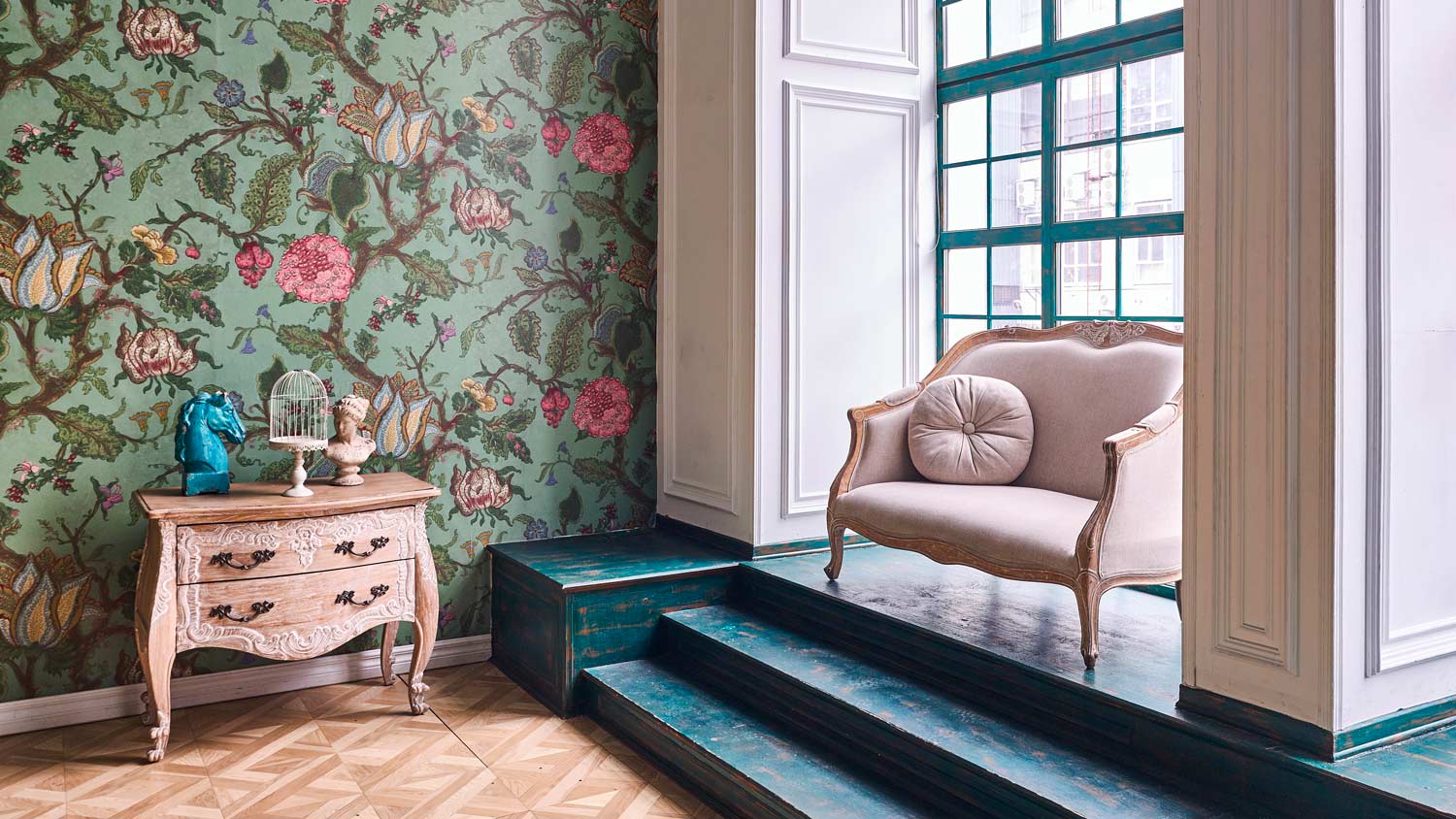
Get transparent wallpaper removal cost info to learn average prices, key cost factors, and tips to save on your wallpaper removal project.
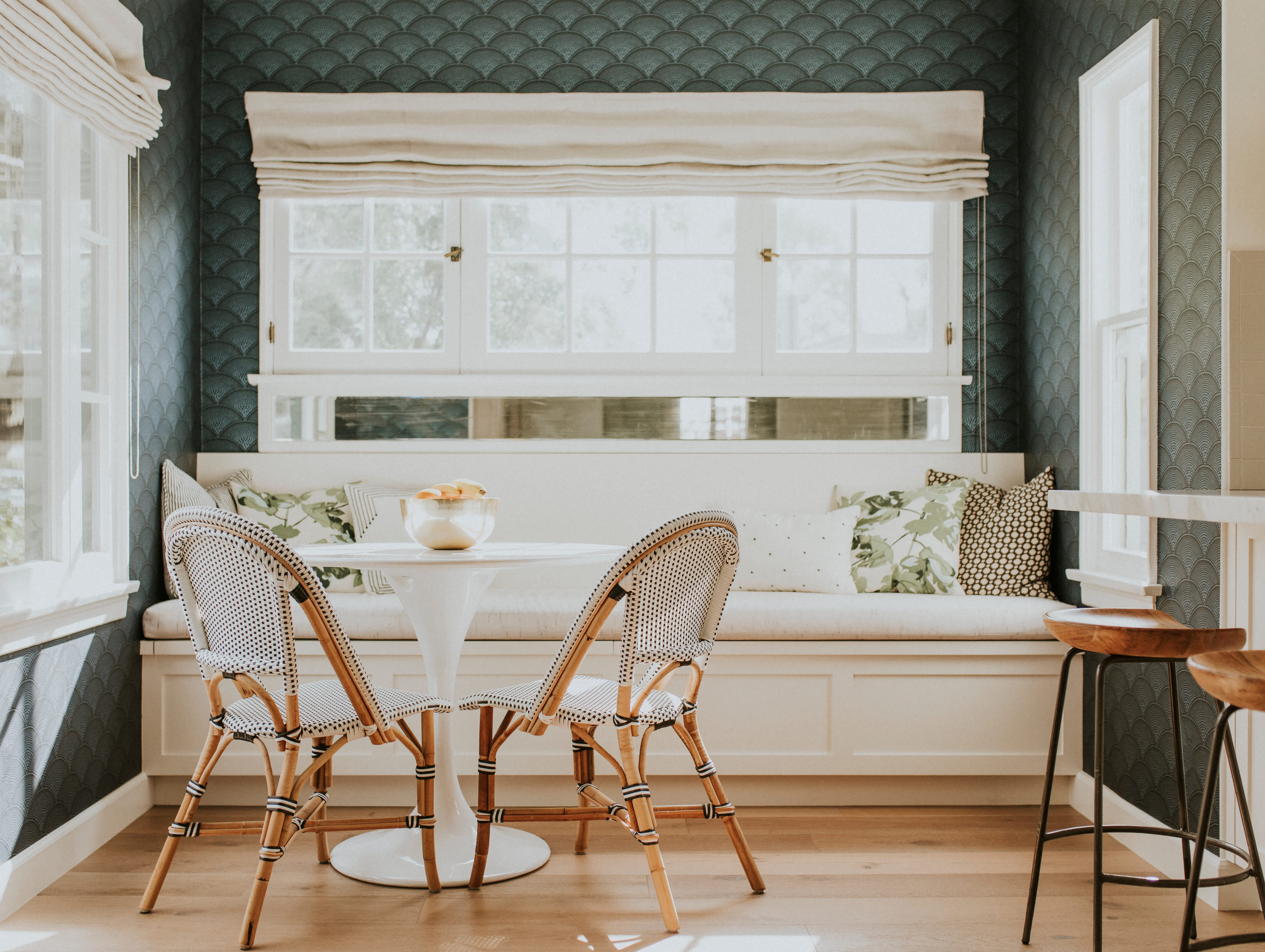
Ready to remake your bedroom or home office? Avoid a sticky situation with these nine tried-and-true tips for peel-and-stick wallpaper.
Whether you want to replace or remove your wallpaper, these handy tips for stripping wallpaper will make the process as easy as possible.
Before you dive into that new paint, make sure you know what you’re getting into. Learn about when you can paint over wallpaper and when you should peel it off.
Struggling to choose between wallpaper versus paint for your interior space? Learn how these options compare and which is best for your next project.