
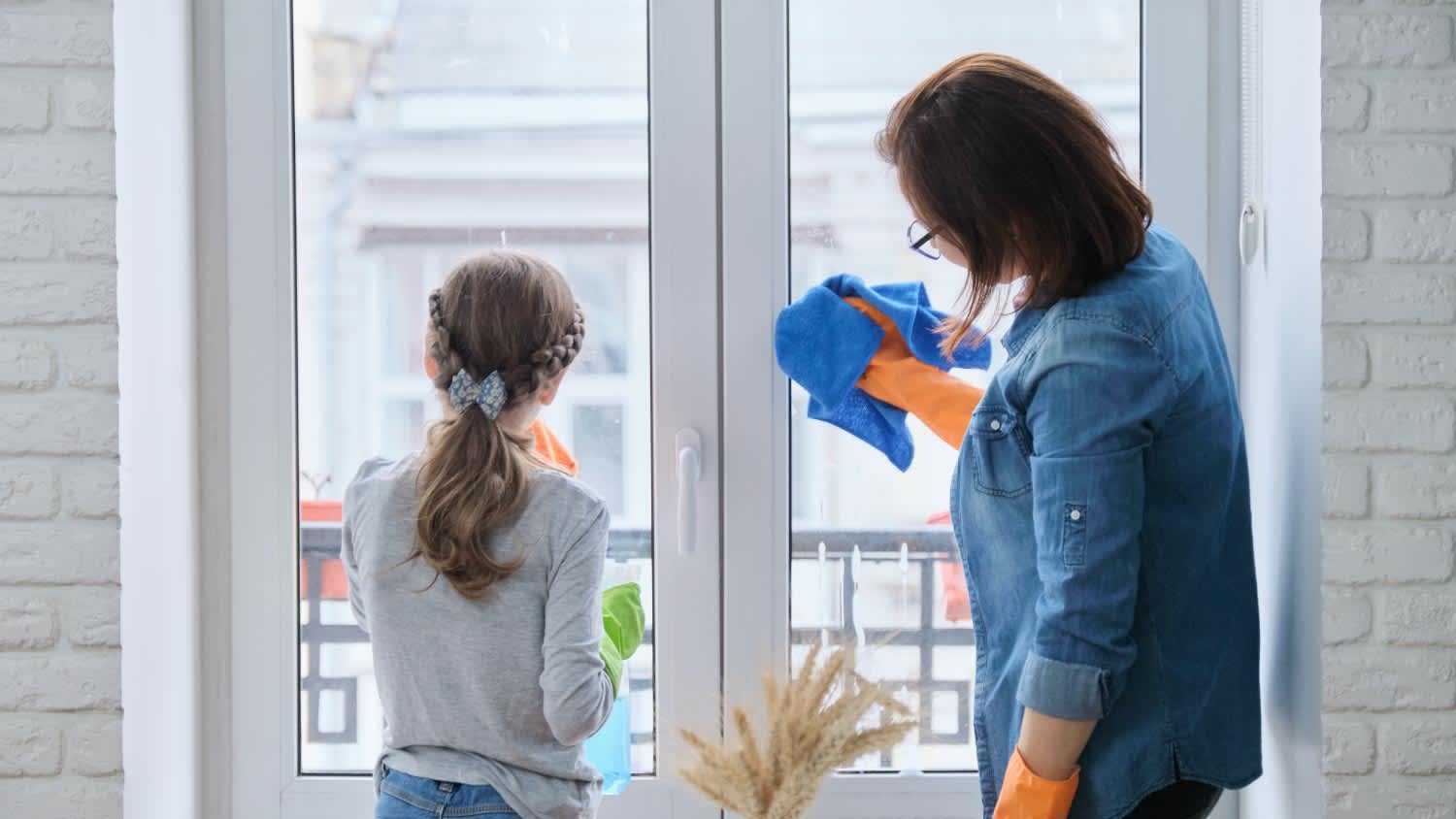
Your year-round allergy symptoms may be caused by pet dander, dust, and mold hiding in your own home. Find out how to reduce allergens in your home so you can breathe easier.
Dust is something to sneeze about, but you can cut it down with a few simple tricks


Dust builds up from skin cells, dirt, and dust mites that feed on dead skin, creating allergens that trigger asthma and allergy symptoms in your home.
Washing your bedding weekly removes accumulated skin cells and hair that turn into dust, and hot water kills bacteria and dust mites hiding in unwashed sheets.
Using doormats and removing shoes indoors stops 60% of dust from entering your home, keeping outdoor dirt and debris from spreading through every room.
Hiring a local house cleaning professional takes dusting and vacuuming off your plate, providing weekly deep cleaning that keeps dust under control throughout your home.
If it seems like you’re constantly cleaning dust out of your home, sure enough, your home is acquiring dust. However, you can learn how to reduce dust in your house and save yourself some precious cleaning time. In this guide, get 15 practical methods to get rid of dust.

When you’re wiping down surfaces and vacuuming daily, you’ll collect dust particles and other small debris. That means it won’t have a chance to accumulate on dressers and floors. Consider following a house cleaning checklist with rotating tasks each day so all parts of your home stay clean and dust-free.
If you don’t have the time to stay on top of cleaning, consider calling your local house cleaner to take care of this task for you. These pros can laser-focus on getting rid of dust for you (and taking care of that dreadful pile of laundry) every week. Professional house cleaning costs $170 on average.
While you may not actively think about it (or want to think about it), your shoes come into contact with all kinds of things during the day, from your office’s carpeting to the city streets. All of this activity can lead to dirt, bacteria, and germs coming home with you via your favorite sneakers.
Taking your shoes off when you enter your home will prevent you from tracking these harmful substances in with you, since 60% of the dust in the home comes in from outside, according to a study from the American Chemical Society.
Using doormats is another way to combat external grime, especially if you have guests coming in who aren’t removing their shoes. Keeping a microfiber cloth by the door to wipe your pet's paws off as they enter the home is another way to keep dirt and debris from filtering through the home.

Vacuuming at least once a week—more often if you have family members with allergies or pets in the home—will keep your rugs and flooring from collecting as much dust and dirt. Upright vacuums work well for rugs and carpets, while canister vacuums are better for hard floors because they produce stronger suction.
"Vacuuming is a crucial step in the process of keeping your home clean and free from dirt, debris, and other sources that may allow bacteria and mold to grow to create an unhealthy living environment," says Asya Biddle, Expert Review Board member and manager of The Dust Busters janitorial company in Williamsport, PA. “Make sure you regularly clean your vacuum by emptying out the canister and wiping off the vacuum itself with an antibacterial cloth.
If you have area rugs, taking them out for a good beating three or four times a year is also a good idea. Hang your rugs over a clothesline or fence and beat them with a sturdy object, such as a bat, broom handle, or tennis racket.
Although vacuuming is an excellent way to keep your floors dust-free, steam cleaning is also a must. Steam cleaning your carpets and rugs every four to six months can drastically reduce the amount of dust, dirt, and dander hanging around in your home. When you know how to reduce dust in your house with steam cleaning, you can also kill dust mites, which is a common allergen and can aggravate asthma.
Hire a carpet steam cleaner near you to keep your rugs in tip-top shape year-round. Typically, carpet cleaning costs $180.
Dry dusting with a feather duster or cloth keeps dust off of furniture and picks up some debris, but generally, dry dusting just pushes dust around instead of picking it up. Using a damp cloth or a furniture polish spray to wipe off furniture once a week is a more effective way to pick up the dust.
Don’t forget about cleaning your window tracks, curtains, blinds, lampshades, and furniture. These items collect lots of dust, especially the soft surfaces. Wash your curtains regularly, at least every three months, and vacuum your blinds and lampshades. Vacuuming your furniture regularly and having it steam cleaned with your carpets will keep the dust level in your home manageable.
If you have central heating and air conditioning, all the air that’s pumped into your home passes through your furnace filter. Replacing your filters is one of the key (low-cost) ways of learning how to eliminate dust in your home. There’s a large variety to choose from, including disposable and washable options. Change your furnace filter (or clean it) at least once every 90 days, and more frequently if you have pets or allergy sufferers in the home.
Another way to manage dust in your home is to run the furnace fan while you’re dry dusting. Dry dusting kicks dust up into the air, and the fan will help air circulate through your home and push those particles into your furnace filter. Leave the fan running for a few hours after you’ve finished to ensure that any dust hanging in the air is pushed into the filter.

When learning how to reduce dust in your house, some homeowners purchase an air purifier. For good reason, air purifiers collect dust and particulates from the air, helping to keep it off your surfaces. They come in a wide variety of sizes, from whole-home options to small-room units. Using an air purifier with a high-efficiency particulate air (HEPA) filter is best because it can trap up to 99.97% of dust, pollen, mold, bacteria, and allergens, according to the U.S. Environmental Protection Agency.
Washing your bedding at least once a week is essential for keeping a low-dust home. When we sleep, we shed skin cells and hair that ultimately end up as—you guessed it—dust. Dust mites can also grow in unwashed sheets. Ideally, you should wash your sheets in hot water to kill bacteria and mites.

Knickknacks, figurines, and other keepsakes you put on shelves may look nice, but they may be difficult to clean around, and they can also attract dust. Set yourself up for dust-free living by minimizing the amount of clutter on your shelving. Your future self responsible for cleaning those shelves will thank you. Also, this tip works great overall since decluttering your home is an effective solution to reducing dust in every room.
Closets are huge lurking grounds for dust and often get neglected when cleaning time rolls around. Remember to clean inside your closet when you’re dusting and vacuuming, and keep clutter to a minimum by storing your off-season clothing in clear plastic tubs.
We all love our furry friends, but pet dander is a huge contributor to dust in the home. To prevent dust, fur, and dander from overtaking your home, wash their beds and soft toys once a week.
Be sure to wash your pillows every three to six months. While you can launder your pillowcases weekly to minimize dust mites, they can still make themselves at home inside the pillow. To wash your pillows, you can put them in the washing machine with a mild detergent, warm water, and a gentle cycle, or follow the instructions on the tag. If you’re worried about ruining your favorite pillow, you can also dry clean it every few months to keep it fresh.
Dust is the accumulation of tiny debris, like skin cells and dirt, and dust mites, which are tiny pests that feed on old skin cells. Where there is dust, humidity, and warmth, there are likely dust mites. These pests can cause allergy symptoms and are a trigger for people who have asthma, according to the American Lung Association.
A dusty house might be a little embarrassing when guests come over for dinner, but there’s more at stake. Dust and dust mites can affect your health. If someone in your household has asthma, dust and dust mites can trigger an asthma attack. You may also experience uncomfortable and ongoing allergy symptoms, like sneezing, sniffling, or coughing, even when springtime pollen is months away.
Paige Bennett contributed to this piece.
I had FabClean 614 clean my apartment, and she did an outstanding job. She was so professional and efficient. My apartment looks absolutely spotless every surface, every corner, all cleaned to perfection. Definitely highly recommend FabClean 614 if you're looking for top-notch cleaning...
 Fab Clean 614
Best cleaning I've had at my property
Fantastic group, very communicative, and they really did a great job cleaning my condo. Will be hiring them for recurring cleaning!
 eMaids of Northern Columbus
Ace Fireplace Services' chimney sweep service is truly exceptional. They used advanced technology to ensure a thorough cleaning process, and my chimney has never looked better. I highly recommend their services.
 Ace Fireplace Services
100% satisfied with the work done by Supreme Brick & Chimney. Josh responded to my Angi request very quickly and squeezed our house into his schedule only a couple business days out. The chimney cleaning process was extremely clean with ZERO dirt going anywhere besides in Josh's vacuum. Very...
 Supreme brick & chimney
On time, clean and finished fast. Windows seem sturdy and the finish is good. Caulking was done with no smudges. Would recommend.
 Window Depot USA of Central Ohio
Great job...edging and pre clean up went well with a great job with seal coat. Friendly, efficient and professional.
 All Star Paving and Sealing
Mary Cleaning Service is fantastic! The entire team is professional and pay a great deal of attention to detail. They do such a thorough job of cleaning my house. I would definitely recommend!
It was just fine. They did a good job. They cleaned what needed to be cleaned.
 Dezired Cleaners LLC
They cleaned my very dirty basement. They were prompts, quick, thorough and their price was fair.
 JDE House Cleaning LLC
From average costs to expert advice, get all the answers you need to get your job done.
Your year-round allergy symptoms may be caused by pet dander, dust, and mold hiding in your own home. Find out how to reduce allergens in your home so you can breathe easier.

Remodeling projects create a lot of dirt and debris that can end up all over your home. Even the smallest remodels can leave a big mess in their wake, so follow these nine tips to keep your home as clean as possible during a remodel.
Installing drywall can be a messy renovation project. Learn how to get rid of drywall dust like a pro with these handy tips.

Remodeling or doing some home improvement? Use these tips to cover your vents during construction and protect your HVAC system from damage.

While there’s so much to love about shiplap walls, there’s no denying that this trendy favorite is a huge dust magnet. Keep it clean with a few smart tricks.

Wondering why your home is so dusty? We found five reasons why dust may accumulate in your home and how to resolve them and freshen up your space.