
•
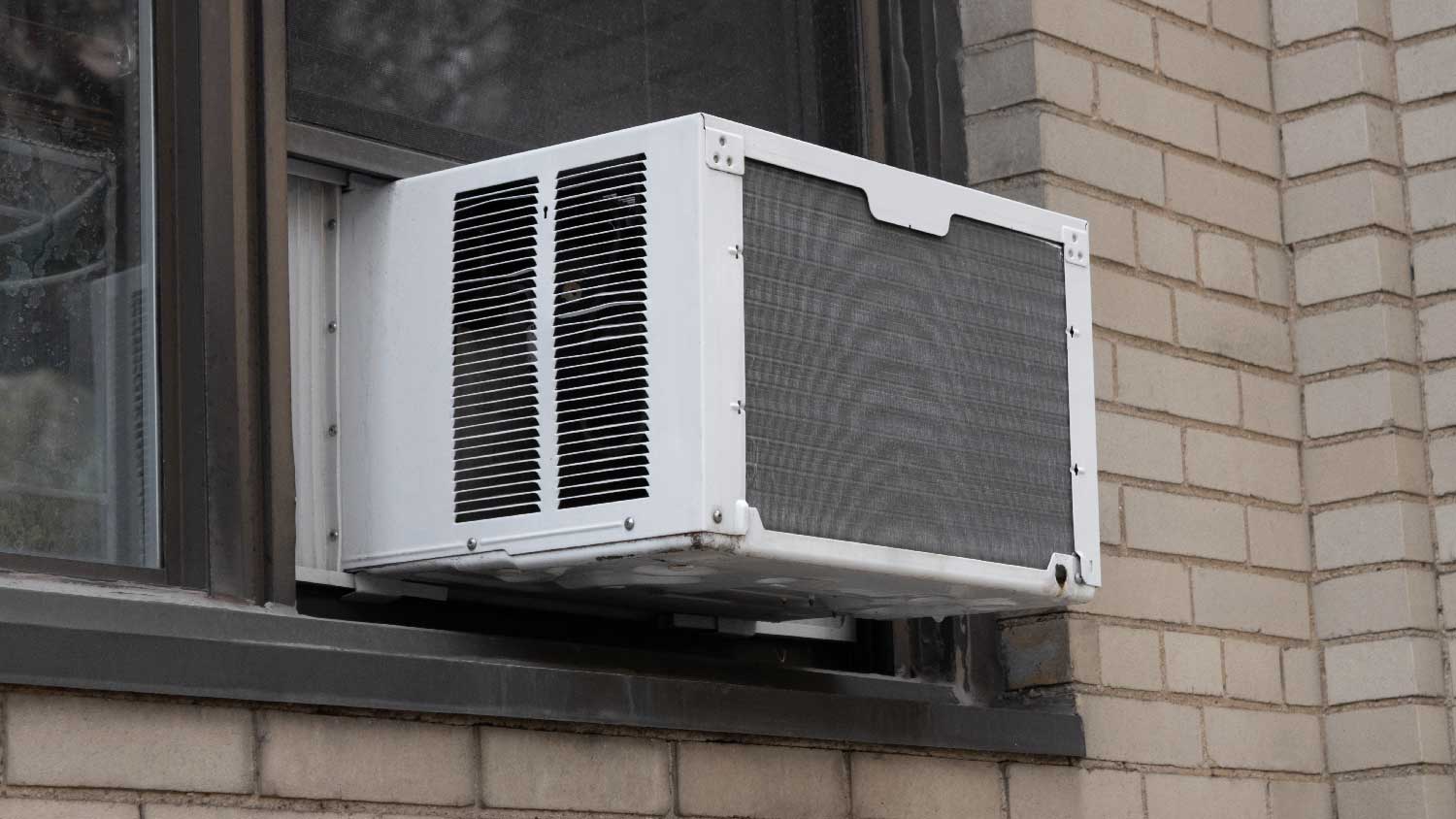
Discover the true window AC unit installation cost to learn about labor, permits, and ways to save on your window AC project.
Chill out—we’ve got you covered

Your home needs existing ductwork for installing central heating and air conditioning, as forced-air systems rely on metal vents throughout ceilings and floors to circulate air.
Expect to pay $3,000 to $7,000 for professional AC installation, while adding central air to older homes without ducts can cost $6,000 to $17,000 or more.
You should calculate your home's square footage and multiply by 20 to determine the BTU size your AC unit needs, ensuring proper cooling without short cycling.
Hiring a local electrical professional provides reliable support for circuit breaker upgrades and ensures your home can safely handle your new central air conditioning system.
Older homes may have charming features you won’t find in newer construction—wainscoting and stained glass windows come to mind—but they also lack modern comforts such as central air conditioning. That doesn’t mean you’re destined to endure oppressive summer heat or install window AC units if you live in an older home. Fortunately, it’s possible to add central air conditioning to an older home, even if it lacks ductwork. But, before you invest in a new system, consider these tips for adding central air to a house.
The biggest factor that determines how easy (or complicated) it will be to retrofit your home with central air conditioning is whether you have ductwork. Homes equipped with forced air furnaces for heat have ducts that spiderweb throughout the ceilings and floors to circulate that warm air. If you’re not sure what type of HVAC system your home has (or even what an HVAC system is), simply look for the telltale metal louvered vents (called registers) that indicate you have ducts. You’ll find them on the ceiling and on the floor near the walls.
| Ductwork Status | Process |
|---|---|
| Have existing ducts | A pro will connect AC to existing ducts and use a furnace blower to circulate air (no need for an air handler). |
| Don’t have ducts | In a single-story home, a pro will install an air handler in the attic and run ducts through ceiling joists to rooms. In a multi-story home, a pro will run ductwork through closets to connect levels. |
Some people turn on the AC as soon as the temp hits 70, while others hold out until they’re breaking a sweat while watching TV. It would go to follow, then, that not every type of home requires the same type of air conditioner. Before you go to have yours installed, know what meets your needs.
If you live in a sprawling Craftsman, roomy Victorian, or another type of large home, you’ll want a powerful unit that can distribute cool air evenly from top to bottom, so you should expect to pay more.
While how much an air conditioning unit costs may be foremost in your mind, it’s also crucial to consider how much you’ll spend each month to operate it. Luckily, the Department of Energy (DOE) requires air conditioning unit manufacturers to rate the efficiency of their AC units and share that info with consumers. Central air conditioner and HVAC energy efficiency is indicated by its SEER (Seasonal Energy Efficiency Rating). The higher the SEER rating the more energy efficient the air conditioning is (and the less it will cost to run each month). You can find this rating on the AC unit’s bright yellow EnergyGuide tag.
The savings can be significant. Trading out an old 9 SEER AC unit with a high-efficiency 14 SEER unit can cut operating costs by 35%, according to the DOE.
Keep in mind that the price of air conditioning units with high SEER ratings is significantly higher. But while you’ll pay more upfront for an energy-efficient air conditioner, you’ll eventually make up that money and more in operating costs. You can also take advantage of rebates and tax credits offered by the federal government and utility companies for air conditioners with high-efficiency ratings.

Take a Goldilocks approach when deciding what size AC unit you need and get one that’s just right. An air conditioning unit that’s too small for the space will run constantly to try and cool it, driving up your electric bill while shortening the lifespan of the air conditioner’s compressor and fan motor.
Likewise, bigger is certainly not always better when it comes to air conditioning units. When the AC unit is too large for the home, it produces too much cold air for the space, causing it to reach the setting on your thermostat before it finishes a cycle. This causes the air conditioner to turn off and on repeatedly in a process HVAC pros refer to as “short cycling.” Short cycling puts a strain on the air conditioner’s condenser and motor while running up your electric bill.
While an HVAC service will tell you what size air conditioner you need for your home, it’s wise to understand how they make their determination, especially since the only remedy for the above problems is a costly replacement. Calculate the total square footage of the area you plan to cool, then multiply that number by 20. The resulting number is the size air conditioner you need in BTUs. For example, if you have 2,000 square feet of space to cool, you’ll need an air conditioner that produces about 40,000 BTUs.
Buying new air conditioning and having it installed is all well and good, but before you start dream shopping and getting quotes, you should assess whether your home can handle the air conditioning in question.
In older homes, many circuit breakers just aren’t up to the task, which can lead to an unwelcome surprise: upgrading your circuit breaker at the average cost of between $750 and $2,000. Have an electrician near you assess your circuit breaker ASAP so you can confidently make your budgeting and installation choices.
Before embarking on a big project like having air conditioning installed in your home, it’s always wise to go in with an expectation of how much you’ll be spending. While comfort is key to a happy home life, so is a comfortable number in the bank account.
If you plan on hiring an AC pro to install your air conditioning system, you should plan on spending $3,000 to $7,000 in total. That cost includes the price of the unit and the installation itself. HVAC system replacement costs between $5,000 and $12,500.
It can be tempting to act quickly on a good deal once you think you’ve got one. While air conditioning installation can be costly, it can be a necessity depending on where you live.
In other words, if it sounds too good to be true, it probably is. That’s why it’s essential to get at least three quotes from local air conditioner installers before signing any contracts.
There are a few benefits and drawbacks to weigh when thinking about adding central air to your house.
| Pros | Cons |
|---|---|
| Convenient comfort: It’s easier to regulate your home’s temperature from a single thermostat rather than individual units. | Higher initial cost: It can be expensive to install a new cooling system, especially if there’s no ductwork in place. |
| Increased energy efficiency: You’ll save money on your energy bills, especially with a new system. | Complex installation: Installing new ductwork in older homes can be difficult and disruptive to the household. |
| Higher property value: Central air can add 5%–7% more to your home’s value. | Needs regular maintenance: A major home system requires frequent tune-ups to perform properly and avoid costly repairs. |
Great company! Price was competitive, technician showed up on time and completed the job (exterior electric Radon fan replacement) quickly. Would hire them again.
 MaGen Property Inspections and Radon Mitigation
As usual with ECO, tech Jordan was outstanding, very professional, very knowledgeable, and very thorough with repairs made to tankless water heaters. Very highly recommend ECO!!!
 Eco Plumbers, Electricians, and HVAC Technicians
Raven and crew does absolutely fantastic job. They are very professional if any concerns were to occur with any of her work she always took responsibility and finished out with a great job. I have worked with her business for a year and have always been satisfied. Very trusted business and...
 Creations of Transformation LLC
I would recommend this company to anyone! He showed up on time, was friendly, completed a very difficult repair on our dryer vent cover, was responsive, and pricing was extremely fair and competitive. I would have him back to do any of our repairs or cleanings without hesitation!
 U.S.A. Dryer Vent, LLC
Ace Fireplace Services' chimney sweep service is truly exceptional. They used advanced technology to ensure a thorough cleaning process, and my chimney has never looked better. I highly recommend their services.
 Ace Fireplace Services
The technician was very professional and friendly. He answered all my questions and was very thorough. He left the fireplace area very clean . He inspected from the roof and advised me as to other work that might need to be done. There was no pressure there. I was very satisfied with the...
 Supreme brick & chimney
Excellent experience with hiring Tether House to Mount our 77’ Samsung TV in our bedroom. Fast, friendly, and knowledgeable. Highly recommend.
 Tether House
On time, clean and finished fast. Windows seem sturdy and the finish is good. Caulking was done with no smudges. Would recommend.
 Window Depot USA of Central Ohio
Great job...edging and pre clean up went well with a great job with seal coat. Friendly, efficient and professional.
 All Star Paving and Sealing
Good workers and they do a good job.
 Mira Construction
From average costs to expert advice, get all the answers you need to get your job done.
Discover the true window AC unit installation cost to learn about labor, permits, and ways to save on your window AC project.

Air conditioners have a really important job, which is why it’s upsetting when they stop working. Check out 12 air conditioner troubleshooting tips here.
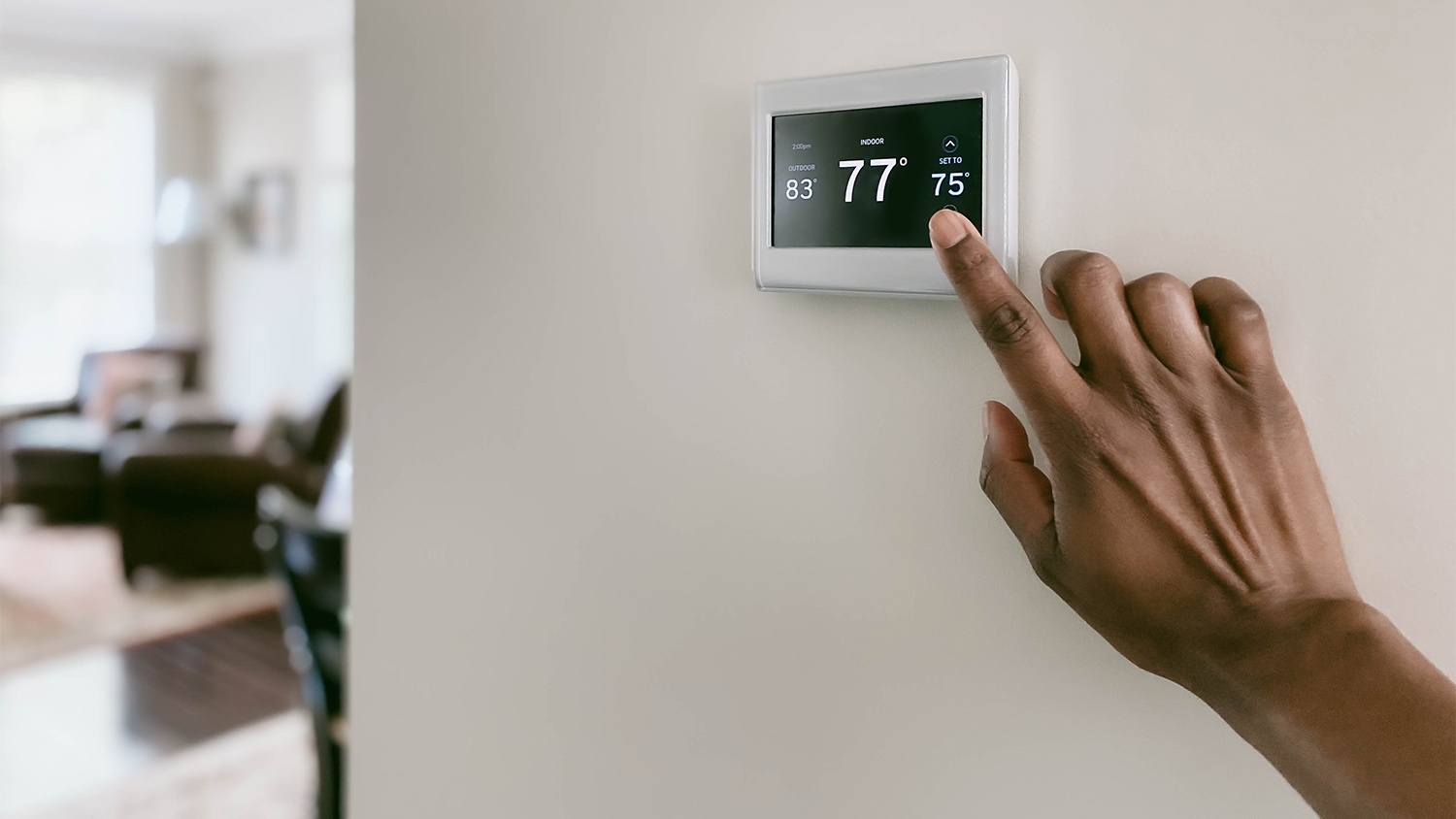
An air conditioner enhancer can help reduce humidity in your home, making indoor temperatures more comfortable. Here’s what you need to know about AC enhancers.

What size AC unit do I need? There are many factors that contribute to the ideal AC unit size. See how to calculate and make the best decision.

When the temperature rises, you may wonder if it’s bad to keep turning the AC on and off. Find out the pros and cons of doing so and how to conserve energy.
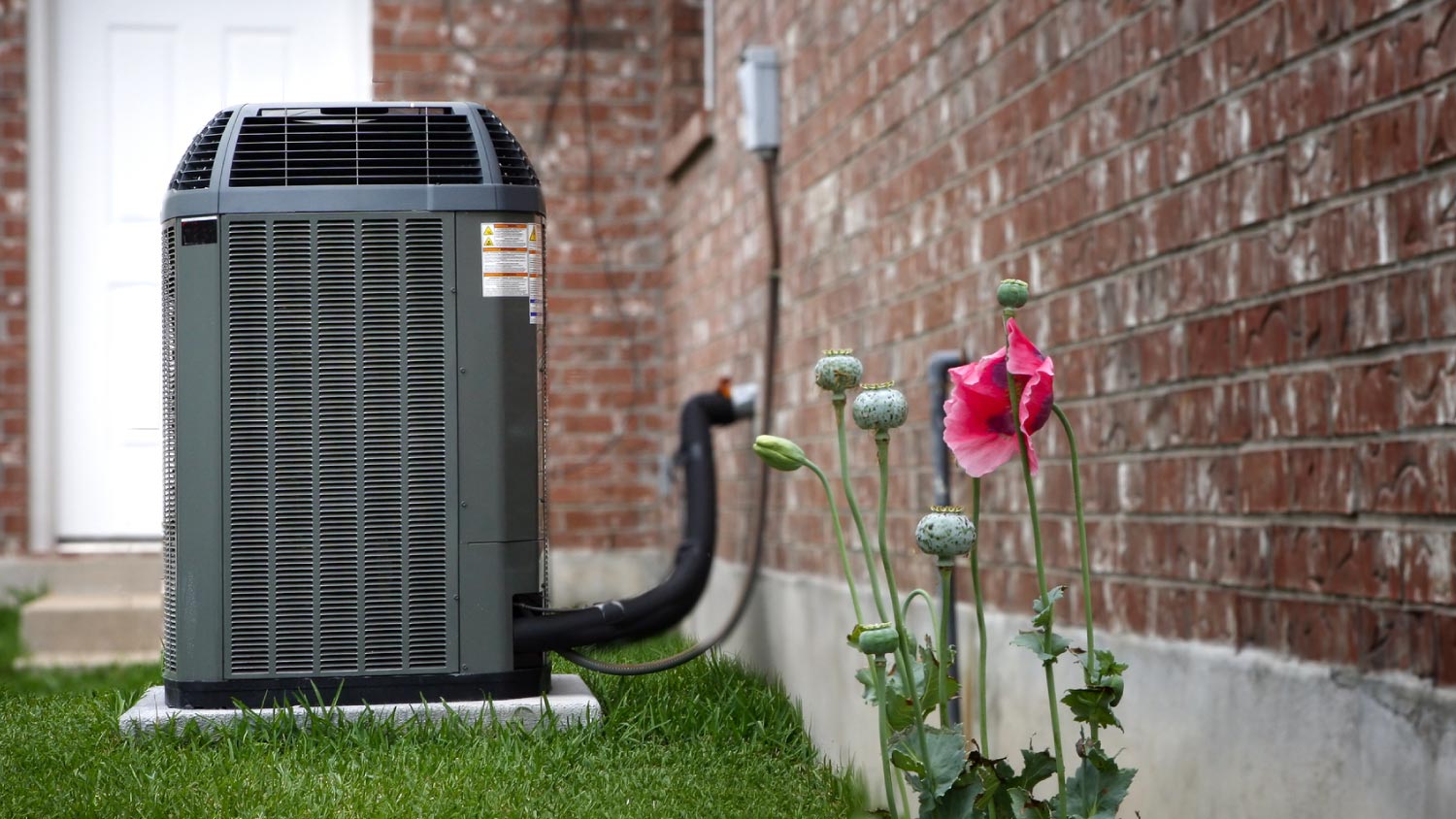
Think you have an AC coolant leak? Check out six telltale signs that something is up with the coolant in your system and tips to prevent it in the future.