
Top-rated fire pit installation pros.

Best fire pit installation pros near Wright, WY

Enter your zip and get matched with up to 5 pros

Need a pro for your fire pit installation project in Wright, WY?

Select your specific project to find the pro for you.

TRUSTED BY WRIGHT, WY HOMEOWNERS

  • Average homeowner rating star icon4.5
    Average homeowner rating
  • Verified reviews icon14
    Verified fire pit installation services reviews

Top-Rated Fire pit installation pros in Wright - Updated Nov 2026

Showing 1-10 of 43
Fire Pit Installation FAQs, answered by experts

The short answer is yes, but the longer answer is more complex. Unless the fireplace is ventless by design, you’ll need some type of exhaust pipe system to safely send fumes and other harmful byproducts out of the house. Even then, ventless fireplaces are not always permitted because they do keep the byproducts inside of your house. Ventless fireplaces are safest when installed in spaces that are themselves well-ventilated, like large rooms with lots of windows.

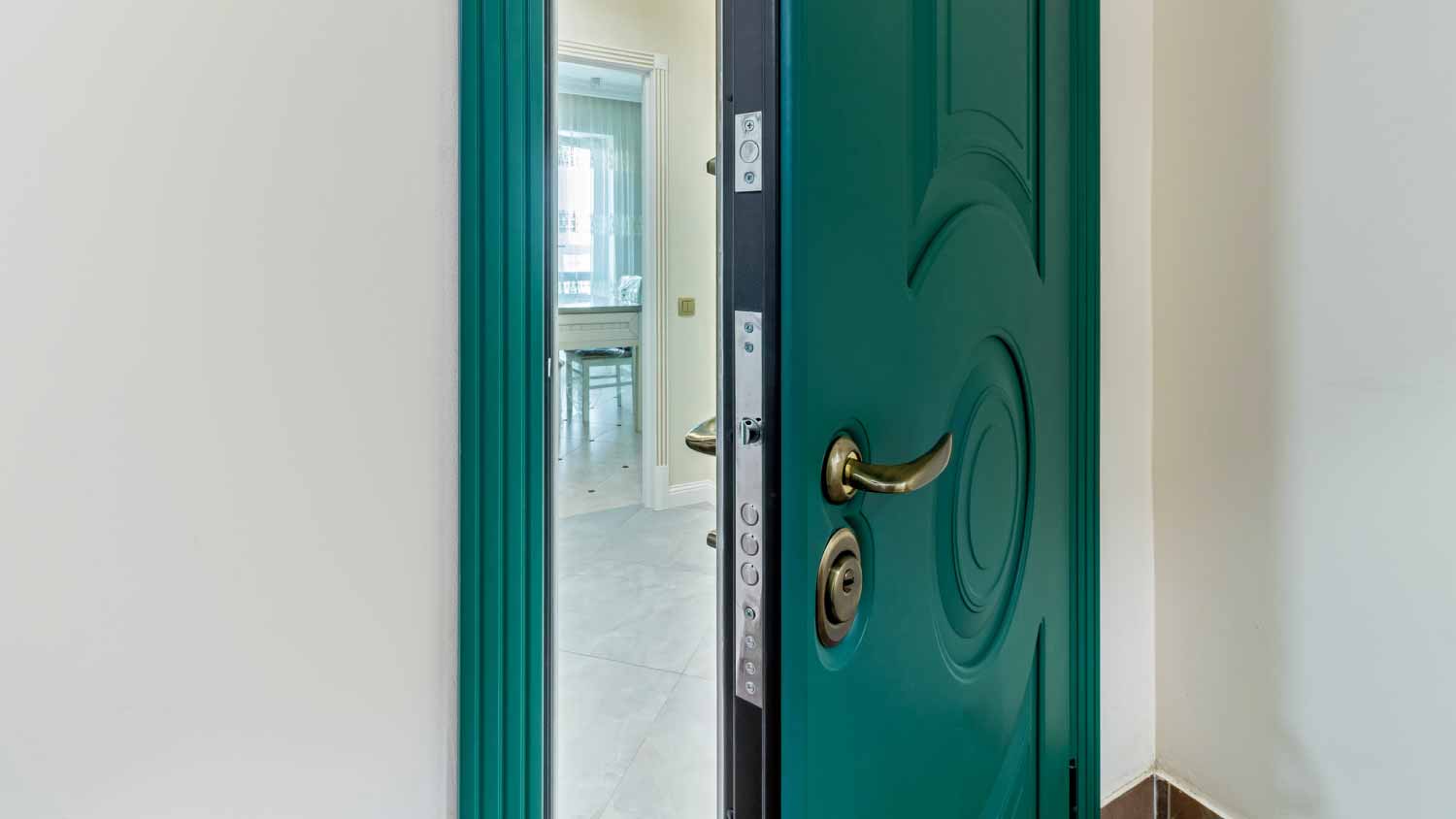
You can install your own fire door, but since it’s a safety measure in your home (and often the only way to passively slow down a fire), you should rely on professional door installers. These contractors know exactly what to do and how to do it, and in our opinion, their costs are worth every penny.

Yes, a water leak poses a major fire risk at your home because water is a conductor of electricity. Water that comes into contact with sparks or electrical wires can instantly ignite flammable materials. Additionally, any type of exposure to water can cause wires and other electrical components within your home to corrode. When assessing categories of water damage, it's important to know that even a small amount of moisture near wiring could cause sparks that lead to a fire.

EIFS has several disadvantages, primarily related to cost and moisture. The system tends to have higher upfront installation costs compared to other siding options, and repairs can also be expensive, especially if water damage occurs. A significant downside is its low breathability, which can trap moisture between its layers from either leakage or condensation. This trapped moisture increases the risk of developing mold and rot, which can lead to costly and extensive repairs if not addressed promptly.

A chimney requires both a cover and a cap, but these parts often get confused with one another. A chimney cover seals the top of the chimney around the flue pipe to prevent water from entering the chimney. A chimney cap is a piece that sits above the flue to prevent animals, debris, and water from entering the flue.

The Wright, WY homeowners’ guide to fire pit installation services

From average costs to expert advice, get all the answers you need to get your job done.