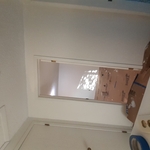
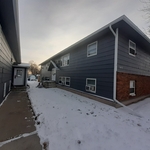
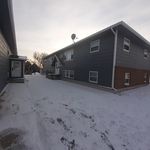
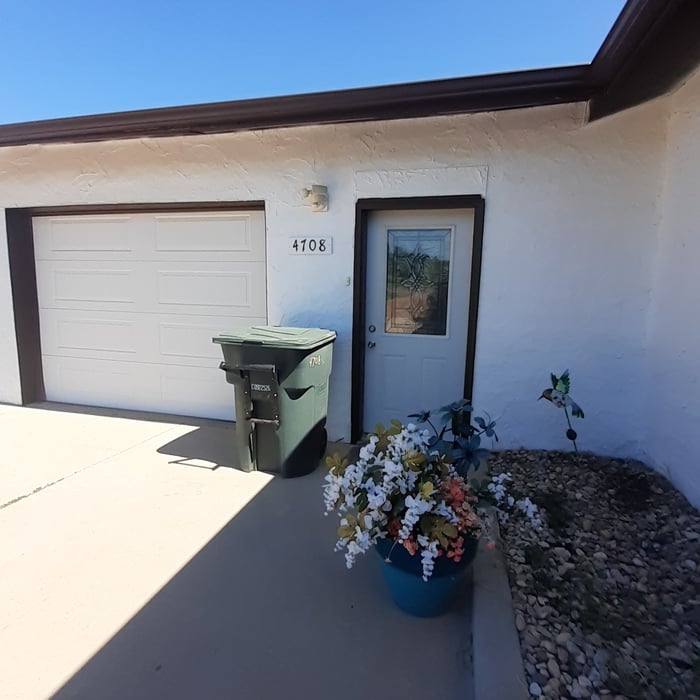
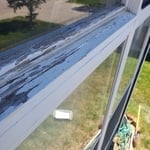
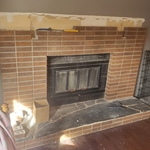
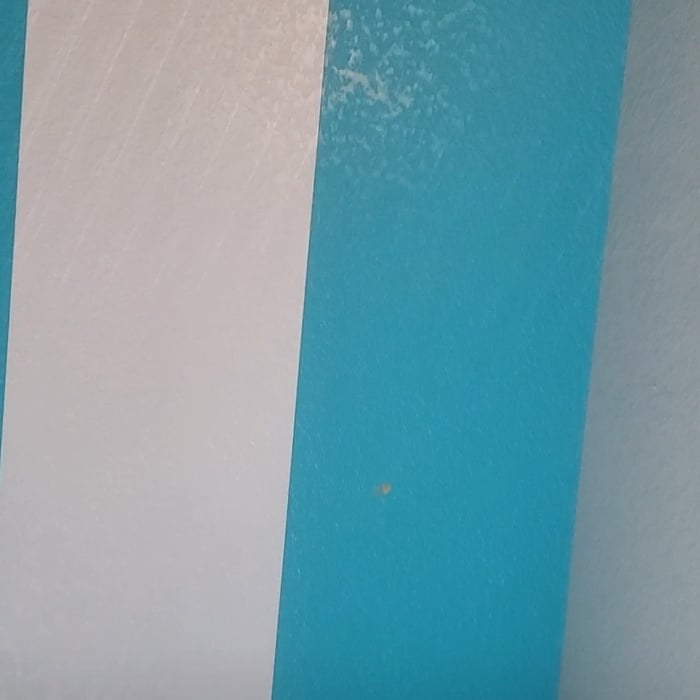
"Joe did an amazing job! I had my kitchen and family room painted (walls, ceiling, and trim). Joe is very professional, easy to work with, and affordable. You can tell that he really cares about making his customers happy. I highly recommend Schubert Painting for all of your painting needs. I will be using Schubert Painting again, in the near future, as Joe refinishes kitchen cabinets too."
"Painting was done correctly and in a professional way. He underbid 3 other professional painters in the area. He answered all my questions. He kept me informed of his plan each day."
"They were excellent, I would highly recommend. Everyone was very professional and showed up right when they said they would. They were gentle and everything arrived intact. They had us on the road in no time."
"CJR's Ranch, Dirt and Fabrication, LLC are exceptionally hard workers. Jason has a wide breathe of skills that allows him to do a lot of different tasks. If you want high quality work for fair pricing, give Jason a call!"
"Dutch and his partner, Mike, put down our hardwood flooring for us in just a few days! Before our floor was laid, they took a wall down in our kitchen which gave us a wonderful open "great room". They were incredible workers. Dutch has so much experience that he was able to figure out some real tough situations we had with wiring and plumbing after the wall was down. Mike was excellent at crawling up in the attic and helping Dutch reroute all the exposed wiring. I've never seen two guys work so hard and put in such long days. They were incredibly fast at their work and I would highly recommend them for any remodeling job. Very nice guys!"
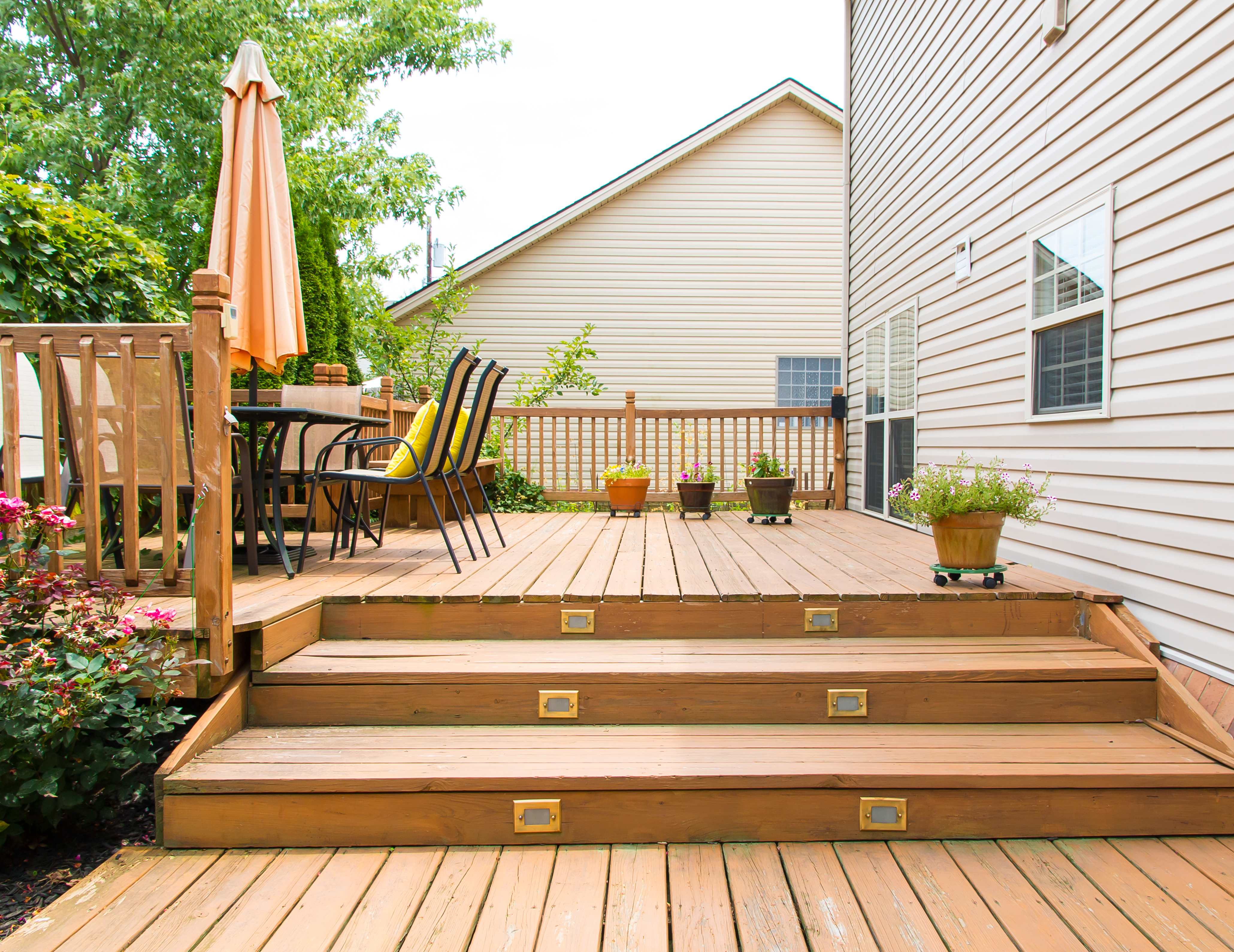
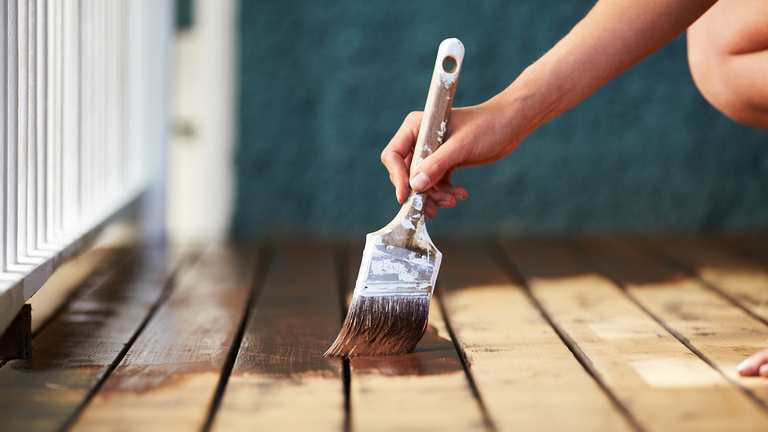
A wood deck requires annual cleaning and regular inspections for loose or broken boards, nails, and screws. It should be refinished by applying a stain or sealer every two to three years to protect the wood from water damage, rot, mildew, and sun fading. The exact frequency can depend on the climate and the deck's exposure to sun and moisture. If your deck is painted, it will need repainting approximately every 10 years. Signs that your deck needs refinishing include faded, splintering, or warping boards.
Yes, it is generally a very good idea to seal your deck after pressure washing. Power washing removes not only dirt and debris but also a thin layer of wood, leaving the surface exposed and more susceptible to weathering. Sealing is almost always needed after this process. After a general cleaning, sealing isn't automatically necessary if the existing sealant is still intact. You can test the surface by placing a few drops of water on it. If the water beads up, the sealant is working. If it soaks into the wood, it's time to apply a new sealant. If it has been a few years, it's wise to remove the old sealant, wash the deck, and reseal for maximum protection.
Limewash and whitewash do not harm surfaces if you apply them correctly. Use on non-suitable surfaces can cause issues. For instance, applying limewash or whitewash to surfaces with existing sealants or incompatible materials may lead to poor adhesion or flaking. Also, harsh cleaning agents on limewashed or whitewashed surfaces can damage the finish. Proper preparation, application, and maintenance ensure that limewash and whitewash do not harm surfaces.
Staining a deck is typically less expensive upfront than painting. The cost to stain a deck professionally averages around $850, with most homeowners paying between $550 and $1,250, depending on the deck's size. A DIY staining project can cost less than $100. The cost to paint a deck ranges from $500 to $2,000. While the initial cost of staining is lower, it's important to consider long-term expenses. Paint can last up to 10 years, whereas stain needs to be reapplied every few years, which could lead to higher costs over time.
For homes in areas with extreme weather, high heat, or intense sun exposure, high-quality acrylic paint is the best option. Acrylic paint is durable, resistant to both heat and cold, and provides a protective barrier with excellent UV resistance. For best results, look for acrylics that contain natural earth pigments, which are better suited for resisting sun damage. While oil-based paint is also durable, it can be prone to fading in high heat and can become too viscous to apply easily in cold temperatures. Additionally, choosing a neutral or light color like gray, beige, or white can help, as these colors absorb less heat than darker shades.
The Upton, WY homeowners’ guide to deck staining services
From average costs to expert advice, get all the answers you need to get your job done.
Cedar is a popular decking material, best known for its natural wooden look and resistance to rot. So, how much does a cedar deck cost? Find out in this guide.
Planning a deck staining or painting project? Learn about finish options, average costs to expect, and how to hire the right local pro for your backyard.