Welcome Home Moving Services strives every day to provide you the highest quality moving services in the industry. We are an honest and diligent company with only the most experienced movers. We have inherited a continued work ethic that we live by here at Welcome Home Moving Services. It is our promise to provide you, our customers with superior and professional moving services and top-rated customer service. We are directly affiliated with only A-rated carriers which gives us the best pricing. We verify that they are fully licensed and insured according to FMCSA rules and regulations. When you entrust us to handle your move, know that we will use the most reliable equipment to transport your possessions safely to your destination.
Some painters will just spray it on, but I only use the highest quality paint. I paint the old-fashioned way, with a roller. I find that doing it that way makes the paint last much longer and makes it a much worthier investment. I look forward to working with you.
With 20 years of experience, Wise improvements committed to excellence every aspect of our business. We uphold a standard of integrity bound by fairness, honesty, and personal responsibility. Our distinction is the quality of service we bring to our customers. Accurate knowledge of our trade combined with ability is what makes us true professionals. Above all, we are watchful of our customers' interests and make their concerns the basis of our business. Call us today!
Noren Alliance Handyman is committed to excellence every aspect of our business. We uphold a standard of integrity bound by fairness, honesty and responsibility in all of our jobs. We are a locally owned and operated business with more than 10 years of experience serving Garretson, SD and surrounding areas. Call today and let us put our experience to work for you!
We take great pride in our experience, expertise, quality and customer service that we provide to meet your needs. It is our mission to provide excellent workmanship and complete customer satisfaction from start to completion of a project. In order to understand the needs and expectations of our customers, we take great care to work and communicate with every customer in a professional manner. Our reputation is based on service, safety and quality, regardless of how large or small the job.
GK Finishing specializes in Interior/Exterior painting, staining, refinishing, remodeling, custom finished trim, casing, moulding, and a wide array of handcrafted wooden products. GK Finishing is locally owned and operated. With well over 25 years in the business we have the experience you deserve.
We pride our company on reliability, great communication, integrity, and quality work. We are experts in our trade and will do our best to keep you as educated as we can on your particular task or project. Give us a call today, we look forward to earning your business!
\n
We pride our company on reliability, great communication, integrity, and quality work. We are experts in our trade and will do our best to keep you as educated as we can on your particular task or project. We look forward to earning your business! Book with us online or feel free to give us a call today!
Lucas Miller is committed to excellence in every aspect of our business. We uphold a standard of integrity bound by fairness, honesty, and personal responsibility. Our distinction is the quality of service we bring to our customers. Accurate knowledge of our trade combined with ability is what makes us true professionals. Above all, we are watchful of our customers' interests, and make their concerns the basis of our business. Mon-Fri 8am-6pm
\n
\n
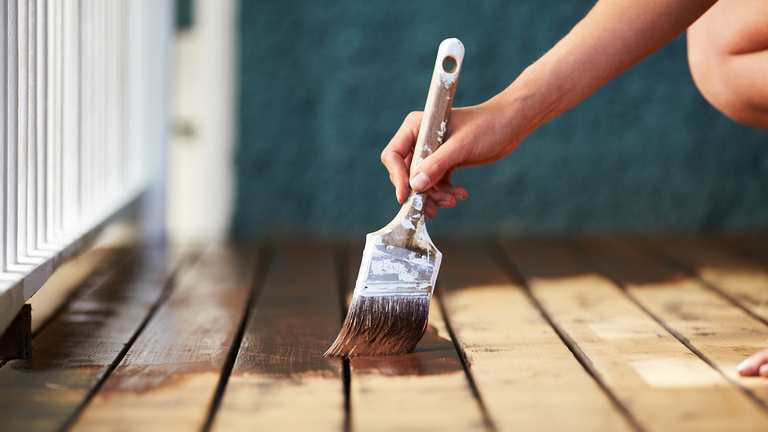
Yes, you can and should paint or stain pressure-treated wood, as this helps prevent the surface from cracking. However, it is crucial to wait for the wood to dry out completely from the chemical treatment process before applying a finish. If the wood is still wet, the paint will not adhere properly. The drying time can range from weeks to six months. To test if the wood is ready, drip some water onto a board. If the water is absorbed, the wood is dry enough for painting or staining. If the water beads up on the surface, it needs more time to dry. You can build with the wood while it's still wet, but you must wait for it to dry before painting.
Wet-sanding and dry-sanding each have pros and cons. Dry-sanding is less messy, so it’s a good option if you’re trying to minimize dust (for example, if you’re sanding an occupied home or working with particularly dry or dusty drywall mud). However, dry-sanding is quicker because you don’t have to keep rinsing a sponge or wait for it to dry before painting.
Yes, you can waterproof any wood that has not already been treated. A good way to test this is to splash some water on it. If the water starts to bead up, the wood is treated and most likely doesn’t need another coating.
Choosing the right product involves understanding deck material, desired finish, and local weather conditions. Opt for high-quality, weatherproof formulations ensuring long-term durability and appearance retention.
Yes, it's a good idea to sand the wall with fine-grit sandpaper after spackling, especially if you plan on painting. You can do this by hand or using a sander, but the idea is to ensure the spackle is flush with the wall. Sanding will give your wall a smooth, uniform finish and help your paint and wallpaper stay put.
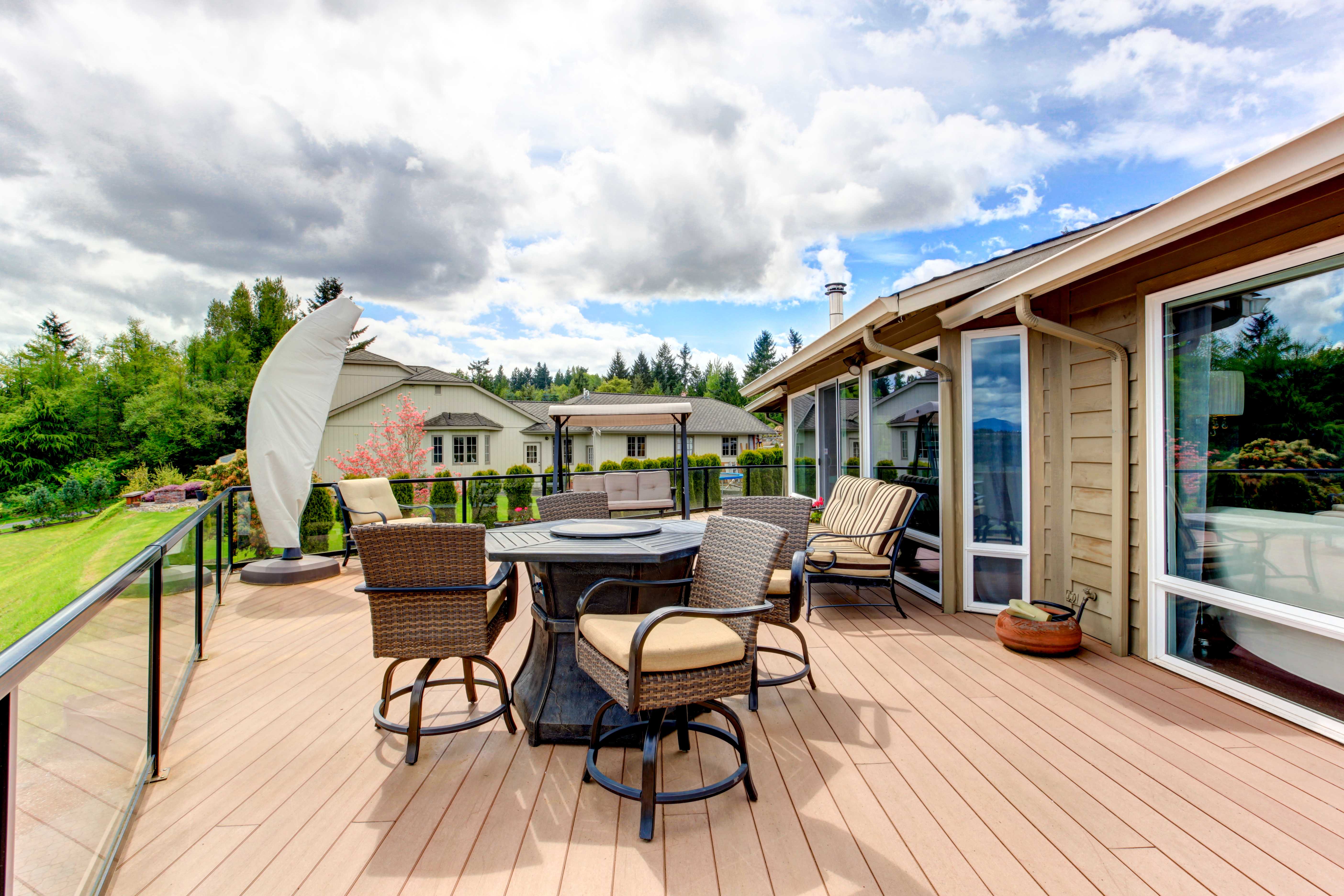
The Hot Springs, SD homeowners’ guide to deck staining services
From average costs to expert advice, get all the answers you need to get your job done.
Cedar is a popular decking material, best known for its natural wooden look and resistance to rot. So, how much does a cedar deck cost? Find out in this guide.
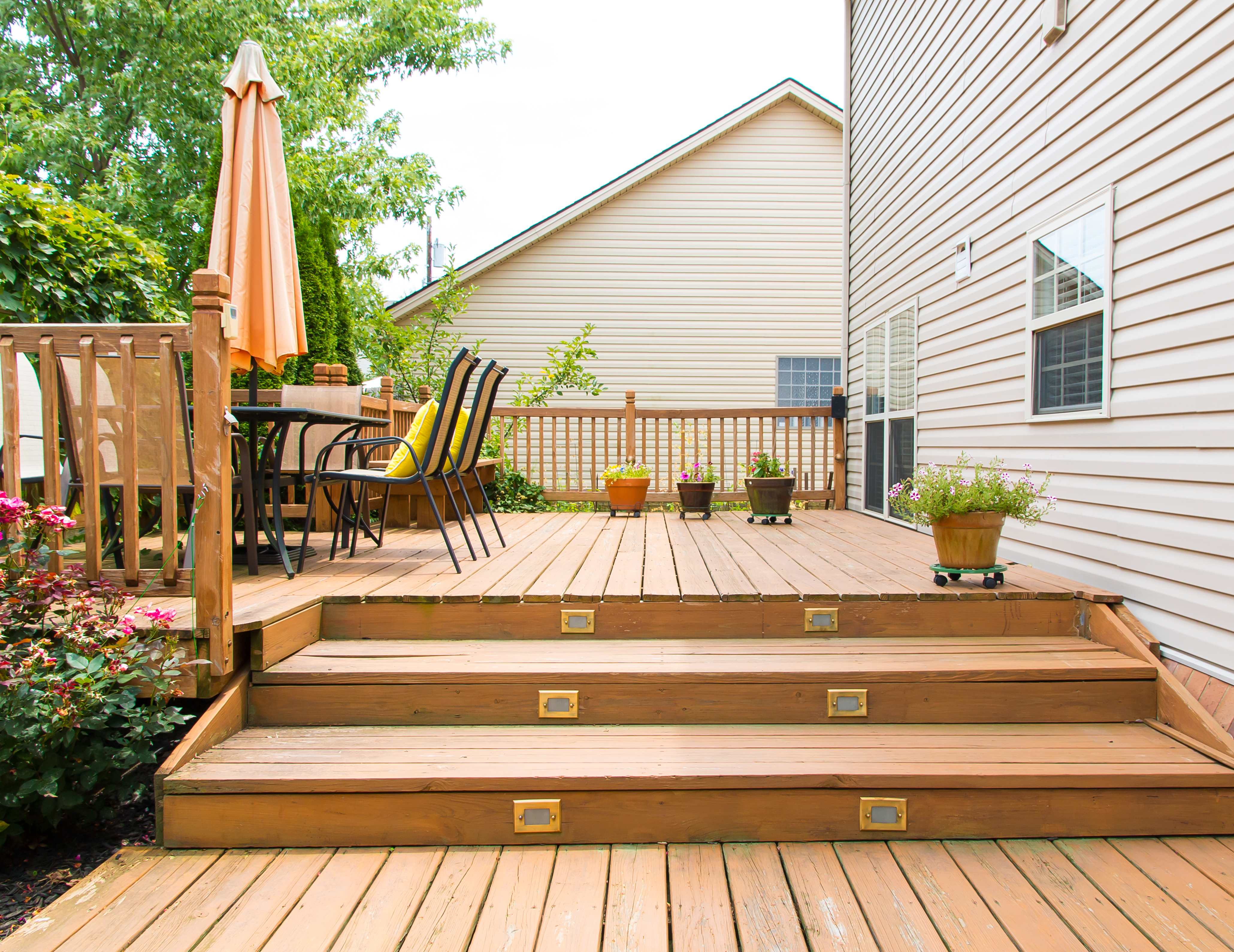
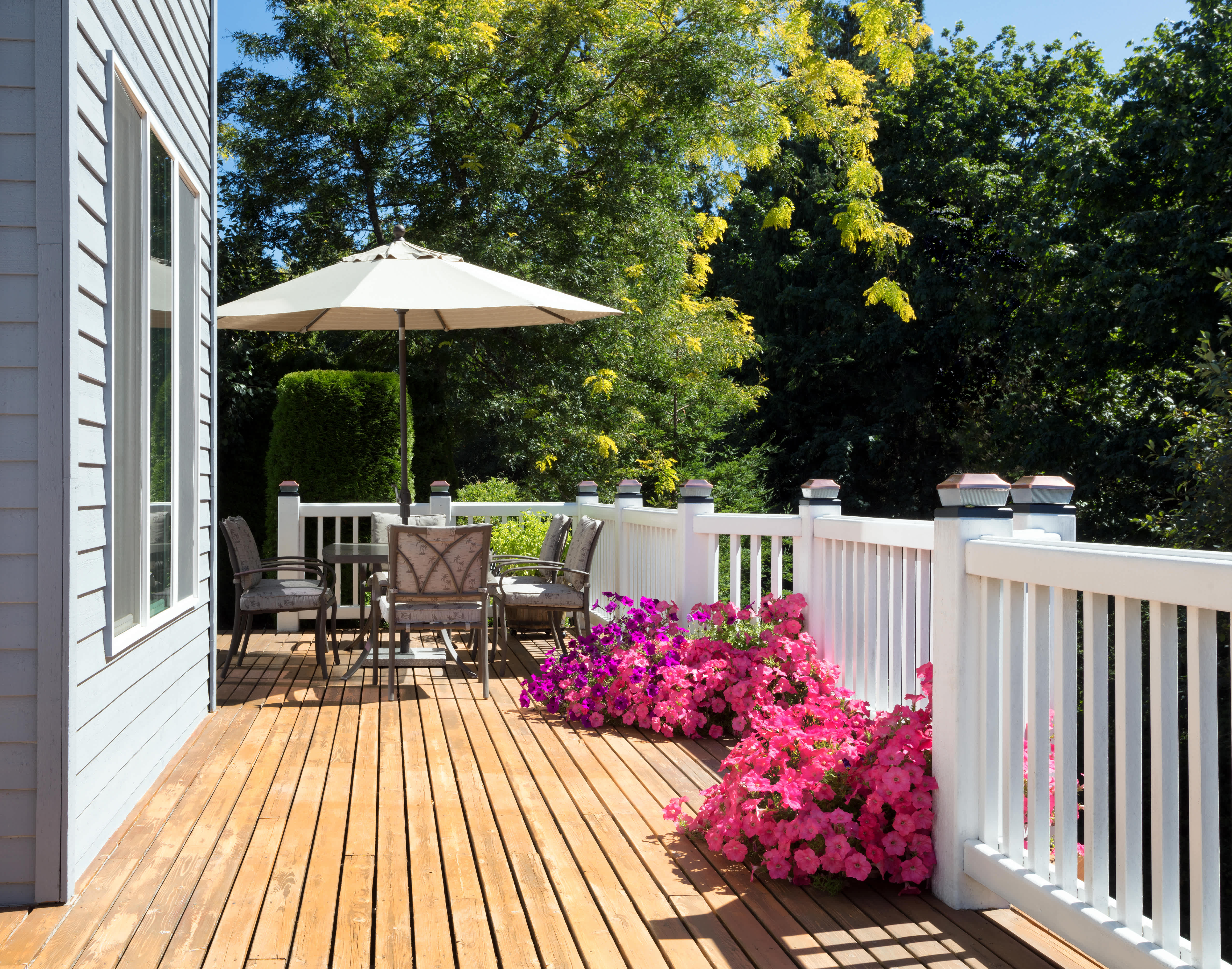
Planning a deck staining or painting project? Learn about finish options, average costs to expect, and how to hire the right local pro for your backyard.