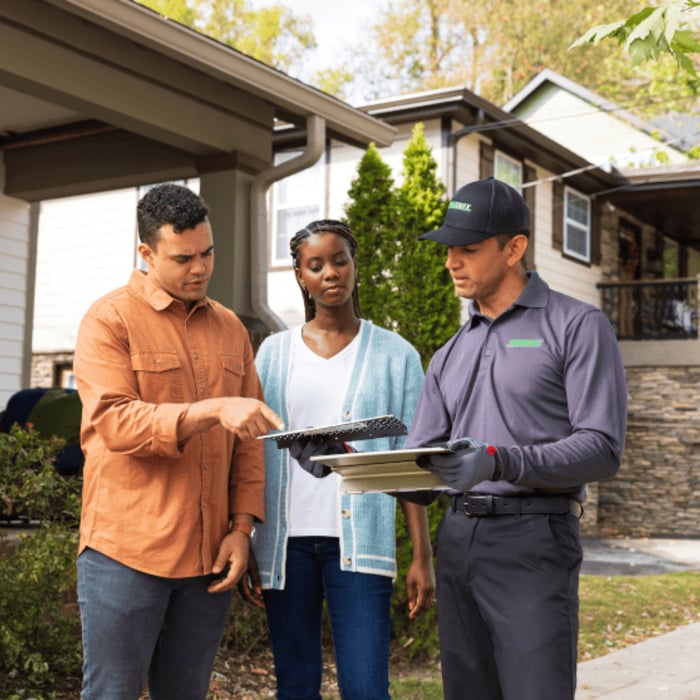
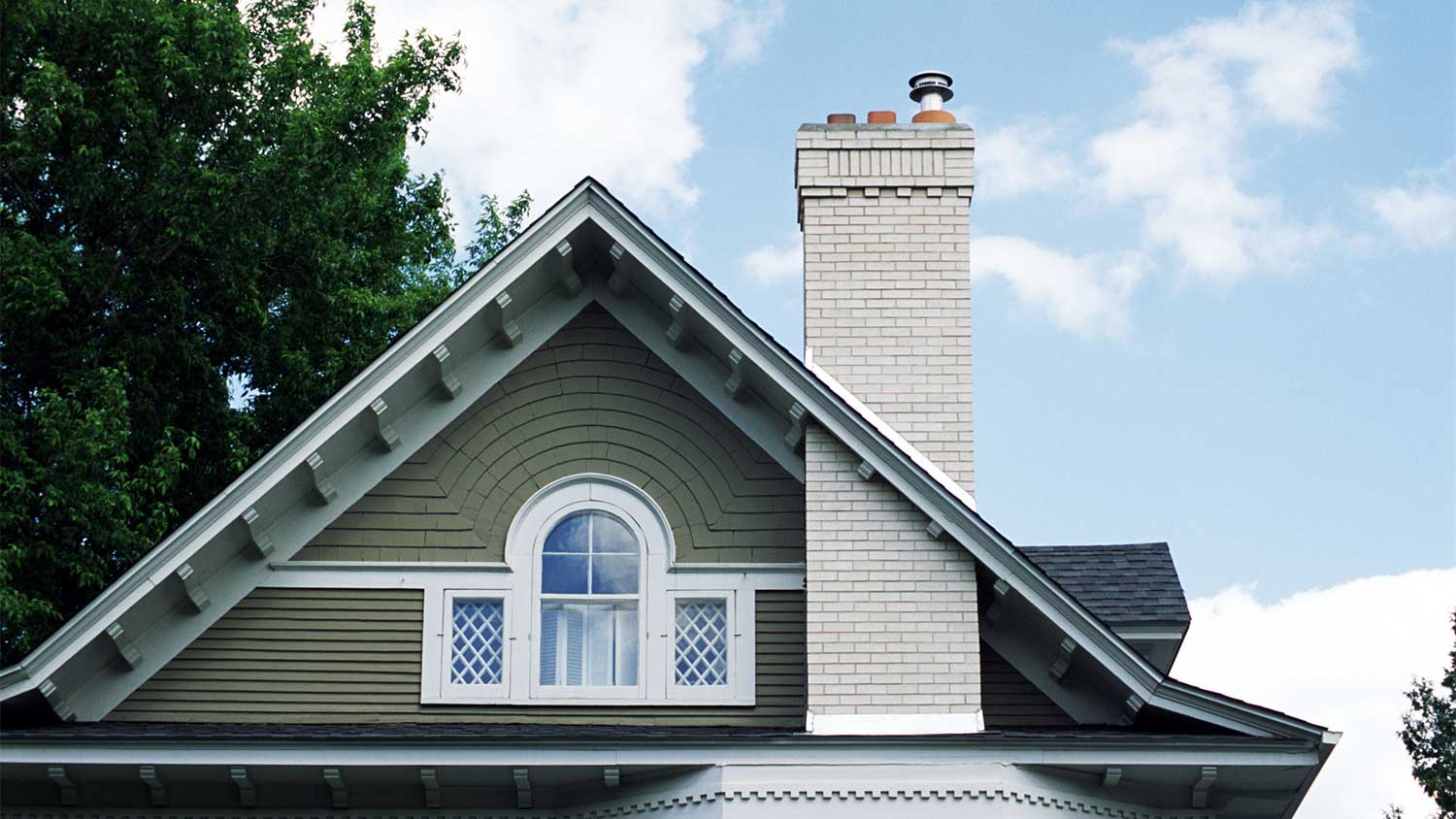
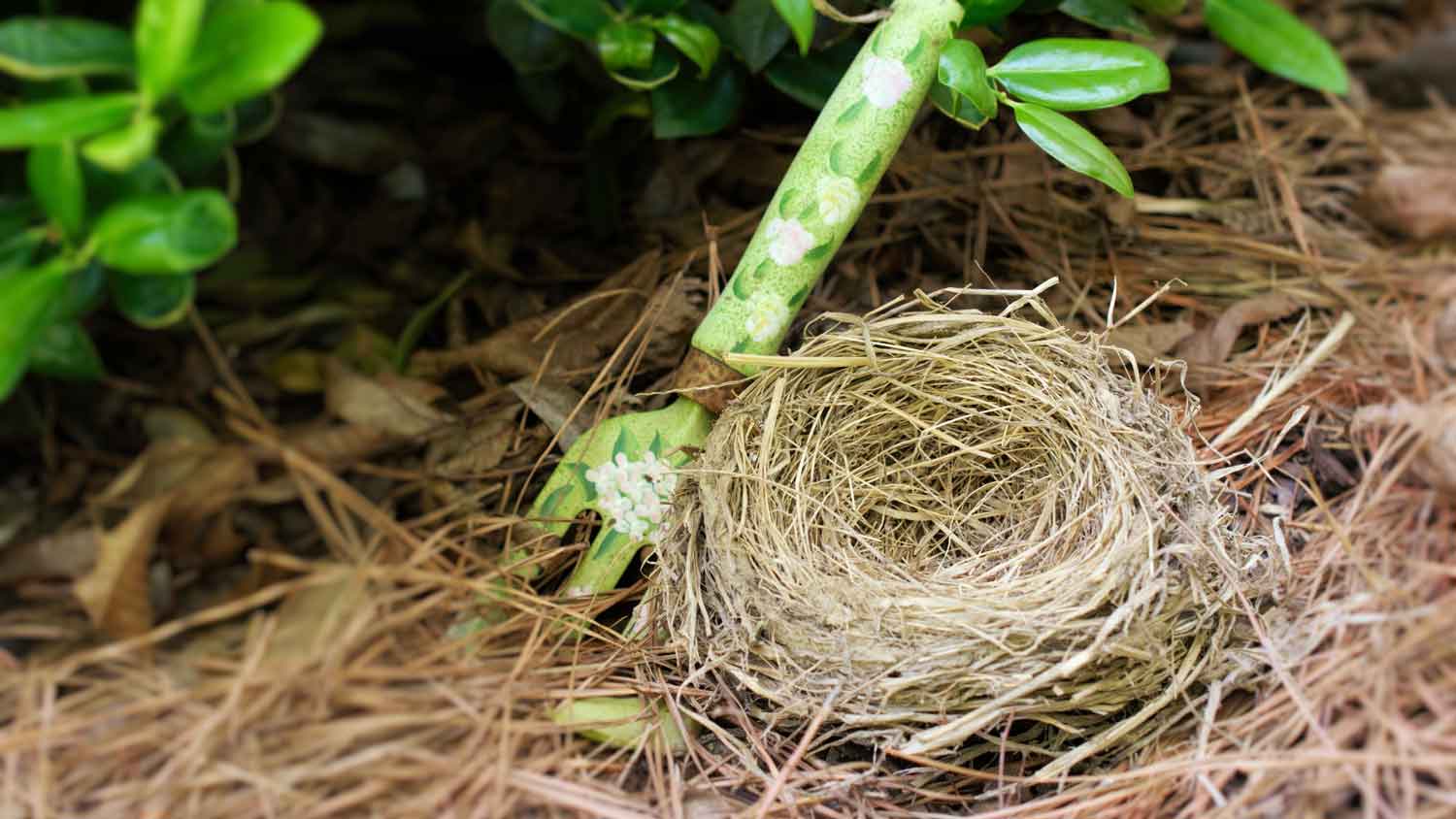
Metal coil-shaped retriever tools (around $50) help remove empty nests and debris from chimneys. Unless you are sure the nest is vacant, we recommend calling in a pro to handle bird’s nest removal from chimneys, vents, roofs, and other hard-to-reach places.
They can have a deterrent effect on birds to some extent. The reflective surfaces of these objects, such as aluminum foil strips, CDs, or reflective tape, create flashes of light and movement that can startle or confuse birds temporarily. However, some birds can become accustomed to these visual disturbances over time and might adapt their behavior accordingly. For a more sustained solution, combining shiny objects with other deterrent methods shared here is often beneficial for creating a more comprehensive and effective strategy for bird control.
Keeping birds away from a porch can involve a combination of strategies. Start with cleaning your porch. Remove food, debris, and plants that may be attracting feathered friends. Afterward, install physical deterrents like netting or spikes. Next, top off your porch with a decoy or two—and owl or hawk works. When wondering how to keep birds off the porch, it is always best to use humane efforts that won't harm winged creatures or the environment.
Chirping noises, droppings, scratches on the walls, and stains at entries and exits are all signs that you have bats in your house or, more specifically, your attic. Because bats are nocturnal, there’s a chance that bats have already infested your home before you start to see warning signs, so don’t delay if you notice anything. If you see a bat or two at sunrise or sunset near your property, that’s another telltale sign that they could be setting up shop inside your space.
Identifying the specific animal running on your roof at night can be challenging without direct observation. Common nocturnal roof visitors include raccoons, squirrels, opossums, and rats. Raccoons are bigger and can create heavy thumping sounds. Squirrels are agile and may produce rapid scurrying noises. Opossums tend to move stealthily with less noise. Rats can make scratching or gnawing sounds. To determine the culprit, look for signs like footprints, droppings, or damaged areas near the roof. For accurate identification, consult a pest control professional or set up wildlife cameras near potential entry points.
The Shoshoni, WY homeowners’ guide to bird control services
From average costs to expert advice, get all the answers you need to get your job done.
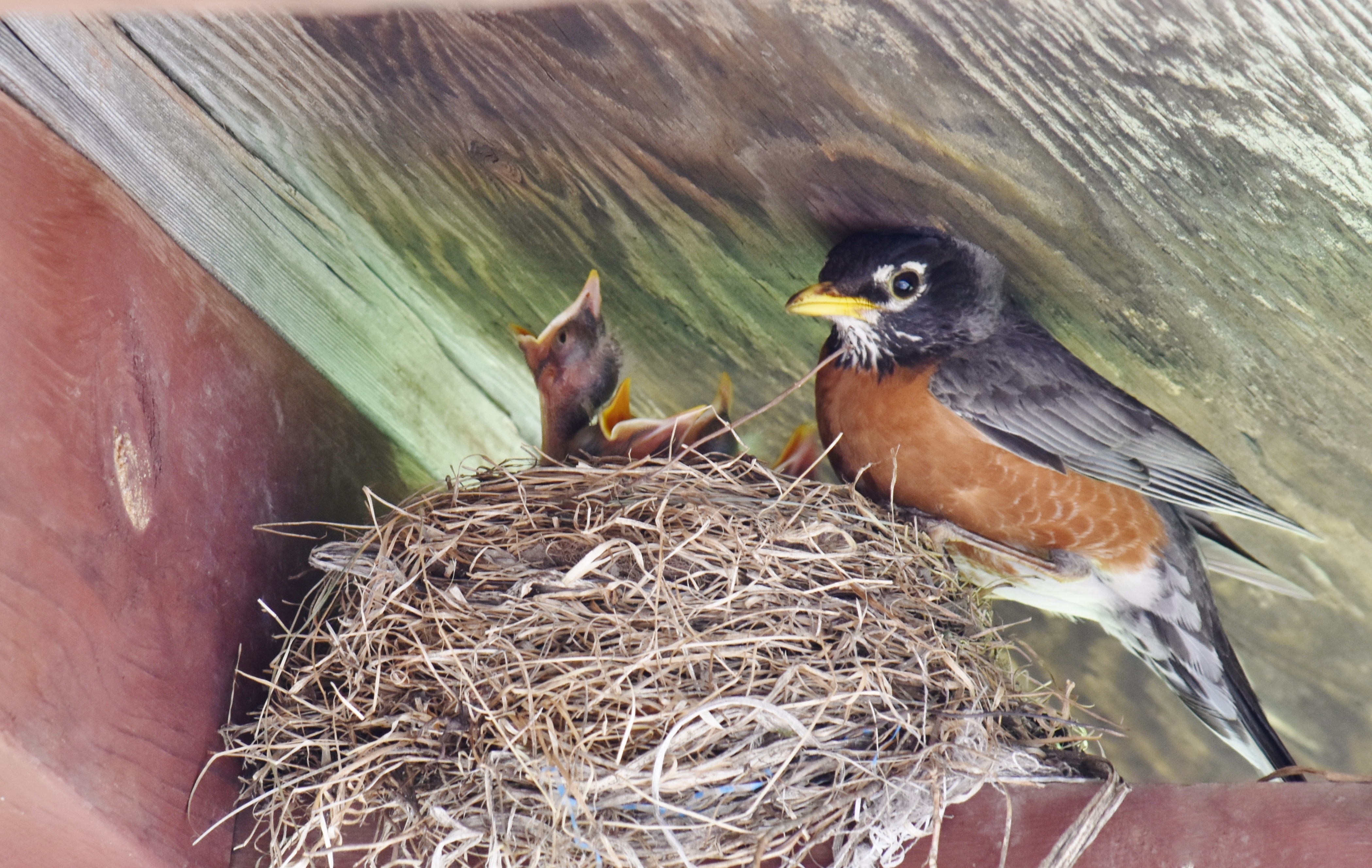
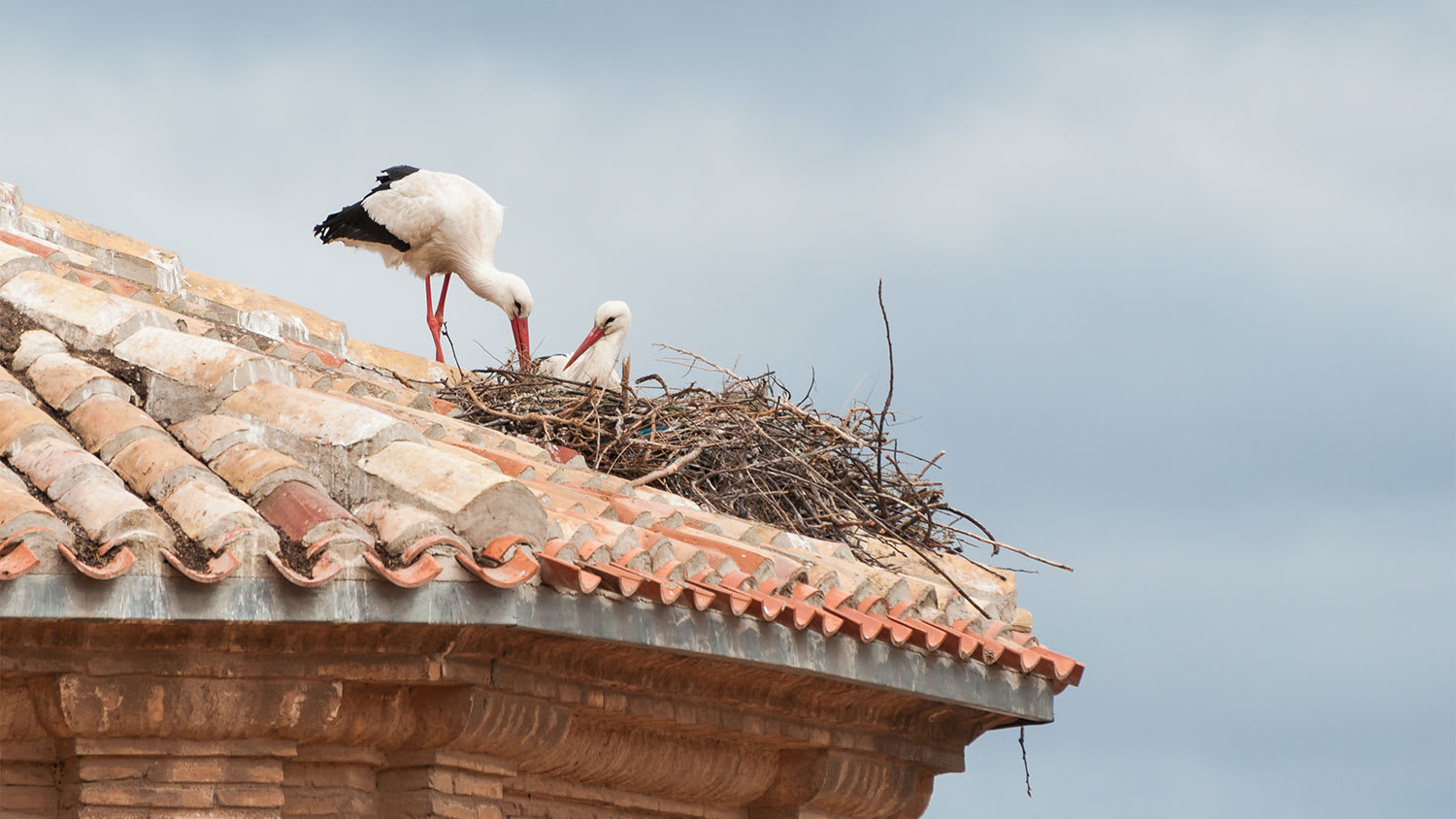
Sometimes birds nest in unwelcome places. Find out how much bird nest removal will cost based on factors like location, bird species, and preventative measures.