





Get matched with top structural engineers in Newcastle, WY
Top-rated structural engineers.

Need a pro for your structural engineering project in Newcastle, WY?

Select your specific project to find the pro for you.

Find Structural engineers in Newcastle

Avatar for Evolution Drafting
Evolution Drafting
3.4(
94
)

Serving Newcastle, WY and surrounding areas

Approved

In business since 2018

Free estimates

Emergency services offered

"I hired them to create plans for an apartment building. The process was quick and painless. Cost was good. The plans are full complete abd ready to take to builders for quotes. I will definitly use them again."
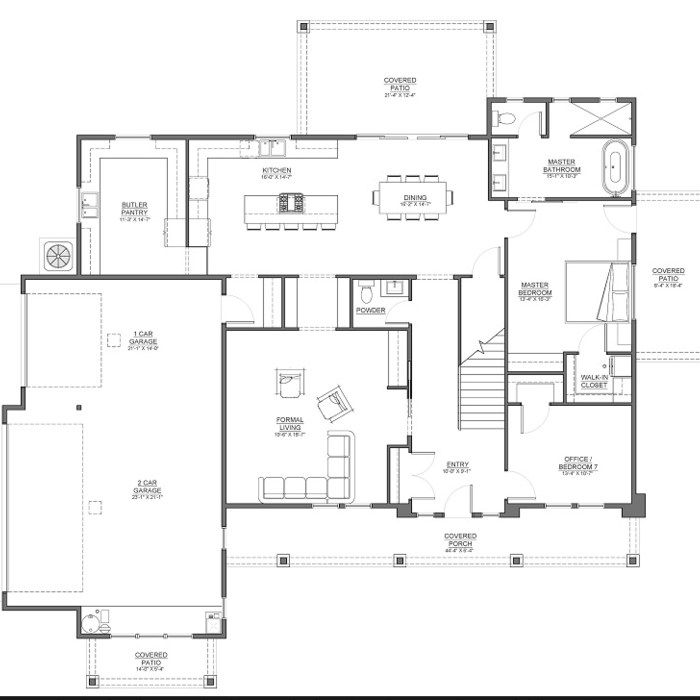
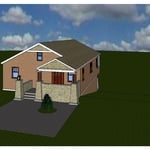
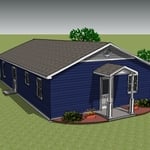
Zeal Floor Plan
Charcoal
Palm Floor Plan
Charcoal Floor 2
Charcoal Floor 1

+23

Response time1 day
Response rate100%
56 neighbors recently requested a quote

Ascended Constructions
New to Angi

Serving Newcastle, WY and surrounding areas

Approved

In business since 2023

Offers commercial services

We’re a family owned and operated company that values honesty and integrity, and stands behind our work. We offer over 40 years of industry experience. We specialize in Asphalt Shingle Roofing installation, replacement, and repairs. Our services are customized to the individual project, paying close attention to the details of each project that we're involved with. We look forward to building long-term relationships with our clients and guarantee your satisfaction!

5 neighbors recently requested a quote

Avatar for Evolution Drafting
Evolution Drafting
3.3(
38
)

Serving Newcastle, WY and surrounding areas

In business since 2015

Free estimates

Emergency services offered

"I had a fantastic experience working with this drafting firm. From the very first phone call, Kirsten?our drafting consultant? was clear, professional, and incredibly helpful. She explained the entire process in detail and made sure all of my questions were answered up front, which gave me immediate confidence in the team. This firm partnered with engineers and architects to get the best quote for me on a stamp for my plans after they did an exceptional job on drawing the prints that met all the requirements for permitting. Their coordination and attention to detail made the process very simple on my end. If you are looking for a highly capable drafting firm that knows how to get things done right, I highly recommend them!"
Charcoal Residential
Response time6 hrs
Recommended by23%of homeowners
Structural Engineering questions, answered by experts

First, most contractors will have a structural engineer create a report and plan for your project to ensure it’s safe to cut into the load-bearing wall. The contractor will then excavate around the wall, if necessary, measure the opening—allowing for additional space to fit and level the door, and then cut the doorway out. They will likely install a steel lintel as a header over the door for support. Once the doorway is cut out, they’ll demolish the concrete using sledge hammers and masonry chisels, clean up the surrounding concrete, and seal around the door with masonry mortar. 

The standard thickness for an LVL beam is between 1.75 inches and 7 inches. However, you can order LVL beams in non-standard sizes as well. When you work with a contractor, they can source beams that are the appropriate size for your project for you after assessing your blueprints.

Yes, you can build over a stump if the roots are no longer alive. Living roots will continue to grow and may damage your new construction over time. Similarly, you should also remove rotting stumps because they may continue to attract pests and even cause new structures (especially those made from wood) to decompose as well.

While concrete walls do not need to "breathe" in the traditional sense of the word, they do require waterproofing and dehumidifying methods, particularly in basements below the water table. Concrete both contains moisture from its initial installation and can absorb water when exposed. Ensuring proper basement ventilation , installing a vapor barrier, and controlling water exposure are all important tasks.

A freestanding brick wall that's only one brick thick can usually stand six to eight feet high. If you need a higher wall, it should be at least two bricks thick for adequate stability, and it might require a footing to support the added weight. Additionally, some areas have regulations and codes dictating how high a brick wall can be, so check with local code enforcers to ensure your proposed wall complies with any regulations.

The Newcastle, WY homeowners’ guide to structural engineering services

From average costs to expert advice, get all the answers you need to get your job done.