



Top-rated generator install pros.

Get matched with top generator install pros in Bear River, WY

Enter your zip and get matched with up to 5 pros

Need a pro for your generator install project in Bear River, WY?

Select your specific project to find the pro for you.

Find Generator install pros in Bear River

Avatar for Target Electric - Home  Facebook
Target Electric - Home Facebook
4.5(
1
)

Serving Bear River, WY and surrounding areas

In business since 1990

Free estimates

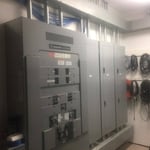
We offer over 30 years of experience in the electrical industry. We take on a wide range of electrical projects to include full installation for additions and remodels as well as wiring and panel upgrades and a variety of other jobs. We are committed to providing a personalized service for each individual project we take on & look forward to building strong, long-term relationships with our clients and guarantee your satisfaction.

Personalized bar
Personalized bar
New Construction
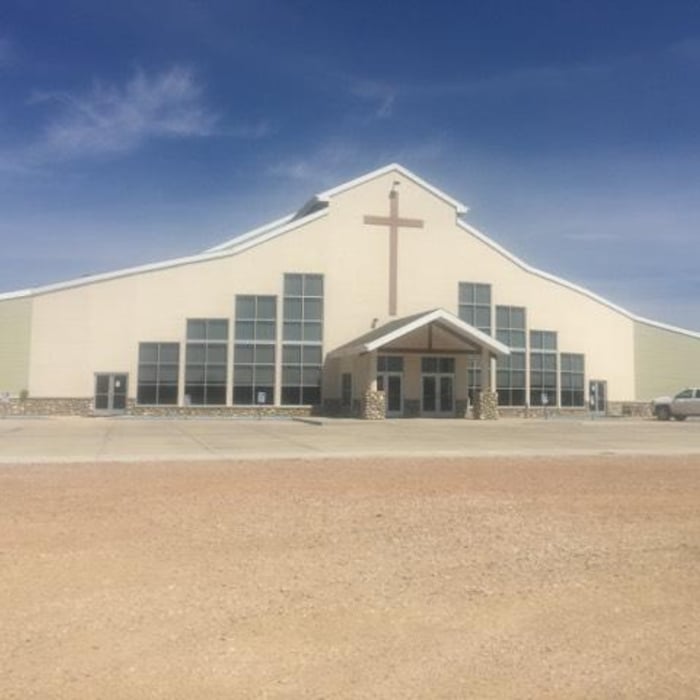
Family Life Church
Family :Life Church

+12

Response time10 mins
Recommended by100%of homeowners

Generator Install questions, answered by experts

Yes, in most municipalities, you will need a permit to install a permanent home generator, including emergency backup, partial-home, and whole-home models. Because these installations involve significant alterations to your home's electrical system and produce exhaust fumes, local governments often require a permit or inspection for safety purposes. A generator permit typically costs between $50 and $250, depending on your location. Your electrician or certified installer can usually handle the permitting process for you, but you will be responsible for the cost. It's a good practice to confirm with your installer that they will pull all necessary permits before work begins.

Yes, in some locations, it is required by the National Electric Code (NEC) to have a transfer switch installed for electrical emergencies. In addition to following electrical code, generator transfer switches ensure your home is fully protected during a power outage. By switching the power from the main breaker to the generator breaker, you can seamlessly operate your HVAC, lights, appliances, devices, and more during an emergency. 

Generators are safe to use as long as they are installed and operated correctly according to the manufacturer's recommendations. The most critical safety tips are to never use a portable or fuel-powered generator inside an enclosed space due to the risk of lethal carbon monoxide poisoning; always operate it outdoors where fumes can dissipate away from your home. Additionally, never attempt to connect a generator to your home’s electrical panel yourself—hire a professional to ensure the setup meets safety standards. Finally, avoid overloading the generator by not connecting more appliances than it is rated for, as this can damage your equipment or cause a fire.

Many services include assembling the unit and securing it in the window. Confirm with your provider.

Carbon monoxide emissions aren’t only dangerous to human life, but they also harm our planet. While natural gas generators emit lower levels of CO than other fuel sources, there are still ways to reduce emission levels. For example, shop around for an eco-friendly generator that complies with current emission standards. Also, make sure your generator is serviced regularly to avoid CO buildup.